
How to Wash Work Boots

Understanding Work Boot Construction
Work boots contain multiple layers and materials. The outer layer consists of leather, synthetic materials, or a combination of both. The midsole provides cushioning. The outsole delivers traction. The interior features a lining that wicks moisture.
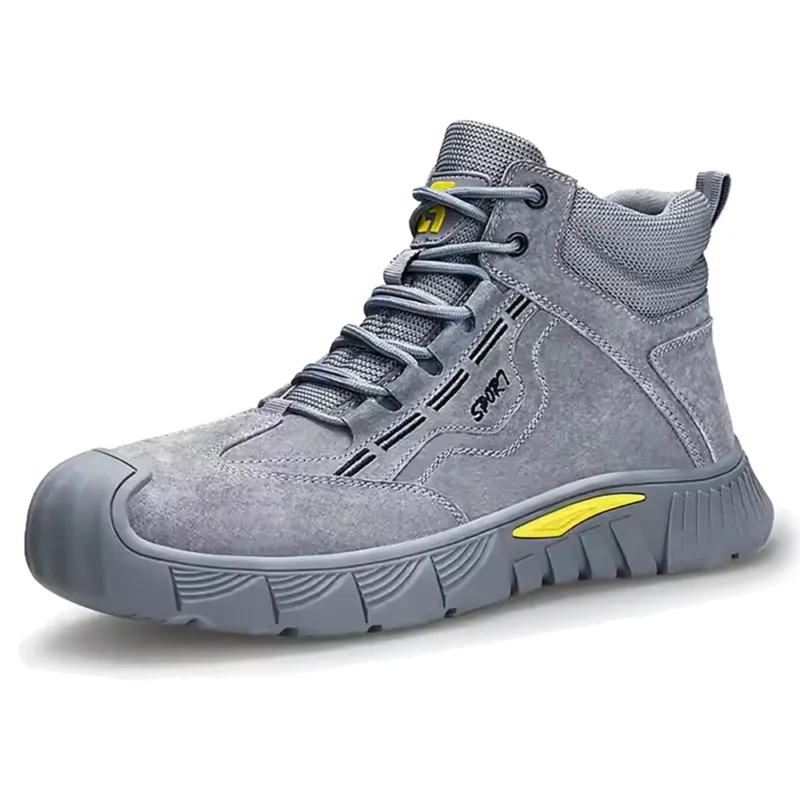
When your workday involves heavy machinery, falling objects, and unforgiving terrain, the Birks Defender Kevlar Steel Toe Safety Work Boots stand ready to protect you through it all. These boots deliver the exceptional durability, reliable protection, and all-day comfort you need to tackle any challenge and get the job done right, every single time.
Different materials require different cleaning approaches. Full-grain leather needs conditioning after washing. Suede and nubuck demand specialized brushes. Synthetic materials tolerate water better than natural materials.
The construction method matters. Goodyear welted boots feature a replaceable sole attached through stitching. Cement construction uses adhesive to bond components. Direct-attach construction molds the sole directly to the upper. Each method affects how you wash your boots.
Why Regular Cleaning Matters
Dirt and debris break down materials over time. Salt from winter roads corrodes leather. Oil and chemicals from work sites penetrate the material. Bacteria from sweat creates odors and weakens fabric.
Clean boots last longer. A study by the Footwear Distributors and Retailers of America found that regular maintenance extends boot life by 40%. You save money. You maintain safety features. Worn treads slip. Degraded materials fail to protect your feet.
Clean boots also prevent health issues. Bacteria and fungi thrive in dirty boots. They cause athlete’s foot and other infections. Regular washing eliminates these risks.
Gathering Your Cleaning Supplies
You need specific items to wash work boots properly:
- Soft-bristled brush – Removes surface dirt without scratching
- Stiff brush – Cleans treads and rubber components
- Mild soap – Dawn dish soap or specialized boot cleaner works well
- Leather conditioner – Restores oils to leather (for leather boots)
- Suede brush – Lifts nap on suede and nubuck
- Clean cloths – Microfiber works best
- Waterproofing spray – Protects against moisture
- Newspaper or boot trees – Maintains shape during drying
- Old toothbrush – Reaches tight spaces
Avoid harsh chemicals. Bleach damages leather. Strong detergents strip protective oils. Hot water warps materials.
Pre-Cleaning Preparation Steps
Remove the laces completely. Dirty laces transfer grime back to clean boots. Wash laces separately in warm soapy water. Replace worn laces.
Take out the insoles. Most insoles are removable. Hand wash them separately with mild soap. Air dry them completely before reinserting.
Knock boots together outside. This removes loose dirt and debris. Use a dry brush to sweep away remaining surface dirt. Pay attention to seams and welt areas where dirt accumulates.
Check for damage. Look for loose stitching, separated soles, or torn material. Repair these issues before washing. Water worsens existing damage.
Step-by-Step Washing Process for Leather Boots
Step 1: Brush Away Dry Dirt
Use your soft-bristled brush on the leather upper. Work in circular motions. Brush away from seams to prevent pushing dirt deeper into crevices. Use the stiff brush on rubber soles and heels.
Step 2: Create Cleaning Solution
Mix one tablespoon of mild soap with two cups of warm water. The water should feel comfortable to your touch, not hot. Hot water damages leather fibers.
Step 3: Wipe Down the Leather
Dip a clean cloth into the solution. Wring it out thoroughly. The cloth should be damp, not soaking wet. Excess water penetrates leather and causes damage.
Wipe the entire boot surface. Work in sections. Rinse the cloth frequently in clean water. Change the water when it becomes dirty.
Step 4: Clean the Soles
Use the stiff brush dipped in cleaning solution. Scrub the treads vigorously. An old toothbrush reaches into deep grooves. Remove all embedded rocks and debris.
Step 5: Rinse Carefully
Use a clean, damp cloth to wipe away soap residue. Multiple passes may be necessary. Soap residue dries leather and causes cracking.
Step 6: Air Dry Properly
Stuff boots with newspaper or insert boot trees. This maintains shape as they dry. Change wet newspaper after two hours.
Place boots in a well-ventilated area away from direct heat. Never use a hair dryer, radiator, or direct sunlight. Heat causes leather to crack and shrink. Drying takes 24-48 hours.
Step 7: Condition the Leather
Once completely dry, apply leather conditioner. Use a clean cloth to rub conditioner into the leather. Work in circular motions. Let it absorb for 20 minutes. Buff away excess with a dry cloth.
Step 8: Apply Waterproofing
Spray waterproofing treatment evenly across the boot surface. Hold the can 6-8 inches away. Apply two light coats rather than one heavy coat. Let dry completely between coats.
Washing Suede and Nubuck Work Boots
Suede and nubuck require a gentler approach. Water damages the nap and creates stains.
For Light Cleaning: Brush with a specialized suede brush. Use short, quick strokes in one direction. This lifts the nap and removes surface dirt.
For Stains: Use a suede eraser on tough spots. Rub gently until the stain lifts. For wet stains, let them dry completely first. Brush the area once dry.
For Deep Cleaning: Create a solution of one part white vinegar to two parts water. Dampen a cloth slightly. Blot stained areas gently. Never saturate suede. Let dry away from heat. Brush to restore the nap.
Apply a suede protector spray after cleaning. This prevents future stains and water damage.
Cleaning Synthetic Work Boots
Synthetic materials tolerate water better than leather. You can use more moisture during cleaning.
Mix mild soap with warm water. Use a sponge or soft brush to scrub the entire boot. Rinse thoroughly with clean water. Pat dry with towels.
Synthetic boots dry faster than leather. They still need 12-24 hours in a ventilated area. Stuff with newspaper to maintain shape.
Some synthetic boots are machine washable. Check manufacturer instructions first. Use cold water on a gentle cycle. Place boots in a mesh laundry bag. Add towels to balance the load. Air dry only.
Comparison of Cleaning Methods by Material Type
| Boot Material | Water Tolerance | Cleaning Method | Drying Time | Conditioning Needed |
|---|---|---|---|---|
| Full-grain leather | Low | Damp cloth only | 24-48 hours | Yes |
| Suede/Nubuck | Very Low | Dry brush/eraser | 12-24 hours | Suede protector |
| Synthetic | High | Sponge/brush or machine | 12-24 hours | No |
| Combination | Medium | Spot clean by material | 24-48 hours | Leather portions only |
When your workday involves heavy machinery, falling objects, and unforgiving terrain, the Birks Defender Kevlar Steel Toe Safety Work Boots stand ready to protect you through it all. These boots deliver the exceptional durability, reliable protection, and all-day comfort you need to tackle any challenge and get the job done right, every single time.
Dealing with Specific Problems
Oil Stains: Sprinkle cornstarch or baking soda on fresh oil stains. Let sit overnight. The powder absorbs the oil. Brush away and clean normally.
Salt Stains: Mix equal parts water and white vinegar. Dampen a cloth with this solution. Blot salt-stained areas. Wipe with clean water. Let dry completely.
Persistent Odors: Sprinkle baking soda inside boots. Let sit overnight. Shake out the powder. For severe odors, use an enzymatic cleaner designed for shoes.
Mold and Mildew: Mix one part rubbing alcohol with one part water. Wipe affected areas with this solution. The alcohol kills mold spores. Dry boots completely in sunlight.
Scuff Marks: Use a pencil eraser on light scuffs. For deeper marks on leather, apply a small amount of petroleum jelly. Buff with a soft cloth.
Maintaining Work Boots Between Deep Cleans
Daily maintenance reduces the need for intensive washing:
- Wipe boots down after each use – A quick brush removes fresh dirt
- Rotate between two pairs – This allows each pair to dry completely between wears
- Store in a dry location – Moisture promotes bacterial growth
- Use cedar shoe trees – Cedar absorbs moisture and odors
- Treat stains immediately – Fresh stains come out easier than set stains
Clean your boots thoroughly every 2-4 weeks depending on work conditions. Construction workers in muddy environments need weekly cleaning. Office workers need monthly cleaning.
When to Replace Rather Than Clean
Some damage cannot be fixed through cleaning:
- Separated soles – The bond has failed
- Cracked leather – The material has dried beyond repair
- Worn treads – Safety is compromised
- Broken shanks – Support structure has failed
- Persistent leaks – Waterproofing cannot be restored
Quality work boots last 6 months to 3 years with proper care. The lifespan depends on usage intensity and maintenance frequency.
Special Considerations for Safety-Rated Boots
Steel-toe boots dry more slowly than regular boots. The metal retains cold and takes longer to warm and dry. Extra drying time prevents rust formation inside the toe box.
Electrical hazard rated boots require careful cleaning. Certain chemicals compromise the insulating properties. Use only manufacturer-approved cleaning products. Test waterproofing sprays on a small area first.
Slip-resistant boots need thorough sole cleaning. Built-up dirt reduces traction. Compromised traction defeats the safety purpose. Check treads after each cleaning.
The History of Work Boot Care
Workers have cleaned boots for centuries. Early methods used animal fats and beeswax for leather conditioning. These treatments waterproofed boots and prevented cracking.
Industrial revolution workers used harsh soaps and lye. These chemicals damaged leather but removed factory chemicals and oils. Boot quality suffered.
Modern cleaning products emerged in the 1950s. Chemical engineers developed pH-balanced cleaners. These products cleaned effectively without material damage.
The 1990s brought synthetic materials to work boots. Manufacturers developed specific care products for each material type. Cleaning became more specialized but more effective.
Final Summary
Work boot cleaning follows a simple process. Remove laces and insoles. Brush away dry dirt. Clean with appropriate products for your boot material. Air dry away from heat. Condition leather boots. Apply waterproofing.
The method changes based on material type. Leather needs gentle moisture and conditioning. Suede requires dry cleaning methods. Synthetic materials tolerate more water.
Regular cleaning extends boot life. Clean boots protect your feet better. They smell better. They look more professional. The time investment pays dividends in boot longevity and foot health.
Start with the right supplies. Follow the appropriate method for your boot type. Maintain boots between deep cleans. Your work boots will serve you well for their entire rated lifespan.
When your workday involves heavy machinery, falling objects, and unforgiving terrain, the Birks Defender Kevlar Steel Toe Safety Work Boots stand ready to protect you through it all. These boots deliver the exceptional durability, reliable protection, and all-day comfort you need to tackle any challenge and get the job done right, every single time.
