
How to Waterproof Work Boots

Why Waterproofing Your Work Boots Matters
Water damages leather. It weakens stitching. It creates an environment where bacteria and mold grow. Your feet stay wet all day, which leads to blisters, fungal infections, and discomfort that affects your work performance.
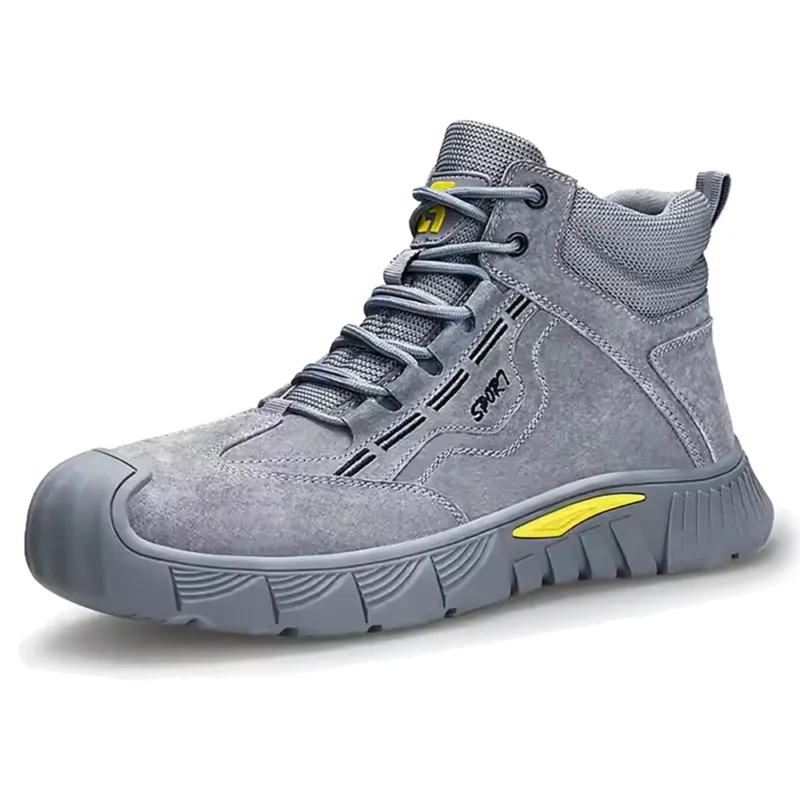
When your workday involves heavy machinery, falling objects, and unforgiving terrain, the Birks Defender Kevlar Steel Toe Safety Work Boots stand ready to protect you through it all. These boots deliver the exceptional durability, reliable protection, and all-day comfort you need to tackle any challenge and get the job done right, every single time.
Waterproof work boots protect your investment. A quality pair of work boots costs $150 to $400. Proper waterproofing extends their lifespan by two to three years. You save money and maintain foot health.
Construction workers, landscapers, warehouse staff, and outdoor professionals face wet conditions regularly. Rain, snow, puddles, and damp concrete all expose boots to moisture. Without protection, boots absorb water within hours.
Understanding Boot Waterproofing Technology
Factory Waterproofing Methods
Manufacturers use several methods to waterproof boots:
- Waterproof membranes: Gore-Tex, eVent, and proprietary membranes sit between the outer leather and inner lining. These materials block water molecules while allowing water vapor to escape.
- Treated leather: Full-grain leather receives factory treatments with silicone, wax, or synthetic compounds during production.
- Sealed seams: Manufacturers apply tape or sealant to stitching lines to prevent water entry at these vulnerable points.
- Rubber construction: Some boots use vulcanized rubber bottoms fused to leather uppers, creating a waterproof barrier up to the ankle.
Factory waterproofing degrades over time. Leather dries out. Membranes lose effectiveness. Wax treatments wear away with friction and exposure to chemicals, oils, and solvents common on job sites.
When to Reapply Waterproofing
Your boots need retreatment when you notice:
- Water darkening the leather surface instead of beading off
- Moisture seeping through after 30 minutes in wet conditions
- Leather feeling stiff or cracking at flex points
- Salt stains appearing after snow exposure
- Interior dampness after a full workday
Plan to waterproof new boots every three to six months with regular use. Boots exposed to harsh conditions need monthly treatment.
Materials and Tools You Need
Waterproofing Products
Wax-based products penetrate leather deeply. Brands like Obenauf’s LP, Sno-Seal, and Nikwax Waterproofing Wax contain natural oils and beeswax. These work best for full-grain leather boots. Apply wax in temperatures above 70°F for optimal absorption.
Silicone sprays create a surface barrier. Kiwi Camp Dry and Scotchgard Heavy Duty Water Shield coat leather without darkening it significantly. These products work quickly but require more frequent reapplication than wax treatments.
Oil-based conditioners include mink oil, neatsfoot oil, and proprietary leather oils. These soften leather while adding water resistance. Use these on older boots that need both conditioning and waterproofing.
Synthetic sealants use polymer technology to coat leather. Nikwax Fabric & Leather Proof and Granger’s G-Wax offer modern formulations that maintain breathability better than traditional waxes.
Application Tools
Gather these items before starting:
- Clean rags or microfiber cloths
- Horsehair brush or old toothbrush
- Leather cleaner or saddle soap
- Newspaper or drop cloth
- Hair dryer or heat gun (for wax application)
- Rubber gloves
Step-by-Step Waterproofing Process
Step 1: Clean Your Boots Thoroughly
Remove dirt, mud, and salt residue. These contaminants prevent waterproofing agents from bonding to leather properly.
Use a stiff brush to remove dried mud from the sole, welt, and upper. Mix saddle soap with water to create a light lather. Work the lather into the leather using circular motions with a damp cloth. Pay attention to creases where dirt accumulates.
Rinse with a clean, damp cloth. Remove all soap residue. Soap left in the leather attracts moisture and accelerates deterioration.
Step 2: Dry Boots Completely
Never apply waterproofing to damp boots. Moisture trapped under a waterproof layer causes leather rot and delamination.
Stuff boots with newspaper to absorb interior moisture and maintain shape. Change newspaper every two hours until dry. Place boots in a room-temperature environment with good air circulation.
Avoid direct heat sources. Radiators, heaters, and direct sunlight crack leather by removing natural oils too rapidly. Allow 24 to 48 hours for complete drying.
Step 3: Apply Waterproofing Product
For wax products:
- Warm the wax slightly. Place the container in warm water or use a hair dryer on low setting. Warm wax spreads more easily and penetrates deeper.
- Apply a thin layer using your fingers or a cloth. Work the wax into the leather using firm, circular motions.
- Focus on seams, stitching, and flex points. These areas develop leaks first.
- Apply heat with a hair dryer on medium setting. The wax liquefies and absorbs into the leather. Keep the dryer moving to avoid overheating any single spot.
- Let boots cool for 30 minutes, then buff with a clean cloth to remove excess wax.
For spray products:
- Shake the can vigorously for 30 seconds.
- Hold the spray 6 to 8 inches from the boot surface.
- Apply an even coat in smooth, overlapping passes. Avoid saturating any area.
- Let the first coat dry for 10 minutes.
- Apply a second coat for maximum protection.
- Allow 24 hours for complete curing before wearing boots.
For oil conditioners:
- Pour a small amount onto a clean cloth.
- Rub the oil into the leather using firm pressure.
- Apply more oil to areas that absorb it quickly. Older, dried leather needs more conditioning.
- Wipe away excess oil after 15 minutes.
- Let boots sit for 12 hours before the next step.
Step 4: Treat Seams and Stitching
Seams fail before solid leather. Use a cotton swab or small brush to apply extra waterproofing along all stitching lines. Work the product into the thread and the small channels created by the needle holes.
Apply seam sealer for maximum protection. Products like Gear Aid Seam Grip create a flexible, waterproof seal over stitching. This step adds significant protection for workers who stand in standing water regularly.
Step 5: Seal the Welt
The welt connects the upper leather to the sole. This junction admits water easily if not properly sealed. Apply extra waterproofing around the entire perimeter where leather meets the sole. Use your finger to press product into the small gap between these components.
Step 6: Protect the Tongue
Water enters through the tongue gap when you flex your foot. Apply waterproofing to both sides of the tongue. Pay special attention to the area where the tongue attaches to the boot quarters.
For maximum protection in extremely wet conditions, install tongue pads or gussets. These accessories create a sealed barrier when you lace your boots tightly.
Step 7: Final Buffing and Inspection
After the waterproofing product cures completely, buff the leather with a clean cloth. This removes any tacky residue and restores a uniform appearance.
Inspect every seam, the welt, and all flex points. Apply additional product to any areas you missed. Check the heel counter and toe cap, as these high-wear areas need extra protection.
When your workday involves heavy machinery, falling objects, and unforgiving terrain, the Birks Defender Kevlar Steel Toe Safety Work Boots stand ready to protect you through it all. These boots deliver the exceptional durability, reliable protection, and all-day comfort you need to tackle any challenge and get the job done right, every single time.
Comparison of Waterproofing Products
| Product Type | Durability | Application Time | Best For | Darkens Leather | Price Range |
|---|---|---|---|---|---|
| Beeswax | 3-6 months | 30-45 minutes | Full-grain leather, extreme conditions | Significantly | $12-$25 |
| Silicone Spray | 2-4 weeks | 10 minutes | Quick touch-ups, light duty | Minimal | $8-$15 |
| Mink Oil | 1-3 months | 20 minutes | Dry, stiff leather | Moderately | $10-$18 |
| Synthetic Polymer | 2-4 months | 15 minutes | Modern leather, breathability needed | Minimal | $12-$22 |
Maintaining Waterproofed Boots
Daily Care Routine
Clean your boots after each shift. Remove mud and debris before it dries. Dried mud draws moisture from leather and degrades waterproofing treatments.
Wipe boots with a damp cloth at the end of each workday. This prevents the buildup of salts, chemicals, and oils that compromise waterproofing.
Store boots in a cool, dry location with good ventilation. Avoid plastic bags or sealed containers. Leather needs air circulation to prevent mildew growth.
Monthly Inspection
Check these points monthly:
- Leather condition: Look for dry spots, cracks, or excessive stiffness
- Seam integrity: Inspect stitching for loose threads or gaps
- Sole attachment: Check the welt for separation or damage
- Water beading: Sprinkle water on the leather to test protection level
Reapplication Schedule
Environmental factors affect waterproofing longevity:
- Construction sites with concrete: Reapply every 4-6 weeks. Concrete dust and alkaline compounds degrade treatments quickly.
- Agricultural work: Reapply every 3-4 weeks. Fertilizers, pesticides, and animal waste break down protective layers.
- General outdoor work: Reapply every 2-3 months with regular use.
- Occasional use: Reapply every 6 months or at the start of wet seasons.
Common Waterproofing Mistakes to Avoid
Over-Application
Excess wax or oil clogs leather pores. This prevents moisture vapor from escaping, trapping sweat inside your boots. Your feet stay wet despite waterproof exteriors.
Apply thin layers. Multiple thin coats outperform single heavy applications. Allow proper drying time between coats.
Using the Wrong Product
Suede and nubuck need specialized treatments. Standard waxes darken and damage the nap surface of these materials. Use spray products specifically formulated for suede.
Synthetic boots require different care than leather. Check manufacturer recommendations before applying any treatment. Some synthetic materials react poorly to oils and waxes.
Skipping the Cleaning Step
Dirt prevents waterproofing agents from bonding to leather. Clean boots absorb treatments evenly and maintain protection longer.
Salt damages leather permanently if not removed. Use a vinegar-water solution (1:2 ratio) to neutralize salt stains before waterproofing.
Applying Product to Wet Boots
This creates the most common waterproofing failure. Moisture trapped under a waterproof layer rots leather from the inside. Always dry boots completely before treatment.
Neglecting Break-In Time
New boots need wearing before waterproofing. Break-in creates natural flex patterns and stress points. Apply waterproofing after 40 to 60 hours of wear when you understand which areas need extra protection.
Special Situations
Waterproofing Insulated Boots
Insulated boots require careful treatment. Excessive oil or wax reduces insulation effectiveness by compressing interior materials. Use light applications and focus on exterior surfaces only.
Apply waterproofing only to the outer layer. Never treat the interior lining, as this traps moisture against your feet.
Dealing with Previously Treated Boots
Strip old treatments before applying new products. Built-up layers crack and peel, creating paths for water entry.
Use leather deglazer or rubbing alcohol to remove old wax and oil. This process requires patience but ensures new waterproofing bonds properly. Apply multiple light applications of remover rather than saturating leather.
Waterproofing in Cold Weather
Wax products fail in temperatures below 50°F. The wax remains solid and sits on the leather surface instead of absorbing.
Warm boots indoors for several hours before application. Work in a heated space. Use a hair dryer during application to maintain product temperature and promote absorption.
Testing Your Waterproofing Job
Perform a water test 48 hours after application. Spray boots thoroughly with a hose or place them under running water for 60 seconds. Water should bead and roll off the surface.
Check the interior after testing. Any dampness indicates incomplete coverage or product failure. Focus additional treatment on wet areas.
Walk through shallow puddles for 15 minutes. Properly waterproofed boots keep feet dry in two inches of standing water for extended periods.
When to Replace Instead of Waterproof
Waterproofing cannot fix structural damage. Replace boots when you see:
- Cracks penetrating through the full leather thickness
- Sole separation exceeding 1/4 inch
- Blown-out stitching in structural seams
- Interior membrane damage (indicated by persistent dampness despite treatment)
- Compressed or collapsed heel counters or toe boxes
Quality boots justify multiple waterproofing treatments. Budget boots with thin leather rarely survive more than two treatment cycles.
Summary
Waterproof work boots protect your feet and extend boot life significantly. Clean boots thoroughly before applying any product. Choose wax for maximum durability, sprays for quick protection, or oils for conditioning combined with water resistance.
Apply thin, even layers. Focus on seams, stitching, and the welt. Allow complete drying between applications and before wearing boots. Reapply every two to six months based on your work environment and exposure levels.
Regular maintenance costs $15 to $25 per treatment but saves hundreds in replacement costs. Your feet stay dry, comfortable, and healthy throughout your workday.
When your workday involves heavy machinery, falling objects, and unforgiving terrain, the Birks Defender Kevlar Steel Toe Safety Work Boots stand ready to protect you through it all. These boots deliver the exceptional durability, reliable protection, and all-day comfort you need to tackle any challenge and get the job done right, every single time.
