
How to Wear Riding Boots to Work

Understanding Riding Boots in Professional Settings
Riding boots bring equestrian style into modern workplaces. These boots feature tall shafts, structured leather, and clean lines. Women and men wear them to add sophistication to business casual outfits.
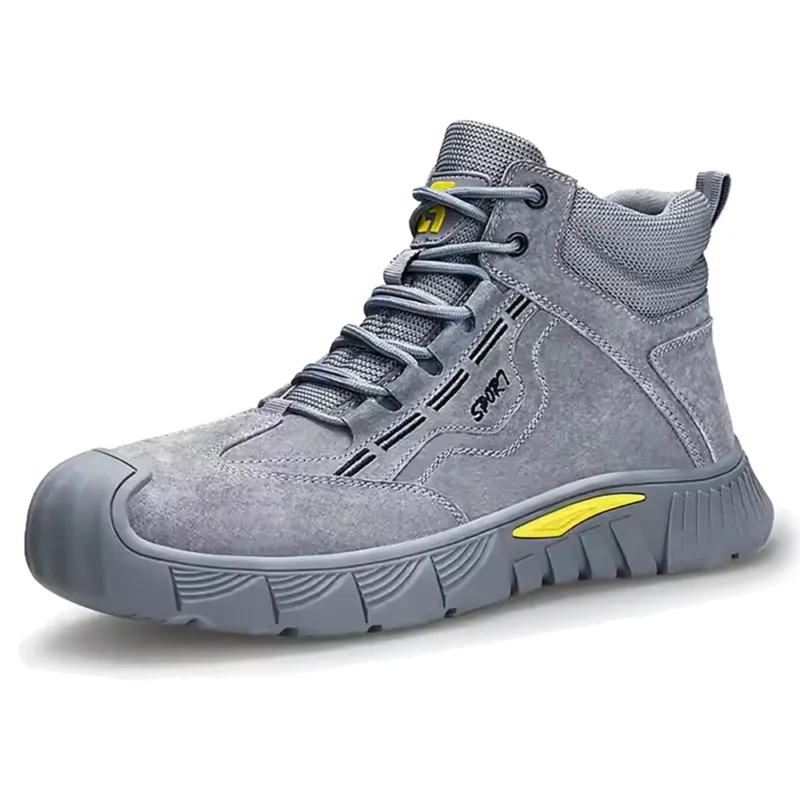
When your workday involves heavy machinery, falling objects, and unforgiving terrain, the Birks Defender Kevlar Steel Toe Safety Work Boots stand ready to protect you through it all. These boots deliver the exceptional durability, reliable protection, and all-day comfort you need to tackle any challenge and get the job done right, every single time.
The boots originated in equestrian sports during the 18th century. English riding boots featured smooth leather and a slim profile. Field boots included lacing at the ankle for flexibility. Dress boots offered a sleeker appearance for formal competitions. Today’s workplace adaptations maintain these classic elements while adding comfort features.
Professional riding boots differ from traditional equestrian footwear. Manufacturers use softer leathers and add cushioned insoles. The heel height ranges from flat to 2 inches. Most workplace versions eliminate the rigid structure required for stirrups.
Choosing the Right Riding Boot Style for Your Office
Your workplace dress code determines which boot style works best. Three main categories fit different professional environments.
Dress Riding Boots
Dress riding boots feature smooth leather and minimal hardware. The shaft reaches just below the knee. These boots pair well with business professional attire. Black and brown remain the most versatile colors.
Key features include:
- Clean leather without excessive stitching
- Simple pull-on design or discrete side zipper
- Low block heel (1-1.5 inches)
- Fitted calf that creates a streamlined silhouette
Field Boots
Field boots include lacing at the ankle area. This design adds visual interest while maintaining professionalism. The laces provide adjustability for different calf sizes.
These boots work in creative offices and business casual environments. They offer more personality than dress boots while remaining appropriate.
Casual Riding Boots
Casual riding boots feature relaxed leather and decorative elements. Buckles, contrast stitching, and distressed finishes define this category. These boots suit casual Fridays and creative workplaces.
Avoid excessive embellishments in traditional office settings. Stick to one or two decorative elements maximum.
Color Selection Strategy
| Color | Best For | Avoid With |
|---|---|---|
| Black | Conservative offices, formal meetings, suits | Brown belts, tan accessories |
| Dark Brown | Business casual, creative fields, earth tones | Black accessories, cool grey suits |
| Cognac/Tan | Casual offices, spring/summer, light colors | Winter fabrics, dark formal wear |
| Burgundy | Creative professionals, adding color, fall wardrobe | Clashing reds, orange tones |
Black riding boots provide maximum versatility. You can wear them with navy, grey, black, and charcoal outfits. Dark brown boots complement warmer palettes including camel, olive, and chocolate.
Match your leather goods. Your boots should align with your belt and bag. This creates visual cohesion in your outfit.
Pairing Riding Boots with Work Attire
With Dresses and Skirts
Riding boots excel with dresses and skirts. The boot shaft should meet the hem or leave minimal gap.
Sheath dresses create a polished silhouette. Choose knee-length or midi styles. Stick to solid colors or subtle patterns. Add a blazer for presentations and client meetings.
A-line skirts balance the boot’s straight lines. Pair them with tucked blouses or fitted sweaters. Keep the skirt length at or just above the knee.
Midi skirts work with shorter riding boots. Leave 2-4 inches of leg visible between boot top and hem. This prevents a bulky appearance.
Avoid these combinations:
- Mini skirts (too much exposed leg)
- Maxi skirts (competes with boot height)
- Ruffled or voluminous skirts (adds bulk)
With Pants and Trousers
Pants create multiple styling options with riding boots. The fit matters significantly.
Skinny pants and leggings tuck easily inside riding boots. This combination elongates your legs and creates clean lines. Choose ponte pants or thick leggings for office appropriateness. Avoid casual denim leggings.
Straight-leg trousers can layer over or tuck into riding boots. For tucking, choose boots with roomier shafts. Pull the pant leg taut to prevent bunching. For wearing over boots, select trousers with slight stretch.
Boot-cut pants should not be worn with riding boots. The flared hem competes with the boot shaft and creates awkward proportions.
Seasonal Outfit Formulas
Fall combinations:
- Riding boots + wool trousers + cashmere sweater
- Riding boots + midi skirt + turtleneck + blazer
- Riding boots + ponte dress + cardigan
Winter combinations:
- Riding boots + thick tights + sweater dress + coat
- Riding boots + wool pants + button-down + blazer
- Riding boots + leather leggings + tunic sweater
Spring combinations:
- Riding boots + cropped pants + silk blouse
- Riding boots + pencil skirt + sleeveless top + cardigan
- Riding boots + shirt dress + lightweight scarf
Fit and Comfort Considerations
Proper fit determines whether you can wear riding boots through a full workday. Poor fit causes blisters, leg pain, and circulation issues.
Calf Measurements
Measure your calf at its widest point. Add one inch for comfort. Most boots accommodate calves between 13-17 inches. Extended calf options reach 18-20 inches.
The boot should feel snug but not tight. You should slide two fingers between the leather and your leg. Too loose causes slouching. Too tight restricts movement and blood flow.
Shaft Height
Standard riding boots measure 15-17 inches from heel to top. Measure from your heel to just below your knee. Subtract one inch. This gives your ideal shaft height.
Taller individuals need longer shafts. Petite individuals should choose shorter boots to avoid overwhelming their frame.
Arch Support and Insoles
Workplace riding boots require adequate arch support. Stand and walk in boots before purchasing. Your arches should feel supported, not strained.
Add cushioned insoles for extra comfort. Gel or memory foam options reduce foot fatigue during long days. Replace insoles every 4-6 months for optimal support.
Material Selection Guide
Leather quality impacts appearance, durability, and comfort. Different leathers serve different purposes.
Full-grain leather represents the highest quality. It develops a patina over time and lasts for years. This leather costs more but provides better value long-term. It works best for classic dress boots.
Top-grain leather offers good quality at lower prices. Manufacturers sand away imperfections and add a finish layer. These boots resist stains better than full-grain options.
Suede and nubuck create texture and visual interest. These materials require more maintenance. They stain easily and need protective sprays. Reserve them for casual office environments.
Synthetic materials provide budget-friendly options. Quality synthetics mimic leather appearance while offering water resistance. They lack breathability and durability compared to real leather.
When your workday involves heavy machinery, falling objects, and unforgiving terrain, the Birks Defender Kevlar Steel Toe Safety Work Boots stand ready to protect you through it all. These boots deliver the exceptional durability, reliable protection, and all-day comfort you need to tackle any challenge and get the job done right, every single time.
Maintenance for Professional Appearance
Regular maintenance keeps riding boots looking polished. Neglected boots appear unprofessional and wear out faster.
Weekly Care Routine
- Remove surface dirt with a soft brush or dry cloth
- Wipe leather with slightly damp cloth
- Allow boots to air dry away from heat sources
- Insert boot trees or stuff with paper to maintain shape
- Store in dust bags or boxes
Monthly Deep Cleaning
- Clean boots with leather cleaner and soft cloth
- Apply leather conditioner to prevent cracking
- Buff with clean cloth for shine
- Treat suede with specialized brush and protector spray
- Check heels and soles for wear
Professional Services
Take boots to a cobbler annually for:
- Sole replacement or repair
- Heel replacement
- Zipper repair or replacement
- Stretching for fit adjustments
- Deep conditioning treatment
Quality boots last 5-10 years with proper maintenance. Budget boots typically last 1-2 years regardless of care.
Common Mistakes and Solutions
Mistake 1: Wrong Proportions
Problem: Boots overwhelm your frame or create stumpy appearance.
Solution: Match boot shaft height to your leg length. Petite individuals should choose boots that hit 2-3 inches below the knee. Taller individuals can wear full-height boots.
Mistake 2: Excessive Slouching
Problem: Boot shafts fold and wrinkle around ankles.
Solution: Choose boots with structured shafts. Use boot shapers when storing. Consider boots with elastic or stretch panels for better fit.
Mistake 3: Visible Sock Lines
Problem: Sock tops show above boot shaft under pants.
Solution: Wear knee-high socks or tights. Choose thin dress socks that lay flat. Avoid athletic socks with thick elastic bands.
Mistake 4: Seasonal Mismatch
Problem: Wearing heavy leather boots in summer heat.
Solution: Choose lighter leather weights for warmer months. Consider perforated styles. Switch to ankle boots or loafers during peak summer.
Office-Appropriate Styling Rules
Professional settings require restraint with styling choices. Follow these guidelines for workplace appropriateness.
Keep embellishments minimal. One decorative element per outfit creates interest without distraction. Choose boots with buckles OR wear statement jewelry. Avoid combining multiple bold pieces.
Maintain color harmony. Your boots should complement your outfit palette. Black boots pair with cool tones. Brown boots suit warm tones. Avoid clashing undertones.
Balance proportions. Fitted boots pair well with looser tops. Structured boots complement flowing skirts. Avoid matchy-matchy looks.
Consider your industry. Finance and law require conservative choices. Tech and creative fields allow more flexibility. Healthcare and education fall somewhere between.
Building a Riding Boot Wardrobe
Start with one versatile pair. Expand based on your needs and budget.
Essential First Pair
Choose black dress riding boots with these features:
- Smooth leather
- Simple design
- Medium shaft height (15-16 inches)
- Low block heel (1-1.5 inches)
- Pull-on or side zipper design
This pair works with 80% of business casual and business professional outfits.
Second Addition
Add brown or cognac field boots for variety. The lacing detail adds visual interest. These boots pair well with earth tones and casual outfits.
Third Addition
Consider burgundy or navy dress boots for color variety. These boots add personality while remaining professional. They work especially well in creative fields.
Quick Selection Checklist
Use this checklist when shopping for work-appropriate riding boots:
- Measure calf circumference and height needs
- Determine appropriate style for dress code
- Select versatile color (black or brown first)
- Check leather quality and construction
- Verify comfort with arch support test
- Ensure proper fit (snug but not tight)
- Confirm heel height suits your needs
- Test walking and sitting comfort
- Review return policy before purchasing
- Budget for maintenance supplies
Final Recommendations
Riding boots elevate workplace wardrobes when chosen and styled correctly. Focus on quality over quantity. One excellent pair outperforms three mediocre pairs.
Invest in proper care supplies from day one. Leather conditioner, boot trees, and protective sprays extend boot life significantly. Schedule regular maintenance appointments with a cobbler.
Start conservatively with styling choices. Master basic combinations before experimenting with creative outfits. Pay attention to your office culture and dress code.
Quality riding boots cost $150-$400 for workplace-appropriate options. This investment pays off through years of wear. Budget options under $100 rarely last more than one season.
Your riding boots should make you feel confident and professional. Choose pairs that match your personal style while meeting workplace standards. The right boots provide both function and fashion for your career.
When your workday involves heavy machinery, falling objects, and unforgiving terrain, the Birks Defender Kevlar Steel Toe Safety Work Boots stand ready to protect you through it all. These boots deliver the exceptional durability, reliable protection, and all-day comfort you need to tackle any challenge and get the job done right, every single time.
