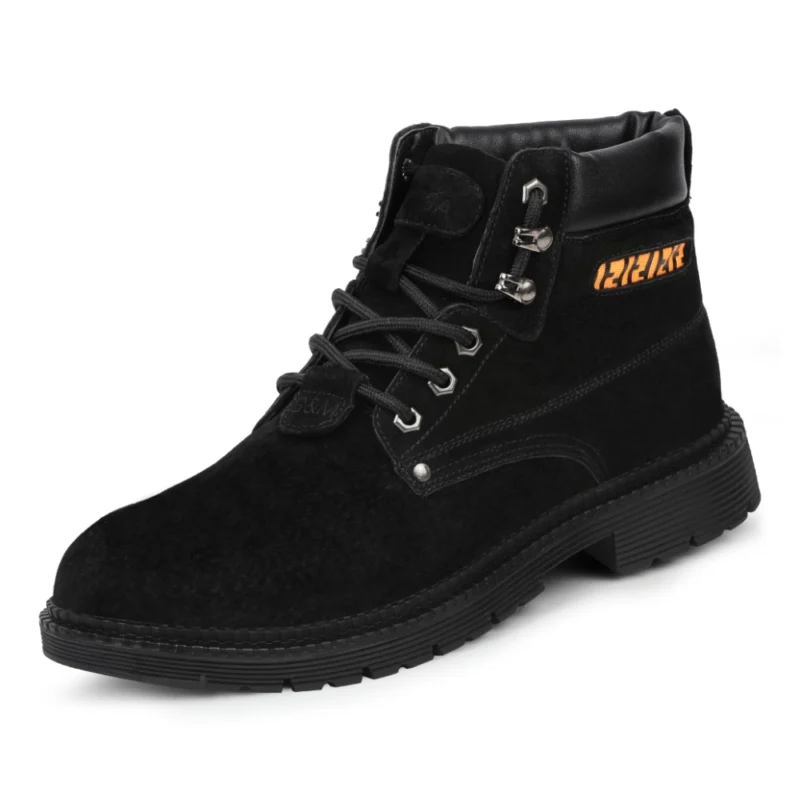
Irrigation Technician Boots and Shoes: Essential Protection for Water Management Professionals
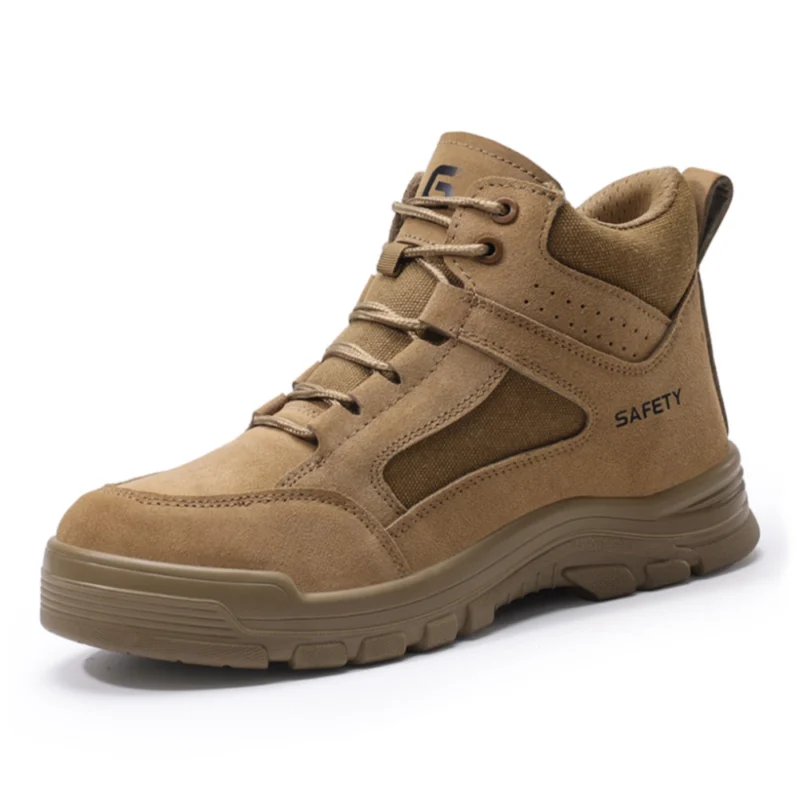
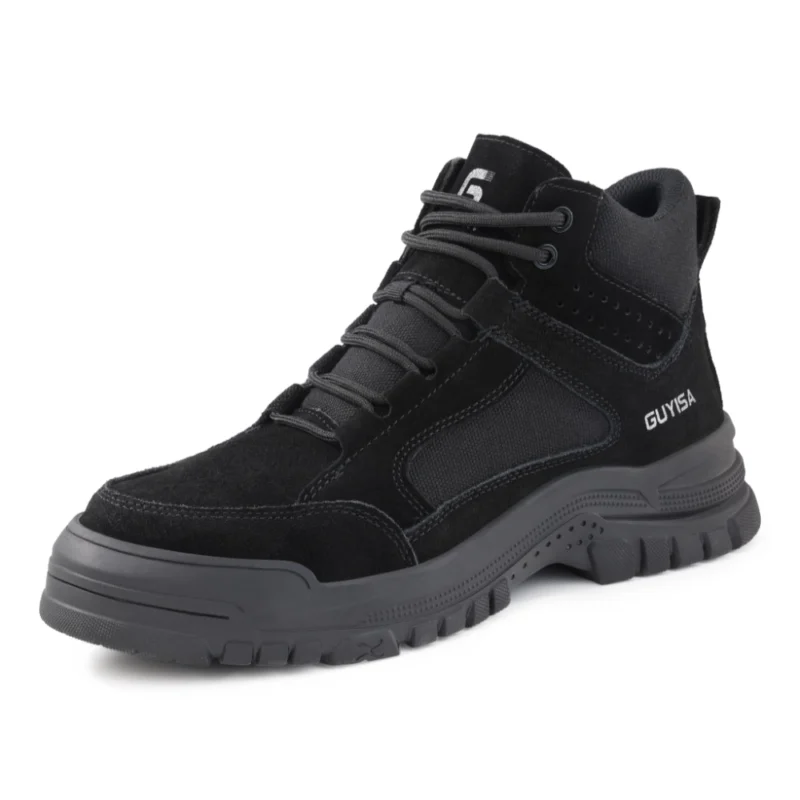
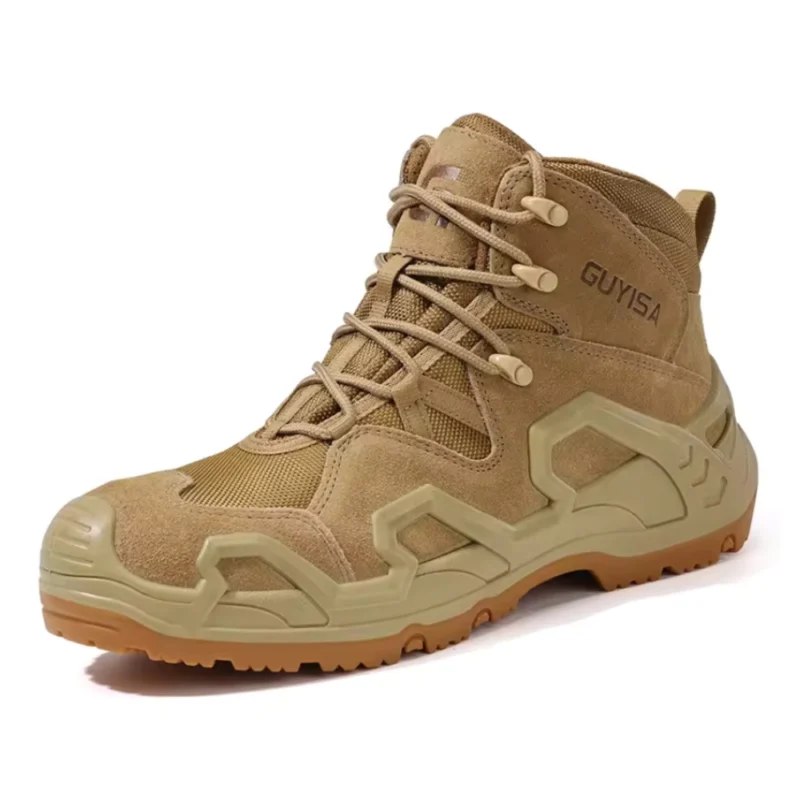
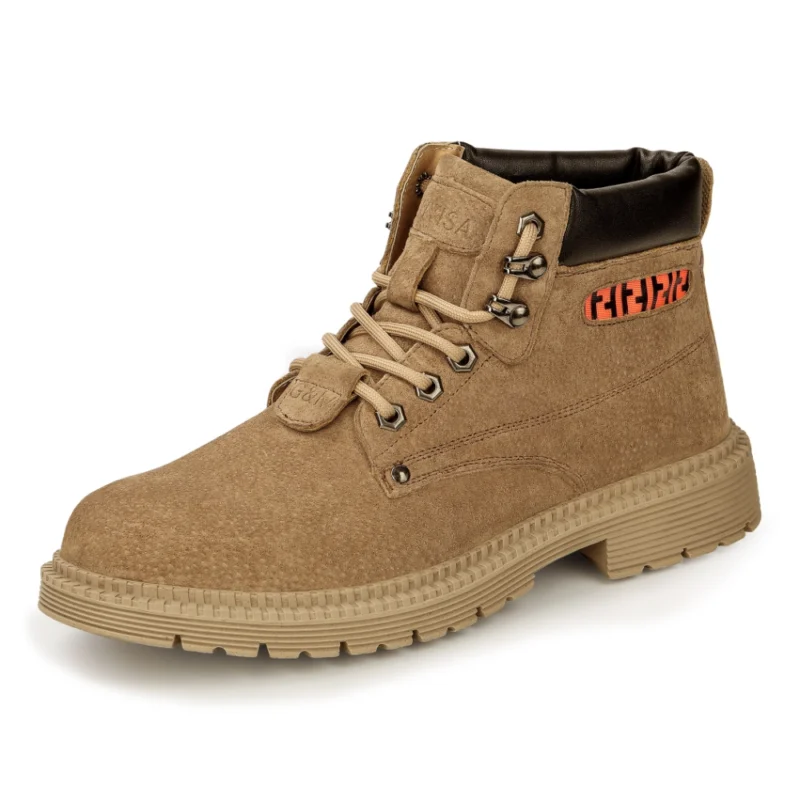
Irrigation technician boots and shoes provide critical protection for professionals who maintain and install water systems across agricultural, commercial, and residential properties. These specialized work footwear options combine waterproof technology with comprehensive safety features that keep feet dry and protected during extended shifts in wet fields, muddy landscapes, and active irrigation zones.
Protection Features in Irrigation Technician Footwear
Workers in irrigation face daily exposure to standing water, saturated soil, and unpredictable terrain conditions. Professional irrigation boots deliver slip-resistant outsoles engineered to maintain traction on wet grass, muddy slopes, and slippery concrete surfaces. Steel toe caps or composite toe protection shields feet from falling pipes, valve boxes, and heavy equipment. Puncture-resistant midsoles guard against sharp objects concealed in soil, including broken sprinkler heads, wire fragments, and metal stakes.
Waterproof construction stands as the primary requirement for irrigation technician shoes. Advanced waterproof membranes keep feet completely dry during hours spent in puddles, trenches, or rainfall. These membranes also allow moisture vapor to escape, preventing sweat accumulation that leads to discomfort and blisters. This dual-action protection maintains foot health during ten-hour workdays.
Durability and Construction Quality
Full-grain leather or heavy-duty synthetic uppers resist constant water exposure and abrasion from vegetation. Quality irrigation boots feature reinforced stitching at stress points and sealed seams that prevent water infiltration. Rubber or polyurethane outsoles provide superior durability compared to standard work boot materials. These construction elements ensure footwear survives harsh conditions season after season.
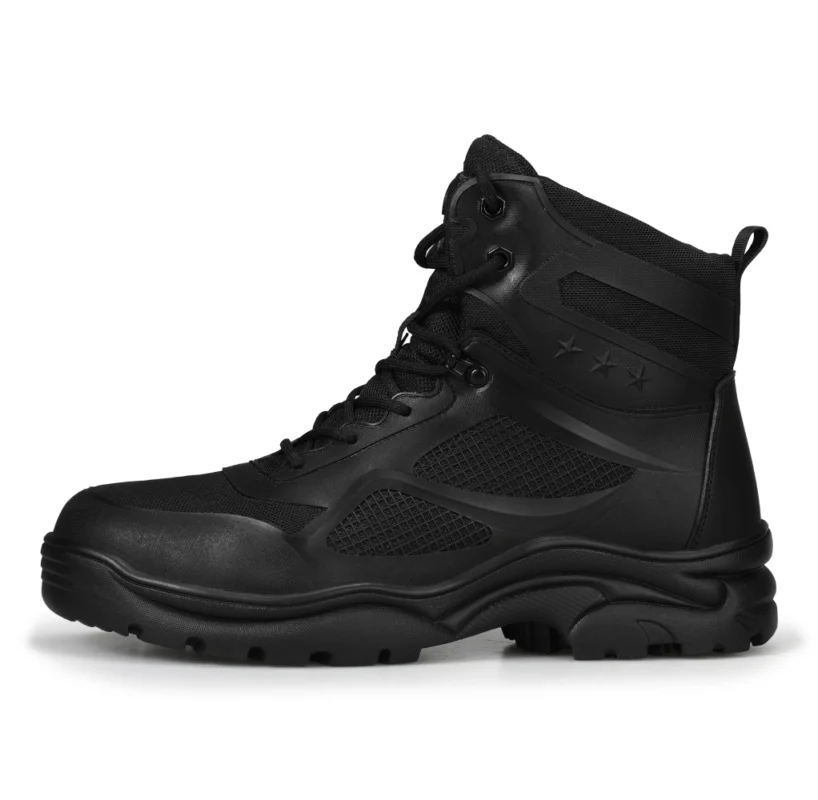
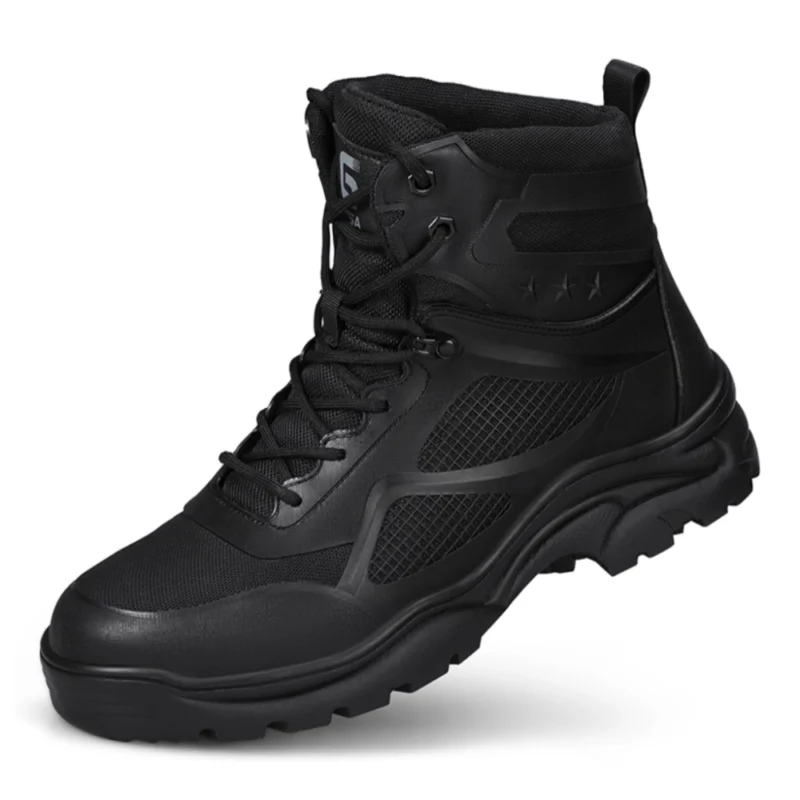
Ankle support proves essential when carrying irrigation components across uneven ground. Mid-height and tall boot designs stabilize ankles and reduce injury risk during installation tasks. Padded collars prevent chafing during extended wear while maintaining secure fit.
Comfort and Safety Specifications
Cushioned insoles with arch support reduce fatigue during long days spent walking property perimeters and digging trenches. Removable insoles allow workers to use custom orthotics for personalized comfort. Moisture-wicking linings pull sweat away from skin, maintaining dry conditions inside the boot.
Electrical hazard protection becomes critical when working near pump systems, control panels, and automated irrigation equipment. Boots rated for electrical hazard protection provide insulation against accidental contact with live circuits. Chemical-resistant materials protect feet from fertilizers, pesticides, and water treatment solutions frequently encountered in irrigation environments.
Selecting the Right Irrigation Technician Boots
Proper fit determines both comfort and safety performance. Irrigation boots should allow space for thick moisture-wicking socks while providing snug heel and ankle support. Test boots by walking on inclines and checking for heel slippage. Toes should not touch the front of the boot when standing.
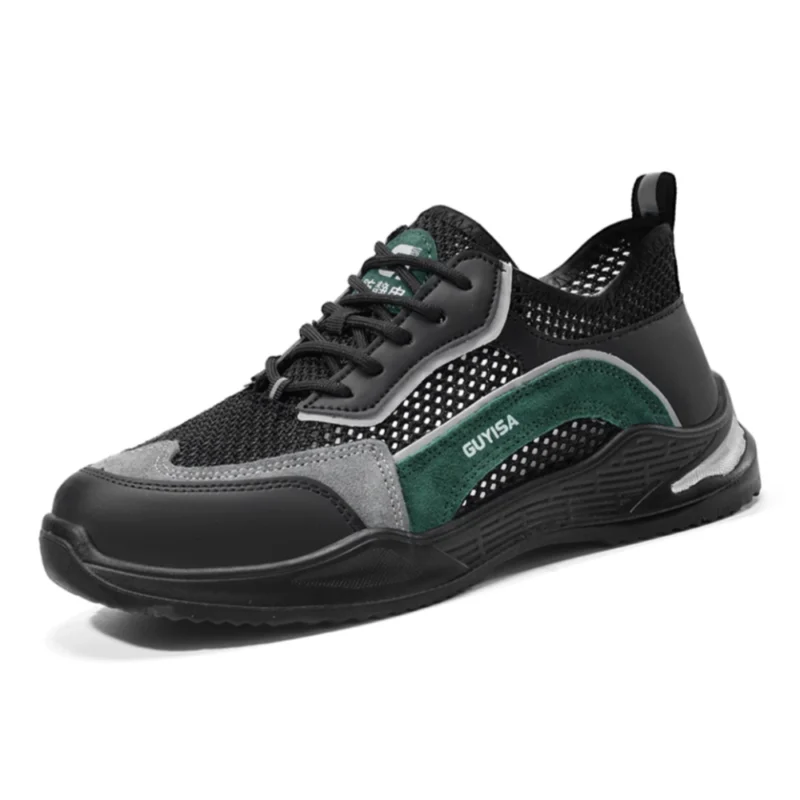
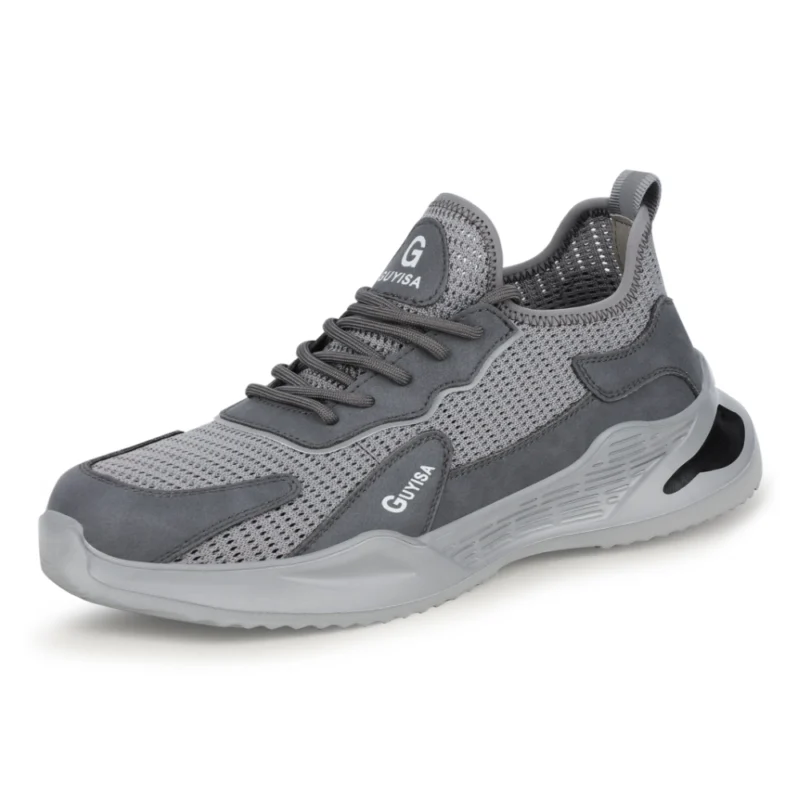
Consider work environment specifics when choosing between boots and shoes. Full boots offer maximum protection in deep mud and standing water. Low-cut safety shoes provide adequate protection for maintenance tasks in drier conditions while offering better breathability during warm weather.
Maintenance for Extended Footwear Life
Clean irrigation technician boots after each shift to remove mud, chemicals, and organic debris. Allow boots to air dry away from direct heat sources. Apply waterproofing treatments every few weeks to maintain protective barriers. Inspect stitching, soles, and safety features regularly. Replace boots when waterproofing fails, soles wear smooth, or safety toe protection shows damage.
Quality irrigation footwear represents an investment in safety, comfort, and job performance. Proper selection and maintenance deliver years of reliable protection in demanding outdoor conditions.