Marine Engineer Boots and Shoes: Essential Safety Footwear for Maritime Professionals
Marine engineer boots and shoes provide critical protection for professionals who work on vessels and in maritime environments. These specialized footwear options combine multiple safety features with comfort to support workers during long shifts at sea. The unique demands of marine engineering require footwear that addresses specific hazards while maintaining durability in extreme conditions.
Understanding the Safety Requirements for Marine Engineer Footwear
Workers face distinct hazards on ships and offshore platforms that standard work boots cannot adequately address. Water exposure, slippery decks, heavy machinery, and electrical risks require footwear that meets international safety standards. Marine engineer boots feature slip-resistant outsoles that grip wet surfaces effectively, reducing fall risks on metal decks coated with water, fuel, or oil. Steel or composite toe caps protect feet from falling objects and compression injuries common in tight engine room spaces. Many models include electrical hazard protection to guard against shocks in technical areas where workers handle electrical systems and components.
The construction of marine engineer shoes prioritizes both protection and practicality. Puncture-resistant midsoles prevent sharp objects from penetrating the sole, protecting workers who navigate areas with metal debris and tools. Ankle support in high-top designs stabilizes joints during climbing and movement on unstable surfaces.
Key Features That Define Quality Marine Engineer Boots
Quality marine footwear uses water-resistant or waterproof materials to keep feet dry during extended wear in wet environments. The construction prevents water penetration through sealed seams and waterproof membranes while allowing moisture vapor to escape. This breathability reduces discomfort during physical work and prevents bacterial growth that causes odor and skin problems.
Marine engineers need footwear that withstands harsh conditions without degrading quickly. Heat-resistant materials protect against hot surfaces in engine compartments where temperatures exceed normal ranges. Chemical-resistant options defend against fuel, oil, hydraulic fluids, and cleaning agents commonly found in maritime settings. Reinforced stitching and durable leather or synthetic uppers extend the lifespan of each pair, providing better value over time.
Choosing Between Marine Engineer Boots and Shoes
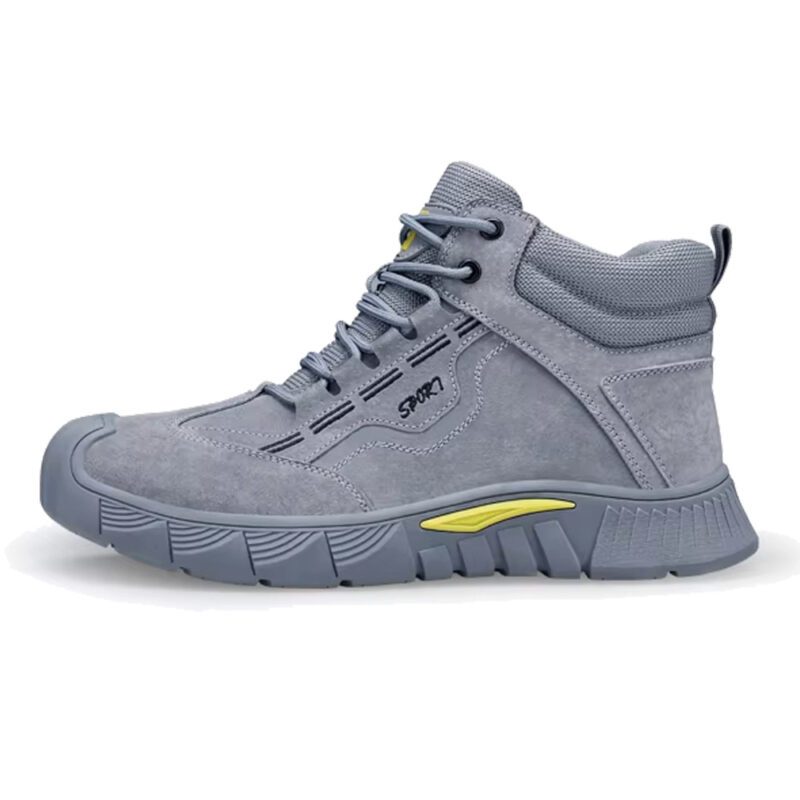
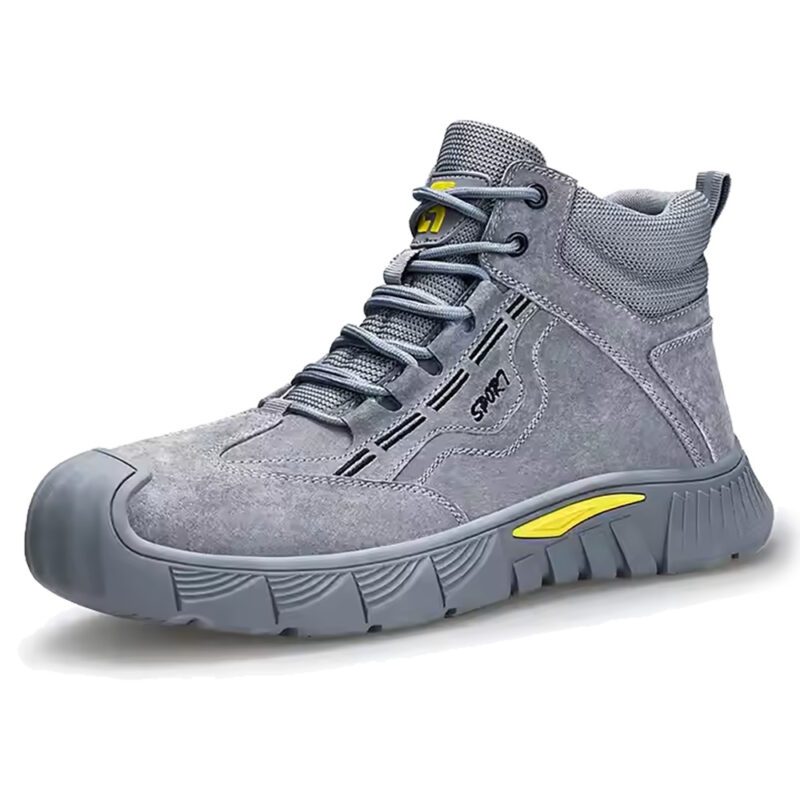
Modern marine engineer footwear comes in various styles to match different job requirements and personal preferences. High-top boots offer maximum ankle support and protection, making them suitable for workers who climb ladders frequently or work in areas with significant water exposure. The extended height prevents water from entering the boot and provides additional support during physical tasks.
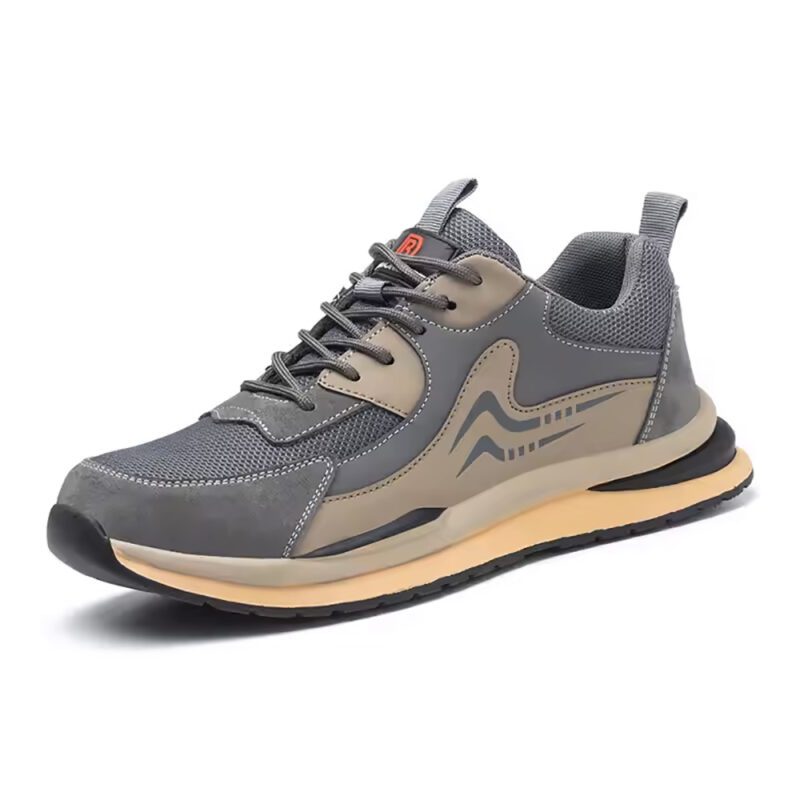
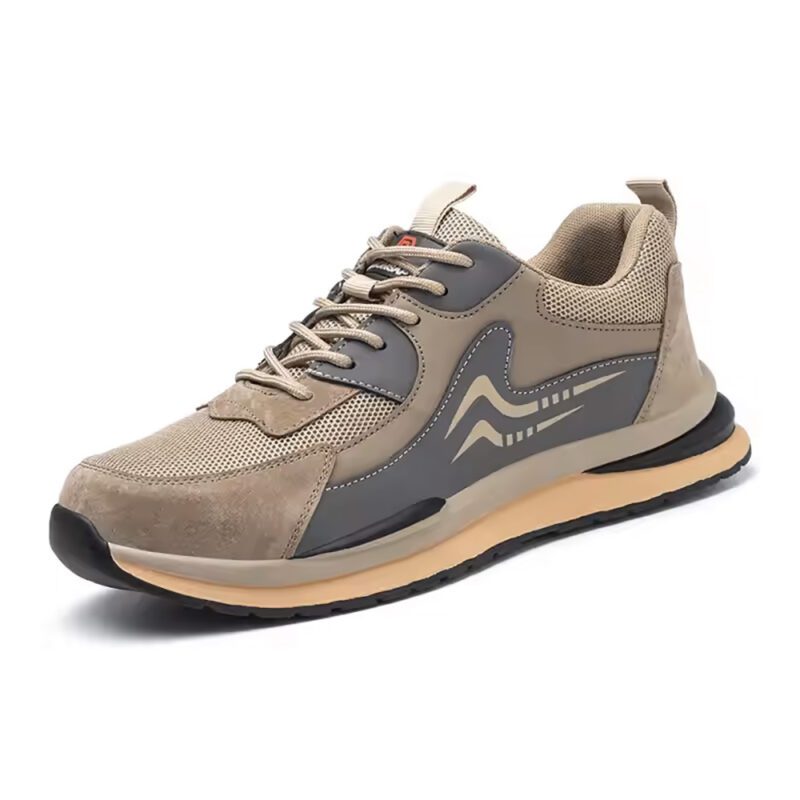
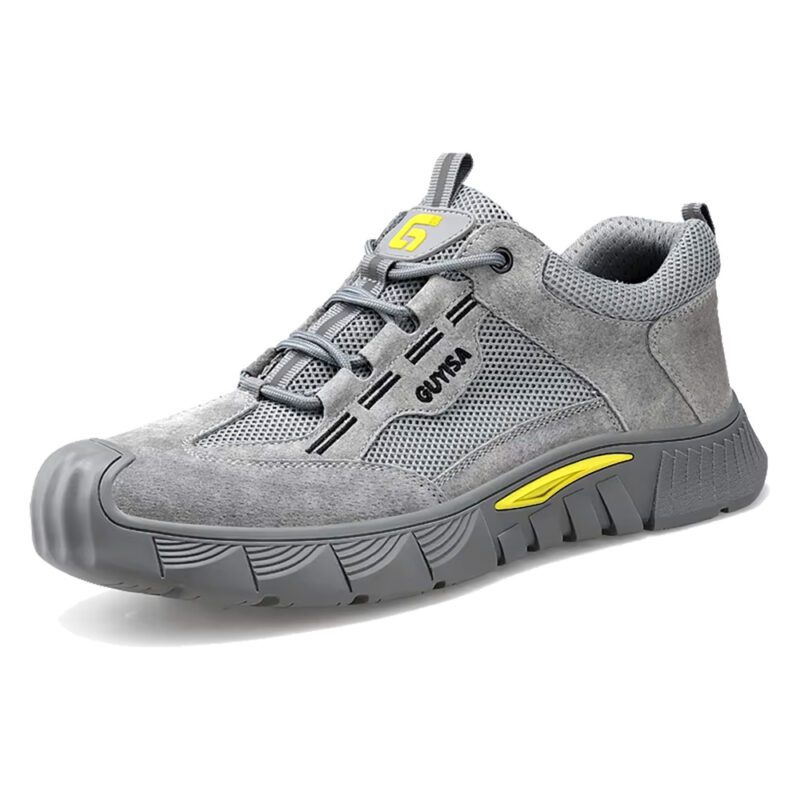
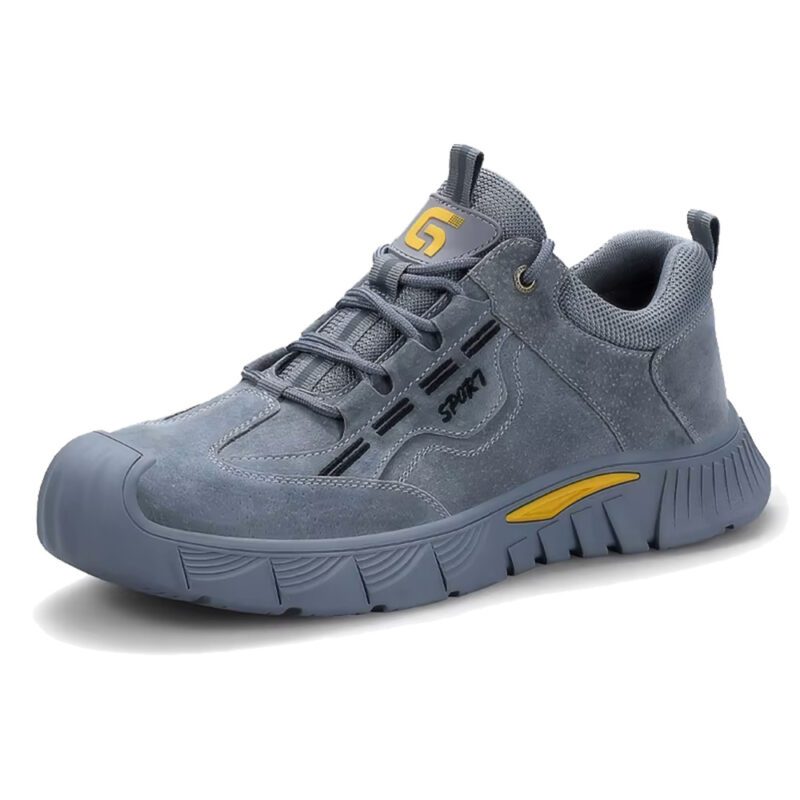
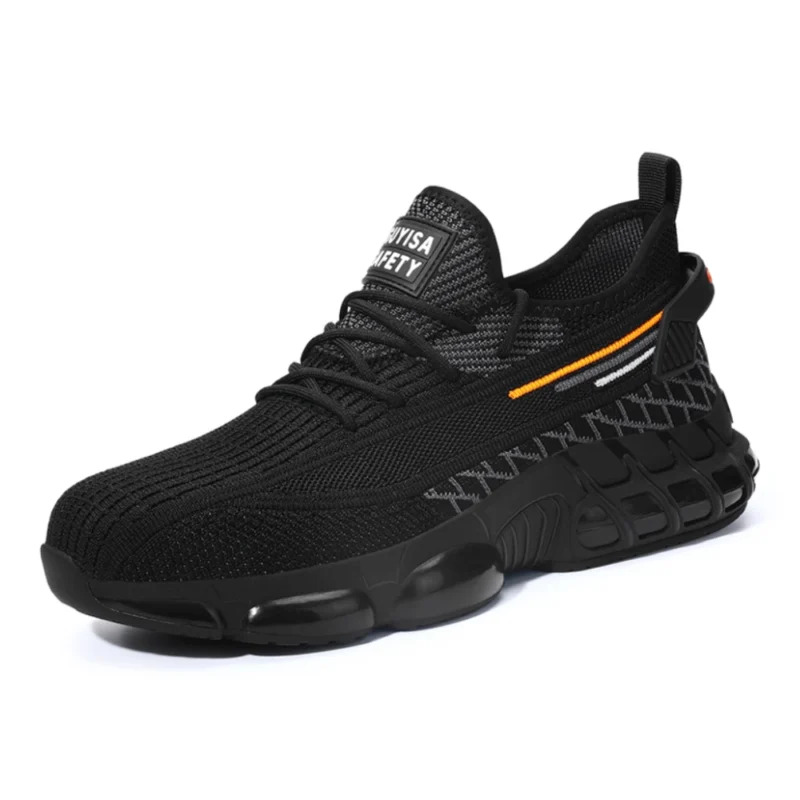
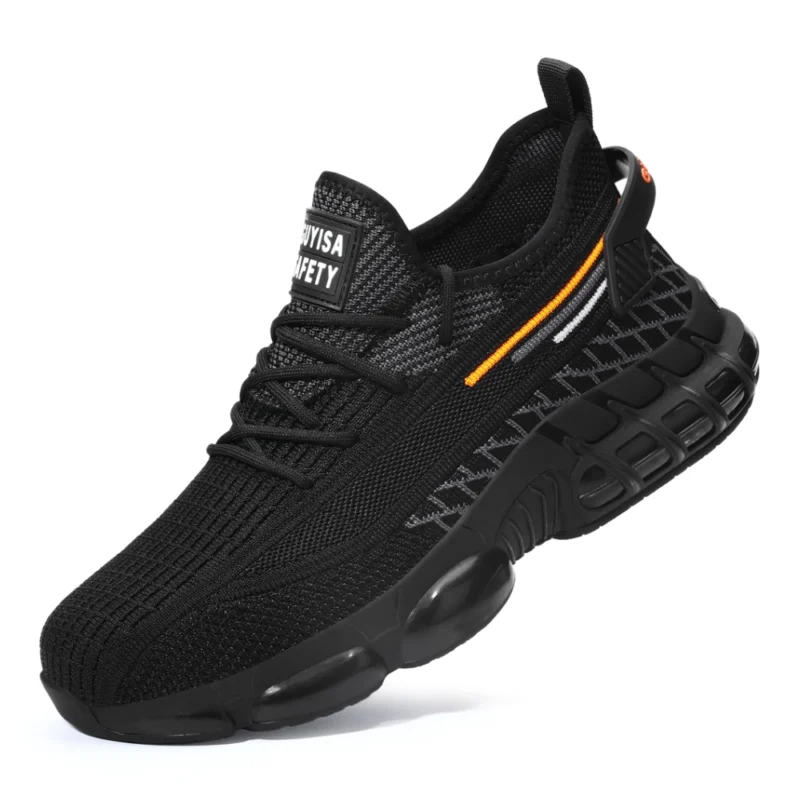
Low-cut marine engineer shoes provide greater flexibility for technical tasks that require precision and movement. These designs work well for professionals who spend more time at control panels and technical stations rather than performing heavy physical labor. Both styles maintain safety certifications while offering improved comfort features compared to older industrial footwear designs.
The Impact of Proper Marine Footwear on Performance
Proper footwear directly impacts safety and performance at sea. Cushioned insoles and ergonomic designs support feet during climbing, standing, and walking on hard metal surfaces for extended periods. This support reduces fatigue and prevents chronic foot problems that affect long-term health. Workers who wear appropriate marine engineer boots report fewer injuries and greater comfort during shifts.
Investing in quality marine engineer boots and shoes reduces injury risk and increases productivity during demanding maritime operations. The right footwear helps professionals focus on their technical responsibilities without distraction from foot pain or safety concerns.