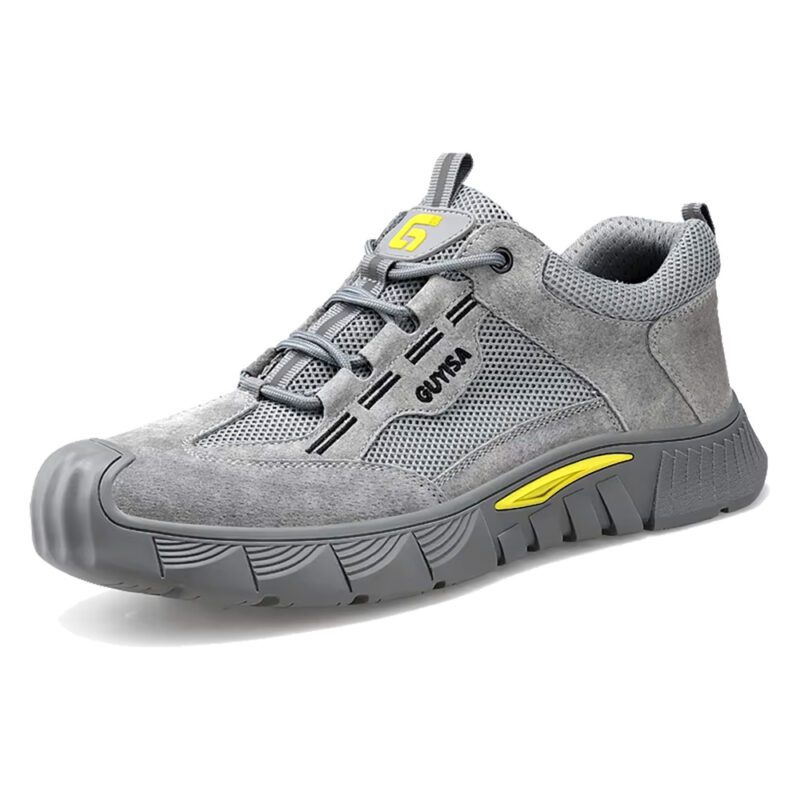
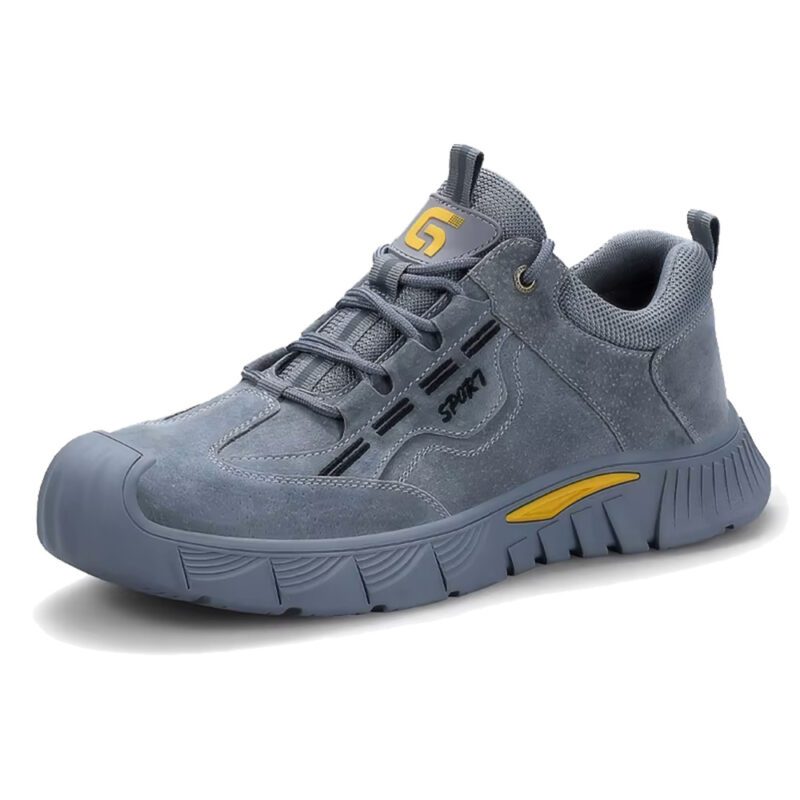
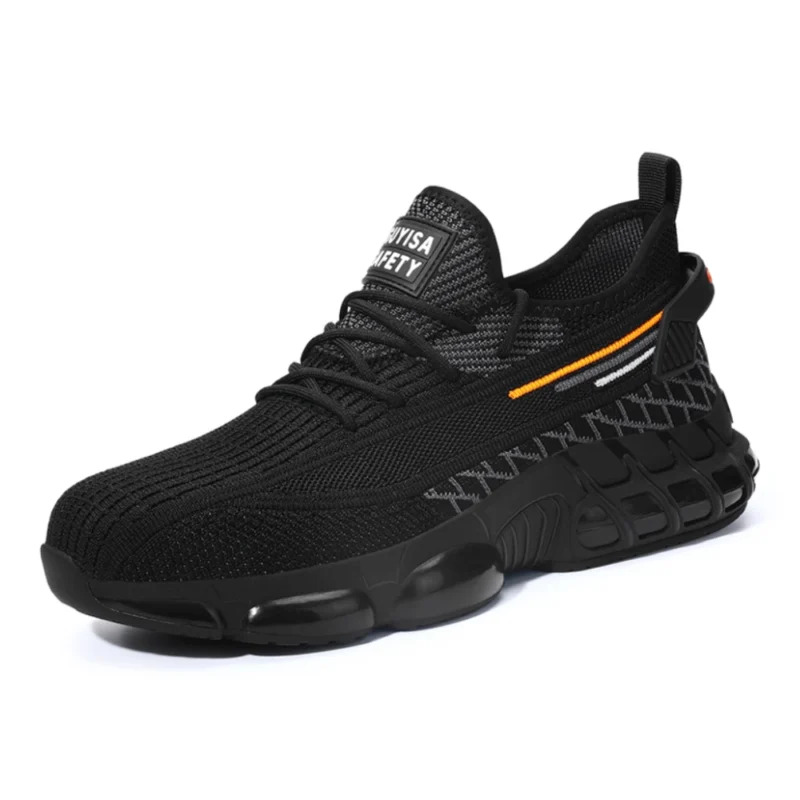
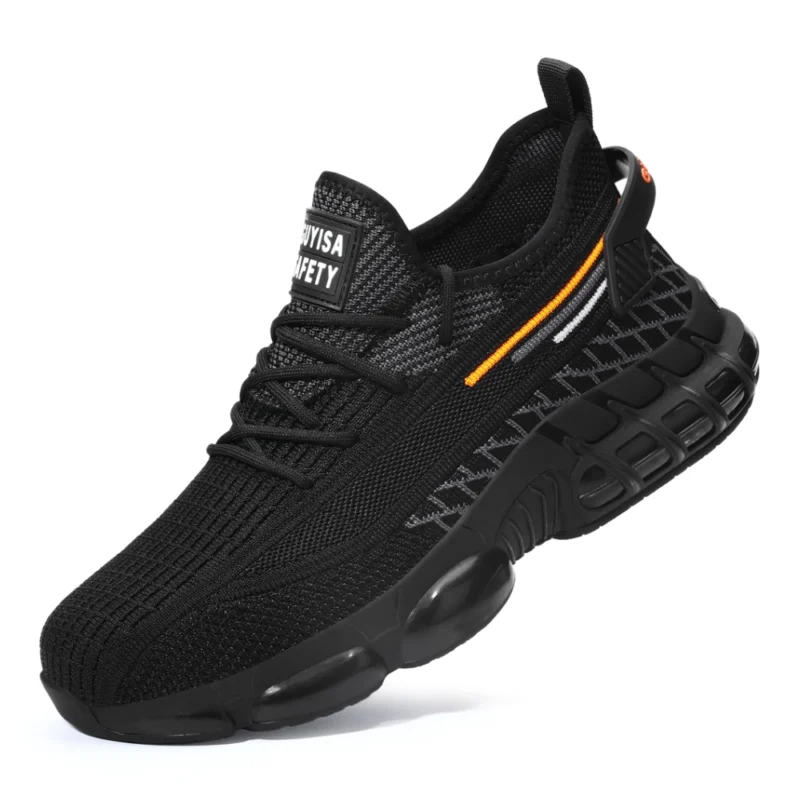
Marine Technician Boots and Shoes: Essential Protection for Maritime Professionals
Marine technician boots and shoes provide essential protection for professionals who work on vessels, docks, and marine equipment. These specialized footwear options combine safety features with practical design elements that address the unique challenges of maritime environments. Workers who maintain and repair boats, ships, and offshore structures require footwear that performs reliably in demanding conditions.
Safety Features That Matter for Marine Technicians
Workers face multiple hazards in marine settings, including slippery wet surfaces, heavy machinery, falling objects, and exposure to oils and chemicals. Quality marine technician footwear addresses these risks through slip-resistant outsoles that maintain grip on wet decks, steel or composite toe caps that protect against impact and compression, and waterproof materials that keep feet dry during long shifts.
Electrical hazard protection proves critical when working near power systems on boats and ships. Many marine technician boots include this safety feature, which prevents electric shock by insulating workers from ground currents. This protection becomes particularly important when handling electrical components in damp environments where conductivity increases.
Construction and Durability Standards
The construction of marine technician boots emphasizes durability and comfort. Manufacturers use materials that resist saltwater corrosion and chemical damage while providing adequate support for workers who spend hours standing or walking on hard surfaces. Leather, synthetic materials, and rubber compounds undergo special treatments to withstand harsh marine conditions without deteriorating quickly.
Reinforced stitching and sealed seams prevent water penetration at vulnerable points. The toe boxes receive additional reinforcement to extend the life of the boot in areas that experience the most wear. These construction methods ensure that marine technician shoes maintain their protective qualities throughout extended use cycles.
Design Options for Different Marine Tasks
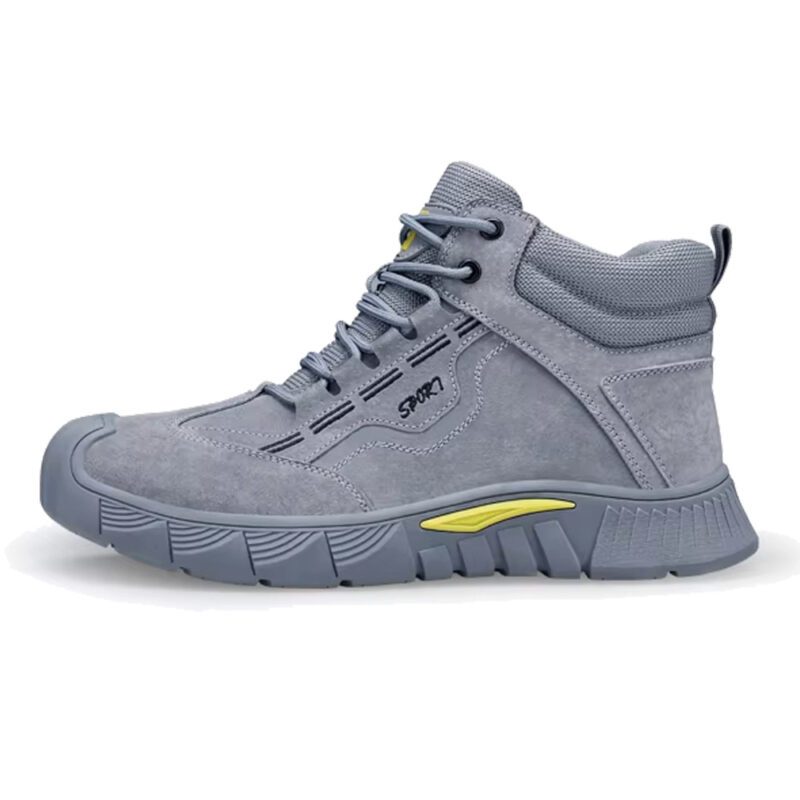
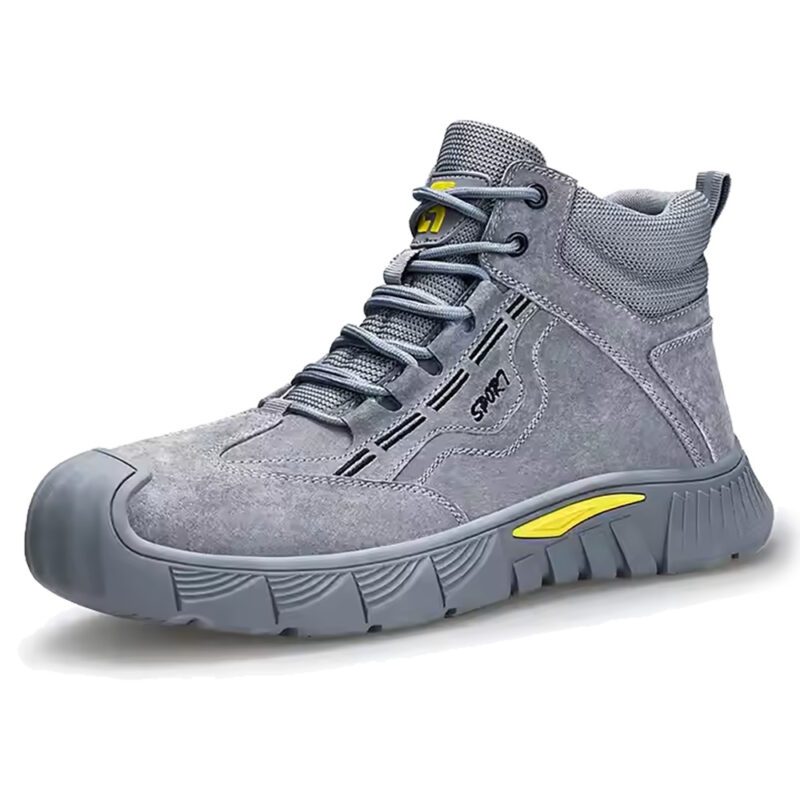
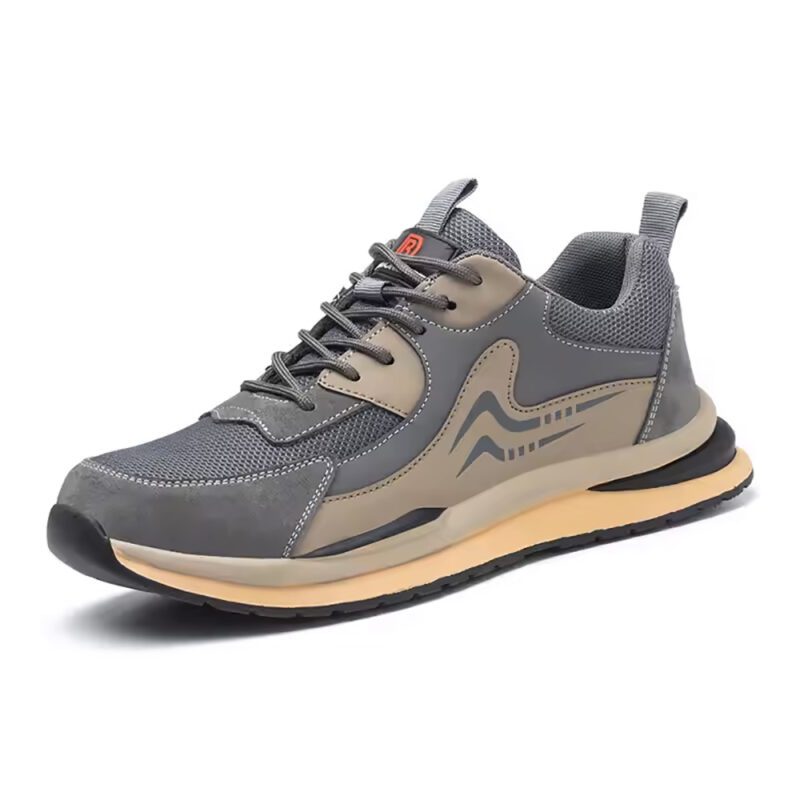
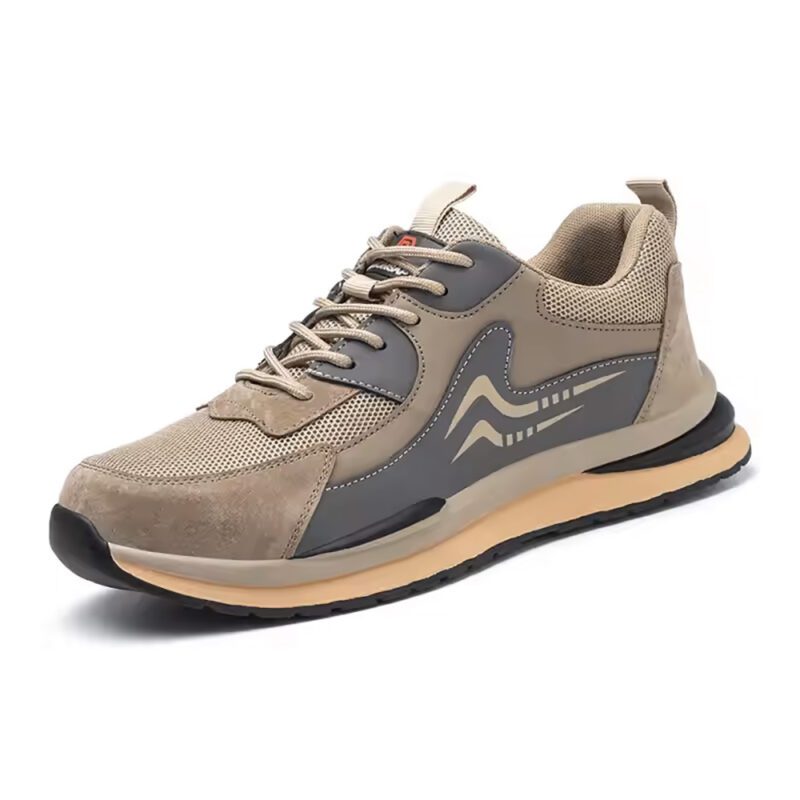
Marine technicians benefit from footwear that offers ankle support and stability on uneven surfaces. High-top boot designs prevent ankle injuries, while low-cut shoe options provide flexibility for tasks requiring increased mobility. Both styles incorporate cushioned insoles and shock-absorbing midsoles to reduce fatigue during extended work periods.
Workers can select from various height options based on their specific job requirements. Mid-height boots offer a balance between ankle protection and ease of movement. Each design category serves different needs within the marine technician profession, from engine room maintenance to deck repair work.
Comfort Features for Long Work Shifts
Breathable linings help regulate temperature and manage moisture inside the boot, preventing discomfort and reducing the risk of fungal infections. Quick-drying materials ensure that footwear remains functional even after exposure to water. Moisture-wicking technology pulls sweat away from the skin, maintaining a healthier environment inside the boot.
Removable insoles allow workers to customize their comfort level or replace worn cushioning without discarding the entire boot. Padded collars and tongues reduce pressure points that can cause blisters during break-in periods. These comfort features directly impact how long workers can perform their duties without experiencing foot pain or fatigue.
Performance Benefits and Injury Prevention
Proper marine technician footwear extends beyond basic safety compliance. It directly impacts work performance, reduces injury rates, and increases overall job satisfaction. Investing in quality boots or shoes designed specifically for marine environments protects workers while enabling them to perform their duties effectively across various marine maintenance and repair tasks.
Workers who wear appropriate marine technician boots experience fewer slip and fall accidents, which represent the most common injuries in maritime settings. The combination of protective features, comfort technology, and durable construction creates footwear that supports both safety and productivity on every job site.