
Most Comfortable Work Shoes for Men

Foot pain costs workers millions of productive hours every year. The right pair of work shoes prevents fatigue, protects joints, and keeps you focused on the job. This guide covers everything you need to know to find the most comfortable work shoes for men, from how the industry evolved to the exact specs you should check before buying.
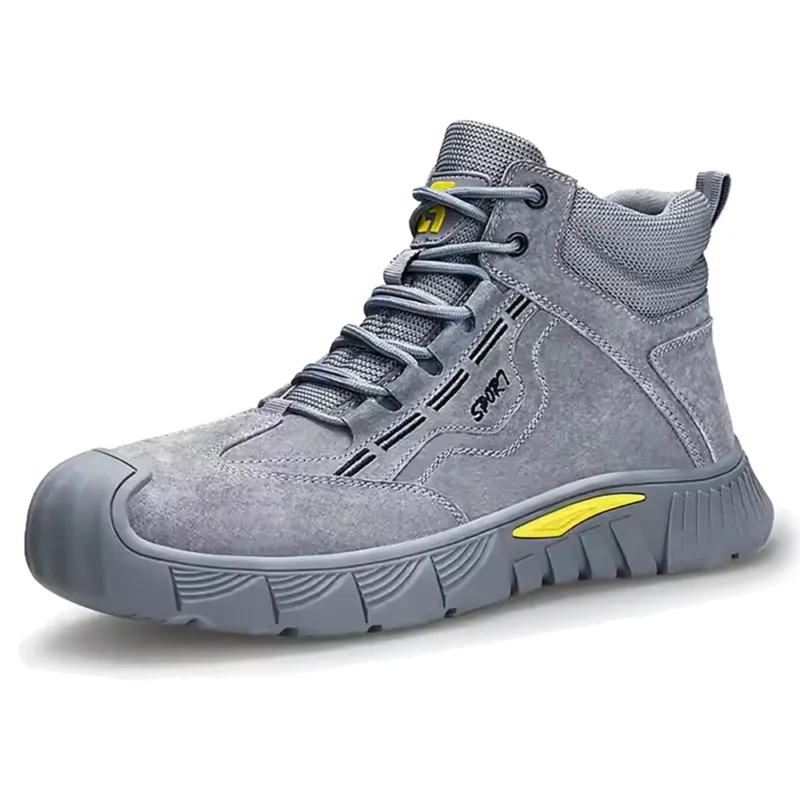
When your workday involves heavy machinery, falling objects, and unforgiving terrain, the Birks Defender Kevlar Steel Toe Safety Work Boots stand ready to protect you through it all. These boots deliver the exceptional durability, reliable protection, and all-day comfort you need to tackle any challenge and get the job done right, every single time.
A Brief History of Men’s Work Footwear
Work footwear has a long history tied to industrial labor. In the early 1900s, most workers wore simple leather boots with minimal cushioning. Steel toes appeared in the 1930s as factories grew larger and heavier machinery became common.
The 1970s brought synthetic materials into the market. Manufacturers began using nylon, rubber composites, and foam midsoles. These materials reduced weight without sacrificing protection. By the 1990s, brands were applying athletic shoe technology to occupational footwear.
Today, work shoes blend advanced materials science with ergonomic design. Features like memory foam insoles, composite toe caps, and slip-resistant outsoles are standard in quality pairs. The focus has shifted from protection alone to full-day comfort combined with safety compliance.
Why Comfort Is a Technical Requirement, Not a Luxury
Standing or walking for eight or more hours places significant stress on the feet, ankles, knees, and lower back. Studies by occupational health researchers show that poor footwear contributes to musculoskeletal disorders over time.
Comfort in work shoes is not subjective. It is defined by measurable features:
- Arch support distributes weight evenly across the foot
- Shock absorption reduces impact force on joints
- Toe box width prevents nerve compression and blisters
- Collar padding protects the Achilles tendon during extended wear
- Breathability controls moisture, reducing skin irritation and odor
Each of these features has a direct impact on how your feet and body feel at the end of a shift.
Key Technical Specifications to Evaluate
Midsole Technology
The midsole sits between the insole and the outsole. It provides the bulk of cushioning. Look for:
- EVA foam (ethylene-vinyl acetate): lightweight, good shock absorption, widely used
- PU foam (polyurethane): denser and more durable than EVA, better for heavy-duty use
- Memory foam top layer: conforms to foot shape for a personalized fit
- Air or gel inserts: provide targeted pressure relief in heel and forefoot zones
Outsole Material and Tread Pattern
The outsole determines grip, durability, and slip resistance. Common materials include:
- Rubber: the gold standard for traction and durability
- TPU (thermoplastic polyurethane): harder and more abrasion-resistant than standard rubber
- Nitrile rubber: oil-resistant, used in industrial and kitchen environments
A multi-directional lug pattern handles wet and uneven surfaces better than a flat sole. Look for ASTM F2913 or EN ISO 13287 slip-resistance ratings when working on slick floors.
Toe Protection
Toe caps protect against falling objects and compression. The three main types are:
- Steel toe: maximum protection, heavier, conducts temperature
- Composite toe: lighter than steel, non-conductive, passes most safety standards
- Alloy toe: thin and light, good protection-to-weight ratio
For general professional environments with no heavy object risk, a soft toe shoe may be adequate and more comfortable. Always check your workplace’s safety requirements before choosing.
Upper Materials
The upper wraps the foot and affects breathability, waterproofing, and weight.
- Full-grain leather: durable, water-resistant, molds to the foot over time
- Nubuck leather: softer than full-grain, slightly less water-resistant
- Mesh panels: highly breathable, ideal for warm environments
- Waterproof membranes (e.g., Gore-Tex): keep feet dry in wet conditions, reduce breathability slightly
Work Shoe Types: Feature Comparison
| Type | Best For | Toe Protection | Comfort Level | Durability |
|---|---|---|---|---|
| Athletic Work Shoe | Light industrial, retail | Composite or soft | Very High | Moderate |
| Leather Work Boot | Construction, outdoor | Steel or composite | High | Very High |
| Oxford/Dress Work Shoe | Office, hospitality | Soft toe | High | Moderate |
| Slip-On / Clog | Healthcare, kitchen | Soft or composite | Very High | Moderate–High |
Top Features to Prioritize by Job Type
Standing and Walking Jobs (Retail, Warehousing, Healthcare)
Workers in these roles need maximum cushioning and arch support. Prioritize a thick EVA or PU midsole and a rocker sole design, which promotes a natural gait cycle and reduces forefoot fatigue.
- Choose shoes with removable insoles so you can swap in orthotics
- Look for a wide toe box to prevent crowding during prolonged standing
- Prioritize lightweight construction to reduce leg fatigue
Construction and Industrial Jobs
Protection is critical in these environments. Comfort depends on finding the right balance between protective features and weight management.
- ASTM F2413 compliance is required for most job sites
- A full-length steel shank provides midfoot support on uneven terrain
- Waterproof leather uppers with padded collars reduce friction injuries
When your workday involves heavy machinery, falling objects, and unforgiving terrain, the Birks Defender Kevlar Steel Toe Safety Work Boots stand ready to protect you through it all. These boots deliver the exceptional durability, reliable protection, and all-day comfort you need to tackle any challenge and get the job done right, every single time.
Office and Professional Environments
Dress-style work shoes must look sharp without sacrificing support. Look for:
- Leather-lined interiors that wick moisture and prevent odor
- A cushioned footbed hidden beneath a sleek silhouette
- A low heel (under 1 inch) to maintain neutral posture throughout the day
How to Get the Right Fit
A well-fitting work shoe prevents blisters, nerve compression, and joint pain. Follow these steps to find your correct size:
- Measure both feet in the afternoon when feet are at their largest
- Check width, not just length — most men need medium (D) or wide (2E) width
- Allow 10–12 mm of space between the longest toe and the end of the shoe
- Wear the socks you plan to use on the job during fitting
- Walk on a hard surface to test heel lockdown and arch support
- Check for pressure points across the ball of the foot and at the toe box
If your foot slides forward when walking downhill or descending stairs, the shoe is too large. A secure heel fit is critical for preventing blisters and reducing ankle fatigue.
The Break-In Period and What to Expect
Leather work shoes typically require a break-in period of one to three weeks. During this time, the leather softens and conforms to the shape of your foot. Rushing this process causes blisters.
To break in new work shoes:
- Wear them for two to three hours daily at first
- Use a quality leather conditioner to speed up softening
- Wear thick socks during the first week
- Apply moleskin padding to any pressure points you identify early
Synthetic and mesh shoes have minimal break-in periods and can often be worn for a full shift on day one.
Maintenance Tips to Extend Shoe Life and Comfort
Proper care preserves comfort and extends the functional life of your work shoes.
Daily Habits
- Remove shoes and allow them to air out for at least 24 hours between uses
- Wipe dirt and debris from the outsole after each shift
- Use cedar shoe trees in leather shoes to absorb moisture and maintain shape
Weekly and Monthly Care
- Clean leather uppers with a damp cloth and a leather-safe cleaner
- Condition leather shoes every two to four weeks with a beeswax or lanolin-based product
- Inspect outsoles for uneven wear, which indicates gait imbalance
- Replace insoles every three to six months, even if the outer shoe looks fine
When to Replace Your Work Shoes
Most quality work shoes last 12 to 18 months with daily use. Replace them when:
- The midsole compresses visibly and feels flat underfoot
- The outsole tread wears below 2 mm, reducing slip resistance
- The upper develops cracks, separation, or structural breakdown
- You notice increased foot, knee, or back pain after a shift
Summary: 7 Steps to Selecting the Most Comfortable Work Shoes
Use this checklist to guide your purchase decision.
- Define your job requirements — identify safety standards, hazards, and dress codes
- Choose the right shoe type — athletic, boot, dress, or slip-on based on your role
- Check the midsole technology — prioritize EVA or PU foam with a memory foam top layer
- Verify toe protection rating — match the toe cap to actual workplace risks
- Inspect the outsole — confirm slip-resistance certification if your floor surface is wet or oily
- Get a proper fit — measure both feet in the afternoon and account for sock thickness
- Plan for maintenance — budget for insole replacement every six months and shoe replacement annually
The most comfortable work shoes for men combine evidence-based cushioning technology with the right fit for your specific job demands. Investing in quality footwear is one of the most effective ways to protect your long-term musculoskeletal health, reduce end-of-day fatigue, and perform at your best on the job.
When your workday involves heavy machinery, falling objects, and unforgiving terrain, the Birks Defender Kevlar Steel Toe Safety Work Boots stand ready to protect you through it all. These boots deliver the exceptional durability, reliable protection, and all-day comfort you need to tackle any challenge and get the job done right, every single time.
