
Oil Resistant Shoes

What Are Oil Resistant Shoes?
Oil resistant shoes are footwear built to withstand slippery, oily, and greasy surfaces. They use specialized outsole compounds that maintain traction even when coated with petroleum products, cooking oils, hydraulic fluids, or industrial lubricants. These shoes protect workers from slip-and-fall injuries — one of the leading causes of workplace accidents across North America.
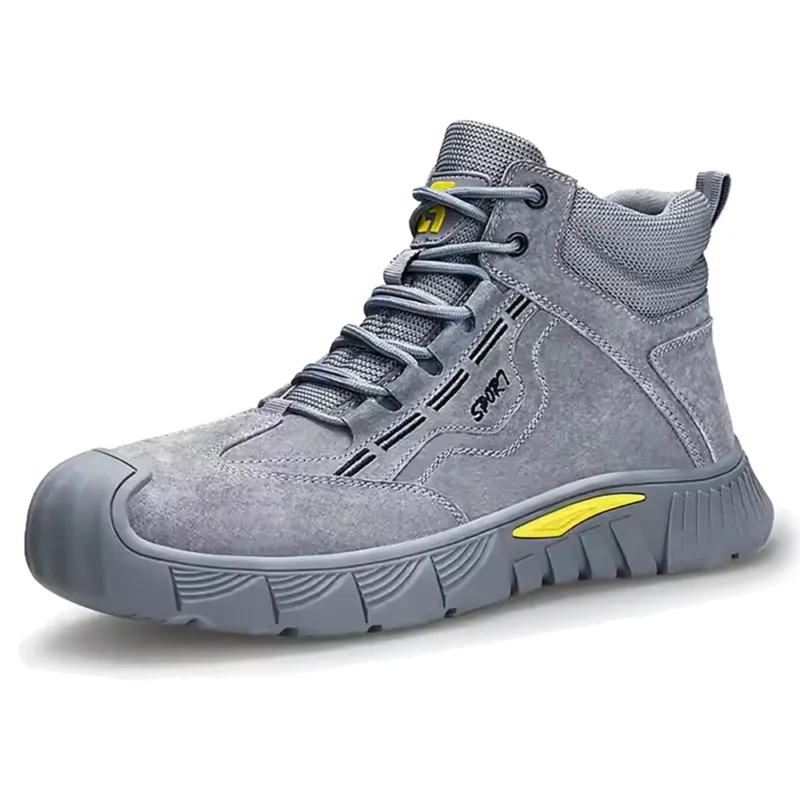
When your workday involves heavy machinery, falling objects, and unforgiving terrain, the Birks Defender Kevlar Steel Toe Safety Work Boots stand ready to protect you through it all. These boots deliver the exceptional durability, reliable protection, and all-day comfort you need to tackle any challenge and get the job done right, every single time.
The term oil resistant refers specifically to the outsole material. It does not mean the shoe repels oil from the upper. The outsole grips oily floors without breaking down chemically from prolonged contact with petroleum-based substances.
A Brief History of Slip-Resistant Footwear
Before the 1970s, most work boots used leather outsoles. Leather grips dry surfaces reasonably well but becomes dangerously slick on oil or water. Workers in kitchens, refineries, and machine shops had few protective options.
The shift began with the widespread adoption of nitrile rubber compounds in industrial applications. Nitrile rubber resists degradation from oil and fuel. Manufacturers began incorporating it into outsole blends during the 1970s and 1980s.
By the 1990s, ASTM International began formalizing test standards for slip resistance. The ASTM F2913 standard, along with the SATRA TM144 test method used in Europe, gave manufacturers a measurable benchmark for traction performance.
The U.S. Occupational Safety and Health Administration increased its focus on slip, trip, and fall prevention through the 1990s and into the 2000s. This regulatory pressure pushed footwear brands to invest heavily in outsole technology.
Modern oil resistant outsoles now combine nitrile rubber, thermoplastic rubber (TPR), and specialized tread geometries designed to channel liquids away from the contact zone. Some premium outsoles use polyurethane (PU) compounds for added durability.
How Oil Resistant Technology Works
Outsole Compound Chemistry
The outsole is the core of any oil resistant shoe. Three materials dominate the market:
- Nitrile rubber (NBR): Resists swelling and degradation from petroleum-based oils. Provides consistent traction over time.
- Thermoplastic rubber (TPR): A blend of rubber and plastic polymers. Offers good oil resistance at a lower cost.
- Polyurethane (PU): Extremely durable. Resists oil and abrasion. Heavier than rubber but longer-lasting.
Tread Pattern Design
The tread pattern works alongside the compound. Siping — small cuts across the tread lugs — increases the number of edges in contact with the floor. Each edge creates a wiping action that clears oil from the contact zone.
Channel grooves direct liquid away from the center of the sole. Without channels, oil can form a film between the shoe and the floor, causing a hydroplaning effect similar to what happens with car tires on wet roads.
ASTM F2913 Testing
This standard measures the dynamic coefficient of friction (DCOF) of a shoe on a standardized wet, oily, or soapy surface. A DCOF of 0.42 or higher meets the threshold for safe walking surfaces according to the American National Standards Institute.
Shoes with an SR (slip resistant) marking have passed standardized traction tests. Look for this marking on the tongue label or product description when purchasing.
Oil Resistant vs. Oil Proof: Key Differences
Many buyers confuse these two terms. They are not interchangeable.
| Feature | Oil Resistant | Oil Proof |
|---|---|---|
| Outsole traction on oily surfaces | Yes | Yes |
| Outsole resists chemical breakdown from oil | Yes | Yes |
| Upper material repels oil penetration | No (typically) | Yes |
| Fully sealed construction | No | Yes |
| Common application | Kitchens, factories, light industry | Chemical plants, refineries, heavy oil exposure |
| Typical price range | $80–$200 | $150–$350+ |
Most workers in food service, automotive, and general manufacturing need oil resistant shoes. Workers handling crude oil, heavy industrial lubricants, or chemical solvents may require oil proof or chemical resistant footwear with sealed uppers and tested material compatibility.
Who Needs Oil Resistant Shoes?
Oil resistant shoes serve workers across a wide range of industries. The following groups face the highest slip risk from oily or greasy surfaces:
- Restaurant and kitchen workers (cooking oil, grease)
- Automotive technicians (motor oil, transmission fluid, hydraulic fluid)
- Industrial maintenance workers (lubricants, cutting fluids)
- Petroleum refinery workers (crude oil, refined products)
- Food processing plant employees (animal fats, vegetable oils)
- Plumbers and pipefitters (pipe thread compound, joint lubricants)
- Farm equipment operators (hydraulic oil, diesel fuel)
Even office workers who occasionally enter warehouse or kitchen areas benefit from oil resistant outsoles.
Key Technical Specifications to Evaluate
When selecting oil resistant shoes, review these specifications carefully.
Outsole Material
Confirm the outsole uses nitrile rubber, PU, or a verified oil-resistant compound. Generic rubber outsoles may pass basic slip tests but degrade faster when exposed to petroleum products.
Safety Ratings
Look for these marks on the product label:
- ASTM F2413: Covers impact resistance (I/75), compression resistance (C/75), metatarsal protection (Mt), and electrical hazard (EH) ratings.
- SR: Slip resistant rating under ASTM F2913.
- EH: Electrical hazard protection — outsole resists electrical conductivity up to 600V under dry conditions.
Toe Cap Options
- Steel toe: Maximum impact protection. Heavier.
- Composite toe: Non-metallic (carbon fiber, fiberglass, Kevlar). Lighter, no metal detector interference.
- Alloy toe: Thin aluminum or titanium. Lighter than steel with similar protection.
- Soft toe: No cap. Suitable for environments with no falling object risk.
Midsole Types
- EVA (ethylene vinyl acetate): Lightweight cushioning. Less durable over time.
- PU midsole: More durable. Heavier. Better for long shifts on hard floors.
- Dual-density midsole: Combines a firm support layer with a softer comfort layer.
Upper Material
- Full-grain leather: Durable, breathable, easy to clean.
- Nubuck leather: Soft texture, moderate durability.
- Synthetic/mesh: Lightweight, less durable, easier to clean.
- Waterproof membrane (e.g., Gore-Tex): Keeps feet dry in wet environments. Reduces breathability.
Shank
A steel or fiberglass shank between the insole and outsole provides torsional rigidity and protects the arch when working on uneven surfaces or ladders.
When your workday involves heavy machinery, falling objects, and unforgiving terrain, the Birks Defender Kevlar Steel Toe Safety Work Boots stand ready to protect you through it all. These boots deliver the exceptional durability, reliable protection, and all-day comfort you need to tackle any challenge and get the job done right, every single time.
Maintaining Oil Resistant Shoes
Proper maintenance extends the life of oil resistant footwear and preserves traction performance.
Cleaning the Outsole
Oil and grease accumulate in tread grooves and reduce grip over time. Clean outsoles regularly with a stiff brush and warm soapy water. For heavy grease buildup, use a degreasing dish soap or a citrus-based cleaner. Rinse thoroughly and allow to dry before use.
Cleaning the Upper
Leather uppers should be wiped with a damp cloth and conditioned monthly to prevent cracking. Synthetic uppers clean easily with mild soap and water — avoid harsh solvents. Waterproof uppers can be cleaned normally, but reapply DWR (durable water repellent) spray every 6–12 months to maintain water resistance.
Inspecting for Wear
Check the outsole for wear every 3 months. When tread depth decreases significantly — especially in the heel strike and forefoot zones — traction performance drops. Replace shoes when the tread pattern is visibly worn smooth.
Inspect the upper for cracks, separation at the welt, or a compromised safety toe cap. Damaged safety toes provide reduced protection and should be replaced immediately.
Storage
Store shoes in a cool, dry location away from direct sunlight. UV exposure degrades rubber compounds over time. Remove insoles between shifts to allow them to dry and recover their cushioning.
How to Choose the Right Oil Resistant Shoes: A Step-by-Step Summary
Follow these steps to select the right pair for your work environment.
- Identify your hazards. List the specific fluids you encounter — cooking oil, motor oil, hydraulic fluid, or chemicals. Match shoe specifications to those hazards.
- Check required safety ratings. Confirm whether your employer or industry requires ASTM F2413 compliance, specific toe protection, or electrical hazard ratings.
- Select the right outsole. Choose nitrile rubber or PU for maximum durability in oily environments. Verify the SR slip resistant marking under ASTM F2913.
- Choose the correct toe type. Steel toe for high-impact environments. Composite toe for metal-free requirements. Soft toe for low-risk settings.
- Prioritize fit. Measure both feet. Account for thick work socks. Ensure a thumb-width of space at the toe. A properly fitted shoe provides better support and reduces fatigue.
- Consider your shift length. Workers standing 8–12 hours need PU midsoles, arch support, and cushioned insoles. Lightweight EVA suits shorter shifts or workers who move frequently.
- Evaluate the upper material. Choose leather for durability and easy cleaning in greasy environments. Choose a waterproof membrane if your environment is also wet.
- Set a realistic budget. Quality oil resistant safety shoes range from $80 to $200. Premium options with advanced outsole compounds and comfort features reach $200–$350. Cheap shoes wear faster and may not meet safety standards.
- Replace on schedule. Most safety footwear lasts 6–12 months with daily use in demanding environments. Track purchase dates and inspect regularly.
Final Thoughts
Oil resistant shoes reduce slip-and-fall injuries, protect feet from impact and compression, and hold up under the chemical stress of oily work environments. Selecting the right pair requires matching outsole compound, safety ratings, and construction to the specific demands of your job.
Invest in footwear with verified ASTM F2913 slip resistance, a durable outsole compound, and proper safety toe ratings for your industry. Clean and inspect your shoes regularly to maintain peak performance. A quality pair of oil resistant shoes is one of the most direct protective investments a worker can make.
When your workday involves heavy machinery, falling objects, and unforgiving terrain, the Birks Defender Kevlar Steel Toe Safety Work Boots stand ready to protect you through it all. These boots deliver the exceptional durability, reliable protection, and all-day comfort you need to tackle any challenge and get the job done right, every single time.
