Ramp Agent Boots and Shoes: Essential Safety Footwear for Aviation Ground Crew
Ramp Agent Boots and Shoes provide critical protection for aviation ground personnel who perform aircraft servicing, baggage handling, and equipment operation on airport tarmacs. These specialized safety footwear products meet rigorous industry standards required in demanding airport environments where workers encounter multiple hazards throughout their shifts.
Airport ramp operations expose workers to dangers that standard work boots cannot adequately address. Ground crew members load and unload cargo, marshal aircraft, fuel planes, and operate heavy machinery in conditions that change by the hour. Professional ramp agent footwear addresses these specific challenges with features that protect, support, and perform under pressure.
Safety Features That Protect Ramp Agents
Safety certifications form the foundation of quality ramp agent boots and shoes. ASTM F2413 standards mandate specific protection levels that footwear must achieve. Steel toe caps guard against impact from falling luggage, cargo containers, and equipment parts weighing up to 200 pounds. Composite toe alternatives offer similar protection with reduced weight and no metal content, which speeds up security screenings.
Slip-resistant outsoles prove vital on surfaces coated with jet fuel, hydraulic fluid, de-icing chemicals, and rainwater. Specialized rubber compounds maintain traction across wet concrete, oil-slicked asphalt, and ice-covered pavement. Deep tread patterns channel liquids away from contact points to prevent dangerous slips.
Puncture-resistant midsoles stop sharp objects from penetrating the sole. Ramp areas contain metal debris, broken glass, wire fragments, and other hazards that can pierce standard footwear. Kevlar or steel plates embedded in the midsole create a protective barrier without sacrificing flexibility.
Electrical hazard protection matters near ground power units, maintenance equipment, and other electrical systems. Certified EH-rated boots and shoes provide insulation against electrical shocks up to 600 volts in dry conditions.
Comfort and Durability for Long Shifts
Ramp agents walk 10-15 miles per shift across concrete and asphalt surfaces. Cushioned insoles with arch support reduce foot fatigue and prevent plantar fasciitis. Memory foam and gel inserts absorb shock from constant walking and standing. Moisture-wicking linings pull sweat away from skin to prevent blisters and fungal infections.
Temperature regulation keeps feet comfortable across seasonal extremes. Insulated boots protect against cold weather, ice, and snow during winter operations. Breathable mesh panels allow air circulation during hot summer months. Waterproof membranes keep feet dry in rain and snow while allowing vapor to escape.
Ankle support prevents sprains when workers step off equipment, climb aircraft stairs, or walk across uneven surfaces. High-cut boots provide maximum support and protection. The collar height shields ankles from impacts and provides stability on irregular terrain.
Material selection affects durability and chemical resistance. Full-grain leather withstands fuel exposure, abrasion, and daily wear better than synthetic alternatives. However, modern synthetic materials offer lighter weight, faster drying times, and comparable durability. Many premium ramp agent boots combine leather exteriors with synthetic linings for optimal performance.
Choosing Between Boots and Shoes for Ramp Work
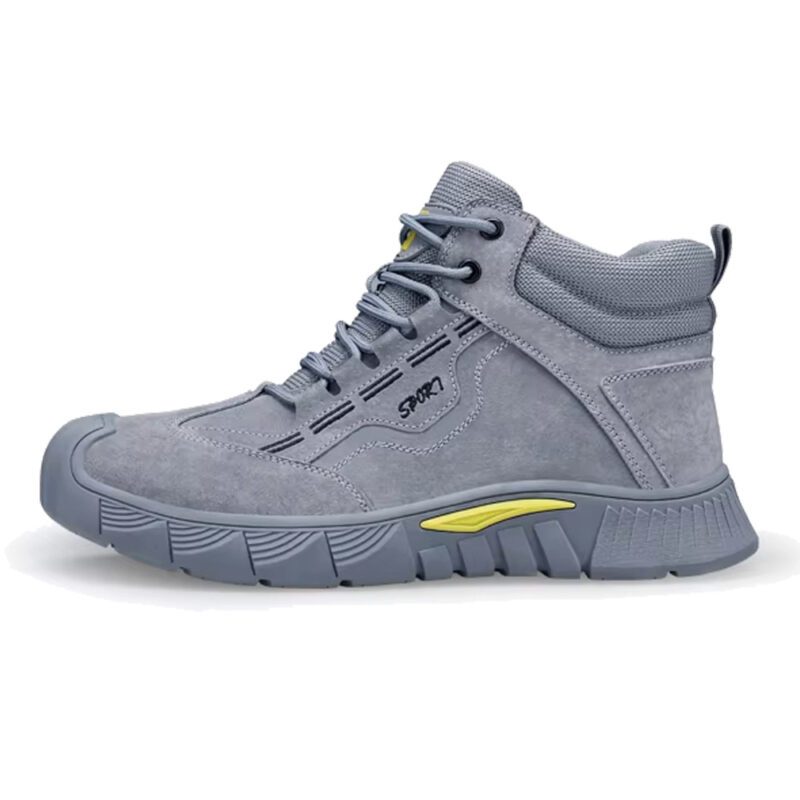
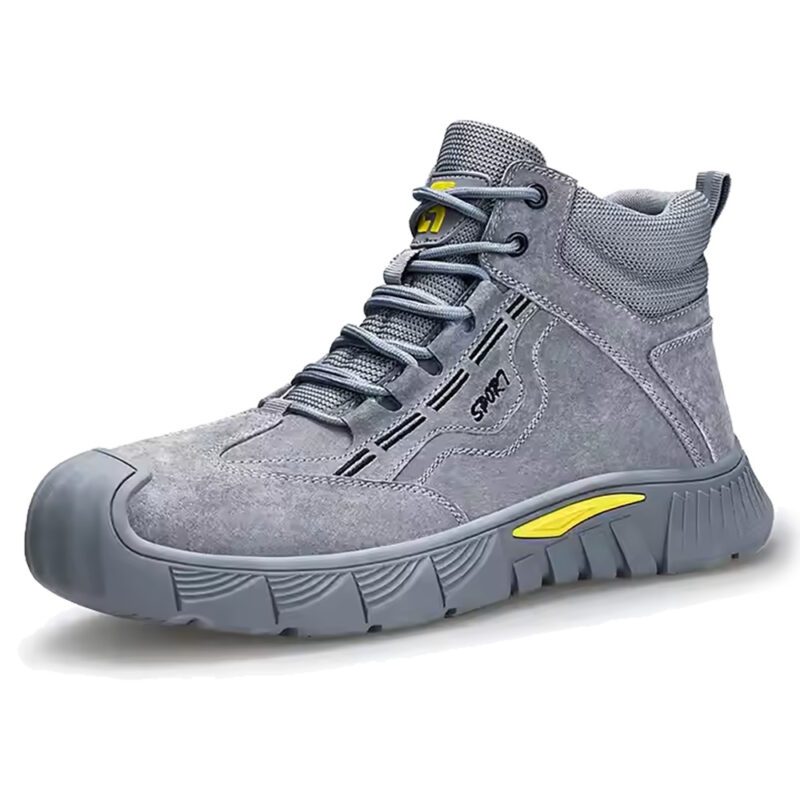
High-cut boots deliver maximum protection for ankles and lower legs. The extended height prevents debris from entering the boot and provides warmth in cold climates. Workers in northern regions or those handling heavy cargo typically prefer boots.
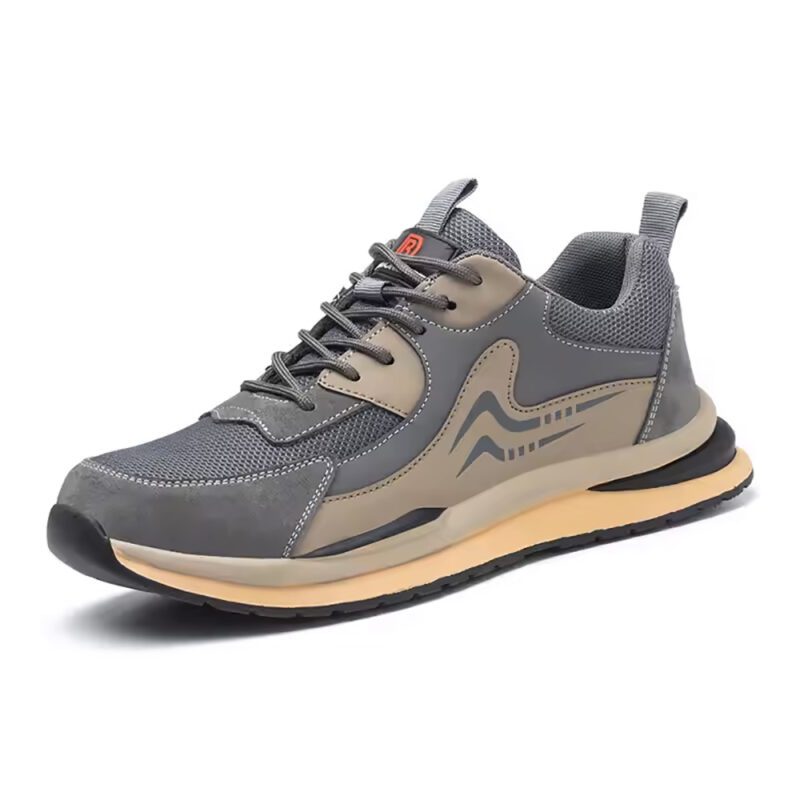
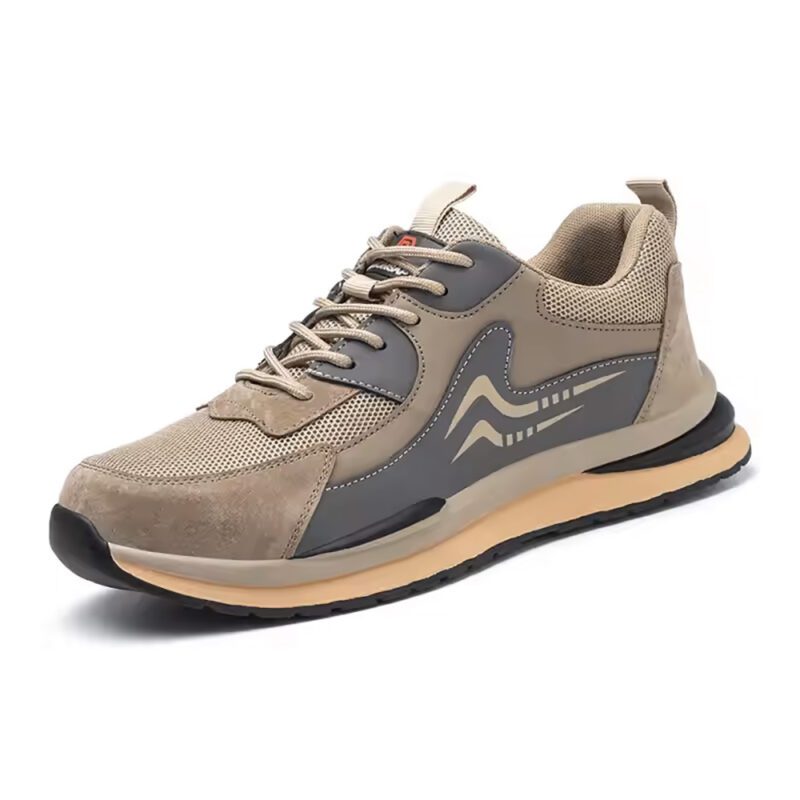
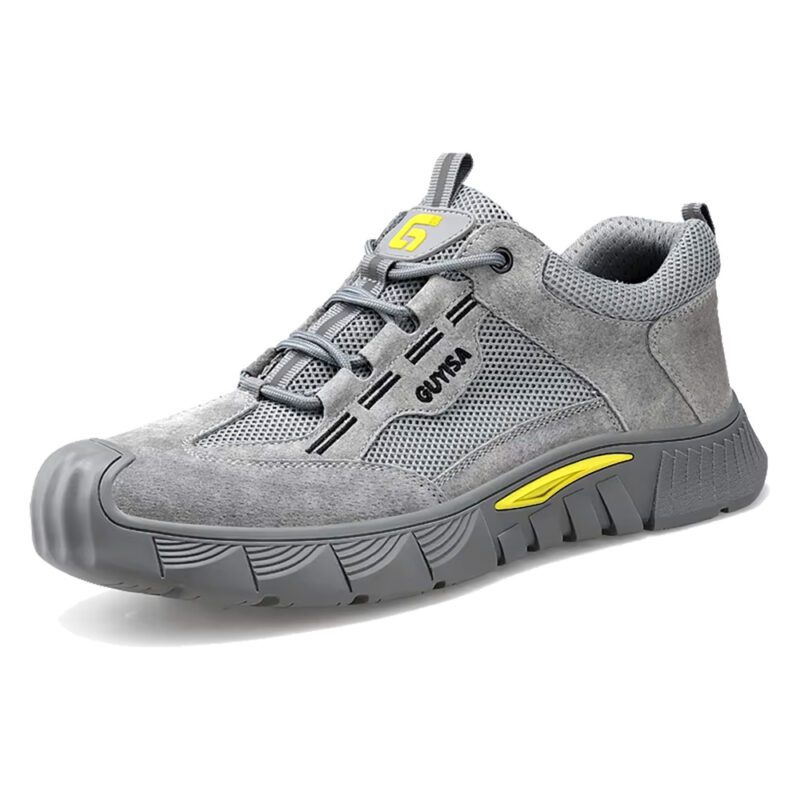
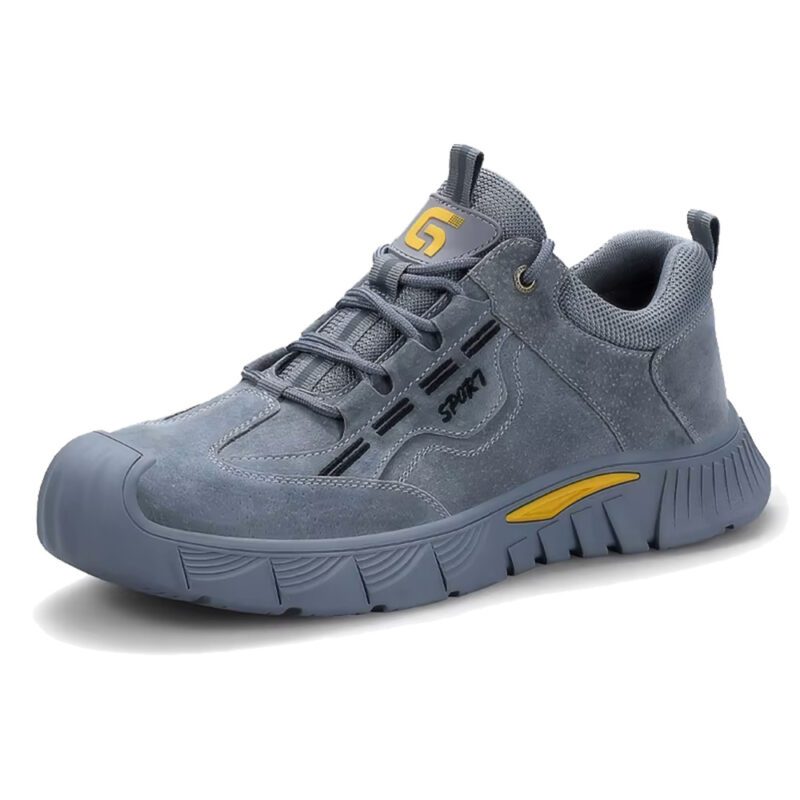
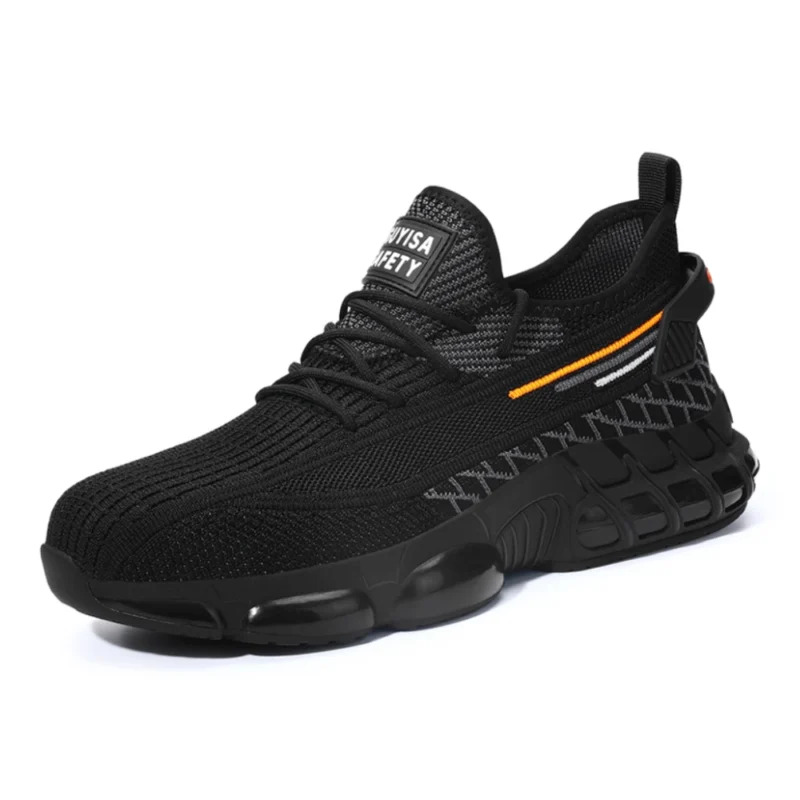
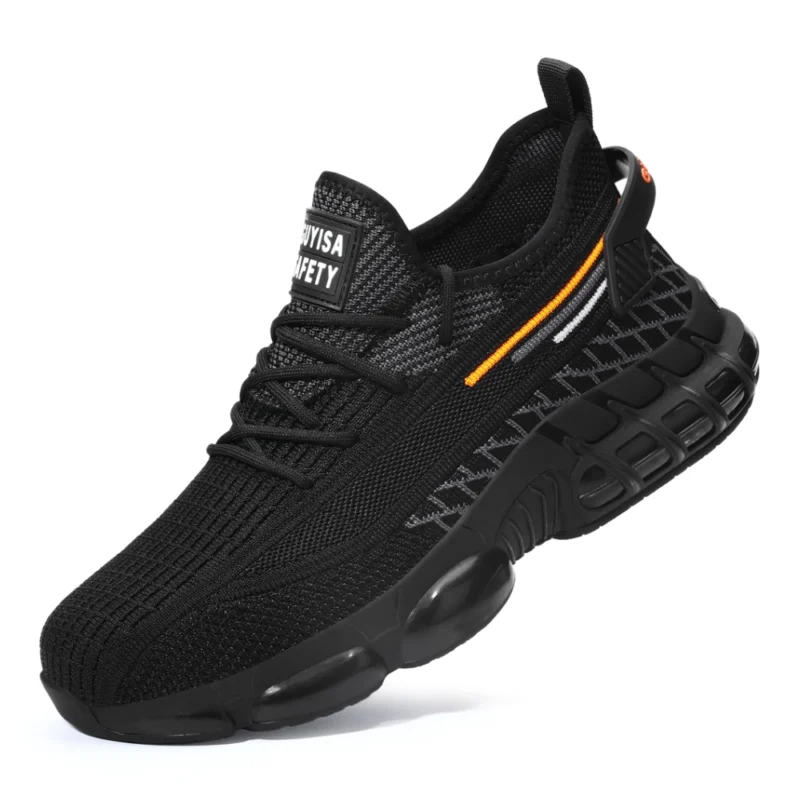
Low-cut safety shoes offer flexibility and reduced weight. The lighter construction causes less fatigue during long shifts in warm weather. Ramp agents in southern climates or those performing tasks requiring agility often choose shoes over boots.
Both styles must meet identical safety standards. The choice depends on climate, specific job duties, and personal preference. Many ramp agents own both styles and select based on weather conditions and assigned tasks.
Proper ramp agent boots and shoes reduce workplace injuries, improve efficiency, and ensure regulatory compliance. Quality safety footwear represents an investment in worker protection and operational excellence.