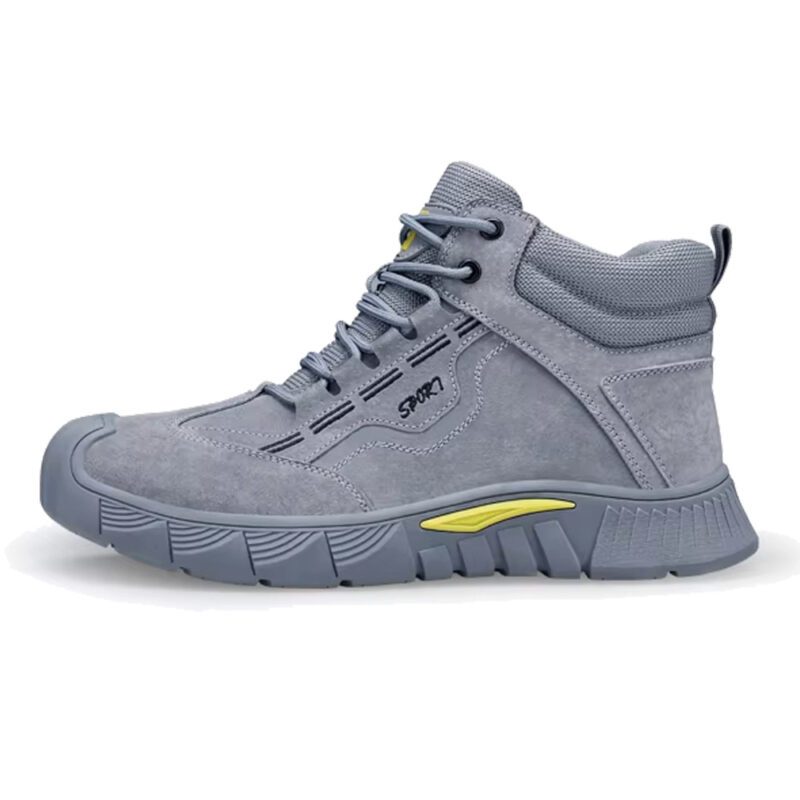
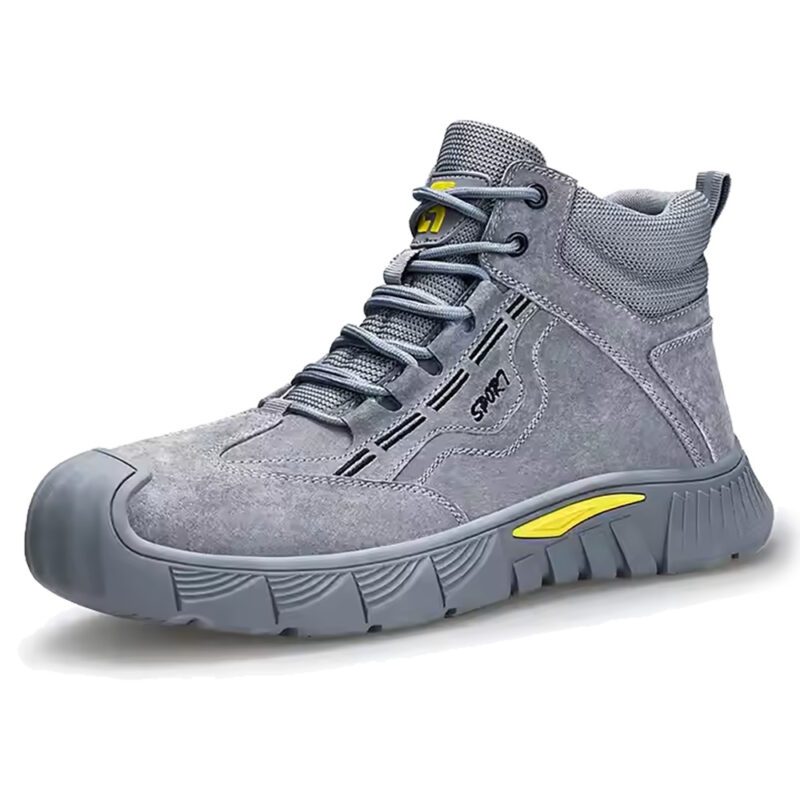
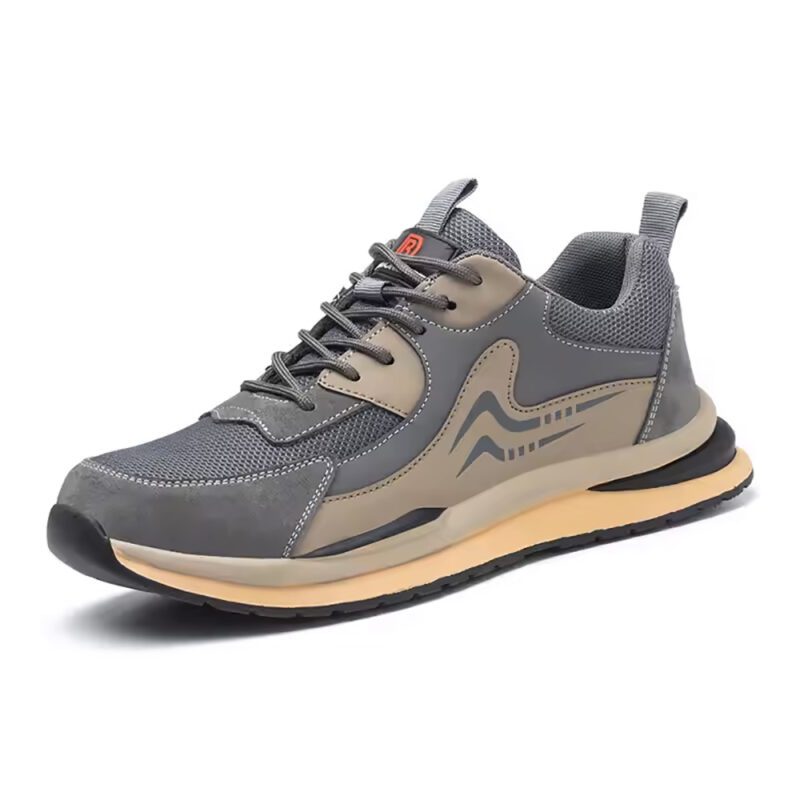
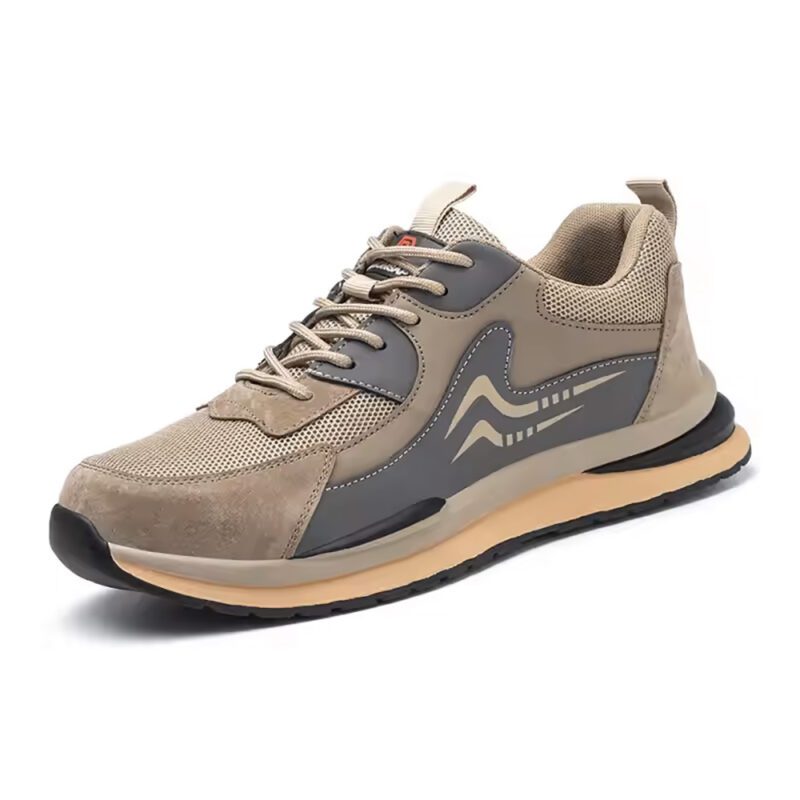
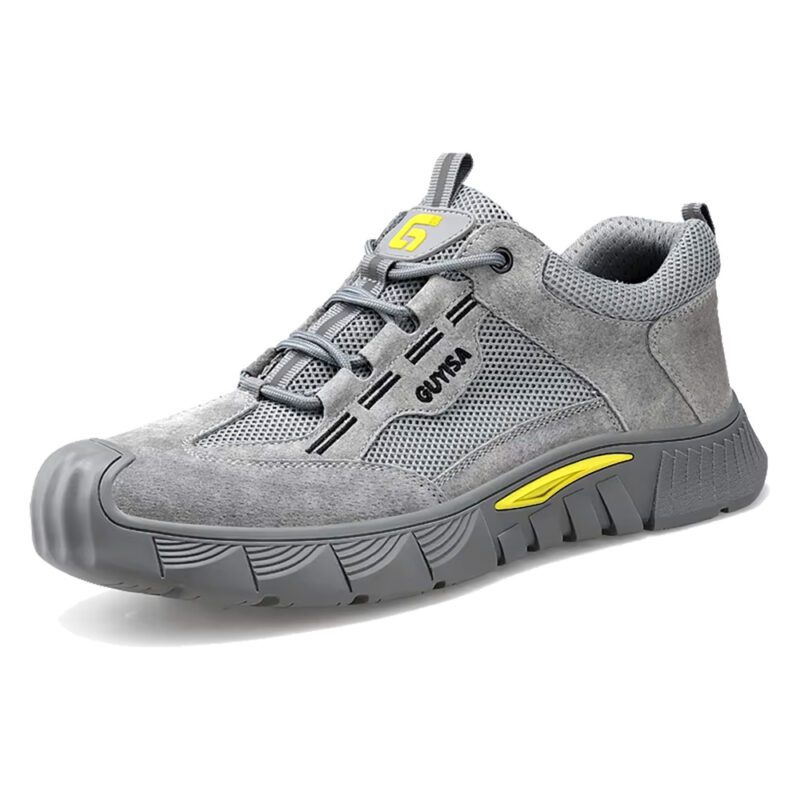
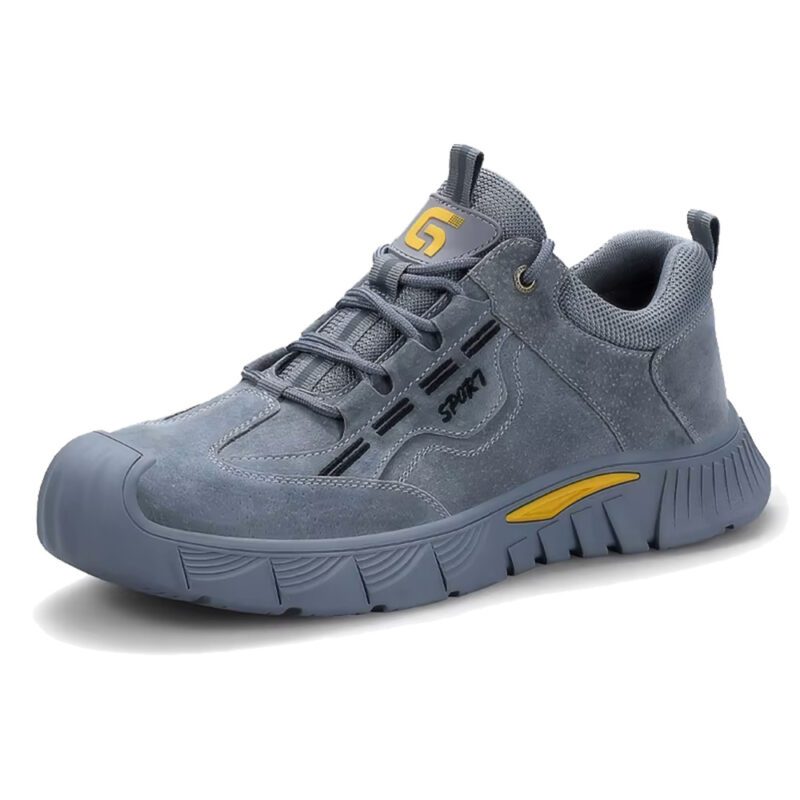
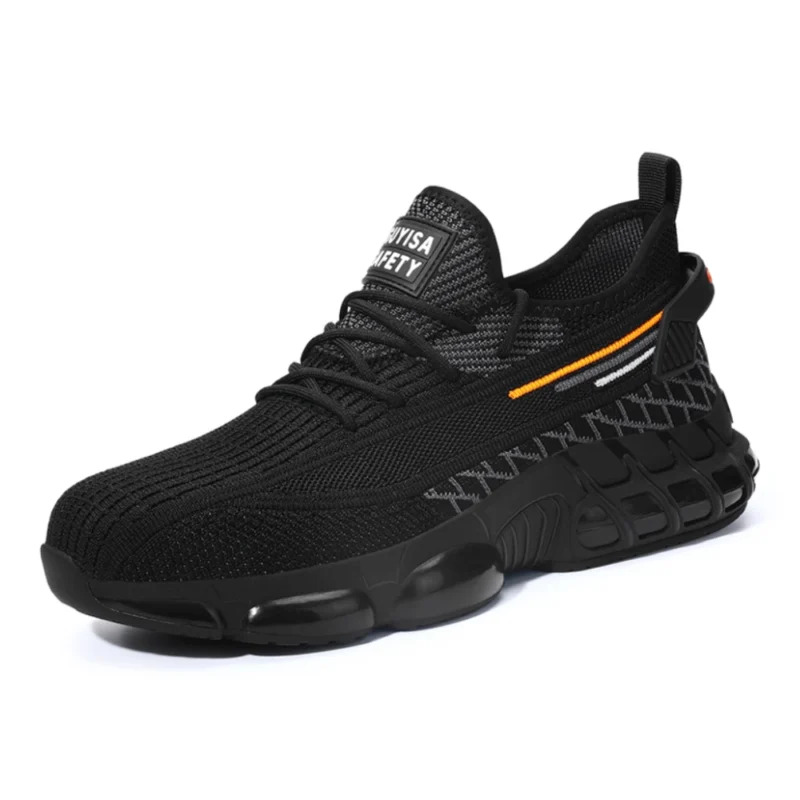
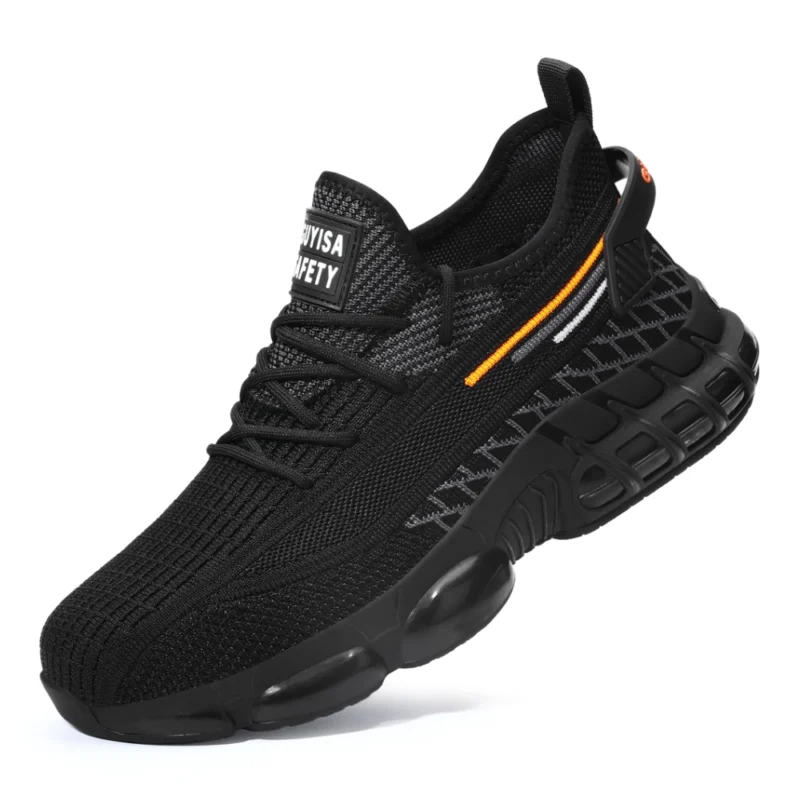
Seafood Processor Boots and Shoes: Essential Protection for Marine Food Workers
Seafood processor boots and shoes provide critical protection for workers in fish processing plants, canneries, and marine food facilities. These specialized footwear options protect your feet from constant water exposure, slippery surfaces, and sharp equipment while maintaining comfort during extended shifts. Workers who invest in proper processing footwear reduce injury risks and improve their daily work experience.
Understanding the Hazards in Seafood Processing
Workers face distinct challenges in seafood processing environments. Wet floors, fish oils, and cleaning chemicals create dangerous conditions that demand specific safety features. Processing facilities maintain cold temperatures and high humidity levels that increase slip hazards. Blood, scales, and organic matter accumulate on floors despite frequent cleaning. Sharp knives, cutting equipment, and heavy containers pose additional threats to your feet.
Standard work boots fail in these conditions. Processing environments require footwear that addresses water, chemicals, temperature extremes, and biological hazards simultaneously. Your safety depends on boots designed specifically for marine food processing operations.
Key Features of Quality Seafood Processor Footwear
Quality processor boots combine multiple protective elements that work together. Steel toe caps shield against falling objects and heavy equipment impacts. Some models feature composite toe protection that offers similar safety without metal components. Deep tread patterns provide excellent grip on wet, oily surfaces where standard soles lose traction.
Waterproof construction keeps your feet dry during hours of water exposure. Advanced membranes block moisture penetration while allowing sweat vapor to escape. This breathability prevents the clammy feeling that develops in non-breathable boots. Chemical-resistant materials protect against cleaning agents, processing solutions, and sanitizing compounds used throughout facilities.
Easy-to-clean surfaces resist bacteria and odors that accumulate in food processing settings. Smooth exteriors without excessive stitching or crevices prevent bacterial growth. Antimicrobial treatments in linings control odor-causing microorganisms. These hygiene features maintain food safety standards and extend boot life.
Comfort Features for Long Shifts
Comfort matters significantly during twelve-hour shifts on concrete floors. Modern processor boots include cushioned insoles that absorb impact with each step. Arch support prevents foot fatigue and reduces strain on your legs and lower back. Shock-absorbing midsoles distribute pressure evenly across your foot.
Lightweight designs decrease strain on your legs and back throughout your shift. Heavy boots cause faster fatigue and increase injury risk. Manufacturers now produce protective footwear that delivers safety without excessive weight. Proper fit prevents blisters and pressure points that affect your work performance and concentration.
Choosing Between Boot Heights and Shoe Styles
Different processing tasks require different footwear styles. Taller boots offer more leg protection for workers handling large fish, operating power washers, or working in areas with deep water accumulation. Full-height boots prevent splashes from reaching your legs and protect against sharp fins or bones.
Lower-cut shoes work well for lighter processing duties and provide easier movement. Shoe styles suit workers in packaging areas, quality control positions, or administrative roles within facilities. Both styles deliver essential safety features while accommodating different job requirements.
Durability and Long-Term Value
Durability extends the life of your footwear investment. Quality construction withstands daily exposure to water, salt, and cleaning agents without deteriorating. Reinforced stitching prevents seam failure in high-stress areas. Vulcanized rubber construction bonds soles permanently to uppers.
Select footwear designed specifically for marine food processing rather than general industrial use. Generic work boots lack the specific protections seafood workers need. Your feet deserve protection that matches your demanding work environment and the unique hazards you encounter daily.