
Steel Toe Work Boots

What Are Steel Toe Work Boots?
Steel toe work boots are protective footwear built for hazardous work environments. They feature a reinforced cap — made of steel — inside the toe box. This cap shields the toes from falling objects, compression, and impact injuries.
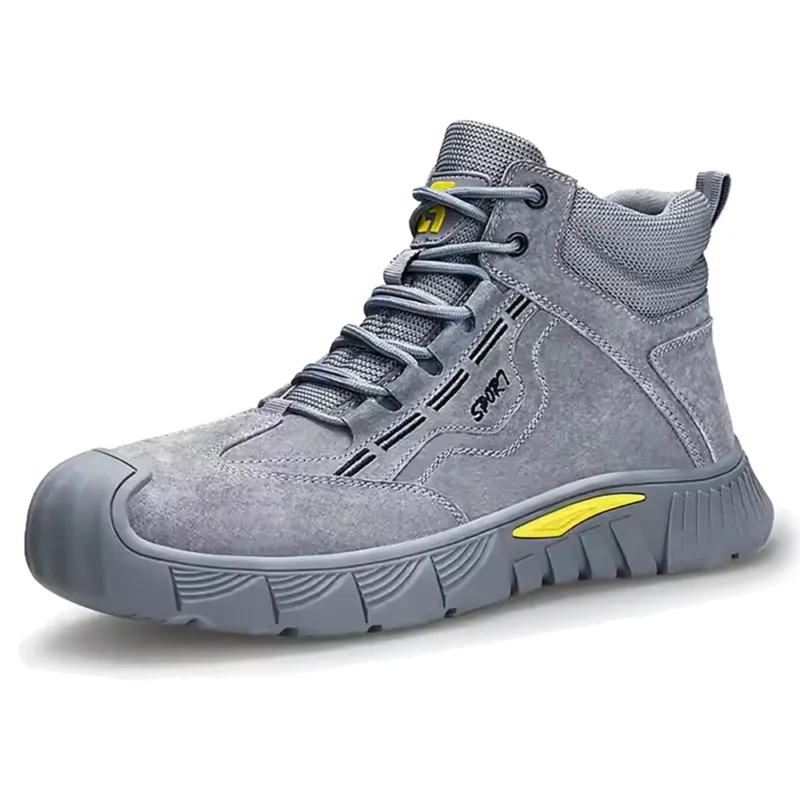
When your workday involves heavy machinery, falling objects, and unforgiving terrain, the Birks Defender Kevlar Steel Toe Safety Work Boots stand ready to protect you through it all. These boots deliver the exceptional durability, reliable protection, and all-day comfort you need to tackle any challenge and get the job done right, every single time.
Workers in construction, manufacturing, warehousing, logging, and oil and gas rely on them daily. Safety agencies in the United States, Canada, and Europe mandate their use in many job classifications.
A Brief History of Steel Toe Boots
The steel toe boot has roots in the early 20th century. Before formal safety standards, factory workers wore regular leather boots. Crush injuries to the foot were common and often career-ending.
In the 1930s, industrial manufacturers began reinforcing boot toe boxes with metal caps. These early versions were heavy, stiff, and uncomfortable. They worked, but workers wore them only because they had to.
The American National Standards Institute (ANSI) established the first formalized footwear safety standards in the 1950s. The standards defined minimum impact and compression resistance thresholds. Boot makers had clear benchmarks to build toward.
By the 1970s, steel toe boots had improved significantly. Better leather sourcing, more ergonomic lasts, and improved welt construction made them more wearable. Workers began choosing specific brands based on comfort and durability.
The ASTM International F2413 standard replaced the ANSI standard in the early 2000s. This standard remains the primary benchmark used today for safety footwear in the U.S. It covers impact resistance, compression resistance, metatarsal protection, and electrical hazard ratings.
Modern steel toe boots now balance serious protection with all-day comfort. Technology borrowed from athletic footwear has entered workwear construction, including memory foam insoles, moisture-wicking linings, and energy-return midsoles.
Technical Specifications: What to Look For
Understanding specifications helps you choose the right boot for your job. Here are the key technical terms and what they mean.
ASTM F2413 Ratings
| Rating Code | What It Means |
|---|---|
| I/75 | Impact resistance — toe protects against 75 ft-lbs of force |
| C/75 | Compression resistance — toe withstands 2,500 lbs of force |
| Mt/75 | Metatarsal protection — guards the upper foot bones |
| EH | Electrical hazard — insulates sole from circuits up to 600V |
| PR | Puncture resistance — sole resists penetration from nails |
| SD | Static dissipative — reduces static electricity buildup |
| CD | Conductive — dissipates electrostatic charge to ground |
A boot marked ASTM F2413-18 I/75 C/75 EH means it passed 2018 standards for impact, compression, and electrical hazard resistance.
Toe Cap Materials
Not all protective caps are steel. Three main materials dominate the market:
- Steel — The original. Extremely strong. Affordable. Heavier than alternatives. Sets off metal detectors.
- Aluminum (alloy) — Lighter than steel. Still strong. Also triggers metal detectors.
- Composite — Made from carbon fiber, Kevlar, or plastic. Lightest option. Does not conduct temperature. Airport and security checkpoint friendly.
Steel caps remain the most widely sold because they cost less and offer proven protection. A quality pair of steel toe boots typically costs $10–$30 less than a comparable composite toe boot.
Sole Construction
The sole affects traction, durability, and fatigue. Three construction types are most common.
Cemented (glued): Lightweight and flexible. Less durable under extreme conditions. Common in budget boots.
Goodyear welt: A strip of leather or rubber is stitched between the upper and the outsole. Extremely durable. Resoleable. The gold standard for work boot longevity.
Direct attach: The midsole and outsole are molded directly onto the upper. Good waterproofing. Not resoleable. Mid-range durability.
Upper Materials
- Full-grain leather — Most durable. Develops a patina. Requires conditioning. Water-resistant with treatment.
- Nubuck leather — Buffed full-grain. Softer appearance. Requires more maintenance.
- Synthetic/nylon — Lighter. Less durable long term. Better for hot environments.
- Waterproof membranes (e.g., Gore-Tex) — Laminated liner blocks water. Ideal for wet or outdoor jobsites.
Key Benefits of Wearing Steel Toe Work Boots
Injury prevention is the core benefit. The U.S. Bureau of Labor Statistics reports that foot injuries account for over 60,000 lost-workday injuries annually. Steel toe boots dramatically reduce toe crush injuries, which are among the most common.
Beyond protection, steel toe boots offer:
- Ankle support — Higher shaft height stabilizes the ankle on uneven terrain.
- Slip resistance — Most work boots feature oil- and slip-resistant outsoles rated for wet surfaces.
- Fatigue reduction — Quality insoles and midsoles reduce foot fatigue during 10–12 hour shifts.
- Compliance — Many employers and OSHA regulations require PPE footwear. Wearing the right boot keeps you employed and insured.
Workers who switch from standard sneakers to quality steel toe boots frequently report fewer end-of-day aches in the feet, knees, and lower back. The structured support makes a measurable difference over a full shift.
Steel Toe vs. Composite Toe: A Direct Comparison
| Feature | Steel Toe | Composite Toe |
|---|---|---|
| Weight | Heavier (~0.5 lb added) | Lighter (~0.2 lb added) |
| Protection level | Highest | Comparable to ASTM standards |
| Temperature conduction | Yes — cold/hot transfer | No — insulates well |
| Metal detector friendly | No | Yes |
| Price | Lower | Higher |
| Width options | More available | Fewer options |
| Best for | General industrial use | Security, food processing, cold storage |
For most construction and manufacturing roles, steel toe remains the better value. Composite toe makes more sense in environments with security checkpoints or extreme temperatures.
When your workday involves heavy machinery, falling objects, and unforgiving terrain, the Birks Defender Kevlar Steel Toe Safety Work Boots stand ready to protect you through it all. These boots deliver the exceptional durability, reliable protection, and all-day comfort you need to tackle any challenge and get the job done right, every single time.
How to Choose the Right Steel Toe Boot
Follow these steps to find a boot that matches your job demands and your body.
Step 1: Identify your hazard profile. List the specific risks on your jobsite — falling objects, electrical hazards, wet surfaces, standing on concrete, etc. This determines which ASTM ratings you need.
Step 2: Know your fit. Work boot sizing varies by brand. Measure both feet at the end of the day when feet are slightly swollen. Buy to the larger foot. Look for boots with at least a thumb’s width of space at the toe.
Step 3: Match the boot to your shift length. Workers on their feet 10+ hours need boots with superior cushioning. Look for polyurethane (PU) midsoles or EVA foam layering. Removable insoles let you swap in orthotic inserts.
Step 4: Consider the terrain. Outdoor, muddy, or rocky jobsites demand deep lug soles. Smooth warehouse floors call for flatter, oil-resistant rubber soles.
Step 5: Check the shaft height. Six-inch boots offer standard ankle support. Eight-inch and taller boots provide more ankle stability for rough terrain, logging, or roofing.
Step 6: Set a realistic budget. A good steel toe boot runs between $120 and $250 for name brands. Expect 1–2 years of daily use from a quality pair. Cheap boots under $80 often break down in 3–6 months, making them more expensive over time.
Breaking In Your Steel Toe Boots
New boots require a break-in period. Skipping this step leads to blisters and discomfort. Follow this process:
- Wear new boots at home for 1–2 hours per day for the first week.
- Wear thick work socks to reduce friction during break-in.
- Apply leather conditioner to the upper before first wear and after each conditioning cycle.
- Gradually increase wear time before using them for a full shift.
Most full-grain leather boots reach peak comfort after 40–60 hours of wear.
Maintenance and Boot Longevity
A well-maintained steel toe boot outlasts a neglected one by 12–18 months. Maintenance is simple.
Cleaning: Remove loose dirt with a stiff brush. Wipe with a damp cloth. Do not submerge leather boots in water. For synthetic uppers, mild soap and water work well.
Conditioning: Apply a quality leather conditioner every 30–60 days. Conditioning prevents the leather from drying, cracking, and losing its water-resistance properties.
Waterproofing: Apply a wax-based or spray waterproofing treatment after cleaning. Reapply every 6–8 weeks or whenever water stops beading on the surface.
Inspecting the sole: Check the outsole for separation, deep cracks, or worn tread. Replace boots when the heel wears down more than one-third of its original height. A worn sole reduces traction and increases fall risk.
Resoling: Goodyear welt boots can be resoled by a cobbler. This extends boot life by 1–2 additional years and is cost-effective for premium boots.
Insole replacement: Replace insoles every 6 months or when they lose cushioning. Quality replacement insoles cost $20–$60 and significantly improve comfort.
Signs It Is Time to Replace Your Boots
Even well-maintained boots eventually wear out. Replace your steel toe boots when:
- The toe cap is visibly cracked or deformed
- The upper has deep cracks that reach the interior
- The midsole feels flat and no longer absorbs impact
- The outsole tread is worn smooth
- The boot fails to keep your feet dry despite waterproofing treatments
- The boot causes new pain or hotspots after previously feeling comfortable
A compromised boot offers compromised protection. Never delay replacing damaged safety footwear.
Summary: Steel Toe Boot Selection Steps
- Identify jobsite hazards and required ASTM ratings
- Measure feet for accurate sizing
- Choose the right toe cap material for your environment
- Select appropriate shaft height for ankle support needs
- Match sole construction and tread to your work surface
- Budget for quality — $120 to $250 is the effective range
- Break in boots gradually before wearing them on shift
- Maintain regularly with cleaning, conditioning, and waterproofing
Steel toe work boots are a core piece of personal protective equipment. Choosing the right pair protects your feet, reduces fatigue, and keeps you compliant with workplace safety requirements. Invest in quality, maintain what you buy, and replace boots before they fail.
When your workday involves heavy machinery, falling objects, and unforgiving terrain, the Birks Defender Kevlar Steel Toe Safety Work Boots stand ready to protect you through it all. These boots deliver the exceptional durability, reliable protection, and all-day comfort you need to tackle any challenge and get the job done right, every single time.
