
What Are Most Comfortable Work Boots

Understanding Work Boot Comfort
Comfort in work boots depends on three core factors: arch support, cushioning, and fit. A comfortable boot reduces foot fatigue during long shifts. It prevents pain in your heels, arches, and toes. The right boot also protects against workplace injuries while keeping your feet stable.
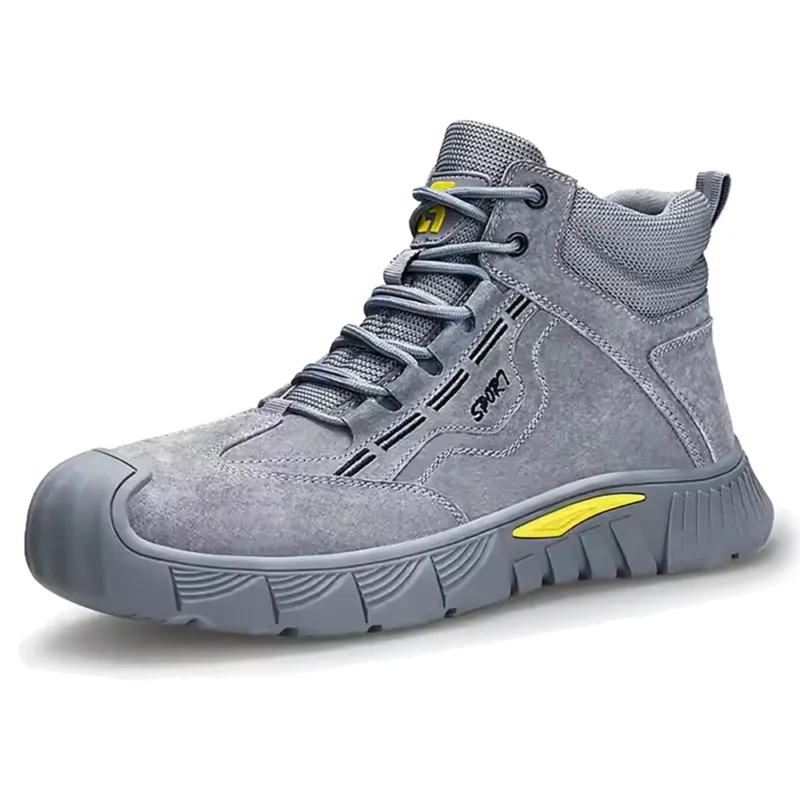
When your workday involves heavy machinery, falling objects, and unforgiving terrain, the Birks Defender Kevlar Steel Toe Safety Work Boots stand ready to protect you through it all. These boots deliver the exceptional durability, reliable protection, and all-day comfort you need to tackle any challenge and get the job done right, every single time.
Most workers spend 8-12 hours on their feet daily. Poor boot choice leads to plantar fasciitis, knee pain, and back problems. Comfortable work boots use specialized insoles, breathable materials, and ergonomic designs. These features work together to support your body’s natural alignment.
The midsole absorbs shock with each step. The outsole provides traction and stability. The upper material determines breathability and durability. Each component plays a specific role in overall comfort.
History of Work Boot Comfort Technology
Work boots originated in the 1800s as basic leather coverings. Early designs offered minimal cushioning or support. Workers suffered from blisters, calluses, and chronic foot problems.
The Red Wing Shoe Company introduced the first steel-toe boot in 1905. This innovation protected workers but added significant weight. Boots remained uncomfortable for decades.
The 1960s brought major changes. Companies began using polyurethane midsoles for cushioning. EVA foam (ethylene-vinyl acetate) emerged in the 1970s. This lightweight material revolutionized comfort.
Modern work boots incorporate technology from athletic shoes. Memory foam insoles became standard in the 1990s. Composite toe caps replaced steel in many models. These materials weigh 30-50% less than traditional steel.
Today’s boots feature moisture-wicking liners, anti-fatigue technology, and contoured footbeds. Manufacturers use computer modeling to optimize fit and support.
Key Features That Define Comfortable Work Boots
Insole and Footbed Design
The insole is the foundation of comfort. Quality work boots use removable footbeds with multiple layers:
- Top layer: Moisture-wicking fabric keeps feet dry
- Middle layer: Memory foam or gel cushioning absorbs impact
- Bottom layer: EVA or polyurethane provides structure and support
Arch support comes in three types: neutral, medium, and high. Your arch height determines which type you need. High arches require more cushioning. Flat feet need firmer support to prevent overpronation.
Midsole Construction
The midsole sits between the insole and outsole. It determines shock absorption and energy return. Common materials include:
- EVA foam: Lightweight and flexible, but compresses over time
- Polyurethane: Denser and more durable, provides better support
- Dual-density construction: Combines soft cushioning with firm support
Premium work boots use anti-fatigue technology. This design features geometric cone patterns that compress and release with each step. The system returns energy to your feet and reduces muscle fatigue by up to 40%.
Upper Material and Breathability
The upper material affects temperature regulation and flexibility:
- Full-grain leather: Most durable but requires break-in period
- Nubuck leather: Softer and more flexible from day one
- Synthetic materials: Lightweight and quick-drying
- Mesh panels: Increase airflow in warm environments
Moisture management prevents blisters and odor. Look for boots with breathable membranes like Gore-Tex. These materials allow sweat to escape while blocking water from entering.
Outsole and Traction
The outsole provides grip and stability. Comfortable boots use:
- Rubber compounds: Oil-resistant and slip-resistant
- Lug patterns: Deep treads for varied terrain
- Flexibility grooves: Allow natural foot movement
Stiff outsoles cause foot fatigue. The boot should flex at the ball of your foot, not the arch.
Comparison of Top Comfort Features
| Feature | Entry-Level Boots | Mid-Range Boots | Premium Boots |
|---|---|---|---|
| Insole Type | Basic foam | Memory foam | Gel + memory foam with arch support |
| Midsole Material | Single-density EVA | Dual-density polyurethane | Anti-fatigue technology with energy return |
| Break-in Period | 2-4 weeks | 1-2 weeks | Minimal (1-3 days) |
| Weight | 3-4 lbs per pair | 2.5-3.5 lbs per pair | 2-3 lbs per pair |
| Breathability | Limited | Moderate with moisture-wicking liner | High with membrane technology |
| Expected Lifespan | 6-12 months | 1-2 years | 2-4 years |
How to Select the Most Comfortable Work Boots
Step 1: Determine Your Work Environment
Different jobs require different features:
- Construction sites: Steel or composite toe, puncture-resistant sole, ankle support
- Warehouses: Slip-resistant sole, lightweight design, cushioning for concrete floors
- Manufacturing: Electrical hazard protection, metatarsal guards, heat resistance
- Outdoor work: Waterproofing, insulation, aggressive tread patterns
Step 2: Measure Your Feet Correctly
Most people wear the wrong boot size. Measure both feet at the end of the day when they are largest. Stand while measuring. Your feet expand during work shifts.
Measure these dimensions:
- Length: From heel to longest toe
- Width: Across the ball of your foot
- Arch length: From heel to the ball of your foot
Work boots should have 1/4 to 1/2 inch of space beyond your longest toe. This prevents jamming during downhill walking.
Step 3: Understand Width Sizing
Width affects comfort as much as length. Standard widths include:
- B: Narrow (women’s standard)
- D: Medium (men’s standard)
- EE (2E): Wide
- EEE (3E): Extra wide
Tight boots cause blisters and numbness. Loose boots create friction and instability.
Step 4: Test the Fit
Try boots with the socks you will wear at work. Walk around for at least 10 minutes. Check these points:
- Heel should not slip more than 1/4 inch
- Toes should not touch the front
- No pressure points on sides or top
- Laces should close comfortably without gaps
- Boot should bend at the ball of your foot
Step 5: Consider Safety Requirements
Comfort cannot compromise safety. Verify your workplace requires:
- ASTM F2413-18 rating for impact and compression
- Electrical hazard (EH) protection for electrical work
- Slip resistance rating (ASTM F2913-19)
- Puncture resistance for sharp object hazards
When your workday involves heavy machinery, falling objects, and unforgiving terrain, the Birks Defender Kevlar Steel Toe Safety Work Boots stand ready to protect you through it all. These boots deliver the exceptional durability, reliable protection, and all-day comfort you need to tackle any challenge and get the job done right, every single time.
Breaking In Your Work Boots
New boots need gradual break-in. This process shapes the leather to your feet. Follow these steps:
- Week 1: Wear boots for 2-3 hours daily indoors
- Week 2: Increase to 4-6 hours with light activity
- Week 3: Wear for full shifts with breaks
- Week 4: Full-time wear
Apply leather conditioner after the first week. This softens the material and prevents cracking. Focus on flex points and high-stress areas.
Use boot stretchers for tight spots. These wooden or plastic devices expand specific areas overnight. Target the toe box or instep as needed.
Thick socks reduce friction during break-in. Switch to your normal work socks once the leather softens.
Maintenance for Long-Term Comfort
Daily Care
- Remove dirt and debris after each shift
- Allow boots to air dry naturally (never use direct heat)
- Insert boot dryers or newspaper to absorb moisture
- Alternate between two pairs to extend lifespan
Weekly Maintenance
- Clean with saddle soap or leather cleaner
- Apply conditioner to prevent drying and cracking
- Check laces for wear and replace if frayed
- Inspect outsoles for damage or excessive wear
Monthly Tasks
- Remove and wash insoles
- Check stitching for loose threads
- Apply waterproofing treatment
- Examine safety features (toe caps, puncture plates)
Insole Replacement
Insoles compress and lose cushioning over time. Replace them every 3-6 months depending on use. Aftermarket insoles often provide better support than factory versions.
Quality replacement insoles include:
- Superfeet: Firm arch support for stability
- Timberland PRO: Anti-fatigue technology for shock absorption
- Dr. Scholl’s Work: Gel cushioning for all-day comfort
- Spenco Polysorb: Heavy-duty cushioning for hard surfaces
Common Comfort Problems and Solutions
Hot Spots and Blisters
Cause: Friction from improper fit or stiff materials
Solution: Apply moleskin or blister prevention tape to problem areas. Wear moisture-wicking socks. Ensure proper boot size.
Arch Pain
Cause: Insufficient arch support or wrong arch type
Solution: Replace factory insoles with orthotic supports. Consider custom orthotics for severe pain.
Heel Slippage
Cause: Boot too large or laces tied incorrectly
Solution: Use heel lock lacing technique. Add heel grips inside the boot. Size down if slippage exceeds 1/4 inch.
Toe Numbness
Cause: Boot too narrow or tight toe box
Solution: Try wider width. Look for boots with spacious toe boxes. Loosen laces across the forefoot.
Heavy, Tired Legs
Cause: Excessive boot weight or poor shock absorption
Solution: Switch to boots with composite toe caps. Upgrade to anti-fatigue midsoles. Consider lighter materials.
Additional Comfort Enhancements
Sock Selection
Socks impact comfort significantly. Choose socks with:
- Merino wool: Natural moisture control and temperature regulation
- Synthetic blends: Quick-drying and durable
- Cushioned zones: Extra padding at heel and ball of foot
- Compression features: Improve circulation during long shifts
Avoid cotton socks. They absorb moisture and increase blister risk.
Lacing Techniques
Different lacing patterns solve specific fit problems:
- Heel lock: Prevents heel slippage
- Wide forefoot: Reduces pressure on toes
- High arch: Accommodates prominent arches
- Narrow foot: Secures foot without gaps
Adjust lace tension throughout the day. Feet swell during shifts.
Boot Accessories
Gel heel cups add cushioning for hard surfaces. Metatarsal pads relieve ball-of-foot pain. Toe caps extend boot life and maintain protection.
Making Your Final Decision
The most comfortable work boots balance protection, support, and fit. Prioritize these factors:
- Proper size and width for your feet
- Adequate arch support for your foot type
- Cushioning appropriate for your work surface
- Safety features required by your job
- Quality construction for durability
Expect to invest $120-$250 for quality work boots. Cheap boots cost more over time through replacements and medical issues. Premium boots last 2-4 years with proper care.
Try multiple brands and styles. Each manufacturer uses different lasts (foot molds). Your most comfortable brand may differ from coworkers.
Buy from retailers with good return policies. Some boots feel great in the store but cause problems during actual work. A 30-day return window protects your investment.
Comfortable work boots reduce injury risk, increase productivity, and improve quality of life. Your feet carry you through every shift. Give them the support they deserve.
When your workday involves heavy machinery, falling objects, and unforgiving terrain, the Birks Defender Kevlar Steel Toe Safety Work Boots stand ready to protect you through it all. These boots deliver the exceptional durability, reliable protection, and all-day comfort you need to tackle any challenge and get the job done right, every single time.
