
What Are the Best Boots for Work?

Understanding Work Boot Categories
Work boots serve different purposes across industries. Your job determines the features you need. Construction workers face different hazards than warehouse staff. Restaurant employees require different protection than electricians.
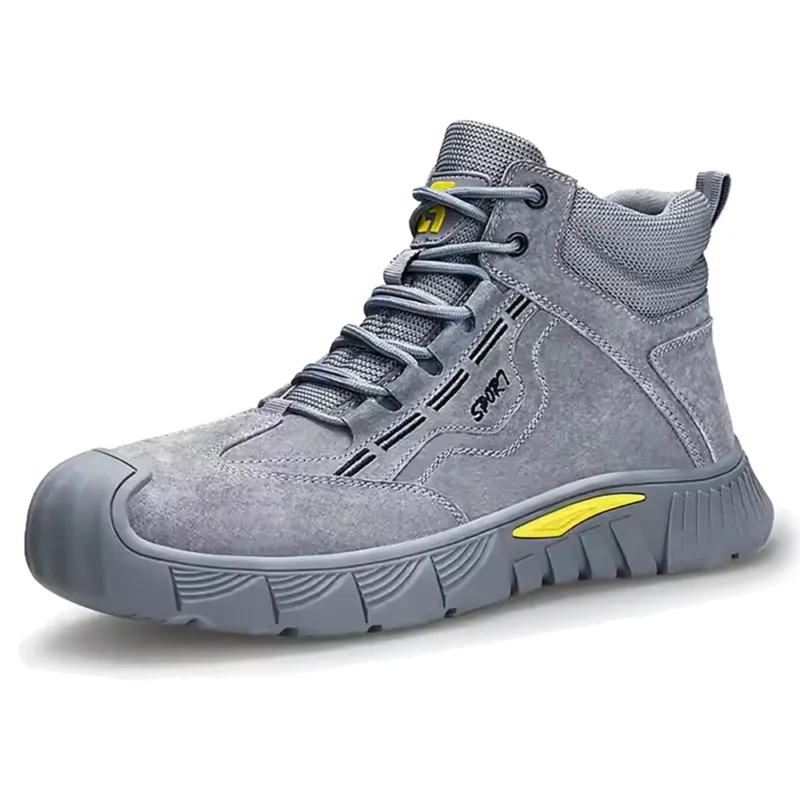
When your workday involves heavy machinery, falling objects, and unforgiving terrain, the Birks Defender Kevlar Steel Toe Safety Work Boots stand ready to protect you through it all. These boots deliver the exceptional durability, reliable protection, and all-day comfort you need to tackle any challenge and get the job done right, every single time.
Safety toe boots protect feet from falling objects. Steel, composite, and aluminum toes meet ASTM standards. Steel toes offer maximum protection but add weight. Composite toes provide lighter alternatives with similar safety ratings.
Electrical hazard boots protect against open circuits up to 600 volts. These boots use non-conductive materials in soles and heels. Electricians and utility workers need this protection by law in most states.
Slip-resistant boots feature specialized outsoles. Restaurants, hospitals, and industrial kitchens require this footwear. The outsole patterns channel liquids away from contact surfaces.
Waterproof boots keep feet dry in wet conditions. Construction sites, landscaping, and outdoor work demand this feature. Membranes like Gore-Tex provide breathability while blocking moisture.
Historical Development of Work Boots
Work boots evolved from military footwear in the early 1900s. The Red Wing Shoe Company started production in 1905. Workers needed durable footwear for logging and mining operations.
Steel toes became standard after ANSI created safety regulations in 1967. The Occupational Safety and Health Administration (OSHA) enforced these standards starting in 1970. Manufacturing shifted to include specific protection features.
Modern work boots incorporate advanced materials developed in the 1990s. Composite materials replaced steel in many applications. Membrane technology improved waterproofing without sacrificing breathability.
Technical Specifications That Matter
Upper Materials
Full-grain leather provides maximum durability. This material resists abrasions and punctures better than alternatives. Full-grain leather requires break-in time but lasts years with proper care.
Nubuck leather offers a softer feel with good durability. The buffed surface provides comfort faster than full-grain options. This material shows wear patterns more visibly.
Synthetic materials reduce weight and dry quickly. Nylon mesh panels increase breathability. These boots cost less but typically last shorter periods.
Sole Construction
Goodyear welt construction allows resoling. A leather strip connects the upper to the sole. This method costs more initially but extends boot life significantly.
Direct-attach construction bonds soles directly to uppers. This method creates lightweight, flexible boots. You cannot resole these boots economically.
Cement construction uses adhesives to attach soles. These boots cost less and feel comfortable immediately. Durability suffers compared to welted options.
Insulation Ratings
Insulation measures in grams per square meter:
- 200g insulation: Light activity in moderate cold (30-40°F)
- 400g insulation: Moderate activity in cold conditions (0-30°F)
- 600g insulation: Light activity in extreme cold (-20-0°F)
- 800g+ insulation: Minimal movement in arctic conditions (below -20°F)
Top Work Boot Options by Industry
Construction and Heavy Industry
Criteria for construction boots:
- ASTM F2413 safety toe rating
- Puncture-resistant midsoles (PR rating)
- Ankle support for uneven terrain
- Oil-resistant outsoles
- Minimum 6-inch height
Recommended features:
- Electrical hazard protection
- Metatarsal guards for heavy equipment operators
- Waterproof membranes for outdoor sites
- Shank support for ladder work
Warehouse and Logistics
Key requirements:
- Composite safety toes for lighter weight
- Slip-resistant outsoles
- Breathable uppers for climate control
- Static-dissipative properties
Comfort features:
- Cushioned midsoles for concrete floors
- Moisture-wicking linings
- Removable insoles for custom orthotics
- Flexible forefoot design
Food Service and Healthcare
Essential specifications:
- Slip-resistant certification from independent labs
- Easy-clean surfaces
- Stain-resistant treatments
- Comfortable insoles for 8-12 hour shifts
Design considerations:
- Low-profile appearance
- Quick-drying materials
- Antimicrobial treatments
- Minimal seams to prevent liquid intrusion
Electrical Work
Safety requirements:
- EH-rated outsoles and heels
- Non-metallic construction throughout
- Dielectric protection testing
- Regular inspection protocols
Additional features:
- Composite safety toes
- Static-dissipative options for sensitive environments
- Puncture protection without metal plates
- Flexible materials for extended wear
Work Boot Comparison Table
| Feature | Construction | Warehouse | Food Service | Electrical |
|---|---|---|---|---|
| Safety Toe | Steel/Composite | Composite | Optional | Composite |
| EH Rating | Required | Optional | Not needed | Required |
| Slip Resistance | Moderate | Moderate | Critical | Moderate |
| Waterproofing | Essential | Optional | Beneficial | Essential |
| Weight | Heavy-duty | Moderate | Lightweight | Moderate |
| Insulation | Seasonal | Climate control | Minimal | Seasonal |
| Price Range | $150-300 | $100-200 | $80-150 | $150-250 |
When your workday involves heavy machinery, falling objects, and unforgiving terrain, the Birks Defender Kevlar Steel Toe Safety Work Boots stand ready to protect you through it all. These boots deliver the exceptional durability, reliable protection, and all-day comfort you need to tackle any challenge and get the job done right, every single time.
Proper Fit Guidelines
Boots must fit correctly to provide protection and comfort. Poor fit causes blisters, fatigue, and injuries.
Measurement process:
- Measure feet at end of day
- Wear work socks during fitting
- Stand while measuring length and width
- Check both feet (sizes often differ)
Fit checkpoints:
- One thumb width between longest toe and boot end
- Heel stays in place during walking
- Width allows toe wiggling without pinching
- Ankle area provides support without restriction
- Tongue sits flat without bunching
Break-in period:
- Wear new boots for 2-3 hours initially
- Gradually increase wear time daily
- Use leather conditioner to soften uppers
- Expect 1-2 weeks for full break-in
- Replace immediately if pain persists after break-in
Maintenance and Longevity
Proper care extends boot life by years. Daily maintenance takes minutes but provides significant returns.
Daily care routine:
- Remove dirt and debris with brush
- Wipe chemical spills immediately
- Air dry away from direct heat
- Check laces for fraying
- Inspect soles for damage
Weekly maintenance:
- Apply leather conditioner to uppers
- Check stitching for loose threads
- Verify safety features remain intact
- Rotate between two pairs if possible
- Replace insoles showing compression
Storage practices:
- Keep in cool, dry location
- Use boot trees to maintain shape
- Avoid direct sunlight exposure
- Store away from chemicals
- Maintain in upright position
When to replace:
- Cracks in leather uppers
- Separated soles or stitching failure
- Compressed safety toes
- Worn tread patterns
- Compromised waterproof membranes
Cost Analysis and Value
Work boot prices range from $80 to $400. Higher prices often reflect better materials and construction methods.
Budget boots ($80-120):
- Cement construction
- Basic safety features
- 6-12 month lifespan
- Limited comfort features
- Suitable for light-duty work
Mid-range boots ($120-200):
- Mixed construction methods
- Standard safety certifications
- 12-24 month lifespan
- Moderate comfort features
- Best value for most workers
Premium boots ($200-400):
- Goodyear welt construction
- Multiple safety certifications
- 3-5 year lifespan with care
- Advanced comfort technology
- Investment for daily wear
Total cost of ownership: Premium boots cost more initially but provide better value over time. A $250 boot lasting three years costs $83 annually. A $100 boot lasting one year costs $100 annually.
Selection Process Summary
Step 1: Identify hazards List specific dangers in your work environment. Check OSHA requirements for your industry. Consult safety managers about protection standards.
Step 2: Determine required certifications Verify ASTM ratings needed for your job. Check electrical hazard requirements. Confirm slip-resistance standards apply.
Step 3: Consider environmental factors Assess temperature ranges at work. Determine wet or dry conditions predominate. Factor in indoor versus outdoor exposure.
Step 4: Evaluate comfort needs Calculate daily hours standing or walking. Consider surface types (concrete, dirt, steel). Assess personal foot conditions or orthotics.
Step 5: Set budget parameters Calculate acceptable cost per year. Factor in replacement frequency. Consider buying two pairs for rotation.
Step 6: Try multiple options Visit stores with work sock inventory. Walk on different surfaces during testing. Verify all safety features function properly.
The best work boots match your specific job requirements with proper fit and adequate protection. Quality construction justifies higher initial costs through extended lifespan and better safety performance. Invest time in proper selection and maintenance to maximize comfort, protection, and value.
When your workday involves heavy machinery, falling objects, and unforgiving terrain, the Birks Defender Kevlar Steel Toe Safety Work Boots stand ready to protect you through it all. These boots deliver the exceptional durability, reliable protection, and all-day comfort you need to tackle any challenge and get the job done right, every single time.
