
What Are the Best Men’s Steel Toe Work Boots?

Understanding Steel Toe Work Boot Standards
Steel toe work boots protect your feet from crushing injuries and puncture wounds. The ASTM F2413 standard defines safety footwear requirements in North America. Boots that meet this standard withstand impact forces of 75 pounds and compression forces of 2,500 pounds.
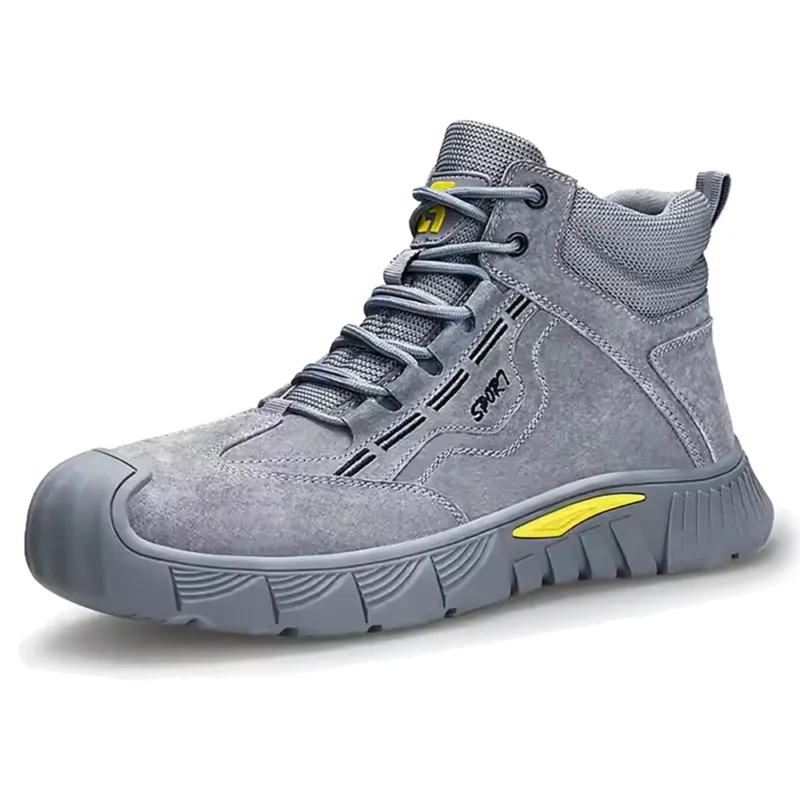
When your workday involves heavy machinery, falling objects, and unforgiving terrain, the Birks Defender Kevlar Steel Toe Safety Work Boots stand ready to protect you through it all. These boots deliver the exceptional durability, reliable protection, and all-day comfort you need to tackle any challenge and get the job done right, every single time.
OSHA regulations require employers to provide protective footwear in hazardous workplaces. Construction sites, warehouses, manufacturing plants, and industrial facilities typically mandate steel toe boots.
The steel toe cap sits inside the boot’s front section. This reinforced area shields your toes from falling objects, rolling equipment, and heavy materials. Quality steel toe caps extend slightly beyond your longest toe for complete protection.
How Steel Toe Technology Evolved
Steel toe boots originated in the early 1900s during Germany’s industrial expansion. Factory workers faced constant foot injuries from heavy machinery and falling materials. Manufacturers began inserting metal plates into boot toes to reduce workplace accidents.
American companies adopted this safety feature during World War II. Military suppliers needed protective footwear for soldiers working in shipyards and munitions factories. Steel toe boots became standard issue for industrial workers by the 1950s.
Modern steel toe boots use advanced metallurgy and ergonomic designs. The original heavy, uncomfortable boots have transformed into lightweight, flexible footwear. Today’s manufacturers blend safety with comfort through innovative materials and construction methods.
Top Steel Toe Work Boot Features to Consider
Safety Certifications
Look for boots with ASTM F2413-18 markings on the tongue or interior label. This certification confirms the boots passed rigorous testing for impact and compression resistance. Some boots also carry electrical hazard (EH) ratings for protection against open circuits up to 600 volts.
Puncture-resistant plates provide additional safety. These plates sit in the midsole and prevent sharp objects from penetrating through the boot bottom. Metal or composite materials create this protective barrier.
Comfort Components
Cushioned insoles reduce foot fatigue during long shifts. EVA foam, memory foam, and gel inserts absorb shock from walking on hard surfaces. Removable insoles allow you to insert custom orthotics for specific foot conditions.
Moisture-wicking linings keep feet dry throughout the workday. Materials like Dri-Lex and Cambrelle pull sweat away from skin. Dry feet prevent blisters, fungal infections, and odor buildup.
Padded collars and tongues eliminate pressure points around ankles. Extra cushioning in these areas stops rubbing and chafing during movement.
Construction Quality
Goodyear welt construction creates the most durable work boots. This method stitches the upper leather to the sole through a leather strip called a welt. The boots can be resoled multiple times, extending their lifespan to several years.
Direct-attach construction bonds the sole directly to the upper using heat and pressure. This waterproof method costs less than Goodyear welting but cannot be resoled.
Cement construction uses adhesive to attach soles to uppers. These boots offer flexibility and light weight but have shorter lifespans than welted boots.
Sole Design
Slip-resistant outsoles prevent workplace falls on wet, oily, or smooth surfaces. Deep lug patterns and soft rubber compounds maximize traction. Look for SRC ratings that indicate passing both oil and water slip tests.
Oil-resistant soles maintain grip and flexibility when exposed to petroleum products. Nitrile rubber and thermoplastic polyurethane (TPU) resist degradation from chemical contact.
Heat-resistant outsoles protect against hot surfaces in foundries, kitchens, and roofing applications. These soles withstand temperatures up to 300°F without melting or degrading.
Best Men’s Steel Toe Work Boots by Category
Best Overall: Timberland PRO Pit Boss
The Timberland PRO Pit Boss balances safety, comfort, and durability. Full-grain leather uppers resist abrasions and last for years. The anti-fatigue technology footbed uses geometric cone shapes to absorb shock and return energy with each step.
Key specifications:
- ASTM F2413-11 safety toe and electrical hazard protection
- Goodyear welt construction for resoling capability
- Rubber lug outsole with slip, oil, and abrasion resistance
- Antimicrobial mesh lining controls odor
- Weight: 2.8 pounds per boot
Best for Comfort: Keen Utility Pittsburgh
Keen Utility Pittsburgh boots provide exceptional comfort for workers who stand all day. The metatomical footbed design supports natural foot contours. Wider toe boxes accommodate foot swelling during long shifts.
Key specifications:
- ASTM F2412-11 and F2413-11 compliant
- Non-marking rubber outsole
- Moisture-wicking textile lining
- Left and right asymmetrical steel toes for better fit
- Weight: 2.4 pounds per boot
Best Value: Caterpillar Second Shift
Caterpillar Second Shift boots deliver solid protection at budget-friendly prices. Full-grain leather construction withstands harsh work environments. The Climasphere lining regulates temperature in hot and cold conditions.
Key specifications:
- ASTM F2892-11 EH rated
- Cement construction
- Slip-resistant rubber outsole
- Nylon mesh sock liner for breathability
- Weight: 2.6 pounds per boot
Best for Electrical Work: Thorogood American Heritage
Thorogood American Heritage boots feature premium leather and American manufacturing. The MAXwear Wedge slip-resistant outsole uses a 90-degree heel for better surface contact. These boots meet strict electrical hazard standards for utility workers.
Key specifications:
- ASTM F2413-11 I/75 C/75 EH rated
- Goodyear storm welt construction
- Fiberglass shank for arch support
- Dual-density polyurethane footbed
- Weight: 3.2 pounds per boot
Best Waterproof: Carhartt 6-Inch Waterproof
Carhartt 6-Inch Waterproof boots use Storm Defender membrane technology to block water while allowing sweat vapor to escape. Oil-tanned leather resists water naturally. These boots excel in wet construction sites and outdoor work.
Key specifications:
- ASTM F2413-11 safety toe and electrical hazard protection
- Cement construction with secondary stitching
- Rubber lug outsole
- FastDry lining wicks moisture
- Weight: 2.9 pounds per boot
Steel Toe Work Boot Comparison Table
| Boot Model | Safety Rating | Construction | Weight | Waterproof | Price Range |
|---|---|---|---|---|---|
| Timberland PRO Pit Boss | ASTM F2413-11 | Goodyear Welt | 2.8 lbs | No | $140-$170 |
| Keen Utility Pittsburgh | ASTM F2413-11 | Cement | 2.4 lbs | No | $150-$180 |
| Caterpillar Second Shift | ASTM F2892-11 | Cement | 2.6 lbs | No | $90-$120 |
| Thorogood American Heritage | ASTM F2413-11 | Goodyear Storm | 3.2 lbs | No | $180-$220 |
| Carhartt 6-Inch | ASTM F2413-11 | Cement/Stitch | 2.9 lbs | Yes | $130-$160 |
When your workday involves heavy machinery, falling objects, and unforgiving terrain, the Birks Defender Kevlar Steel Toe Safety Work Boots stand ready to protect you through it all. These boots deliver the exceptional durability, reliable protection, and all-day comfort you need to tackle any challenge and get the job done right, every single time.
How to Select the Right Steel Toe Boots
Assess Your Work Environment
Identify specific hazards in your workplace. Construction workers need puncture-resistant soles and aggressive tread patterns. Warehouse employees prioritize slip resistance and electrical hazard protection. Welders require heat-resistant materials and flame-retardant leather.
Cold storage workers need insulated boots rated for sub-zero temperatures. Outdoor workers in wet climates must have waterproof boots with breathable membranes.
Determine Proper Fit
Steel toe boots should fit snugly in the heel and midfoot. Your toes need room to wiggle without touching the steel cap. Stand up and walk around during fitting. Boots should feel comfortable immediately without requiring a break-in period.
Measure both feet while standing. Buy boots sized for your larger foot. Try boots on with the socks you’ll wear at work. Thick work socks require more room than thin dress socks.
Check for heel slippage by walking in the boots. Excessive heel movement causes blisters and reduces ankle support. The heel should lift no more than a quarter inch during normal walking.
Consider Height Options
6-inch boots provide the most popular height for general work. They offer ankle support without restricting movement. These boots work well for most industrial and construction applications.
8-inch boots add extra ankle protection and support for workers who traverse uneven terrain. The additional height prevents debris from entering boots on construction sites.
Work shoes (low-cut safety footwear) suit workers in warehouses and indoor facilities. These lighter options reduce fatigue when walking long distances on flat surfaces.
Evaluate Break-In Requirements
Quality leather boots require 2-3 weeks of regular wear to soften and conform to your feet. Synthetic materials offer immediate comfort but may not last as long as leather.
Wear new boots for short periods initially. Gradually increase wearing time as the leather softens. Apply leather conditioner to speed up the break-in process and prevent cracking.
Maintaining Your Steel Toe Work Boots
Daily Care Routine
Remove dirt and debris after each shift. Use a stiff brush to clean dried mud from soles and uppers. Wipe leather with a damp cloth to remove surface contamination.
Allow boots to dry naturally at room temperature. Never place wet boots near heaters or in direct sunlight. Extreme heat damages leather and causes glues to fail.
Insert cedar shoe trees or newspaper to absorb moisture and maintain boot shape. This prevents the leather from developing permanent creases and wrinkles.
Weekly Maintenance Tasks
Apply leather conditioner every 1-2 weeks to maintain suppleness. Conditioned leather resists cracking and water penetration. Use products specifically designed for work boot leather.
Check laces for fraying or damage. Replace worn laces immediately to maintain proper fit and support. Keep spare laces available for quick replacements.
Inspect stitching around the toe cap and sole attachment points. Loose or broken stitches indicate the need for professional repair or replacement.
Monthly Deep Cleaning
Remove insoles and wash them separately. Most insoles can be hand-washed with mild soap and warm water. Air dry insoles completely before reinserting them.
Clean the interior with antibacterial spray to eliminate odor-causing bacteria. Let boots air out overnight after treatment.
Apply waterproofing treatment to leather boots monthly. Products containing beeswax, silicone, or fluoropolymer create water-repellent barriers. Follow manufacturer instructions for application methods.
When to Replace Boots
Replace steel toe boots when you notice these signs:
- Visible cracks or holes in the leather upper
- Sole separation from the boot body
- Compressed or flattened cushioning in the footbed
- Worn tread patterns that reduce traction
- Steel toe cap exposure through the leather
- Persistent foot pain or discomfort during wear
Most steel toe boots last 6-12 months with daily use. Premium boots with Goodyear welt construction can last 2-3 years with regular resoling.
Steel Toe Alternatives
Composite toe boots use non-metal materials like carbon fiber, Kevlar, or fiberglass. These boots pass the same safety standards as steel toe boots. Composite toes weigh less and don’t conduct heat or cold. They also don’t trigger metal detectors in security checkpoints.
Alloy toe boots use aluminum or titanium alloys for the protective cap. These boots weigh 30-50% less than steel toe versions. The lighter weight reduces leg fatigue during long shifts.
Carbon fiber toe boots offer the lightest protection option. Carbon fiber caps provide excellent strength-to-weight ratios. These boots cost more than steel or composite alternatives.
All toe types provide equivalent protection when they meet ASTM F2413 standards. Your choice depends on workplace requirements, personal comfort preferences, and budget constraints.
Making Your Final Decision
Choose steel toe work boots based on your specific job requirements and foot characteristics. Safety certifications ensure adequate protection for your workplace hazards. Comfort features reduce fatigue and prevent long-term foot problems.
Quality construction methods extend boot lifespan and provide better value over time. Goodyear welted boots cost more initially but can be resoled multiple times. Cement construction boots offer lower prices for workers who replace footwear annually.
Try multiple brands and models before purchasing. Each manufacturer uses different lasts (foot-shaped forms) that affect fit and comfort. Walk around the store for at least 10 minutes in each pair you consider.
Buy from retailers that offer return policies for unworn boots. This allows you to test boots at home before committing to the purchase. Many workers buy two pairs and return the less comfortable option.
Invest in quality steel toe boots that protect your feet and support your body. Your boots are essential tools that directly impact your safety, comfort, and work performance. The right pair of steel toe boots prevents injuries and keeps you productive throughout your career.
When your workday involves heavy machinery, falling objects, and unforgiving terrain, the Birks Defender Kevlar Steel Toe Safety Work Boots stand ready to protect you through it all. These boots deliver the exceptional durability, reliable protection, and all-day comfort you need to tackle any challenge and get the job done right, every single time.
