
What Are the Best Rated Work Boots

The History of Work Footwear
The need for specialized footwear began centuries ago. Workers required protection for their feet. Farmers used heavy leather shoes. Miners needed sturdy boots. Early footwear offered basic shielding from hazards. The design prioritized thick materials. This focus established a foundation for future improvements.
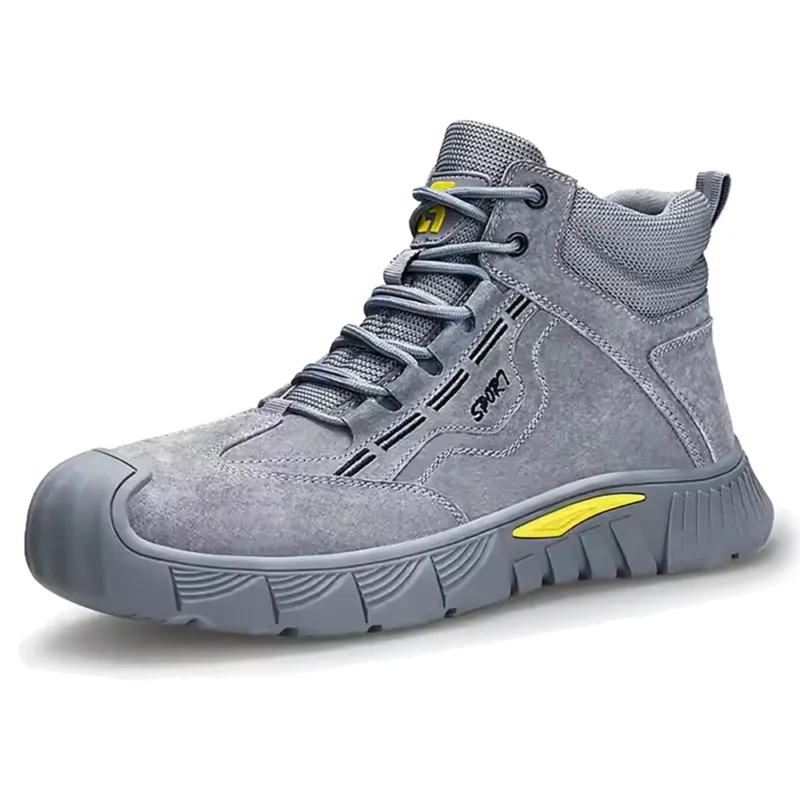
When your workday involves heavy machinery, falling objects, and unforgiving terrain, the Birks Defender Kevlar Steel Toe Safety Work Boots stand ready to protect you through it all. These boots deliver the exceptional durability, reliable protection, and all-day comfort you need to tackle any challenge and get the job done right, every single time.
Early Work Boots
Ancient civilizations used strong materials for protection. Roman soldiers wore caligae with hobnails. These offered grip and durability. Craftsmen wore simple leather clogs. These shoes protected feet from tools. The quality depended on the local shoemaker. Functionality drove every design choice. The construction was simple but strong. Footwear evolved slowly based on practical necessity.
Industrial Revolution Changes
The Industrial Revolution created new dangers. Factories used heavy machinery. Workers faced falling objects and crushing risks. Boot design changed rapidly. Manufacturers introduced the steel toe cap. This innovation provided superior impact resistance. Mass production made protective footwear available to more people. Standardized sizes improved fit. The military also influenced design. Durable materials became standard practice. The increased mechanization made stronger boots essential for safety.
Modern Safety Standards
Governments established safety regulations. These rules required specific protective features in boots. Organizations like ASTM International set performance benchmarks. These standards cover electrical hazard protection and slip resistance. Modern work boots meet strict criteria. Users rely on certifications for safety assurance. The focus today includes both protection and long-term comfort. OSHA mandates the use of approved safety footwear in many industries. This regulation drives innovation in boot design. Safety specifications now govern every component of the boot.
Technical Specifications Define Quality
High-quality work boots feature specific technical details. These components work together to ensure safety and comfort. Understanding these parts helps buyers select the best product. Buyers must consider material, construction, and safety ratings. These elements directly affect boot performance. High-rated boots use advanced materials for superior function.
Safety Toe Types
The safety toe guards the foot’s front section. Different materials offer different levels of protection and weight.
- Steel Toe: Steel provides the highest level of impact protection. Steel toes add significant weight to the boot. They conduct cold easily. Steel remains a popular and reliable choice. It meets the highest impact and compression standards required by safety bodies.
- Composite Toe: This toe uses materials like Kevlar, carbon fiber, or plastic. Composite toes are much lighter than steel. They do not conduct heat or cold. They offer excellent impact protection. Composite materials are a good option for electrical hazard areas. They meet non-metallic safety requirements for certain worksites.
- Alloy Toe: Aluminum or titanium makes an alloy toe. Alloy toes are thinner than steel toes. They offer comparable strength. These toes reduce the boot’s overall weight. They provide a good balance between lightness and protection. They are a premium alternative to traditional steel.
Internal Support and Material Choices
Work boots include internal parts for stability. The shank is a stiff plate located between the insole and outsole. It reduces the stress placed on the wearer’s calves. A shank improves support when standing on uneven ground. Steel shanks offer maximum support. Non-metallic shanks meet metal-free requirements. This internal support is crucial for long shifts.
The upper material is also critical. Full-grain leather resists moisture and lasts the longest. Synthetic materials are lighter and require less break-in time. Users must choose the material based on the job environment. Waterproof membranes are placed inside the material. These membranes keep water out. They also allow moisture vapor to escape.
Outsole Materials and Grip
The outsole touches the ground. It provides traction and protects the foot bottom. Different materials suit different hazards.
- Rubber: Rubber offers superior grip on many surfaces. It resists abrasion well. Different rubber compounds offer varying oil and chemical resistance. Nitrile rubber resists heat and oil very well. This makes it ideal for petroleum industries.
- Polyurethane (PU): PU outsoles are lightweight. They provide excellent shock absorption. PU often works well for indoor concrete floors. The material is also abrasion-resistant. PU provides a comfortable walking surface.
- Thermoplastic Polyurethane (TPU): TPU resists chemicals and oils strongly. It offers long-term wear resistance. TPU is often more durable than standard rubber. It maintains flexibility in cold temperatures. TPU offers a lighter option than traditional rubber.
The tread pattern determines slip resistance. Deep, wide treads work well outdoors. Shallow patterns suit industrial indoor settings. Users must match the outsole to their work environment. Look for specific oil-resistant and slip-resistant ratings stamped on the sole.
Construction Methods
Boot construction affects durability and repairability. The method joins the upper section to the sole.
- Goodyear Welt: This method uses a stitched strip of leather or canvas. The strip (welt) connects the upper, insole, and sole. This construction allows for resoling. Goodyear welted boots are very durable. They require a longer break-in period. The construction provides a sturdy platform and excellent moisture barrier.
- Cement Construction: Manufacturers glue the sole directly to the upper. This method makes a lightweight and flexible boot. Cemented boots are often less expensive. They typically cannot be resoled. They offer good shock absorption. This method is common in athletic-style work shoes.
- Direct Attach: The sole material is molded directly onto the upper. This creates a strong, water-resistant seal. Direct attach construction offers good comfort. This construction usually prevents resoling. It is highly effective for waterproofing. The seal remains tight throughout the boot’s life.
User Benefits of Superior Work Boots
Investing in top-rated work boots yields clear returns. Better boots protect the worker. They increase overall job performance. Good footwear is an essential safety tool for every employee.
Injury Prevention
Work boots prevent many common workplace injuries. Puncture-resistant plates guard against sharp objects below the foot. These plates are often made of steel or Kevlar. Metatarsal guards protect the upper foot bones from falling items. Boots with Electrical Hazard (EH) ratings insulate the wearer from electric currents. Slip-resistant soles prevent falls. Proper ankle support prevents twists and sprains. A quality boot reduces the risk of long-term foot problems like tendonitis.
Comfort and Fatigue Reduction
Long shifts require comfortable footwear. Poorly fitting or heavy boots increase muscle fatigue. High-rated boots feature cushioning midsoles. These midsoles absorb impact shock. Materials like EVA or polyurethane create this padding. Quality boots offer good arch support. Moisture-wicking liners keep feet dry. Dry feet prevent blisters and fungal issues. Reduced fatigue improves worker focus and productivity. Comfort directly influences daily work output. A comfortable foot reduces stress on the knees and back.
Durability and Value
Top-rated boots last longer. Their materials resist wear and tear better. Triple-stitching reinforces stress points. High-quality leather withstands harsh conditions. A longer lifespan means fewer replacements. The initial higher cost often results in lower cost over time. Durability provides better value. A durable boot maintains its safety features for years. This longevity represents real cost savings for the worker and the employer.
Top-Rated Work Boot Comparison
The best boot for a person depends on their specific job needs. The following table compares common categories of high-rated boots. This comparison helps clarify features.
| Boot Category | Safety Feature Focus | Primary Environment | Best Construction Type | Key Benefit | ASTM Standard Relevance |
| Heavy-Duty Logger Boot | Puncture, Ankle Support | Logging, Construction, Outdoors | Goodyear Welt | Extreme Durability | F2413 I/C/PR |
| Lightweight Hiker-Style | Slip Resistance, Flexibility | Warehousing, Light Industrial | Cement/Direct Attach | All-Day Comfort | F2413 I/C/SD |
| Electrical Hazard (EH) Boot | EH Protection, Impact Resistance | Utility, Electrician Work | Cement/Direct Attach | Electrical Safety | F2413 I/C/EH |
| Waterproof Mining Boot | Water Resistance, Impact | Mining, Wet Construction | Direct Attach | Dry Feet Protection | F2413 I/C/PR/Mt |
Note: I/C = Impact/Compression, PR = Puncture Resistance, SD = Static Dissipative, EH = Electrical Hazard, Mt = Metatarsal Guard. These are examples of common certifications.
This table shows a range of specialized footwear options. Each option serves a distinct purpose. Users must evaluate their personal hazards against these categories. Selecting a boot that meets the exact ASTM code is a critical safety step.
When your workday involves heavy machinery, falling objects, and unforgiving terrain, the Birks Defender Kevlar Steel Toe Safety Work Boots stand ready to protect you through it all. These boots deliver the exceptional durability, reliable protection, and all-day comfort you need to tackle any challenge and get the job done right, every single time.
Essential Work Boot Maintenance
Proper care extends the lifespan of any work boot. Maintenance protects the materials. It also maintains the safety features. Consistent care maximizes the investment. Neglecting basic steps shortens the boot’s useful life greatly.
Cleaning Procedures
Workers must clean boots regularly. Dirt and debris weaken leather fibers. Use a stiff brush to remove surface dirt. Clean the outsole tread of mud and stones. Use a mild soap and warm water. Avoid harsh chemicals that damage materials. Let the boots air dry naturally. Never use direct heat for drying. Heat causes leather to crack and curl. Clean boots look better. They perform better too.
Conditioning and Waterproofing
Leather requires regular conditioning. Conditioner restores natural oils. It prevents drying and cracking. Apply conditioner to clean, dry leather. Do not over-apply the product. Check product instructions for frequency. Reapply waterproofing sprays or waxes periodically. This maintains water resistance. A good seal keeps the boot interior dry. Waterproofing protects internal materials. Regular treatment prevents water damage to the stitching and leather.
Internal Care and Replacement Signals
Replace insoles when they become compressed. Worn insoles offer no support or cushioning. Use boot dryers to remove moisture from the inside. This prevents bacterial and odor buildup. Change socks daily for better foot hygiene. Boots have a limited useful life. The most important replacement signal is compromised safety.
- Look for cracks in the sole.
- Check for compression or damage to the safety toe cap.
- Examine stitching for broken threads.
- See if the tread is worn smooth.
- Notice if the heel counter loses shape.
Worn-out boots offer less protection. They also increase the risk of foot injury. Users must replace boots when damage occurs. Do not delay replacement for safety concerns. A damaged boot is a severe safety risk.
Steps for Selecting the Right Boot
The process of choosing the best work boot should be systematic. Buyers must consider their job, environment, and personal fit needs. Follow these steps for the best purchase decision.
- Assess Job Site Hazards: Determine the required safety rating. Do you need a safety toe? Is electrical hazard protection necessary? Is puncture resistance required? Use the job’s safety manual as a guide.
- Define Comfort Requirements: Consider the work duration. Do you stand all day? Do you climb ladders? Do you walk long distances? Choose lightweight materials for high mobility. Select cushioning for standing work. Foot health is extremely important.
- Check for Proper Fit: Try boots on later in the day. Feet swell naturally during the day. Ensure a half-inch of space in front of the longest toe. The heel should feel secure. Walk around for several minutes in the store. Proper fit prevents blisters and rubbing.
- Evaluate Construction: Match the construction type to the desired durability. Choose a Goodyear welt for resoling. Select cement construction for maximum flexibility. The construction method dictates longevity and repair options.
- Review Material Quality: Pick quality, full-grain leather for maximum life. Choose synthetic materials for quick drying. Ensure the liner provides proper moisture management. Better materials reduce the chance of boot failure.
- Verify Certifications: Confirm the boot meets ASTM or other relevant safety standards. Look for clear labeling of the safety features. A certified boot guarantees minimum performance levels. Never compromise on essential safety ratings.
Summary of Selection
Finding the best rated work boots requires a clear understanding of technical needs. History shows a steady path toward better protection. Modern boots offer specific safety features and high comfort. Users must prioritize their personal job hazards. Choose the correct safety toe and sole material. Consistent maintenance ensures maximum lifespan. Following a systematic selection process guarantees the right footwear choice. The right boot protects the worker and supports long-term health. Choosing quality is an investment in personal safety and daily comfort.
When your workday involves heavy machinery, falling objects, and unforgiving terrain, the Birks Defender Kevlar Steel Toe Safety Work Boots stand ready to protect you through it all. These boots deliver the exceptional durability, reliable protection, and all-day comfort you need to tackle any challenge and get the job done right, every single time.
