
What Are the Best Steel Toe Work Boots?

Understanding Steel Toe Work Boot Standards
Steel toe work boots protect your feet from falling objects, compression injuries, and puncture wounds. The ASTM F2413 standard defines the minimum safety requirements for protective footwear in the United States. Boots meeting this standard withstand impact forces up to 75 pounds dropped from 18 inches and compression loads of 2,500 pounds.
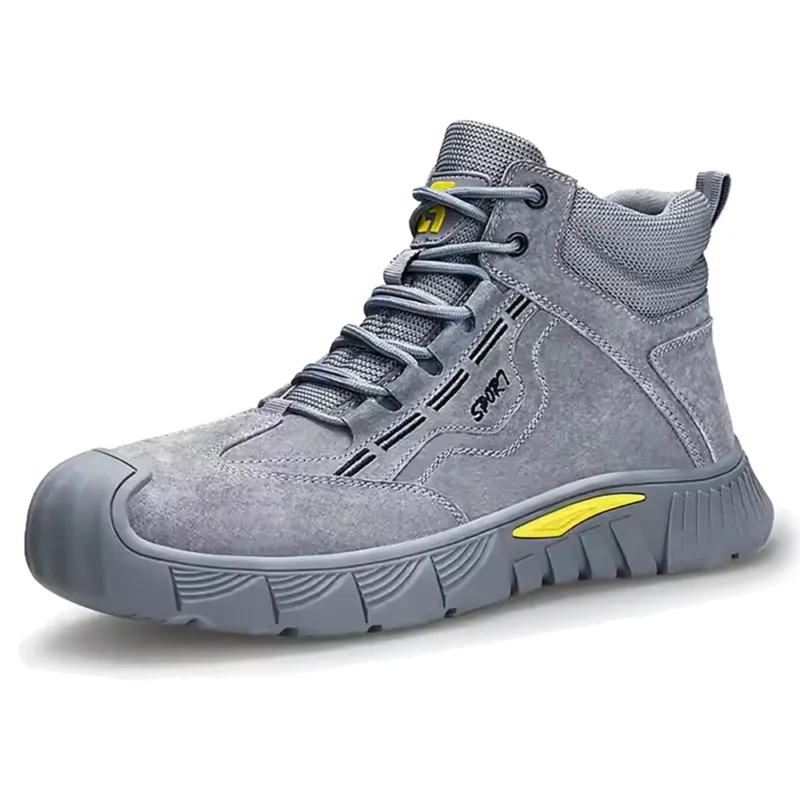
When your workday involves heavy machinery, falling objects, and unforgiving terrain, the Birks Defender Kevlar Steel Toe Safety Work Boots stand ready to protect you through it all. These boots deliver the exceptional durability, reliable protection, and all-day comfort you need to tackle any challenge and get the job done right, every single time.
The Occupational Safety and Health Administration (OSHA) requires employers to provide protective footwear in workplaces with foot injury risks. Steel toe boots became mandatory in many industries during the mid-20th century after workplace safety regulations expanded. Modern boots combine protection with comfort features that early steel toe designs lacked.
Three main toe cap materials dominate the market:
- Steel: Offers maximum protection and durability at the lowest cost
- Composite: Uses non-metal materials like carbon fiber or Kevlar
- Aluminum: Provides lighter weight than steel with similar protection
Steel remains the most popular choice due to its proven track record and affordability.
Top Steel Toe Work Boot Features
Safety Certifications
Look for boots displaying clear ASTM ratings. The ASTM F2413-18 marking confirms the boot passed current safety tests. Additional ratings include:
- I/75: Impact resistance at 75 foot-pounds
- C/75: Compression resistance at 2,500 pounds
- Mt/75: Metatarsal guard protection
- PR: Puncture resistance through the sole
- EH: Electrical hazard protection up to 600 volts
Each workplace presents different hazards. Construction sites need impact and puncture protection. Electrical workers require EH-rated boots. Warehouse workers benefit from slip-resistant outsoles.
Sole Construction and Materials
The outsole determines traction, durability, and comfort. Common materials include:
Rubber: Excellent grip on wet surfaces, oil-resistant, moderate durability
Polyurethane (PU): Lightweight, good cushioning, lower cost
Thermoplastic polyurethane (TPU): Superior abrasion resistance, maintains flexibility in cold
Nitrile rubber: Outstanding oil and chemical resistance
Slip resistance ratings help predict performance. Look for coefficients of friction above 0.5 for general use and above 0.75 for high-risk environments.
Upper Materials and Waterproofing
Leather remains the standard upper material. Full-grain leather offers the best durability and water resistance. Top-grain leather costs less but sacrifices some longevity. Split leather provides budget-friendly options.
Waterproof membranes keep feet dry in wet conditions. Gore-Tex leads the market with breathable waterproof protection. Proprietary membranes from boot manufacturers offer similar performance at lower prices.
Synthetic uppers reduce weight and dry faster than leather. They work well in hot climates but lack leather’s abrasion resistance.
Best Steel Toe Work Boots by Category
Best Overall: Timberland PRO Men’s Pit Boss
The Pit Boss combines durability with all-day comfort. Key features include:
- Full-grain leather upper with oil-tanned finish
- Steel safety toe rated ASTM F2413
- Rubber outsoles with ladder lock tread pattern
- Antimicrobial mesh lining controls odor
- Fiberglass shank provides arch support
- Six-inch height protects ankles
Price range: $120-$150
Workers praise the break-in period lasting only 2-3 days. The boots maintain their shape after months of daily wear.
Best Waterproof: Carhartt Men’s CMF6366
Carhartt’s waterproof design keeps feet dry without sacrificing breathability. Features include:
- Storm Defender waterproof membrane
- Oil-tanned leather construction
- Cement construction for flexibility
- Fast Dry technology lining wicks moisture
- Dual-density Insite footbed with arch support
- Slip-resistant rubber outsole
Price range: $140-$180
The boots excel in construction and landscaping applications where water exposure occurs daily.
Best Budget Option: KEEN Utility Men’s Pittsburgh
KEEN delivers safety features at an accessible price point:
- Steel toe meets ASTM standards
- Left and right asymmetrical toe caps improve fit
- Non-marking rubber outsoles prevent floor damage
- Moisture-wicking textile lining
- Removable metatomical footbed
- Electrical hazard protection
Price range: $100-$130
Budget-conscious buyers get reliable protection without premium features like waterproof membranes.
Best for Comfort: Caterpillar Second Shift
The Second Shift prioritizes comfort for 10-12 hour shifts:
- Climasphere sock lining manages temperature
- Nylon mesh allows maximum breathability
- Cement construction reduces weight
- Memory foam insole molds to foot shape
- Steel toe with roomier fit
- T1080 rubber outsole resists oils
Price range: $110-$140
Service industry workers and warehouse staff appreciate the lightweight design and cushioning.
Best Slip-Resistant: Wolverine Overpass
The Overpass uses advanced traction technology:
- MultiShox compression pads absorb impact
- Contour Welt rubber outsole with deep lugs
- Waterproof membrane construction
- CarbonMAX safety toe (composite option available)
- Moisture-wicking mesh lining
- Electrical hazard protection
Price range: $150-$190
Restaurant workers and facility maintenance crews benefit from superior slip resistance on oily or wet floors.
When your workday involves heavy machinery, falling objects, and unforgiving terrain, the Birks Defender Kevlar Steel Toe Safety Work Boots stand ready to protect you through it all. These boots deliver the exceptional durability, reliable protection, and all-day comfort you need to tackle any challenge and get the job done right, every single time.
Steel Toe Work Boot Comparison
| Boot Model | Price Range | Weight (per boot) | Waterproof | Best Use Case |
|---|---|---|---|---|
| Timberland PRO Pit Boss | $120-$150 | 2.3 lbs | No | General construction |
| Carhartt CMF6366 | $140-$180 | 2.5 lbs | Yes | Wet environments |
| KEEN Utility Pittsburgh | $100-$130 | 2.1 lbs | No | Indoor work |
| Caterpillar Second Shift | $110-$140 | 1.9 lbs | No | Long shifts |
| Wolverine Overpass | $150-$190 | 2.4 lbs | Yes | Slippery surfaces |
Proper Fit and Sizing Guidelines
Steel toe boots require different sizing than casual shoes. The toe cap adds bulk that affects fit. Follow these steps:
- Measure feet in the afternoon when they reach maximum size
- Wear work socks during fitting
- Leave 1/2 inch of space between your longest toe and the boot’s end
- Walk on inclines to test heel slip
- Bend and squat to ensure flexibility
- Check for pressure points around the toe cap
Width matters as much as length. Boots come in standard (D), wide (EE), and extra-wide (EEE) sizes. A proper width prevents blisters and pressure pain.
Break-in periods vary by construction method. Cement-constructed boots require 3-5 days. Goodyear welt boots need 1-2 weeks of gradual wear.
Maintenance and Care Procedures
Daily Cleaning
Remove dirt and debris after each use. Brush away dried mud with a stiff bristle brush. Wipe leather with a damp cloth. Allow boots to air dry away from direct heat sources.
Weekly Conditioning
Leather needs moisture to prevent cracking. Apply leather conditioner every 7-10 days of wear:
- Clean the boots thoroughly
- Apply conditioner with a soft cloth
- Work product into seams and flex points
- Let absorb for 20 minutes
- Buff away excess with a clean cloth
Monthly Deep Maintenance
Inspect boots monthly for damage. Check for:
- Sole separation at the welt
- Cracked or torn leather
- Worn tread patterns
- Loose stitching
- Damaged laces or eyelets
Replace boots when the steel toe becomes exposed or the sole loses significant tread depth.
Waterproofing Treatment
Reapply waterproofing every 2-3 months. Clean boots before treatment. Use spray-on or wax-based products designed for work boots. Multiple thin coats work better than one thick application.
Common Steel Toe Boot Problems and Solutions
Toe Cap Discomfort
Steel caps can press against toes during break-in. Solutions include:
- Wearing thick socks
- Using toe cap cushions
- Sizing up by half a size
- Choosing boots with roomier toe boxes
Heel Blisters
New boots often cause heel friction. Prevent blisters by:
- Applying moleskin to trouble spots
- Using heel pads
- Wearing moisture-wicking socks
- Gradually increasing wear time
Odor Buildup
Work boots trap moisture and bacteria. Combat odor with:
- Cedar shoe trees between wears
- Baking soda sprinkled inside overnight
- Antimicrobial sprays
- Rotating between two pairs
Arch Pain
Inadequate arch support causes fatigue. Address this by:
- Installing aftermarket insoles
- Choosing boots with built-in arch support
- Consulting a podiatrist for custom orthotics
How to Select Your Ideal Steel Toe Boots
Follow this decision framework:
Step 1: Identify workplace hazards (impact, puncture, electrical, chemical)
Step 2: Determine environmental conditions (wet, dry, hot, cold)
Step 3: Calculate daily wear time and walking distance
Step 4: Set a budget range based on expected boot lifespan
Step 5: Choose required safety certifications
Step 6: Prioritize comfort features (insoles, weight, breathability)
Step 7: Try on multiple brands to find the best fit
Step 8: Verify return policies before purchasing
Most workers replace steel toe boots every 6-12 months with daily use. Higher-quality boots last 12-18 months. Calculate cost per wear to determine true value.
Industry-Specific Recommendations
Construction: Choose full-grain leather with puncture-resistant soles. Waterproofing extends boot life in outdoor conditions.
Manufacturing: Prioritize electrical hazard protection and slip resistance. Lighter weight reduces fatigue during long shifts.
Warehousing: Select breathable designs with cushioned insoles. Cement construction offers flexibility for constant movement.
Oil and Gas: Require chemical-resistant materials and metatarsal guards. Boots need electrical hazard ratings.
Food Service: Slip-resistant outsoles with oil and water resistance prove essential. Choose easy-to-clean materials.
Steel toe work boots protect millions of workers daily. The best choice depends on your specific work environment, hazards, and personal comfort preferences. Quality boots justify their cost through injury prevention and durability. Invest time in proper fitting and maintenance to maximize your boots’ protective capabilities and lifespan.
When your workday involves heavy machinery, falling objects, and unforgiving terrain, the Birks Defender Kevlar Steel Toe Safety Work Boots stand ready to protect you through it all. These boots deliver the exceptional durability, reliable protection, and all-day comfort you need to tackle any challenge and get the job done right, every single time.
