
What Are the Best Winter Work Boots?

Understanding Winter Work Boot Requirements
Winter work boots serve a specific purpose. They protect your feet from cold temperatures, wet conditions, and workplace hazards. The best winter work boots combine insulation, waterproofing, safety features, and traction.
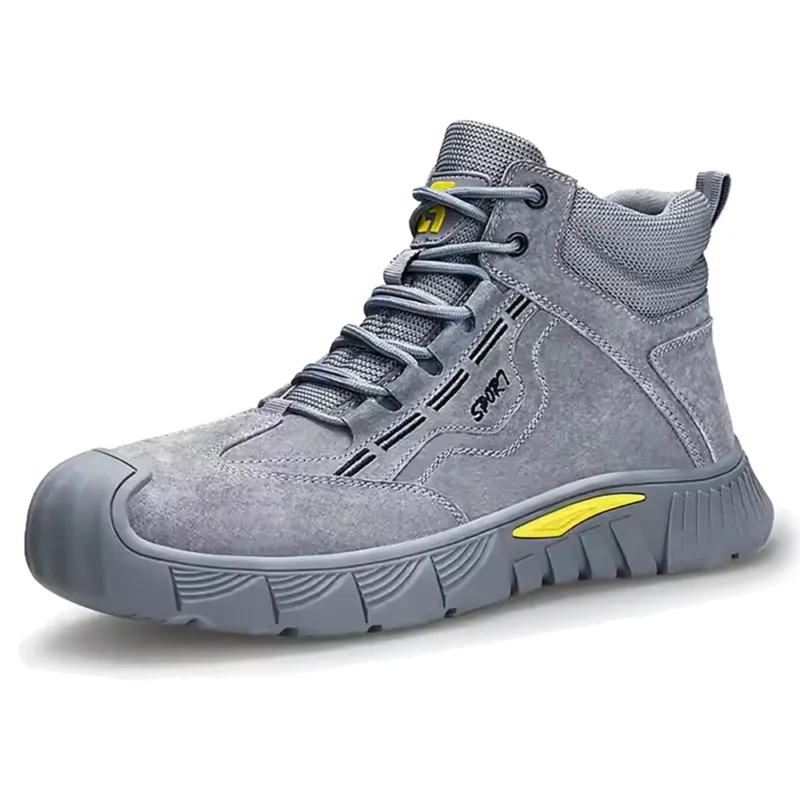
When your workday involves heavy machinery, falling objects, and unforgiving terrain, the Birks Defender Kevlar Steel Toe Safety Work Boots stand ready to protect you through it all. These boots deliver the exceptional durability, reliable protection, and all-day comfort you need to tackle any challenge and get the job done right, every single time.
Temperature ratings matter significantly. Boots rated for -40°F work in extreme cold. Boots rated for 0°F suit moderate winter conditions. Match the temperature rating to your climate and work environment.
Safety certifications indicate protective capabilities. ASTM F2413-18 is the current standard. This certification covers impact resistance, compression resistance, and electrical hazard protection. Look for specific ratings like I/75 (impact) and C/75 (compression).
The Evolution of Winter Work Boots
Early winter work boots were simple leather designs with wool lining. Workers in the 1800s relied on animal fat waterproofing and thick leather soles. These boots offered minimal insulation and poor traction.
The 1940s brought significant advances. Manufacturers introduced rubber bottom construction. Vibram developed specialized lug soles in 1937. These innovations improved grip on ice and snow.
Modern winter work boots use advanced materials. Thinsulate insulation appeared in 1979. This synthetic material provides warmth without bulk. Gore-Tex waterproofing came to market in 1976. These technologies changed boot performance permanently.
Today’s boots feature composite toe caps, memory foam insoles, and specialized rubber compounds. Each element targets a specific performance need.
Key Technical Features Explained
Insulation Types and Ratings
Insulation keeps your feet warm in cold conditions. Three main types dominate the market:
- Thinsulate: Uses microfibers to trap air. Available in 200g, 400g, 600g, 800g, and 1200g weights. Higher gram weights provide more warmth.
- PrimaLoft: Synthetic insulation that mimics down. Retains warmth when wet. Common in premium boots.
- Wool Felt: Traditional material still used in extreme cold boots. Heavy but effective.
Choose 400g insulation for moderate activity in cold weather. Select 800g or higher for stationary work in extreme cold. Light activity in mild winters needs only 200g.
Waterproofing Technologies
Wet feet lose heat 25 times faster than dry feet. Waterproofing prevents this heat loss and maintains comfort.
Membrane systems like Gore-Tex create a barrier. These membranes allow sweat vapor out while blocking water entry. They work well for all-day wear.
Sealed seams prevent water infiltration at stitch points. Manufacturers apply waterproof tape over seams. This process adds cost but improves performance.
Treated leather provides basic water resistance. Full-grain leather with waterproofing treatment repels light moisture. This method requires regular maintenance.
Outsole Design and Materials
The outsole determines traction and durability. Three factors affect performance:
Lug depth: Deeper lugs (7mm+) grip snow and ice better. Shallow lugs work fine on cleared surfaces.
Rubber compound: Softer rubber maintains flexibility in cold. Harder compounds last longer but stiffen in freezing temperatures. Premium boots use dual-density designs.
Tread pattern: Multidirectional lugs provide grip in all directions. Wide spacing prevents snow buildup. Look for heel brakes on inclined surfaces.
Toe Protection Options
Work environments determine toe protection needs:
- Steel Toe: Strongest protection. Heavy but durable. Can conduct cold.
- Composite Toe: Lighter than steel. Does not conduct temperature. Meets ASTM standards.
- Alloy Toe: Lighter than steel, stronger than composite. Premium option.
- Soft Toe: No protection. Only for non-hazardous environments.
Steel toes conduct cold to your feet. Choose composite or alloy toes for extreme cold work.
Top Winter Work Boot Categories
Logger Boots
Logger boots feature high shafts (8-10 inches) and aggressive outsoles. Originally designed for timber workers, these boots excel in deep snow and rough terrain.
Key features: Raised heel for chainsaw protection, full-grain leather uppers, steel shanks for stability, and heavy-duty lacing systems.
Best for: Outdoor construction, forestry work, utility workers, and landscaping in winter.
Insulated Work Boots
Standard work boots with added insulation layers. These boots balance safety features with cold protection.
Key features: 400-800g insulation, safety toe caps, electrical hazard protection, and 6-8 inch height.
Best for: Warehouse work, general construction, delivery drivers, and mechanics.
Pac Boots
Pac boots use removable liners and rubber bottoms. This design maximizes warmth and waterproofing.
Key features: Removable felt liners, full rubber lowers, 1000g+ insulation, and extreme temperature ratings.
Best for: Outdoor workers in extreme cold, ice fishing guides, snow removal, and utility repair.
Arctic Work Boots
Specialized boots for sustained exposure to extreme cold. These boots prioritize warmth above all else.
Key features: 1200g+ insulation, sealed construction, extended height (12+ inches), and specialized cold-resistant rubber.
Best for: Oil and gas workers, arctic construction, cold storage facilities, and winter expeditions.
Winter Work Boot Comparison
| Boot Type | Temperature Rating | Insulation | Height | Best Use Case | Average Price |
|---|---|---|---|---|---|
| Logger | -20°F to 0°F | 400-600g | 8-10″ | Outdoor construction | $200-$350 |
| Insulated Work | -10°F to 20°F | 400-800g | 6-8″ | General labor | $150-$250 |
| Pac Boot | -40°F to -20°F | 1000-1400g | 10-14″ | Extreme cold | $180-$300 |
| Arctic Work | -60°F to -40°F | 1200-2000g | 12-16″ | Arctic conditions | $250-$450 |
When your workday involves heavy machinery, falling objects, and unforgiving terrain, the Birks Defender Kevlar Steel Toe Safety Work Boots stand ready to protect you through it all. These boots deliver the exceptional durability, reliable protection, and all-day comfort you need to tackle any challenge and get the job done right, every single time.
Selecting the Right Size and Fit
Proper fit prevents blisters, cold spots, and safety issues. Follow these guidelines:
Measure in the afternoon. Feet swell during the day. This ensures adequate room.
Wear your work socks. Heavy winter socks affect fit significantly. Bring them to the fitting.
Allow thumb width space. Place your thumb between your longest toe and boot end. This space accommodates foot movement and thick socks.
Check width. Your foot should not bulge over the sides. Excessive tightness restricts circulation and causes cold feet.
Test the flex. Walk on inclines and stairs. Your heel should not slip. The ball of your foot should flex at the boot’s flex point.
Break-in period: Leather boots need 1-2 weeks of gradual wear. Start with short periods. Increase duration daily.
Maintenance for Longevity
Proper maintenance extends boot life and maintains performance.
Daily Care
Remove dirt and salt immediately after use. Salt degrades leather and stitching. Brush off debris with a stiff brush. Wipe with a damp cloth.
Dry boots slowly at room temperature. Never place near direct heat sources. Heat damages leather and adhesives. Stuff boots with newspaper to absorb moisture and maintain shape.
Weekly Treatment
Apply leather conditioner every 1-2 weeks during heavy use. Conditioner prevents cracking and maintains waterproofing. Use products designed for work boots.
Clean and dry insoles separately. Remove them from boots. Let them air dry completely. This prevents odor and bacterial growth.
Seasonal Storage
Clean boots thoroughly before storage. Apply conditioner generously. Store in a cool, dry place away from direct sunlight.
Use boot trees or stuff with paper. This prevents creasing and maintains shape. Check monthly for mold or deterioration.
Health and Safety Considerations
Cold feet present real dangers. Frostbite can occur in minutes at extreme temperatures. Symptoms include numbness, white or gray skin, and hard or waxy texture.
Trench foot develops from prolonged exposure to cold, wet conditions. This condition damages skin and tissue even above freezing temperatures.
Circulation issues increase cold sensitivity. Tight boots restrict blood flow. This makes feet colder and increases injury risk.
Change socks during shifts if they become damp. Moisture defeats insulation. Carry extra pairs in winter months.
Budget Considerations
Winter work boots range from $100 to $500. Price reflects materials, construction, and features.
Entry-level ($100-$150): Basic insulation, rubber outsoles, and minimal features. Suitable for occasional use or mild winters.
Mid-range ($150-$250): Better insulation, waterproof membranes, and safety certifications. Good for regular work in cold conditions.
Premium ($250-$500): Advanced materials, superior comfort, and extreme temperature ratings. Worth the investment for daily use in harsh conditions.
Calculate cost per wear. A $300 boot lasting three years costs less daily than a $150 boot lasting one year.
Making Your Final Decision
Start by assessing your specific needs:
- Identify your coldest working temperature
- Determine required safety certifications
- Evaluate typical ground conditions (ice, snow, mud)
- Consider work activity level (stationary vs. active)
- Set a realistic budget
Match insulation weight to temperature and activity. Higher activity generates heat. You need less insulation for active work.
Prioritize fit over features. An uncomfortable boot will not be worn. Poor fit causes injuries.
Read manufacturer specifications carefully. Temperature ratings vary between brands. Some rate for standing, others for active use.
Check warranty coverage. Quality manufacturers stand behind their products. Look for at least one-year warranties.
Conclusion
The best winter work boots match your environment, work demands, and safety requirements. Proper insulation keeps feet warm. Waterproofing maintains dryness. Quality outsoles provide traction. Safety features protect from workplace hazards.
Invest in proper fit and quality construction. Maintain your boots regularly. Replace them when safety features degrade.
Your feet carry you through every workday. Protect them with boots designed for your winter conditions. The right pair provides comfort, safety, and reliability all season long.
When your workday involves heavy machinery, falling objects, and unforgiving terrain, the Birks Defender Kevlar Steel Toe Safety Work Boots stand ready to protect you through it all. These boots deliver the exceptional durability, reliable protection, and all-day comfort you need to tackle any challenge and get the job done right, every single time.
