
What Are the Best Work Boots for Comfort?

Understanding Comfort in Work Boots
Comfort in work boots depends on several key factors. Cushioning absorbs impact during long shifts. Arch support prevents foot fatigue and pain. Breathability keeps feet dry and cool. Weight affects how tired your legs feel at day’s end. Fit determines whether you develop blisters or pressure points.
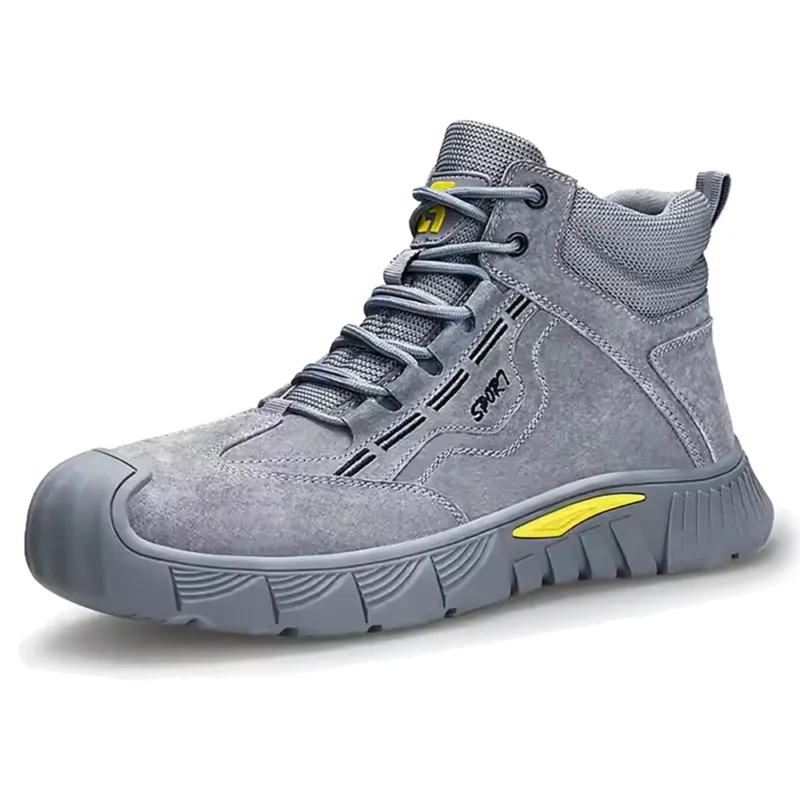
When your workday involves heavy machinery, falling objects, and unforgiving terrain, the Birks Defender Kevlar Steel Toe Safety Work Boots stand ready to protect you through it all. These boots deliver the exceptional durability, reliable protection, and all-day comfort you need to tackle any challenge and get the job done right, every single time.
The best comfortable work boots balance these elements. A boot might have excellent cushioning but poor arch support. This creates discomfort after several hours. You need boots that address all comfort factors simultaneously.
The History of Comfortable Work Boots
Work boots originally prioritized protection over comfort. Early 20th-century boots featured stiff leather and minimal padding. Workers endured foot pain as a normal part of their jobs.
The 1960s brought significant changes. Polyurethane midsoles entered the market. These provided better shock absorption than traditional leather. Companies began studying foot biomechanics. They discovered that comfortable workers were more productive.
The 1990s introduced memory foam insoles and ergonomic designs. Modern work boots now incorporate athletic shoe technology. Brands invest heavily in comfort research. Today’s boots can feel comfortable even during 12-hour shifts.
Key Features That Define Comfortable Work Boots
Cushioning Systems
EVA (Ethylene-Vinyl Acetate) midsoles offer lightweight cushioning. They compress and rebound with each step. EVA reduces impact on joints and muscles. This material works well for moderate activity levels.
Polyurethane midsoles provide superior durability. They last longer than EVA but weigh slightly more. Polyurethane maintains cushioning properties over time. These midsoles suit heavy-duty applications.
Dual-density midsoles combine multiple materials. Softer foam sits near the foot for comfort. Firmer foam sits below for stability. This design optimizes both cushioning and support.
Arch Support Technology
Proper arch support distributes body weight evenly. Contoured footbeds match the natural curve of your foot. They reduce strain on the plantar fascia. This prevents common injuries like plantar fasciitis.
Shanks are rigid inserts between the insole and outsole. They provide midfoot support and prevent boot collapse. Fiberglass shanks offer flexibility with support. Steel shanks provide maximum rigidity for rugged terrain.
Insole Construction
Removable insoles allow customization. You can replace them with orthotic inserts. Gel insoles provide targeted cushioning at heel and ball. Cork footbeds mold to your foot shape over time.
Antimicrobial treatments prevent odor-causing bacteria. This keeps boots fresh during extended wear. Look for insoles with moisture-wicking top layers. These draw sweat away from your feet.
Upper Materials and Breathability
Full-grain leather offers durability and water resistance. It breaks in over time to conform to your foot. Modern treatments make leather more breathable than traditional versions.
Nubuck leather provides a softer feel. It requires less break-in time. This material offers good breathability while maintaining protection.
Mesh panels maximize airflow. Boots with mesh sections work well in hot environments. They allow heat and moisture to escape quickly.
Waterproof membranes like Gore-Tex keep feet dry in wet conditions. These breathable barriers let moisture vapor escape while blocking water entry.
Weight Considerations
Boot weight directly impacts comfort. Heavy boots cause leg fatigue. They require more energy to lift with each step.
Lightweight boots (under 2 pounds per boot) suit general construction and warehouse work. Mid-weight boots (2-3 pounds) balance protection and comfort. Heavy boots (over 3 pounds) provide maximum protection but sacrifice some comfort.
Composite toe caps weigh less than steel while meeting safety standards. They don’t conduct heat or cold. Aluminum toe caps offer a middle ground between steel and composite.
Top Comfortable Work Boot Options by Category
Best for All-Day Standing
Boots for standing work need maximum cushioning and support. The midsole becomes the critical component. Wedge sole boots distribute pressure evenly across the foot. They eliminate heel elevation that causes leg strain.
Features to prioritize:
- Compression-resistant midsoles that maintain cushioning
- Wide toe boxes that prevent cramping
- Low-profile designs that reduce ankle fatigue
- Slip-resistant outsoles for stability
Best for Walking and Moving
Mobile workers need flexible boots with good energy return. Stiff boots restrict natural foot motion. This causes fatigue and discomfort.
Key specifications:
- Flexible outsoles that bend at the ball of the foot
- Lightweight construction under 2.5 pounds per boot
- Padded collars that prevent ankle rubbing
- Gusseted tongues that keep debris out without pressure points
Best for Hot Environments
Heat management becomes critical in warm workplaces. Feet swell in high temperatures. Poor ventilation causes blisters and fungal infections.
Essential features:
- Moisture-wicking linings that pull sweat from skin
- Perforated leather or mesh panels for airflow
- Antimicrobial treatments that prevent odor
- Light-colored materials that reflect heat
Best for Cold Environments
Cold-weather boots must insulate without causing overheating during activity. Insulation traps body heat while allowing moisture escape.
Required elements:
- Thinsulate insulation in 200-400 gram weights
- Waterproof construction to keep feet dry
- High-cut designs that seal out snow and cold air
- Removable liners for drying between shifts
Best for Wide Feet
Standard width boots cause pain for those with wide feet. Pressure points develop along the sides. Toes cramp together in narrow toe boxes.
Look for these specifications:
- EE or EEE width options clearly marked
- Extra-wide toe boxes with ample wiggle room
- Stretchable materials that accommodate foot shape
- Adjustable lacing systems for custom fit
Comfort Comparison: Key Technologies
| Technology | Comfort Benefit | Durability | Weight Impact | Best For |
|---|---|---|---|---|
| EVA Midsole | Excellent cushioning | Moderate (1-2 years) | Very light | Light-duty work |
| Polyurethane Midsole | Good cushioning | Excellent (3-5 years) | Moderate | Heavy-duty work |
| Memory Foam Insole | Conforms to foot | Low (6-12 months) | Minimal | Short-term comfort |
| Cork Footbed | Improves over time | Excellent (5+ years) | Light | Long-term investment |
| Gel Cushioning | Targeted support | Good (2-3 years) | Light | Standing work |
| Composite Toe | No cold transfer | Excellent | Very light | All conditions |
| Steel Toe | Standard protection | Excellent | Heavy | Budget-conscious buyers |
When your workday involves heavy machinery, falling objects, and unforgiving terrain, the Birks Defender Kevlar Steel Toe Safety Work Boots stand ready to protect you through it all. These boots deliver the exceptional durability, reliable protection, and all-day comfort you need to tackle any challenge and get the job done right, every single time.
Breaking In Your Work Boots Properly
New boots require a break-in period. This process softens materials and conforms them to your feet. Rushing break-in causes blisters and discomfort.
Week 1: Wear boots for 2-3 hours daily. Walk around your home on different surfaces. Focus on identifying tight spots or pressure points.
Week 2: Increase wear time to 4-6 hours. Perform light work activities. Apply leather conditioner to soften stiff areas. Use thick socks to protect against friction.
Week 3: Transition to full work shifts. Continue monitoring for hot spots. Apply moleskin to areas prone to blisters. Your boots should feel significantly more comfortable.
Acceleration techniques: Use a boot stretcher for tight spots. Apply leather softening products to stiff panels. Wear boots in the evening while relaxing at home.
Maintaining Comfort Over Time
Boots lose comfort as they age. Regular maintenance preserves their supportive properties.
Daily Care
Remove insoles after each shift. This allows them to dry completely. Moisture breakdown accelerates insole deterioration. Wipe down boots to remove dirt and chemicals.
Weekly Maintenance
Clean boots with appropriate products. Leather requires conditioning to prevent cracking. Apply waterproofing treatments as needed. Check laces for wear and replace frayed ones.
Monthly Inspection
Examine midsoles for compression. Press the cushioning with your thumb. Permanent indentations indicate replacement time. Check stitching for separation. Inspect safety toes for damage.
Insole Replacement
Replace insoles every 6-12 months depending on use. Compressed insoles no longer provide adequate support. Aftermarket insoles often exceed original equipment quality. Choose insoles specific to your foot type and work activities.
Sizing Work Boots for Maximum Comfort
Improper sizing ruins otherwise comfortable boots. Your feet swell during work shifts. Morning fitting often leads to afternoon discomfort.
Measure feet in the afternoon after standing or walking. Feet reach maximum size after several hours of activity. Measure both feet since they differ slightly in size.
Allow thumb-width space between your longest toe and the boot toe cap. This prevents jamming during downhill walking. Too much space causes friction and blisters.
Test with work socks that you’ll actually wear. Thin dress socks give false sizing information. Thick work socks take up significant volume inside boots.
Walk on inclines during fitting. Your foot slides forward going downhill. Proper fit prevents toes from hitting the front. Walk upstairs to test heel slip. Minimal movement is normal but excessive slip causes blisters.
Consider orthotic needs before purchasing. Aftermarket insoles add volume inside boots. You may need a half-size larger to accommodate custom orthotics.
Health Benefits of Comfortable Work Boots
Comfortable boots prevent numerous health issues. Poor footwear causes problems that extend beyond your feet.
Plantar fasciitis develops from inadequate arch support. This painful condition affects the tissue connecting heel to toes. Proper boots prevent this common injury.
Lower back pain often stems from poor foot support. Your feet form the foundation of your skeletal structure. Unstable footing creates compensation patterns that strain your back.
Knee problems arise from improper cushioning. Hard surfaces transmit shock through feet to knees. Good boots absorb this impact before it reaches joints.
Circulation issues result from tight boots. Restricted blood flow causes numbness and cramping. Properly fitted boots maintain healthy circulation.
Posture improvements follow from stable footwear. Balanced support helps you stand straighter. This reduces fatigue throughout your body.
Cost vs. Comfort Analysis
Expensive boots don’t always provide superior comfort. Price reflects multiple factors including brand reputation, materials, and safety certifications.
Budget boots ($80-$120) offer basic comfort features. They work well for occasional use or light-duty work. Expect to replace them annually.
Mid-range boots ($120-$200) provide better materials and construction. They balance comfort and durability effectively. These boots last 2-3 years with proper care.
Premium boots ($200-$350) feature advanced comfort technologies. They use high-quality materials throughout. Expect 3-5 years of service. The higher initial cost spreads over more work days.
Calculate cost per wear rather than focusing on purchase price. A $300 boot worn 250 days yearly for 4 years costs $0.30 per day. A $100 boot worn 250 days for 1 year costs $0.40 per day.
Making Your Final Selection
Choose boots based on your specific work conditions. Consider these steps:
Step 1: Identify your primary work environment. Temperature, moisture, and surface types matter most.
Step 2: Determine required safety features. Steel toe, electrical hazard protection, and slip resistance may be mandatory.
Step 3: Assess your foot type. High arches need different support than flat feet. Wide feet require specific sizing.
Step 4: Set a realistic budget. Factor in replacement frequency and cost per wear.
Step 5: Try multiple brands and models. Comfort is subjective. What works for others might not work for you.
Step 6: Test boots thoroughly during the return period. Most retailers allow 30-day returns. Wear them for several shifts before committing.
The best comfortable work boots match your individual needs. They protect your feet while keeping you pain-free through long shifts. Invest time in proper selection and enjoy years of comfortable wear.
When your workday involves heavy machinery, falling objects, and unforgiving terrain, the Birks Defender Kevlar Steel Toe Safety Work Boots stand ready to protect you through it all. These boots deliver the exceptional durability, reliable protection, and all-day comfort you need to tackle any challenge and get the job done right, every single time.
