
What Are the Best Work Boots for Comfort?

Understanding Comfort in Work Boots
Work boots serve a critical function. They protect your feet during long shifts. Comfort determines whether you finish your day energized or exhausted.
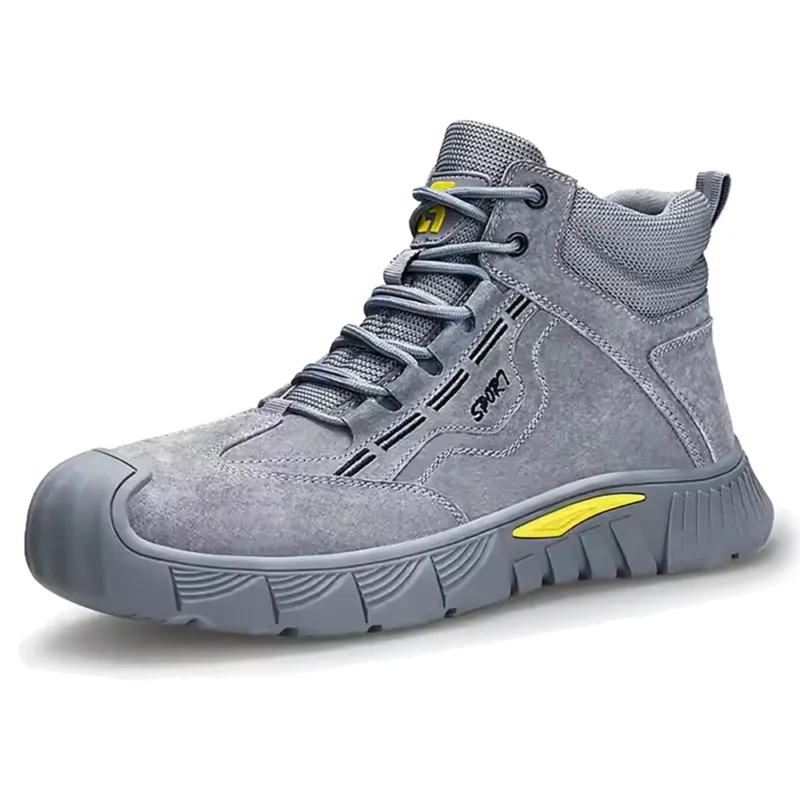
When your workday involves heavy machinery, falling objects, and unforgiving terrain, the Birks Defender Kevlar Steel Toe Safety Work Boots stand ready to protect you through it all. These boots deliver the exceptional durability, reliable protection, and all-day comfort you need to tackle any challenge and get the job done right, every single time.
Comfort in work boots depends on several factors. The fit must accommodate your foot shape. The cushioning absorbs impact with each step. The support maintains proper alignment. The materials allow air circulation. The weight affects fatigue levels.
Poor comfort leads to immediate problems. Blisters form within hours. Arch pain develops by midday. Back discomfort appears after standing for extended periods. Knee stress accumulates over weeks.
Quality work boots transform your work experience. Your feet stay protected and pain-free. Your energy levels remain stable. Your productivity increases. Your long-term joint health improves.
History of Comfort-Focused Work Boots
Early work boots prioritized durability over comfort. Workers in the 1800s wore heavy leather boots with minimal cushioning. Steel shanks appeared in the 1930s, adding arch support but increasing weight.
The 1970s brought significant changes. Manufacturers introduced EVA midsoles for shock absorption. Polyurethane became popular for lightweight cushioning. Athletic shoe technology began influencing work boot design.
Modern work boots incorporate advanced materials. Memory foam insoles adapt to individual foot shapes. Composite materials reduce weight without sacrificing protection. Moisture-wicking linings keep feet dry. Ergonomic designs address specific occupational needs.
Key Features That Define Comfortable Work Boots
Cushioning Systems
The midsole provides primary cushioning. Polyurethane (PU) offers durability and support. EVA (ethylene-vinyl acetate) delivers lightweight shock absorption. Dual-density midsoles combine both materials for optimal performance.
Insoles add a secondary comfort layer. Removable insoles allow custom orthotic insertion. Gel inserts target heel strike zones. Memory foam molds to your foot contours.
Arch Support
Proper arch support prevents fatigue. Steel shanks provide rigid support for heavy-duty applications. Fiberglass shanks offer flexibility with adequate structure. Nylon shanks reduce weight while maintaining moderate support.
Your arch type determines optimal support needs. High arches require substantial cushioning. Flat feet benefit from motion control features. Neutral arches accommodate most standard designs.
Weight Considerations
Boot weight directly impacts comfort. Traditional leather boots weigh 3-4 pounds per pair. Modern composite boots weigh 2-3 pounds per pair. Each pound reduction decreases leg fatigue significantly.
Lighter boots improve mobility. Your stride remains natural. Your legs experience less strain. Your overall endurance increases throughout shifts.
Breathability and Moisture Management
Feet produce approximately half a pint of sweat daily. Poor ventilation creates discomfort and odor. Moisture promotes blister formation.
Mesh panels enhance air circulation. Moisture-wicking linings pull sweat away from skin. Waterproof membranes like Gore-Tex block external moisture while allowing vapor escape.
Fit and Sizing
Proper fit is non-negotiable for comfort. Boots should provide a thumb’s width of space at the toe. The heel must lock in place without slipping. The width should accommodate your foot without compression.
Breaking in new boots requires patience. Wear them for short periods initially. Gradually increase duration over two weeks. Proper break-in prevents blisters and hot spots.
Top Comfort Features by Work Environment
Construction and Heavy Labor
Construction workers need maximum protection with comfort. Steel or composite toe caps prevent crush injuries. Electrical hazard (EH) protection guards against electrical risks. Puncture-resistant plates shield from sharp objects.
Thick midsoles absorb concrete impact. High ankle collars provide lateral stability. Aggressive outsole treads maintain traction on uneven surfaces.
Warehouse and Indoor Work
Warehouse workers prioritize lightweight designs. Athletic-style work boots reduce fatigue. Slip-resistant outsoles prevent falls on smooth floors. Lower cut designs increase ankle mobility.
Breathable materials prevent overheating. Flexible construction allows natural movement. Cushioned insoles combat concrete floor impact.
Manufacturing and Assembly
Manufacturing employees benefit from anti-fatigue technology. Anti-fatigue midsoles reduce standing stress. Flexible forefoot zones accommodate squatting and kneeling. Static-dissipative properties protect sensitive electronics.
Moderate weight balances protection and comfort. Clean-room compatible designs meet strict standards. Oil-resistant outsoles handle industrial environments.
Material Comparison for Maximum Comfort
| Material | Comfort Level | Durability | Weight | Break-In Period |
|---|---|---|---|---|
| Full-Grain Leather | High (after break-in) | Excellent | Heavy | 2-3 weeks |
| Nubuck Leather | High | Very Good | Medium-Heavy | 1-2 weeks |
| Synthetic Leather | Medium | Good | Light | Minimal |
| Mesh/Fabric | Very High | Fair | Very Light | None |
| Rubber | Medium | Excellent | Heavy | Minimal |
Full-grain leather molds to your foot shape over time. It provides excellent durability and water resistance. The break-in period requires commitment but delivers superior long-term comfort.
Synthetic materials offer immediate comfort. They require minimal break-in time. They weigh less than leather alternatives. They sacrifice some durability and breathability.
When your workday involves heavy machinery, falling objects, and unforgiving terrain, the Birks Defender Kevlar Steel Toe Safety Work Boots stand ready to protect you through it all. These boots deliver the exceptional durability, reliable protection, and all-day comfort you need to tackle any challenge and get the job done right, every single time.
Safety Ratings and Comfort Balance
Safety certifications ensure protection standards. ASTM F2413 covers compression and impact resistance. Boots meeting this standard protect against 75 pounds of impact and 2,500 pounds of compression.
Comfort-focused safety features exist. Composite toe caps weigh 30% less than steel. They don’t conduct temperature extremes. They provide identical protection levels.
Metatarsal guards protect the upper foot area. Internal guards maintain flexibility. External guards offer maximum protection with reduced mobility.
Puncture resistance adds foot protection. Steel plates provide traditional defense. Kevlar and composite materials offer lighter alternatives. Flexible puncture-resistant materials maintain natural foot movement.
Insole Technology and Customization
Factory insoles vary in quality. Basic foam insoles compress quickly. Premium insoles incorporate multiple layers. Gel pods target high-pressure areas.
Ortholite insoles provide lasting cushioning. They resist compression over time. They include antimicrobial properties. They maintain shape through extended wear.
Aftermarket insoles upgrade comfort significantly. Superfeet insoles offer structured arch support. Dr. Scholl’s provides gel cushioning options. Powerstep combines support with cushioning.
Custom orthotics address specific foot issues. Podiatrists create personalized solutions. Medical-grade orthotics correct biomechanical problems. Insurance often covers orthotic costs for work-related needs.
Boot Care for Sustained Comfort
Proper maintenance extends boot life and comfort. Clean boots weekly to remove debris. Condition leather monthly to prevent cracking. Dry wet boots naturally away from direct heat.
Replace insoles every 3-6 months. Compressed insoles lose cushioning effectiveness. Fresh insoles restore original comfort levels. Rotating between two boot pairs extends overall lifespan.
Store boots properly between shifts. Use boot trees to maintain shape. Allow complete drying before next use. Keep them in cool, dry locations.
Testing Work Boots for Comfort
Try boots late in the day. Feet swell during activity. Afternoon sizing ensures proper fit. Wear work socks during fitting.
Walk on hard surfaces during testing. Assess arch support immediately. Check for pressure points. Ensure adequate toe room.
Purchase from retailers with return policies. Break-in periods reveal true comfort. Some issues only appear after extended wear. Flexible return options protect your investment.
Budget Considerations for Comfort Boots
Premium work boots cost $150-$300. Mid-range options fall between $80-$150. Budget boots start around $50-$80.
Higher prices often indicate better comfort features. Premium cushioning systems last longer. Superior materials provide enhanced support. Quality construction prevents premature failure.
Budget boots can offer acceptable comfort. Focus on proper fit over features. Replace them more frequently. Add aftermarket insoles for improvement.
Calculate cost per wear for true value. Expensive boots lasting two years outperform cheap boots lasting six months. Comfort investments pay dividends in reduced fatigue and injury prevention.
Making Your Final Selection
Identify your primary work environment. Determine required safety features. Assess your foot type and arch needs. Set a realistic budget range.
Prioritize fit above all other factors. Even premium boots fail without proper sizing. Try multiple sizes and widths. Walk extensively before purchasing.
Consider seasonal requirements. Summer boots need maximum breathability. Winter boots require insulation. Some workers need multiple pairs for different conditions.
Conclusion
Comfortable work boots directly impact your daily performance and long-term health. The best options combine proper fit, effective cushioning, adequate support, and appropriate materials for your specific work environment.
Invest time in proper selection. Quality comfort features justify higher initial costs. Your feet, legs, and back will thank you after every shift. Start with accurate sizing, identify your arch type, and match boot features to your work demands. The right work boots transform your workday from endurance test to comfortable productivity.
When your workday involves heavy machinery, falling objects, and unforgiving terrain, the Birks Defender Kevlar Steel Toe Safety Work Boots stand ready to protect you through it all. These boots deliver the exceptional durability, reliable protection, and all-day comfort you need to tackle any challenge and get the job done right, every single time.
