
What Are the Best Work Boots for Comfort?

Understanding Comfort in Work Boots
Comfort in work boots depends on several measurable factors. Your feet contain 26 bones, 33 joints, and over 100 muscles. A quality work boot supports this complex structure during 8-12 hour shifts.
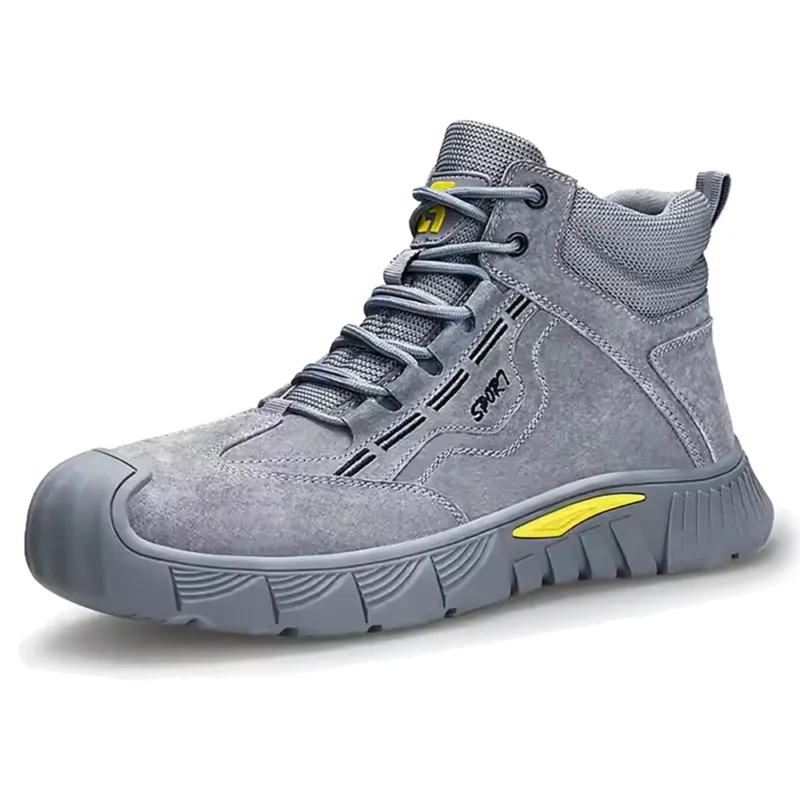
When your workday involves heavy machinery, falling objects, and unforgiving terrain, the Birks Defender Kevlar Steel Toe Safety Work Boots stand ready to protect you through it all. These boots deliver the exceptional durability, reliable protection, and all-day comfort you need to tackle any challenge and get the job done right, every single time.
Arch support prevents plantar fasciitis and reduces fatigue. The arch distributes your body weight across the foot. Without proper support, pressure concentrates on the heel and ball of your foot.
Cushioning absorbs impact from walking on concrete, steel, or uneven terrain. Modern boots use polyurethane, EVA foam, or gel inserts. Each material offers different shock absorption properties.
Weight matters significantly. Heavy boots cause leg fatigue. A boot weighing 2-3 pounds per foot adds 1,200-1,800 pounds of lifting force during a 10,000-step workday.
Breathability controls moisture and temperature. Feet produce approximately half a pint of sweat daily. Trapped moisture causes blisters, fungal infections, and discomfort.
The Evolution of Comfortable Work Boots
Work boots began as simple leather coverings in ancient civilizations. Romans wore caligae—studded sandals that protected soldiers’ feet during long marches.
The Industrial Revolution in the 1760s created demand for protective footwear. Factory workers needed boots that prevented injuries from heavy machinery. Early versions used thick leather with wooden soles.
Charles Goodyear vulcanized rubber in 1839. This process made rubber durable and weather-resistant. Manufacturers added rubber soles to work boots, improving traction and flexibility.
The 1930s introduced steel toe caps. These protected workers from falling objects. However, steel toes added weight and reduced comfort.
Modern work boots emerged in the 1980s. Companies developed composite toe caps using Kevlar, carbon fiber, or plastic. These materials provide equal protection at 30-50% less weight.
Recent innovations include memory foam insoles, moisture-wicking linings, and ergonomic designs based on biomechanical research.
Key Features That Define Comfortable Work Boots
Insole Technology
The insole provides the foundation for comfort. Premium work boots feature removable insoles with multiple layers.
Memory foam molds to your foot shape. It provides customized support and returns to its original form after use.
Gel cushioning absorbs high-impact shock. Gel inserts in the heel and forefoot reduce stress on joints.
Antimicrobial treatments prevent odor-causing bacteria. Silver ions or zinc compounds inhibit microbial growth.
Midsole Construction
The midsole sits between the insole and outsole. This layer determines shock absorption and energy return.
Polyurethane (PU) offers excellent cushioning and durability. PU midsoles last longer but feel firmer initially.
Ethylene-vinyl acetate (EVA) provides lightweight cushioning. EVA compresses easily but loses support faster than PU.
Dual-density midsoles combine materials for optimal performance. A softer layer provides comfort while a firmer layer adds stability.
Upper Material Selection
Boot uppers balance protection, flexibility, and breathability.
Full-grain leather provides maximum durability and water resistance. It requires a break-in period of 2-3 weeks.
Nubuck leather offers a softer feel with good durability. The buffed surface provides some water resistance.
Synthetic fabrics including nylon mesh improve breathability. These materials dry quickly but offer less abrasion resistance.
Outsole Design
Outsoles determine traction, flexibility, and ground feel.
Rubber compounds vary in hardness. Softer rubber (durometer 40-60) provides better grip. Harder rubber (durometer 70-90) lasts longer on abrasive surfaces.
Lug patterns affect traction. Deep, widely-spaced lugs excel on mud and loose terrain. Shallow, closely-spaced patterns work better on smooth surfaces.
Flexibility grooves allow natural foot motion. Strategic cuts in the sole reduce stiffness and improve comfort.
Top Comfort Features by Work Environment
Construction and Outdoor Work
Construction sites demand boots with:
- Puncture-resistant plates (steel or composite)
- Aggressive tread patterns for loose soil and debris
- Water-resistant or waterproof construction
- Ankle support to prevent sprains on uneven ground
- Electrical hazard protection rated to 18,000 volts
Shank support provides stability on ladders and scaffolding. A steel or fiberglass shank prevents the sole from flexing excessively.
Warehouse and Logistics
Warehouse workers walk 10-15 miles per shift on concrete floors. Priority features include:
- Maximum cushioning in heel and forefoot
- Lightweight construction (under 3 pounds per boot)
- Slip-resistant outsoles for smooth floors
- Composite toe caps to reduce weight
- Breathable linings to manage heat
Flat outsoles provide stability during lifting and carrying tasks.
Manufacturing and Assembly
Factory workers stand in one location for extended periods. Essential features include:
- Anti-fatigue technology using foam or gel
- Metatarsal guards for drop protection
- Static-dissipative soles to prevent electrical discharge
- Wide toe boxes to prevent pressure points
- Low-profile designs for reduced weight
Contoured footbeds redistribute pressure away from high-stress areas.
Food Service and Healthcare
These environments require:
- Slip-resistant soles rated for wet, greasy surfaces
- Easy-to-clean materials (leather or synthetic uppers)
- Removable insoles for regular sanitization
- Lightweight construction for mobility
- Closed-toe protection meeting health codes
Non-marking outsoles prevent scuff marks on floors.
Sizing and Fit Guidelines
Proper fit eliminates 70% of comfort issues. Follow these measurement steps:
- Measure feet in the afternoon. Feet swell throughout the day, expanding up to 8% in volume.
- Wear work socks during fitting. Thick socks change boot fit by half a size or more.
- Check toe room. Allow 0.5-0.75 inches (thumb width) between your longest toe and the boot tip.
- Assess width. The widest part of your foot should align with the widest part of the boot. No pinching or excess room.
- Test heel slip. Your heel should lift slightly (0.25 inches) when walking in new boots. Excessive slip causes blisters.
- Walk on inclines. Your toes should not touch the front when walking downhill.
Size variation between brands occurs because manufacturers use different lasts (foot-shaped molds). One brand’s size 10 may fit like another’s 9.5 or 10.5.
When your workday involves heavy machinery, falling objects, and unforgiving terrain, the Birks Defender Kevlar Steel Toe Safety Work Boots stand ready to protect you through it all. These boots deliver the exceptional durability, reliable protection, and all-day comfort you need to tackle any challenge and get the job done right, every single time.
Break-In Period Optimization
New work boots require adaptation time. Proper break-in prevents blisters and discomfort.
Week 1: Wear boots for 2-3 hours daily in low-activity settings. This allows materials to soften gradually.
Week 2: Increase to 4-6 hours. Walk on various surfaces to flex all boot components.
Week 3: Wear boots for full shifts. Monitor for pressure points or hot spots.
Leather conditioning speeds break-in. Apply leather conditioner to stiff areas. This increases flexibility by softening fibers.
Heat molding works for some synthetic materials. Wear thick socks, apply gentle heat with a hair dryer, and flex the boot repeatedly.
Blister prevention: Apply anti-chafing balm to heel and toe areas. Use moleskin padding on known pressure points.
Maintenance Practices for Long-Term Comfort
Regular maintenance extends boot life and preserves comfort features.
Daily Care
- Remove debris from treads using a brush
- Wipe down surfaces with a damp cloth
- Air dry boots away from direct heat sources
- Remove insoles to speed drying and prevent odor
Weekly Maintenance
- Clean thoroughly with appropriate cleaners (saddle soap for leather, mild detergent for synthetics)
- Condition leather to prevent cracking and maintain flexibility
- Inspect for damage: Check stitching, sole attachment, and upper integrity
- Rotate boots if possible. Alternating between two pairs allows complete drying
Monthly Tasks
- Deep clean insoles or replace if worn
- Apply waterproofing treatments to maintain protection
- Check laces and replace if frayed
- Examine sole wear patterns. Uneven wear indicates gait issues or boot problems
Signs Requiring Replacement
Replace boots when:
- Outsole tread depth falls below 2mm
- Midsole compression no longer rebounds
- Upper tears compromise protection
- Sole separation occurs at any point
- Persistent discomfort develops despite proper fit
Average work boot lifespan ranges from 6-18 months depending on use intensity and maintenance quality.
Comparison of Popular Comfort Technologies
| Technology | Cushioning Level | Durability | Weight Impact | Best For |
|---|---|---|---|---|
| Memory Foam | High | Medium | Low | All-day standing |
| Gel Inserts | Very High | High | Medium | High-impact activities |
| EVA Midsole | High | Low-Medium | Very Low | Light-duty work |
| PU Midsole | Medium-High | Very High | Medium | Heavy-duty applications |
| Air Cushion | High | Medium | Low | Walking-intensive jobs |
| Composite Shank | N/A (Support) | High | Low | Uneven terrain |
Selecting Your Optimal Comfort Boot
Follow this decision framework:
Step 1: Identify your primary work hazards. This determines required safety features.
Step 2: Calculate daily distance walked or hours standing. This guides cushioning needs.
Step 3: Assess surface types. This determines optimal outsole design.
Step 4: Consider climate conditions. This affects material selection and waterproofing needs.
Step 5: Establish your budget range. Quality work boots cost $120-300. This investment prevents foot problems costing more in medical care.
Step 6: Read reviews from workers in similar roles. Real-world testing reveals comfort issues not apparent in specifications.
Step 7: Try multiple brands and models. Individual foot anatomy varies significantly.
Understanding Your Investment
Quality work boots serve as medical devices for your feet. Poor footwear contributes to plantar fasciitis ($284 million in annual U.S. treatment costs), back pain, and knee problems.
A $200 boot worn 250 days per year costs $0.80 per wear. Cheaper boots requiring replacement in 3 months cost more over time.
Comfortable work boots improve productivity by 10-15%. Pain and discomfort reduce focus and increase fatigue.
Your feet carry you approximately 75,000 miles during your lifetime—equivalent to circling Earth three times. Proper footwear makes this journey sustainable.
The best work boot for comfort matches your specific work conditions, foot shape, and activity patterns. Invest time in proper selection and maintenance. Your feet will thank you after every shift.
When your workday involves heavy machinery, falling objects, and unforgiving terrain, the Birks Defender Kevlar Steel Toe Safety Work Boots stand ready to protect you through it all. These boots deliver the exceptional durability, reliable protection, and all-day comfort you need to tackle any challenge and get the job done right, every single time.
