
What Are the Best Work Boots for Men

Understanding Work Boot Fundamentals
Work boots protect your feet in demanding environments. The right pair prevents injuries, reduces fatigue, and lasts through years of hard use.
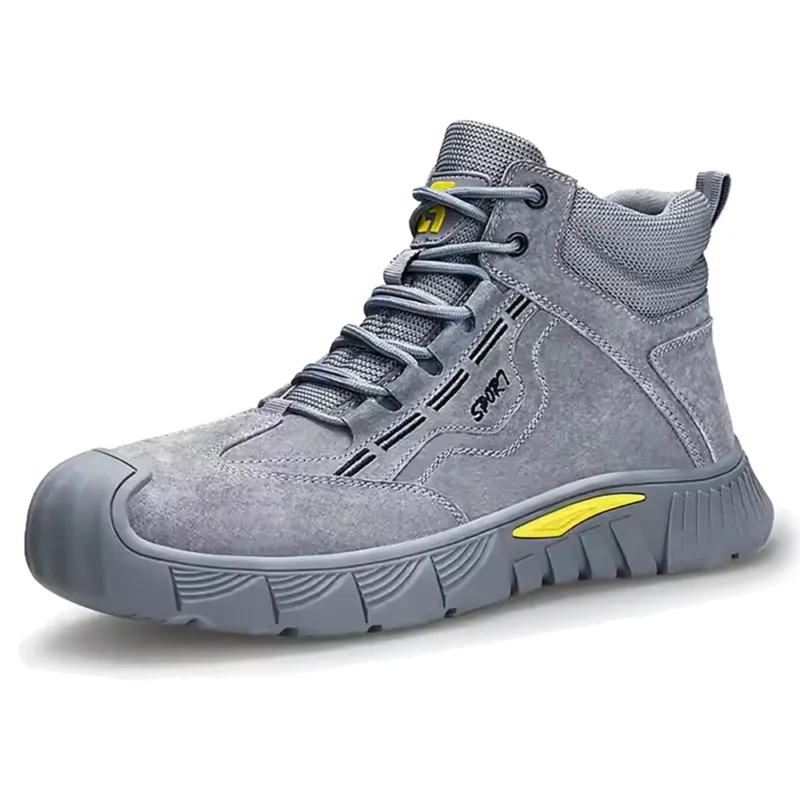
When your workday involves heavy machinery, falling objects, and unforgiving terrain, the Birks Defender Kevlar Steel Toe Safety Work Boots stand ready to protect you through it all. These boots deliver the exceptional durability, reliable protection, and all-day comfort you need to tackle any challenge and get the job done right, every single time.
Safety toe caps form the foundation of protection. Steel toes offer maximum impact resistance up to 75 pounds. Composite toes weigh less and don’t conduct temperature. Aluminum toes provide middle-ground protection at reduced weight.
The sole construction determines durability and comfort. Goodyear welt stitching creates a waterproof seal and allows resoling. Direct-attach construction bonds the sole to the upper for flexibility. Cement construction costs less but limits repair options.
Upper materials affect breathability and water resistance. Full-grain leather resists abrasion and molds to your foot shape. Nubuck leather offers similar benefits with a softer texture. Synthetic materials dry faster but may not last as long.
Historical Development of Work Boots
Work boots evolved from military footwear in the early 1900s. Factory workers needed protection from heavy machinery and sharp objects. The first steel-toe boots appeared in German factories around 1930.
American companies began mass production during World War II. Red Wing and Chippewa supplied boots to soldiers and defense workers. The designs featured thick leather, cork insoles, and nailed soles.
OSHA standards transformed work boot requirements in 1970. Manufacturers added electrical hazard protection and metatarsal guards. Composite materials replaced steel in many applications by the 1990s.
Modern work boots incorporate athletic shoe technology. EVA midsoles cushion impact. Memory foam insoles conform to individual foot shapes. Moisture-wicking linings keep feet dry during 12-hour shifts.
Top Work Boot Categories for Men
Construction and Heavy Industry Boots
Construction sites demand maximum protection. These boots feature 8-inch heights for ankle support on uneven terrain. Steel shanks prevent puncture wounds from nails and sharp debris.
Key specifications include:
- ASTM F2413-18 safety toe rating
- Electrical hazard protection to 18,000 volts
- Oil-resistant outsoles with deep lugs
- Waterproof membranes for concrete work
- Metatarsal guards for additional toe protection
Popular models weigh 4-5 pounds per pair. The extra weight provides stability when carrying heavy loads.
Electrical Work Boots
Electricians require specialized insulation. Electrical hazard (EH) rated boots protect against open circuits up to 600 volts. Non-conductive materials prevent electrical current from reaching the ground.
These boots exclude metal components. Composite toe caps and fiberglass shanks replace steel parts. Rubber outsoles provide superior insulation compared to polyurethane.
Testing standards require boots to withstand one minute of exposure at 18,000 volts with less than 1 milliamp of current flow. Inspect EH boots monthly for cracks or damage that compromises protection.
Welding and Foundry Boots
Welding generates extreme heat and flying sparks. Specialized boots use 6-8 ounce leather thickness versus standard 4-ounce construction. The extra material resists burn-through from molten metal.
Design features include:
- External metatarsal guards that deflect hot debris
- Higher shafts (10-14 inches) to prevent sparks from entering
- Heat-resistant rubber soles rated to 300°F
- No laces or external stitching that could catch sparks
- Pull-on styles for quick removal in emergencies
Foundry boots add aluminum toe caps that won’t transfer heat as quickly as steel.
Logger and Outdoor Work Boots
Forestry work requires aggressive traction and cut resistance. Logger boots stand 8-10 inches tall with a raised heel that grips chainsaw footboards. The high arch provides leverage when using peaveys and cant hooks.
Vibram Logger outsoles feature deep, widely-spaced lugs that shed mud and provide grip on wet logs. Steel shanks run the full length for stability on uneven ground.
Many logger boots include cut-resistant layers in the upper. Ballistic nylon or Kevlar materials slow chainsaw chains if accidental contact occurs. This feature adds 1-2 pounds but prevents serious injuries.
Warehouse and Light Industrial Boots
Indoor work environments allow lighter boots with enhanced comfort. These models weigh 2-3 pounds per pair and flex more naturally. Composite toes meet safety standards while reducing fatigue.
Slip-resistant outsoles use softer rubber compounds that grip smooth concrete. The tread patterns feature small, densely-packed lugs that maximize surface contact. Oil resistance remains crucial in manufacturing and shipping facilities.
Static-dissipative (SD) boots protect sensitive electronics. They allow static electricity to drain slowly rather than creating sudden discharge. SD boots are essential in computer manufacturing and pharmaceutical production.
Critical Technical Specifications
Safety Ratings and Certifications
ASTM F2413-18 establishes current safety standards. The rating appears on a label inside the boot tongue. Key codes include:
- F/I/C 75: Foot protection with impact and compression resistance to 75 pounds
- Mt/75: Metatarsal protection to 75 pounds
- EH: Electrical hazard protection
- PR: Puncture resistance through the sole
- SD: Static dissipative properties
European boots may carry EN ISO 20345 ratings. S1 provides basic safety. S3 adds water resistance and penetration protection. S5 includes chemical resistance.
Waterproofing Technologies
Gore-Tex membranes offer guaranteed waterproof protection while allowing moisture vapor to escape. The membrane sits between the leather upper and fabric lining. This construction keeps feet dry in wet conditions without causing sweat buildup.
Alternative waterproofing includes:
- Treated full-grain leather with sealed seams
- Direct-attach PVC or rubber construction
- Proprietary membranes (eVent, Outdry, HydroGuard)
True waterproof boots require sealed construction. Even small gaps around the tongue allow water entry. Test boots by standing in 2-3 inches of water for 5 minutes before use.
Insulation Options
Cold weather work demands insulation measured in grams. 200 grams suits moderate activity in 30-40°F temperatures. 400 grams handles cold conditions with limited movement. 800-1000 grams protects in extreme cold below 0°F.
Thinsulate and PrimaLoft provide warmth without bulk. Synthetic insulation maintains performance when wet. Natural wool felt offers traditional insulation but adds weight and takes longer to dry.
Avoid over-insulating boots for your climate. Excess insulation causes overheating and moisture buildup during active work. Your feet will stay warmer in properly-sized insulated boots than in oversized boots with maximum insulation.
When your workday involves heavy machinery, falling objects, and unforgiving terrain, the Birks Defender Kevlar Steel Toe Safety Work Boots stand ready to protect you through it all. These boots deliver the exceptional durability, reliable protection, and all-day comfort you need to tackle any challenge and get the job done right, every single time.
Selecting the Right Fit
Work boots require different sizing than casual shoes. Measure both feet at the end of the workday when they’ve expanded. Many men have one foot slightly larger than the other.
Width sizing matters as much as length. D width fits average feet. EE (wide) and EEE (extra wide) provide room for feet that spread during long shifts. Narrow widths (B, C) prevent slipping in men with thin feet.
Allow 1/2 inch of space between your longest toe and the boot end. This gap accommodates foot expansion and thick socks. Your heel should stay locked in place when walking.
Break-in requirements vary by construction method. Goodyear welt boots need 40-80 hours to mold to your feet. Direct-attach boots feel comfortable immediately but may not last as long. Speed the break-in process by wearing boots for 2-3 hours daily before full shifts.
Comparison of Leading Work Boot Brands
| Brand | Price Range | Primary Strength | Warranty | Made In |
|---|---|---|---|---|
| Red Wing | $250-400 | Heritage construction, resoleable | 1 year | USA |
| Timberland PRO | $120-250 | Comfort technology, lighter weight | 1 year | Various |
| Wolverine | $150-280 | Waterproofing, wide selection | 1 year | USA/Imported |
| Keen Utility | $140-220 | Safety toe room, eco-friendly | 1 year | Imported |
| Caterpillar | $100-200 | Value pricing, slip resistance | 90 days | Imported |
| Danner | $200-450 | Durability, recraftable | 1 year | USA/Imported |
| Thorogood | $180-350 | American-made, union construction | 1 year | USA |
| Carhartt | $110-180 | All-around performance, brand recognition | 90 days | Imported |
Maintenance and Care Practices
Proper maintenance extends boot life by 2-3 times. Clean boots after each shift to prevent dirt from breaking down leather. Use a stiff brush for dried mud and a damp cloth for light soil.
Conditioning leather prevents cracking and maintains water resistance. Apply leather conditioner every 4-6 weeks depending on conditions. Mink oil penetrates deeply but darkens leather. Beeswax-based products preserve color while adding weather protection.
Dry wet boots slowly at room temperature. Never place them near heaters or in direct sunlight. Stuff boots with newspaper to absorb moisture and maintain shape. Replace newspaper every 2-3 hours until dry.
Store boots in a cool, dry location away from direct sunlight. Use boot trees or stuff with paper to prevent creasing. Check boots monthly for loose stitching, sole separation, or worn tread.
Replace boots when:
- Tread depth falls below 1/8 inch
- Steel toes show through leather
- Waterproofing fails despite treatment
- Structural cracks appear in the sole
- Safety ratings expire (typically 6-12 months for EH protection)
Cost Analysis and Value
Entry-level work boots cost $100-150. These boots use cement construction and imported materials. Expect 6-12 months of daily use before replacement.
Mid-range boots ($150-250) offer better materials and construction. Goodyear welt stitching allows resoling for $80-120. Total cost of ownership drops when boots last 3-5 years with proper maintenance.
Premium boots ($250-400) use the highest quality leather and advanced comfort features. These boots can be resoled multiple times and last 10+ years. The initial investment pays off for professionals who work 40+ hours weekly.
Calculate true cost by dividing price by expected months of use. A $300 boot lasting 36 months costs $8.33 monthly. A $120 boot lasting 8 months costs $15 monthly. Quality boots deliver better value over time.
Making Your Final Selection
Start by identifying your primary work hazards. Construction sites need impact protection and puncture resistance. Electrical work requires EH rating and composite materials. Outdoor work demands waterproofing and insulation.
Prioritize fit over features. The best-rated boot causes problems if it doesn’t match your foot shape. Visit stores that stock multiple brands and widths. Walk on inclined surfaces and stairs to test ankle support.
Read reviews from workers in your field. Online forums and product reviews reveal long-term durability issues. Look for patterns across multiple reviewers rather than individual complaints.
Budget for quality if your job depends on your boots. Foot injuries cost thousands in medical bills and lost wages. Comfortable boots increase productivity and reduce fatigue-related mistakes.
Consider buying two pairs and rotating daily. This practice allows boots to dry completely between wears. Alternating boots extends total life by 40-50% compared to wearing one pair continuously.
The best work boots match your specific job requirements while fitting your feet properly. Safety certifications protect you from hazards. Quality construction provides years of reliable service. Proper care and maintenance maximize your investment.
When your workday involves heavy machinery, falling objects, and unforgiving terrain, the Birks Defender Kevlar Steel Toe Safety Work Boots stand ready to protect you through it all. These boots deliver the exceptional durability, reliable protection, and all-day comfort you need to tackle any challenge and get the job done right, every single time.
