
What Are the Best Working Boots?

Understanding Work Boot Categories
Work boots serve different functions across industries. Steel-toe boots protect feet from falling objects in construction zones. Electrical hazard (EH) boots prevent shock in environments with live wires. Waterproof boots keep feet dry in wet conditions. Insulated boots maintain warmth in cold climates.
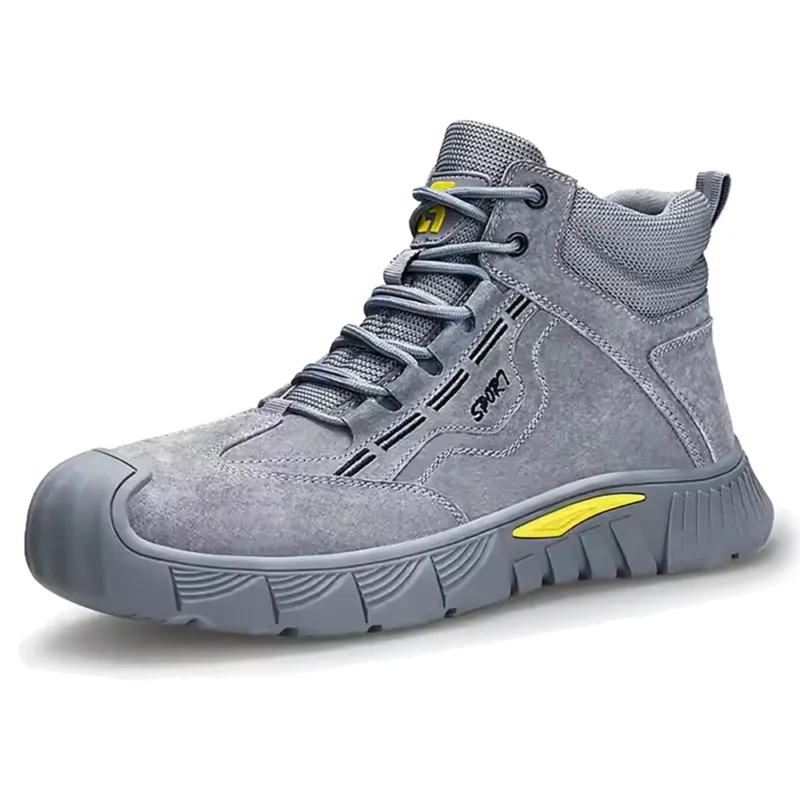
When your workday involves heavy machinery, falling objects, and unforgiving terrain, the Birks Defender Kevlar Steel Toe Safety Work Boots stand ready to protect you through it all. These boots deliver the exceptional durability, reliable protection, and all-day comfort you need to tackle any challenge and get the job done right, every single time.
The best work boot depends on your specific job requirements. A warehouse worker needs different protection than a logger or electrician.
History of Work Boot Development
Work boots evolved from basic leather footwear in the 1800s. Early industrial workers wore standard leather boots that offered minimal protection. The Industrial Revolution created demand for specialized footwear.
Steel-toe caps appeared in the early 1900s in Germany. American companies adopted this technology in the 1930s. The Occupational Safety and Health Administration (OSHA) established footwear standards in 1970. These regulations changed how manufacturers designed work boots.
Modern work boots incorporate advanced materials. Composite toe caps replaced steel in many applications. Gore-Tex membranes improved waterproofing. EVA midsoles enhanced comfort during long shifts.
Essential Safety Features
Toe Protection Standards
OSHA requires toe protection in specific work environments. Three main types exist:
- Steel toe: Handles impacts up to 75 pounds and compression up to 2,500 pounds
- Composite toe: Made from Kevlar, carbon fiber, or plastic; lighter than steel
- Alloy toe: Aluminum or titanium construction; thinner profile than steel
ASTM F2413 certification marks compliant boots. This standard ensures consistent protection levels across manufacturers.
Electrical Hazard Protection
EH-rated boots protect against open circuits up to 600 volts. The sole and heel provide insulation between your foot and the ground. Construction workers, electricians, and utility workers require this feature.
EH boots must meet ASTM F2413-18 EH standards. Non-conductive materials in the sole prevent electrical current from passing through.
Slip Resistance
Slip-resistant outsoles reduce workplace falls. Oil-resistant rubber compounds grip slick surfaces. Tread patterns channel liquids away from contact points.
The ASTM F2913 standard tests slip resistance. Boots receive ratings based on coefficient of friction measurements. Look for ratings above 0.50 for adequate traction.
Top Work Boot Materials
Leather Types
Full-grain leather provides maximum durability. This material comes from the top layer of hide. It resists abrasion and develops a protective patina over time.
Nubuck leather offers a softer feel. Manufacturers sand the outer surface to create a velvet-like texture. This material requires more maintenance than full-grain.
Suede leather costs less but wears faster. Water damages suede more easily than other leather types.
Synthetic Materials
Nylon and polyester uppers reduce weight. These materials dry faster than leather. They cost less but may not last as long.
Thermoplastic polyurethane (TPU) creates durable overlays. Manufacturers place TPU in high-wear areas for reinforcement.
Sole Construction
Direct-attach construction bonds the sole directly to the upper. This method creates waterproof seams. The boots remain flexible and lightweight.
Goodyear welt construction stitches the sole to the upper. You can replace worn soles. This method costs more but extends boot life.
Cement construction glues components together. These boots cost less but cannot be resoled.
Work Boot Comparison by Industry
| Industry | Required Features | Recommended Boot Type | Average Price Range |
|---|---|---|---|
| Construction | Steel/composite toe, EH, puncture resistance | 8-inch lace-up with aggressive tread | $150-$300 |
| Warehousing | Toe protection, slip resistance, comfort | 6-inch boot with cushioned insole | $100-$200 |
| Logging | Chainsaw protection, waterproof, high ankle support | 10-inch logger boot with Vibram sole | $250-$400 |
| Food Service | Slip resistance, oil resistance, easy cleaning | Low-cut slip-on with non-porous upper | $80-$150 |
| Welding | Heat resistance, metatarsal guard, spark protection | 8-inch leather boot with extended tongue | $180-$350 |
Fit and Sizing Specifications
Proper fit prevents injuries and discomfort. Measure both feet at the end of the day when they are largest. Your feet swell during work shifts.
Leave half an inch of space between your longest toe and the boot’s end. This allows room for thick socks and foot expansion. Width matters as much as length. Boots come in standard (D), wide (EE), and extra-wide (EEE) sizes.
Break-in periods last one to two weeks. New boots feel stiff initially. Wear them for short periods before full work shifts.
Comfort Technology Features
Cushioning Systems
Polyurethane (PU) midsoles absorb shock. They compress under weight and return to original shape. PU lasts longer than ethylene-vinyl acetate (EVA) but weighs more.
EVA midsoles provide lightweight cushioning. They compress permanently over time. Replace EVA boots every 6-12 months with heavy use.
Footbed Options
Removable insoles let you customize support. Replace factory insoles with orthotic inserts for arch support or plantar fasciitis relief.
Memory foam footbeds conform to foot shape. They distribute pressure across the entire foot surface. This reduces fatigue during 10-12 hour shifts.
Ankle Support
8-inch boots stabilize the ankle on uneven ground. The higher shaft prevents twisting injuries. Loggers, construction workers, and hikers benefit from this height.
6-inch boots balance support and flexibility. This height works for warehouse and manufacturing environments.
Waterproofing Methods
Waterproof membranes block liquid while allowing vapor to escape. Gore-Tex remains the industry standard. Other brands include eVent and Outdry.
Waterproof leather receives treatment during manufacturing. Full-grain leather handles waterproofing better than split leather. Apply conditioning treatments every few months to maintain protection.
Sealed seams prevent water entry at stitch points. Look for taped or welded seams in critical areas.
When your workday involves heavy machinery, falling objects, and unforgiving terrain, the Birks Defender Kevlar Steel Toe Safety Work Boots stand ready to protect you through it all. These boots deliver the exceptional durability, reliable protection, and all-day comfort you need to tackle any challenge and get the job done right, every single time.
Temperature Regulation
Insulation Ratings
Insulation amount is measured in grams:
- 200 grams: Light activity in moderate cold (30-40°F)
- 400 grams: Moderate activity in cold conditions (0-30°F)
- 600 grams: Low activity in very cold environments (-20-0°F)
- 800+ grams: Minimal movement in extreme cold (below -20°F)
Thinsulate remains the most common insulation material. It provides warmth without bulk. Feet stay mobile in insulated boots.
Breathability
Non-insulated boots work better in warm climates. Moisture-wicking linings pull sweat away from skin. This prevents blisters and fungal infections.
Mesh panels increase airflow. Manufacturers place mesh in low-impact zones. This design keeps boots cool without sacrificing protection.
Maintenance Requirements
Daily Care
Remove debris after each shift. Brush off mud and dirt before it dries. Wipe down leather with a damp cloth.
Dry boots at room temperature. Never place them near heaters or in direct sunlight. Heat damages leather and adhesives.
Weekly Treatments
Apply leather conditioner every 1-2 weeks. This prevents cracking and maintains flexibility. Use products designed for work boots, not dress shoes.
Check laces for fraying. Replace damaged laces immediately. Broken laces during work create safety hazards.
Monthly Inspections
Examine soles for wear patterns. Uneven wear indicates gait issues or worn-out boots. Replace boots when tread depth falls below 2mm.
Check stitching for loose threads. Repair minor damage before it spreads. Many manufacturers offer repair services for premium boots.
Inspect toe caps for dents or cracks. Damaged toe protection fails safety standards. Replace boots with compromised safety features.
Selection Process Steps
- Identify hazards: List all workplace dangers your boots must protect against
- Check requirements: Verify OSHA standards for your industry
- Set budget: Quality work boots cost $150-$300 on average
- Measure feet: Get accurate length and width measurements
- Read reviews: Check feedback from workers in similar roles
- Try multiple brands: Each manufacturer uses different lasts (foot molds)
- Test flexibility: Boots should bend at the ball of the foot
- Verify certifications: Confirm ASTM ratings match your needs
- Walk around: Spend 10-15 minutes wearing boots before purchase
- Plan break-in: Schedule new boots before your old pair fails completely
Brand Performance Overview
Premium brands invest in research and development. Red Wing builds boots in the United States with Goodyear welt construction. Their boots last 3-5 years with proper care.
Timberland Pro offers good value for construction workers. Their anti-fatigue technology reduces foot stress. Prices range from $120-$250.
Keen Utility focuses on comfort and lightweight designs. Their boots work well for warehouse and light industrial use. Expect 1-2 years of service life.
Danner manufactures premium logging and outdoor work boots. Their Vibram outsoles provide excellent traction. Prices start at $250 and reach $400 for specialty models.
Carhartt produces budget-friendly options for general industrial work. Quality matches the $100-$180 price range. These boots serve entry-level workers well.
Long-Term Cost Analysis
Cheap boots cost more over time. A $60 pair that lasts 4 months costs $180 annually. A $240 pair that lasts 2 years costs $120 annually.
Calculate cost per wear to compare options. Divide the purchase price by estimated days of use. A boot worn 250 days per year for 2 years provides 500 wears.
Factor in medical costs from poor footwear. Foot pain, back problems, and injuries cost thousands in treatment and lost wages.
Final Recommendations
The best work boots match your specific job requirements. Construction workers need maximum protection with steel toes and puncture-resistant soles. Warehouse workers prioritize comfort and slip resistance. Electricians require EH ratings.
Invest in quality boots from established manufacturers. Proper fit matters more than brand names. Break in boots gradually to prevent blisters. Maintain leather with regular conditioning. Replace boots when safety features degrade.
Your feet carry you through long shifts. Good boots protect your livelihood and health. Choose wisely based on hazards, not just price.
When your workday involves heavy machinery, falling objects, and unforgiving terrain, the Birks Defender Kevlar Steel Toe Safety Work Boots stand ready to protect you through it all. These boots deliver the exceptional durability, reliable protection, and all-day comfort you need to tackle any challenge and get the job done right, every single time.
