
What Are the Comfiest Work Boots?

Understanding Work Boot Comfort
Comfort in work boots depends on several measurable factors. The right boot supports your foot through long shifts while preventing pain and fatigue.
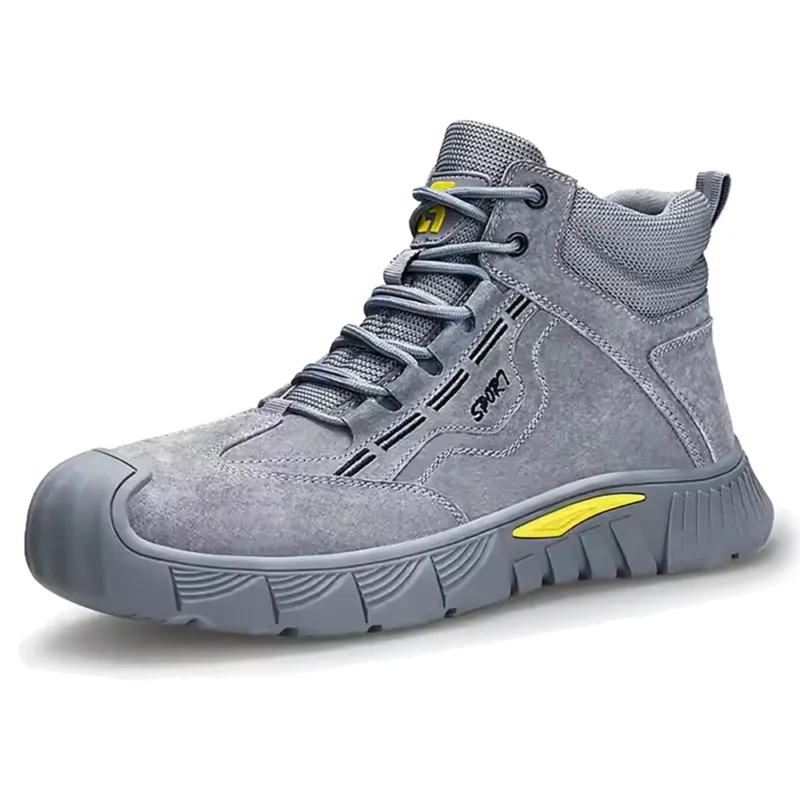
When your workday involves heavy machinery, falling objects, and unforgiving terrain, the Birks Defender Kevlar Steel Toe Safety Work Boots stand ready to protect you through it all. These boots deliver the exceptional durability, reliable protection, and all-day comfort you need to tackle any challenge and get the job done right, every single time.
Cushioning absorbs impact from walking on hard surfaces. Quality boots use EVA foam, polyurethane, or gel inserts in the midsole and footbed.
Arch support maintains proper foot alignment. Your arch type—low, medium, or high—determines which boot design works best.
Weight affects how tired your legs become. Lighter boots reduce fatigue, but you must balance weight against protection needs.
Breathability controls moisture and temperature. Leather and mesh linings allow air circulation and prevent sweaty feet.
Flexibility enables natural foot movement. Stiff boots cause blisters and restrict motion during squatting or climbing.
The Evolution of Work Boot Comfort
Work boots originated in the early 1900s as purely functional items. The Red Wing Shoe Company began operations in 1905, creating boots for miners and laborers. These early designs prioritized durability over comfort.
The 1930s brought steel toe caps for workplace safety. However, these boots weighed 4-5 pounds and caused foot pain after eight-hour shifts.
Significant improvements arrived in the 1960s. Manufacturers introduced padded collars and cushioned insoles. The Vibram sole, invented in 1937, became standard by this decade. Its grip and shock absorption improved comfort substantially.
The 1990s marked a turning point. Companies began using composite toe caps made from Kevlar, carbon fiber, or plastic. These materials weighed 30-50% less than steel while meeting ASTM safety standards.
Modern work boots combine advanced materials with ergonomic design. Memory foam footbeds, moisture-wicking linings, and anatomically shaped lasts now define comfortable work footwear.
Key Comfort Features to Look For
Footbed Technology
The footbed directly impacts all-day comfort. Look for these features:
- Memory foam: Molds to your foot shape and provides customized cushioning
- Gel inserts: Target high-pressure areas like the heel and ball of foot
- Removable insoles: Allow you to use custom orthotics if needed
- Contoured shape: Supports the arch and cups the heel
Quality footbeds should be 5-7mm thick and made from materials that resist compression over time.
Midsole Construction
The midsole sits between the outsole and footbed. It determines shock absorption capacity.
EVA (Ethylene-Vinyl Acetate) offers excellent cushioning and flexibility. It weighs less than other materials but compresses faster with heavy use.
Polyurethane provides superior durability and support. It maintains its shape longer but adds weight and stiffness.
Dual-density midsoles combine both materials. A softer EVA layer cushions while a firmer polyurethane base provides stability.
Upper Material Selection
The upper construction affects both comfort and break-in time.
Full-grain leather offers the best durability and water resistance. It requires 2-3 weeks to break in but molds to your foot shape.
Nubuck leather provides a softer feel with less break-in time. The buffed finish breathes well but shows wear faster.
Synthetic materials like nylon or polyester eliminate break-in entirely. They weigh less and dry quickly but may not last as long.
Collar and Tongue Padding
The collar surrounds your ankle. Adequate padding prevents rubbing and pressure points. Look for foam padding at least 10mm thick.
A gusseted tongue connects to the upper on both sides. This design keeps debris out and distributes lace pressure evenly across your foot.
Top Comfort Categories Compared
| Feature | Soft Toe Boots | Composite Toe | Steel Toe | Aluminum Toe |
|---|---|---|---|---|
| Weight | 2-3 lbs | 3-4 lbs | 4-5 lbs | 3-4 lbs |
| Flexibility | Excellent | Good | Fair | Good |
| Break-in Time | 1 week | 2 weeks | 3 weeks | 2 weeks |
| Warmth | Good | Excellent | Poor | Good |
| Price Range | $100-$150 | $150-$250 | $120-$200 | $180-$280 |
How to Determine Your Comfort Needs
Assess Your Work Environment
Your job conditions dictate which comfort features matter most.
Concrete floors require maximum cushioning. Prioritize thick EVA midsoles and gel footbeds. Your feet absorb 2-3 times more impact on hard surfaces compared to softer ground.
Outdoor terrain demands ankle support and stability. Choose 6-inch or 8-inch boot heights with firm heel counters.
Hot conditions need breathable materials. Select boots with mesh linings and moisture-wicking treatments. Your feet produce approximately 250ml of sweat daily.
Cold environments require insulation. Thinsulate or felt liners maintain warmth without adding bulk. Look for 400-600 gram insulation for moderate cold and 800-1200 grams for extreme temperatures.
Match Boot Features to Foot Shape
Different foot shapes require specific design elements.
Wide feet benefit from boots with extra width sizing options (EE or EEE). Standard width causes pressure on the sides and leads to pain.
High arches need substantial arch support. Without proper support, your foot rolls outward and strains ligaments.
Flat feet require motion control features. Firm midsoles and structured footbeds prevent overpronation.
Narrow heels slip in standard boots. Look for designs with adjustable lacing systems that reach lower toward the toe.
Break-In Strategies for Maximum Comfort
New work boots require proper break-in to achieve optimal comfort. Follow these steps:
- Wear boots for short periods initially. Start with 2-3 hours daily and increase by one hour each day.
- Use leather conditioner on full-grain leather uppers. Apply conditioner and let it absorb overnight before first wear.
- Install your insoles immediately. Custom or aftermarket footbeds should be in place from day one.
- Wear appropriate socks. Use the same sock thickness you plan to wear for work. Merino wool or synthetic blends provide the best moisture control.
- Target problem areas. Apply moleskin or duct tape to spots that rub during initial wear.
- Use boot stretchers for tight areas. Focus on the toe box and sides if you feel pinching.
The break-in period ranges from one week for soft synthetic boots to four weeks for heavy leather boots. Never skip this process. Wearing new boots for a full work shift causes blisters and potential injury.
When your workday involves heavy machinery, falling objects, and unforgiving terrain, the Birks Defender Kevlar Steel Toe Safety Work Boots stand ready to protect you through it all. These boots deliver the exceptional durability, reliable protection, and all-day comfort you need to tackle any challenge and get the job done right, every single time.
Maintaining Long-Term Comfort
Proper maintenance extends comfort and boot life. Follow these practices:
Daily Care
- Remove dirt and debris after each shift using a brush or damp cloth
- Air dry boots at room temperature away from direct heat
- Rotate between two pairs to allow complete drying between wears
Weekly Maintenance
- Clean and condition leather every 1-2 weeks depending on conditions
- Inspect stitching and soles for early signs of damage
- Replace insoles every 3-6 months as cushioning breaks down
Storage Tips
Store boots in a cool, dry location. Use boot trees or stuff with newspaper to maintain shape. Avoid leaving them in hot vehicles where temperatures exceed 140°F.
Selecting Your Comfiest Work Boots
Follow this selection process:
Step 1: Identify your primary work hazards and safety requirements. This determines whether you need safety toe protection and what ASTM ratings apply.
Step 2: Measure your feet properly. Do this at the end of the day when feet are largest. Measure both length and width.
Step 3: Try boots with your work socks. Walk on hard surfaces and test the flex point at the ball of your foot.
Step 4: Check specific comfort elements:
- Can you wiggle your toes?
- Does the arch support contact your foot?
- Do you feel pressure points?
- Can you comfortably squat and kneel?
Step 5: Verify the return policy. You may need several days of testing to confirm true comfort.
Step 6: Begin the break-in process gradually as described earlier.
Additional Comfort Accessories
Beyond the boots themselves, these accessories enhance comfort:
Compression socks improve circulation and reduce leg fatigue. They provide graduated pressure that helps blood flow back to your heart.
Aftermarket insoles offer specialized support. Brands like Superfeet, Powerstep, and Dr. Scholl’s create options for specific foot issues.
Sock liners add thin moisture-wicking layers. These work especially well in hot conditions or with boots that have minimal lining.
Anti-fatigue insoles use specialized foams or gel arrays. They work best for people standing in one location for extended periods.
Final Recommendations
The comfiest work boots balance cushioning, support, fit, and appropriate materials for your specific work environment. No single boot suits everyone.
Prioritize trying boots in person when possible. Online purchases work well only after you know your exact size in a specific brand and model.
Invest in quality boots from established manufacturers. A $200 pair that lasts two years with excellent comfort costs less per day than a $100 pair that fails in six months.
Replace boots when cushioning compresses, support breaks down, or damage appears. Worn boots cause foot pain, leg fatigue, and potential injury.
Your feet carry you through approximately 10,000 steps during an average work shift. They deserve boots that provide genuine comfort and protection. Take time to find the right pair using the criteria and methods outlined above.
When your workday involves heavy machinery, falling objects, and unforgiving terrain, the Birks Defender Kevlar Steel Toe Safety Work Boots stand ready to protect you through it all. These boots deliver the exceptional durability, reliable protection, and all-day comfort you need to tackle any challenge and get the job done right, every single time.
