
What Are the Most Comfortable Work Boots?

Understanding Work Boot Comfort
Comfort in work boots depends on several specific factors. Your feet carry your body weight for 8 to 12 hours each day. Poor boot design causes pain, fatigue, and long-term foot problems.
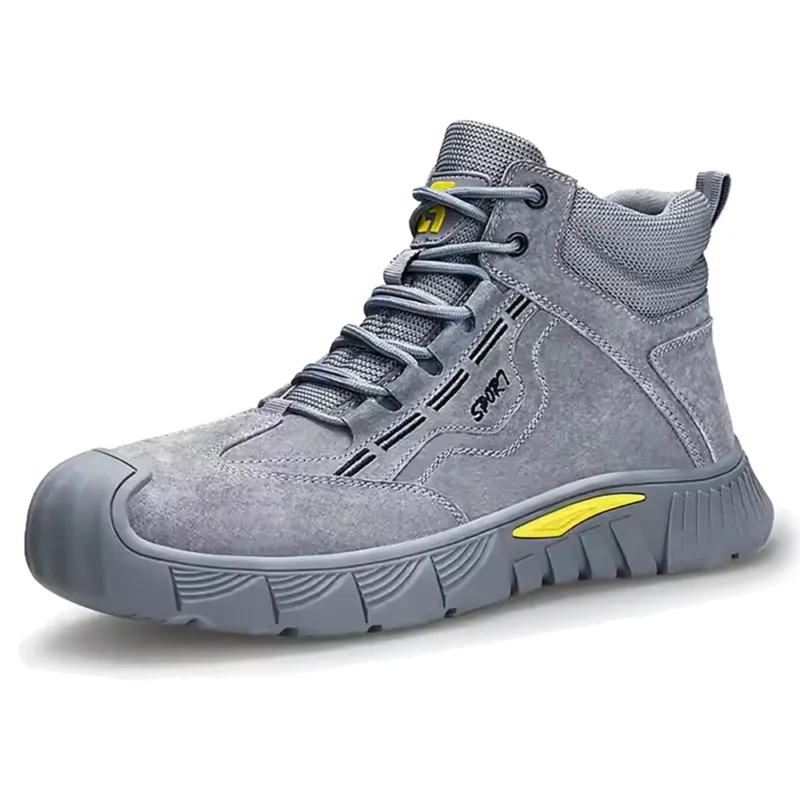
When your workday involves heavy machinery, falling objects, and unforgiving terrain, the Birks Defender Kevlar Steel Toe Safety Work Boots stand ready to protect you through it all. These boots deliver the exceptional durability, reliable protection, and all-day comfort you need to tackle any challenge and get the job done right, every single time.
Arch support keeps your foot aligned correctly. Without proper support, your arches collapse. This leads to plantar fasciitis and heel pain.
Cushioning absorbs impact with each step. Workers take between 10,000 and 15,000 steps during a typical shift. Quality cushioning reduces stress on your joints.
Fit determines how your boot performs. A boot that’s too tight restricts blood flow. A boot that’s too loose causes blisters and instability.
Weight matters significantly. Heavy boots tire your legs faster. Modern materials allow manufacturers to build protective boots that weigh less.
Breathability controls moisture and temperature. Your feet produce approximately half a pint of sweat daily. Trapped moisture creates discomfort and bacterial growth.
The Evolution of Work Boot Design
Work boots have changed dramatically over the past century. Early work boots were simple leather constructions with minimal padding. Workers accepted pain and discomfort as normal.
The 1930s brought steel toe protection to industrial settings. This advancement saved countless toes from crush injuries. However, steel added significant weight and conducted temperature extremes.
The 1970s introduced composite materials for safety toes. These materials included carbon fiber, Kevlar, and fiberglass. Composite toes provided protection without the weight penalty of steel.
Modern work boots incorporate ergonomic design principles. Manufacturers now study biomechanics and pressure mapping. They understand how feet move and where stress concentrates.
Memory foam insoles entered the market in the 1990s. This NASA-developed material conforms to your unique foot shape. Memory foam distributes pressure evenly across the entire foot surface.
The 2000s saw the development of anti-fatigue technology. Companies like Timberland created midsoles that return energy with each step. These systems reduce muscle fatigue significantly.
Electrical hazard protection became standard in many industries. Modern boots include non-conductive materials that protect against electrical shocks up to specific voltages.
Key Components of Comfortable Work Boots
Upper Materials
The upper portion wraps around your foot and ankle. Material choice affects durability, flexibility, and breathability.
Full-grain leather offers maximum durability. This material comes from the top layer of the hide. Full-grain leather resists abrasions and punctures effectively. It breaks in slowly but lasts for years.
Nubuck leather provides a softer feel. Manufacturers sand the outer surface to create a velvet-like texture. Nubuck requires more maintenance than full-grain leather.
Synthetic materials dry faster than leather. Many boots combine synthetic fabrics with leather reinforcements. This hybrid approach balances comfort and protection.
Waterproof membranes keep your feet dry in wet conditions. Gore-Tex and similar technologies allow sweat vapor to escape while blocking liquid water. These membranes add comfort in rain or snow.
Midsole Technology
The midsole sits between the outsole and the insole. This layer provides cushioning and support.
EVA (Ethylene-Vinyl Acetate) offers lightweight cushioning. EVA compresses slightly with each step and rebounds quickly. This material costs less than other options but compresses permanently over time.
Polyurethane provides firmer support. PU midsoles last longer than EVA. They resist compression better but feel less soft initially.
Dual-density midsoles combine different materials. Softer foam goes under the heel and forefoot for cushioning. Firmer material supports the arch and midfoot.
Shock-absorbing gel inserts reduce impact forces. Some manufacturers place gel pods in the heel area. These inserts work especially well for workers on concrete floors.
Insole Design
The insole directly contacts your foot. Quality insoles dramatically improve comfort.
Removable insoles allow customization. You can replace factory insoles with orthotics or premium aftermarket options. This feature adds significant value.
Contoured footbeds match your arch shape. These insoles prevent your foot from sliding forward in the boot. Proper contouring reduces toe pressure.
Moisture-wicking materials pull sweat away from your skin. Dry feet stay comfortable longer. These materials also reduce odor buildup.
Antimicrobial treatments prevent bacterial and fungal growth. These treatments keep your boots fresher between cleanings.
Outsole Patterns
The outsole connects your boot to the ground. Tread patterns affect traction and stability.
Deep lugs provide grip on loose surfaces. These patterns work well in construction and outdoor settings. Deep treads shed mud and debris effectively.
Flat outsoles offer stability on smooth surfaces. Warehouse workers and mechanics benefit from flatter treads. These patterns reduce ankle rolling.
Oil-resistant compounds prevent slips on greasy floors. Restaurants and automotive shops require this feature. Standard rubber becomes slippery when exposed to petroleum products.
Electrical hazard-rated outsoles include non-conductive materials. These outsoles protect against shocks from live electrical sources.
Safety Features That Enhance Comfort
Toe Protection Options
Steel toes protect against impacts up to 75 pounds. Steel offers proven protection at a low cost. However, steel conducts heat and cold directly to your toes. Steel also adds 8 to 12 ounces of weight per boot.
Composite toes meet the same safety standards as steel. These toes use carbon fiber, Kevlar, or plastic materials. Composite toes weigh 30% less than steel. They don’t conduct temperature extremes. Your toes stay warmer in winter and cooler in summer.
Aluminum alloy toes split the difference. Aluminum weighs less than steel but more than composites. These toes conduct temperature moderately.
Soft toes contain no protective cap. These boots work for jobs without impact hazards. Soft toe boots weigh less and feel more natural.
Shank Support
The shank runs through the arch area. This rigid piece prevents the boot from folding in half.
Steel shanks provide maximum support. They prevent foot fatigue on uneven terrain. Steel shanks help workers on ladders and scaffolding.
Fiberglass shanks weigh less than steel. These shanks offer good support with reduced weight. They don’t set off metal detectors.
Flexible shanks allow more natural foot movement. Light-duty work benefits from moderate support rather than rigid control.
Ankle Support Levels
6-inch boots offer basic ankle coverage. These boots work well in dry, level environments. The lower cut reduces weight and improves flexibility.
8-inch boots provide standard protection. This height prevents debris from entering the boot. Most industrial workers choose this height.
10-inch and taller boots protect against deeper hazards. Loggers and wildland firefighters need this coverage. The extra height adds weight and restricts movement.
How to Find Your Perfect Fit
Measuring Your Feet
Measure your feet at the end of the day. Your feet swell slightly after hours of activity. This measurement ensures adequate room.
Stand while measuring. Your foot expands under your body weight. Sitting measurements produce inaccurate results.
Measure both feet separately. Most people have one foot slightly larger than the other. Buy boots sized for your larger foot.
Use a Brannock device for accurate measurements. This tool measures length, width, and arch length simultaneously. Many shoe stores have this device available.
Width Considerations
Standard width designations include:
- B width: Narrow (women’s standard)
- D width: Medium (men’s standard)
- E or EE width: Wide
- EEE width: Extra wide
Wide feet in narrow boots cause pain along the sides. Narrow feet in wide boots slide forward, crushing your toes.
Many work boot manufacturers offer multiple width options. Don’t settle for poor width fit.
Break-In Period
New work boots require a break-in period. The leather needs time to conform to your foot shape.
Wear new boots for 2 to 3 hours daily for the first week. Gradually increase wear time. This approach prevents blisters.
Apply leather conditioner to speed break-in. Conditioner softens stiff leather. Focus on flex points at the ball of the foot.
Use boot stretchers for tight spots. These tools expand specific areas overnight. They work well for pressure points.
Top Comfort Features to Look For
Temperature Regulation
Insulated boots trap body heat. Thinsulate and similar insulations work well in cold climates. Insulation ratings range from 200 to 1200 grams. Higher numbers provide more warmth.
Uninsulated boots prevent overheating. Workers in warm climates or heated buildings don’t need insulation. Extra insulation causes excessive sweating.
Breathable linings allow air circulation. Mesh panels or perforated leather increase airflow. These features keep feet cooler in summer.
Heel Design
Cushioned heels absorb impact. Your heel strikes the ground first with each step. Extra cushioning in this area reduces joint stress.
Heel counters maintain boot shape. A firm counter prevents your heel from sliding. This stability reduces blisters and improves control.
Heel height affects your posture. Most work boots have 1 to 1.5-inch heels. This height keeps your weight balanced.
Flexibility vs. Support
Flexible boots feel comfortable immediately. They require minimal break-in time. However, they provide less support for heavy loads.
Stiffer boots protect your feet better. They take longer to break in. These boots work better for demanding jobs.
Flex points should align with your toes. The boot should bend where your foot bends naturally. Improper flex points cause discomfort.
Work Boot Comparison by Job Type
| Job Type | Required Features | Recommended Boot Height | Toe Protection | Key Comfort Factor |
|---|---|---|---|---|
| Construction | Steel/composite toe, puncture-resistant sole, ankle support | 8-inch | Steel or composite | Cushioning and arch support |
| Warehouse | Slip-resistant, composite toe, lightweight | 6-inch | Composite | Low weight and breathability |
| Welding | Heat-resistant leather, metatarsal guard, tall shaft | 10-inch | Steel | Heat resistance |
| Electrical Work | Electrical hazard rating, non-conductive, waterproof | 8-inch | Composite | Electrical protection |
| Food Service | Slip-resistant, waterproof, easy to clean | 6-inch | Composite or soft | Slip resistance |
| Mechanics | Oil-resistant sole, medium support | 6-inch | Composite | Flexibility |
| Logging | Cut-resistant, aggressive tread, waterproof | 10-inch | Steel | Ankle protection |
When your workday involves heavy machinery, falling objects, and unforgiving terrain, the Birks Defender Kevlar Steel Toe Safety Work Boots stand ready to protect you through it all. These boots deliver the exceptional durability, reliable protection, and all-day comfort you need to tackle any challenge and get the job done right, every single time.
Breaking Down Boot Weight
Boot weight directly impacts comfort. Heavy boots tire your legs faster. Each ounce feels multiplied over thousands of steps.
Steel toe boots typically weigh 3.5 to 5 pounds per pair. This weight comes from the steel cap and supportive shanks.
Composite toe boots weigh 2.5 to 4 pounds per pair. The lighter safety toe reduces overall weight significantly.
Athletic-style work shoes weigh as little as 2 pounds per pair. These shoes work for light-duty applications without heavy toe protection.
Calculate the impact: A worker who takes 12,000 steps daily lifts an extra 1,200 pounds with boots that weigh just 2 ounces more per boot.
Maintenance for Long-Term Comfort
Cleaning
Remove dirt and debris daily. Dried mud hardens leather and restricts flexibility. Use a brush for surface cleaning.
Wipe boots with a damp cloth after each shift. This prevents buildup. Deep clean boots weekly with appropriate cleaners.
Saddle soap works well for smooth leather. Apply with a damp sponge and work into the leather. Wipe away excess.
Suede cleaners maintain nubuck and rough-out leather. These specialized products prevent damage to the nap.
Conditioning
Leather dries out over time. Dry leather cracks and loses flexibility. Apply conditioner monthly or when leather appears dull.
Mink oil deeply penetrates leather. This product darkens light-colored leather. It provides excellent water resistance.
Leather conditioner creams maintain color better. These products balance conditioning with appearance.
Apply conditioner to clean, dry boots. Work the product into flex points and seams. Allow 24 hours for absorption.
Storage
Store boots in a cool, dry location. Avoid direct sunlight and heat sources. These conditions accelerate leather degradation.
Use boot trees to maintain shape. These devices prevent the toe box from collapsing. They also absorb moisture.
Stuff boots with newspaper if you don’t have boot trees. This maintains form and absorbs dampness.
Alternate between two pairs of boots when possible. This allows each pair to dry completely between wears.
Insole Replacement
Replace insoles every 3 to 6 months. Insoles compress permanently with use. New insoles restore cushioning and support.
Aftermarket insoles often exceed factory quality. Brands like Superfeet and Dr. Scholl’s offer superior arch support and cushioning.
Match insole thickness to your boot size. Thick insoles reduce interior volume. You may need to size up half a size.
Common Comfort Problems and Solutions
Blisters
Cause: Friction from poor fit or moisture buildup.
Solution: Ensure proper fit. Wear moisture-wicking socks. Apply moleskin or blister prevention tape to hot spots. Change socks during long shifts.
Arch Pain
Cause: Insufficient arch support or collapsed arches.
Solution: Install orthotic insoles with proper arch support. Consider custom orthotics for severe cases. Replace worn insoles promptly.
Heel Pain
Cause: Plantar fasciitis or inadequate heel cushioning.
Solution: Add gel heel cups. Perform calf stretches before and after shifts. Replace boots if heel counters have broken down.
Toe Numbness
Cause: Boots too tight or laces over-tightened.
Solution: Size up or switch to a wider width. Use alternative lacing patterns that reduce pressure. Loosen laces in the toe box area.
Hot Feet
Cause: Poor ventilation or excessive insulation.
Solution: Choose uninsulated boots for warm environments. Wear moisture-wicking socks. Consider boots with breathable mesh panels.
Cold Feet
Cause: Insufficient insulation or boots too tight.
Solution: Add insulated insoles. Wear appropriate sock weight. Ensure adequate room for blood circulation.
Sock Selection for Maximum Comfort
Socks work with your boots as a system. The right socks enhance comfort significantly.
Material Options
Merino wool regulates temperature naturally. This material keeps feet warm when wet. Merino doesn’t itch like traditional wool. It resists odors effectively.
Synthetic blends dry faster than cotton. Look for polyester or nylon blends with spandex. These materials wick moisture efficiently.
Cotton absorbs sweat but dries slowly. Wet cotton causes blisters. Avoid cotton socks for work boots.
Cushioning Levels
Light cushioning works best in tight-fitting boots. These socks prevent bulk.
Medium cushioning offers good all-around performance. Most workers choose this level.
Heavy cushioning provides maximum comfort. These socks work well in boots with extra room.
Height Matters
Crew-length socks prevent boot rubs on your calves. The sock should extend above your boot height.
Over-the-calf socks work best with tall boots. They prevent slipping and bunching.
Match sock height to boot height plus 2 inches minimum.
Budget Considerations
Work boot prices range from $50 to $400. Higher prices generally indicate better materials and construction.
Budget Tier ($50-$100)
These boots provide basic protection and moderate comfort. Expect a shorter lifespan of 6 to 12 months with daily use.
Materials use more synthetic components. Cushioning systems are simpler. These boots work well for light-duty applications or occasional use.
Mid-Range ($100-$200)
This tier offers the best value for most workers. Quality materials and good comfort features appear at this price point.
Expect 12 to 18 months of daily use. Better cushioning systems and support features justify the higher cost.
Premium ($200-$400)
Premium boots use top-grade leather and advanced comfort technology. These boots last 2 to 3 years with proper maintenance.
Superior craftsmanship shows in every detail. Stitching, materials, and construction quality exceed lower tiers significantly.
Consider cost per day of use. A $200 boot lasting 18 months costs $0.37 per day. A $75 boot lasting 6 months costs $0.42 per day.
How to Test Work Boots Before Buying
In-Store Testing
Walk on hard surfaces for at least 10 minutes. Store carpeting hides comfort issues.
Climb stairs or a ladder if available. This tests ankle support and flex points.
Wear the same socks you’ll use for work. Different sock thickness affects fit.
Stand on your toes and rock back on your heels. Your foot shouldn’t slide inside the boot.
Fit Checkpoints
Toe room: You should have a thumb’s width between your longest toe and the boot end. Stand up for this test.
Width: The ball of your foot should align with the boot’s widest point. Your foot shouldn’t hang over the footbed edges.
Heel slip: Minimal heel lift is normal in new boots. Excessive lifting causes blisters.
Pressure points: Walk around for several minutes. Note any areas that pinch or rub.
Shopping for Work Boots Online
Online shopping offers more options and often better prices. However, you can’t try boots before purchase.
Size Charts
Each manufacturer uses slightly different sizing. Always check the specific size chart for the brand you’re buying.
Measure both feet following the manufacturer’s instructions. Don’t assume your athletic shoe size matches work boot sizing.
Return Policies
Choose retailers with free returns. You need the ability to return boots that don’t fit properly.
Wear boots indoors only during the trial period. Outdoor wear prevents returns.
Order two sizes if you’re between sizes. Return the one that fits poorly.
Customer Reviews
Read multiple reviews. Look for patterns in feedback about sizing, comfort, and durability.
Filter reviews by your job type if possible. A boot that works well for warehouse work may fail in construction.
Pay attention to verified purchase reviews. These carry more weight than unverified feedback.
Steps to Select Your Ideal Work Boots
Follow this process to find the most comfortable work boots for your needs:
- Identify your workplace hazards: List the specific dangers you face daily. This determines required safety features.
- Measure your feet accurately: Use a Brannock device late in the day. Measure both length and width.
- Determine your budget range: Calculate cost per day of use rather than focusing only on purchase price.
- Research appropriate brands: Different manufacturers specialize in different industries. Find brands that serve your sector.
- Read reviews from workers in your field: Their experiences predict your likely satisfaction.
- Order or try on multiple options: Most people need to test 2 to 3 pairs to find the best fit.
- Test thoroughly before committing: Walk on hard surfaces for extended periods. Check all fit points.
- Break in gradually: Don’t wear new boots for a full shift immediately. Build up wear time over several days.
- Maintain consistently: Clean and condition boots regularly. Replace insoles when compression occurs.
- Reassess annually: Your feet change over time. Work demands may shift. Evaluate whether your boots still serve your needs.
Final Thoughts on Work Boot Comfort
Comfortable work boots protect your health and improve your productivity. Your feet deserve proper support during long work hours.
Invest time in finding the right fit. The most expensive boot doesn’t help if it doesn’t match your foot shape. The highest-rated boot fails if it doesn’t suit your specific job requirements.
Quality work boots cost more initially but provide better value over time. They last longer and maintain comfort throughout their lifespan. Your feet, legs, and back will thank you for choosing well.
Comfort comes from the complete package: proper fit, appropriate materials, adequate support, and regular maintenance. Each element contributes to your daily experience. Ignore any single factor and comfort suffers.
Start your search with clear criteria based on your job requirements. Test options thoroughly. Trust your feet to tell you what works. The most comfortable work boots are the ones that disappear from your awareness during the workday, allowing you to focus on your tasks rather than your feet.
When your workday involves heavy machinery, falling objects, and unforgiving terrain, the Birks Defender Kevlar Steel Toe Safety Work Boots stand ready to protect you through it all. These boots deliver the exceptional durability, reliable protection, and all-day comfort you need to tackle any challenge and get the job done right, every single time.
