
What Is a Good Steel Toe Work Boot?

Understanding Steel Toe Work Boots
A steel toe work boot contains a protective reinforcement in the toe area. This reinforcement shields your feet from falling objects, compression injuries, and puncture wounds. The steel cap meets specific safety standards set by organizations like ASTM International and OSHA.
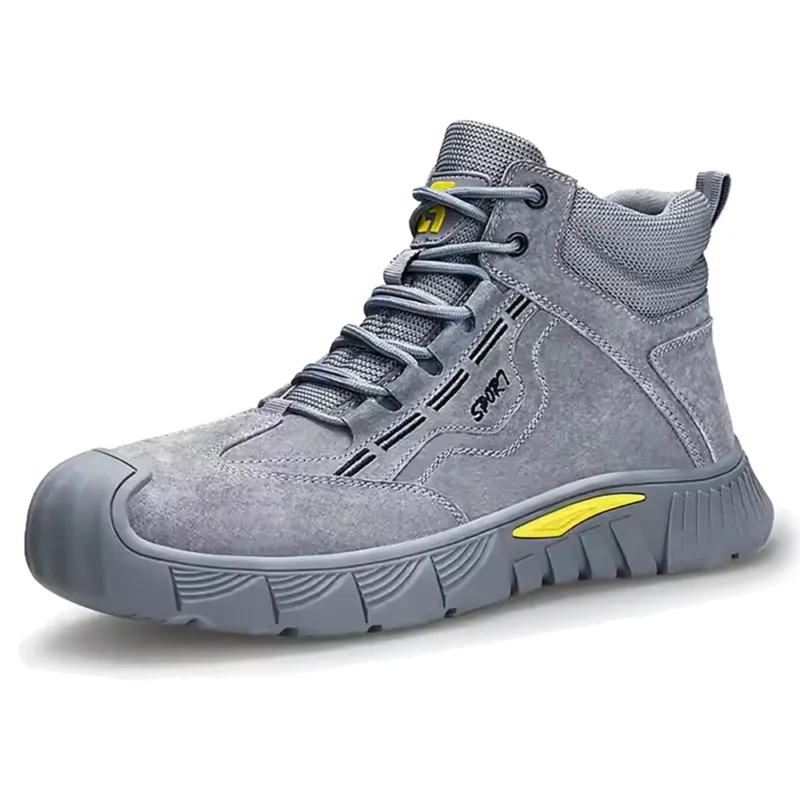
When your workday involves heavy machinery, falling objects, and unforgiving terrain, the Birks Defender Kevlar Steel Toe Safety Work Boots stand ready to protect you through it all. These boots deliver the exceptional durability, reliable protection, and all-day comfort you need to tackle any challenge and get the job done right, every single time.
Steel toe boots serve workers in construction, manufacturing, warehousing, and other industrial environments. The protective toe cap can withstand impacts up to 75 pounds dropped from 18 inches and compression loads of 2,500 pounds.
The Evolution of Protective Footwear
Workers have protected their feet for centuries. Early laborers wrapped leather around their feet and reinforced it with wooden planks. The industrial revolution in the 1800s brought new dangers. Factory workers faced heavy machinery and falling materials.
The first patent for steel toe boots appeared in Germany during the early 1930s. American manufacturers adopted this technology by 1939. World War II accelerated production as military and factory workers needed better foot protection.
Modern steel toe boots emerged in the 1970s when ASTM created standardized testing methods. Today’s boots combine traditional steel protection with advanced materials and ergonomic designs.
Key Features That Define Quality
Safety Certifications
Look for these essential markings:
- ASTM F2413-18: The current standard for protective footwear in the United States
- ANSI Z41: The older standard still recognized in many workplaces
- CSA Z195: Canadian safety standards for those working across borders
- EN ISO 20345: European certification for international workers
Each certification guarantees the boot passed specific impact, compression, and puncture tests.
Toe Cap Materials
Steel remains the traditional choice. It offers maximum protection and costs less than alternatives. Steel caps add weight but provide unmatched durability.
Composite materials include carbon fiber, fiberglass, and Kevlar. These caps weigh 30-50% less than steel. They don’t conduct electricity or temperature, making them ideal for electrical work or extreme climates.
Aluminum caps fall between steel and composite options. They weigh less than steel but more than composites. Aluminum provides excellent protection without the bulk.
Sole Construction
The outsole contacts the ground. Rubber outsoles grip better on wet surfaces. Polyurethane outsoles resist chemicals and abrasion. Look for deep lugs that measure at least 5mm for superior traction.
The midsole sits between the outsole and your foot. EVA foam provides cushioning. Polyurethane offers firmer support. Some boots include a steel or composite shank in the midsole for arch support and puncture resistance.
The insole touches your foot directly. Removable insoles let you add custom orthotics. Memory foam insoles mold to your foot shape. Anti-microbial treatments prevent odor.
Upper Materials
Full-grain leather offers the best durability and water resistance. It molds to your foot over time. Full-grain leather lasts years with proper care.
Nubuck leather provides a softer feel. It breathes better than full-grain but requires more maintenance.
Synthetic materials dry faster and weigh less. They cost less but don’t last as long as leather. Synthetic uppers work well for warm climates.
Waterproof membranes like Gore-Tex keep feet dry. These breathable barriers let sweat escape while blocking external moisture.
Essential Safety Features
Electrical Hazard Protection
EH-rated boots protect against open circuits up to 600 volts in dry conditions. The sole and heel provide electrical resistance. Workers around live wires need this feature.
Slip Resistance
Slip-resistant outsoles use specialized rubber compounds. The tread pattern channels water away from the contact surface. Look for boots marked SR (slip-resistant) or meet ASTM F2913 standards.
Puncture Resistance
A puncture-resistant plate sits in the midsole. Steel plates offer traditional protection. Flexible composite materials provide the same safety with better comfort. This feature stops nails and sharp objects from penetrating the sole.
Metatarsal Guards
Met guards extend protection over the top of your foot. Internal guards integrate into the boot design. External guards attach to the outside. Workers handling heavy materials benefit from this additional protection.
Comfort and Fit Considerations
Sizing Guidelines
Steel toe boots should fit differently than regular shoes:
- Leave 1/2 inch of space between your longest toe and the boot’s end
- Your heel should not slip when walking
- The widest part of your foot should align with the widest part of the boot
- Wear the socks you’ll use at work when trying boots
Boot sizes vary by manufacturer. Always try boots on before purchasing.
Break-In Period
New boots require 1-2 weeks of gradual wear. Start with 2-3 hours daily. Increase wear time as the leather softens. Apply leather conditioner to speed the process.
Expect some initial stiffness. Your feet may feel sore during break-in. Pain that persists beyond two weeks indicates poor fit.
Weight Distribution
Quality boots balance protection with comfort. A 6-inch boot weighs 2-3 pounds. An 8-inch boot weighs 3-4 pounds. Composite toe boots reduce weight by 10-15 ounces per pair.
Lighter boots reduce fatigue during long shifts. Your legs and back experience less strain.
Performance Comparison by Boot Height
| Boot Height | Ankle Support | Protection Level | Best For | Average Weight |
|---|---|---|---|---|
| 6-inch | Moderate | Standard | General construction, warehousing | 2.5 lbs |
| 8-inch | High | Enhanced | Outdoor work, rough terrain | 3.5 lbs |
| 10-inch | Maximum | Premium | Logger work, extreme conditions | 4.5 lbs |
When your workday involves heavy machinery, falling objects, and unforgiving terrain, the Birks Defender Kevlar Steel Toe Safety Work Boots stand ready to protect you through it all. These boots deliver the exceptional durability, reliable protection, and all-day comfort you need to tackle any challenge and get the job done right, every single time.
Maintenance Requirements
Daily Care
Remove dirt and debris after each shift. Use a stiff brush on the outsole. Wipe the upper with a damp cloth. Allow boots to air dry away from direct heat.
Insert boot trees or stuff with newspaper to maintain shape. This practice prevents creasing and extends boot life.
Weekly Maintenance
Apply leather conditioner to prevent cracking. Use products specifically designed for work boots. Condition all leather surfaces including tongues and collars.
Check laces for fraying. Replace damaged laces immediately. Inspect the sole for wear patterns or separation from the upper.
Deep Cleaning
Clean boots thoroughly every month:
- Remove laces and insoles
- Brush away loose dirt
- Mix warm water with mild soap
- Scrub the entire boot with a soft brush
- Rinse with clean water
- Air dry for 24-48 hours
- Apply leather conditioner
- Replace laces and insoles
Never machine wash work boots. The agitation damages the protective features and adhesives.
Industry-Specific Requirements
Construction Sites
Construction workers need boots with metatarsal guards and puncture-resistant soles. An 8-inch height provides ankle support on uneven terrain. Waterproof membranes keep feet dry in all conditions.
Manufacturing Facilities
Factory workers benefit from electrical hazard protection and static dissipative properties. Composite toes work better around metal detectors. Lighter boots reduce fatigue during repetitive tasks.
Warehouse Operations
Warehouse staff prioritize slip resistance and cushioning. A 6-inch boot offers adequate protection with better mobility. Breathable materials prevent overheating during constant movement.
Outdoor Labor
Landscapers and utility workers need waterproof construction and aggressive tread patterns. Insulation becomes important in cold climates. Look for boots rated to -20°F or lower for winter work.
Cost vs. Value Analysis
Entry-level steel toe boots cost $80-$120. These boots last 6-12 months with daily wear. They meet basic safety standards but lack advanced comfort features.
Mid-range boots cost $150-$250. They include better materials and enhanced cushioning. Expect 12-18 months of service life. These boots balance cost with performance.
Premium boots cost $300-$400. They feature top-grain leather, advanced safety systems, and superior comfort. These boots last 2-3 years with proper care.
Calculate cost per wear to determine true value. A $300 boot worn 500 times costs $0.60 per day. A $100 boot worn 200 times costs $0.50 per day. The cheaper boot may cost more over time due to replacement frequency.
Signs of Quality Construction
Examine these details before purchasing:
- Stitching: Look for tight, even stitches with no loose threads
- Sole attachment: Goodyear welt construction allows for resoling
- Hardware: Metal eyelets and hooks should feel solid
- Toe cap: The steel cap should not flex under finger pressure
- Seams: All seams should lie flat with no gaps or overlaps
- Insole: Quality insoles have multiple layers for cushioning and support
Selection Process
Follow these steps to choose the right boot:
- Identify workplace hazards: List the specific dangers you face daily
- Check safety requirements: Verify which certifications your employer mandates
- Determine climate needs: Consider temperature and moisture exposure
- Set your budget: Decide how much you can invest
- Research brands: Read reviews from workers in similar roles
- Try multiple options: Visit stores to test different brands and styles
- Walk and bend: Perform work-like movements while trying boots
- Verify return policy: Ensure you can exchange boots if they don’t work
Common Mistakes to Avoid
Choosing price over fit: Uncomfortable boots cause injuries regardless of cost. Proper fit prevents blisters, calluses, and joint pain.
Ignoring break-in time: Wearing new boots for a full shift causes unnecessary pain. Gradually increase wear time.
Skipping maintenance: Neglected boots fail prematurely. Regular care extends boot life by 50% or more.
Buying online without trying: Sizes vary significantly between brands. Always verify fit before committing to a purchase.
Overlooking specific hazards: General-purpose boots may not protect against specialized workplace dangers. Match boot features to your exact work environment.
Final Recommendations
A good steel toe work boot protects your feet while maintaining comfort throughout long shifts. The best boot for you matches your specific workplace hazards, fits properly, and falls within your budget.
Prioritize safety certifications that meet your employer’s requirements. Choose materials that suit your climate and work conditions. Consider the total cost of ownership rather than initial price alone.
Invest time in proper fitting and break-in procedures. Maintain your boots regularly to maximize their service life. Replace boots when safety features show wear or damage.
Your feet carry you through every workday. Quality protective footwear represents an investment in your safety, comfort, and long-term health. Choose carefully and your boots will serve you well for years.
When your workday involves heavy machinery, falling objects, and unforgiving terrain, the Birks Defender Kevlar Steel Toe Safety Work Boots stand ready to protect you through it all. These boots deliver the exceptional durability, reliable protection, and all-day comfort you need to tackle any challenge and get the job done right, every single time.
