
What Is a Moc Toe Work Boot?

Understanding Moc Toe Construction
A moc toe work boot features a distinctive U-shaped stitching pattern across the toe box. This design element creates a raised seam that runs from the toe cap back toward the vamp. The term “moc” derives from moccasin-style construction, a technique dating back to traditional Native American footwear.
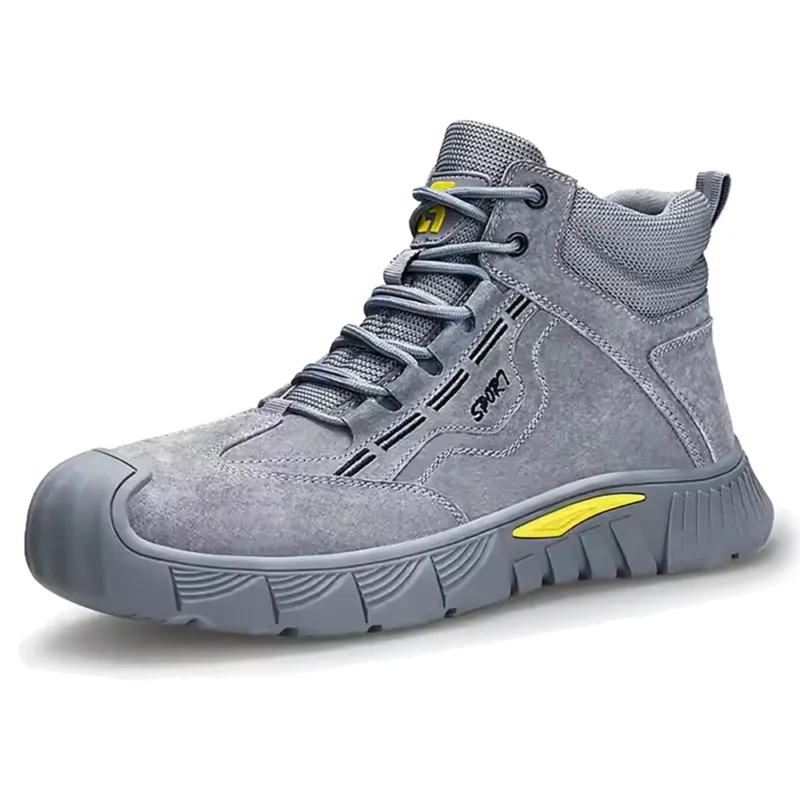
When your workday involves heavy machinery, falling objects, and unforgiving terrain, the Birks Defender Kevlar Steel Toe Safety Work Boots stand ready to protect you through it all. These boots deliver the exceptional durability, reliable protection, and all-day comfort you need to tackle any challenge and get the job done right, every single time.
The moc toe serves both aesthetic and functional purposes. The extra piece of leather sewn over the toe area adds durability to high-wear zones. Many workers appreciate this style for its classic appearance and the comfort benefits it provides during long shifts.
Historical Origins of Moc Toe Boots
Moc toe boots emerged in the early 1900s as American boot manufacturers adapted moccasin construction methods for industrial work. The Red Wing Shoe Company popularized this design in 1952 with their iconic 877 model. This boot became the standard for construction workers, electricians, and factory employees across North America.
The design gained traction because it solved a specific problem. Workers needed boots that could withstand harsh conditions while providing flexibility. Traditional work boots of that era were stiff and uncomfortable. The moc toe construction offered a roomier toe box and more natural foot movement.
By the 1960s and 1970s, moc toe boots had become synonymous with American workwear. Oil rig workers in Texas wore them. Loggers in Oregon relied on them. The style crossed over from pure utility into fashion, appearing in casual wear settings by the 1980s.
Technical Specifications and Design Features
Toe Box Construction
The moc toe design uses a single piece of leather that wraps around the front of the boot. A craftsman stitches this piece to create the characteristic U-shaped pattern. This construction method differs significantly from plain toe or cap toe designs.
Key technical elements include:
- Extra leather layer: Provides reinforcement without steel or composite materials
- Stitching pattern: Double or triple-stitched seams for durability
- Wider toe box: Allows toes to spread naturally during movement
- Soft toe classification: Most moc toe boots lack safety toe protection by default
Sole Attachment Methods
Moc toe work boots typically use one of three sole attachment methods:
- Goodyear welt construction: A leather strip connects the upper to the sole, allowing for resoling
- Direct attach: The sole bonds directly to the upper using adhesives and heat
- Stitchdown construction: The upper folds outward and stitches directly to the sole
Material Composition
Quality moc toe work boots use full-grain leather for the upper. This leather type comes from the top layer of the hide and offers maximum durability. The leather thickness ranges from 2.0mm to 3.0mm for work-grade boots.
Sole materials vary based on intended use:
- Rubber: Provides slip resistance and flexibility
- Polyurethane: Offers lightweight cushioning and oil resistance
- Nitrile rubber: Delivers superior chemical and abrasion resistance
- Crepe rubber: Supplies comfort but less durability than other options
Moc Toe vs. Other Work Boot Styles
| Feature | Moc Toe | Plain Toe | Cap Toe | Composite Toe |
|---|---|---|---|---|
| Toe Protection | Soft (no safety rating) | Soft or safety rated | Often safety rated | ASTM safety rated |
| Comfort | High – roomy toe box | Moderate | Moderate | Lower – rigid toe cap |
| Weight | Light to moderate | Light | Moderate | Moderate to heavy |
| Professional Appearance | Casual/rugged | Clean/minimal | Formal/structured | Industrial/technical |
| Resolability | Excellent (welted styles) | Excellent | Excellent | Limited |
| Best For | General labor, trades | Office/light duty | Construction, heavy duty | Electrical, impact hazards |
Benefits for Different Work Environments
Construction and General Labor
Moc toe boots excel in construction environments where ASTM safety toe certification is not mandatory. Carpenters, painters, and general laborers benefit from the flexibility and comfort these boots provide. The wider toe box accommodates foot swelling during 10-12 hour shifts.
Electrical Work
Electricians often choose moc toe boots for indoor residential and commercial work. The soft toe construction allows for better ground feel when climbing ladders or working on elevated surfaces. Many models offer electrical hazard (EH) protection without the bulk of a safety toe.
Landscaping and Outdoor Work
Groundskeepers and landscapers favor moc toe boots for their balance of durability and comfort. The boots handle moisture exposure from grass cutting and irrigation work. The rubber soles provide traction on varied terrain without being overly aggressive.
Light Industrial Settings
Warehouse workers and manufacturing employees in low-risk areas benefit from moc toe boots. These environments require sturdy footwear but may not mandate safety toe protection. The boots offer all-day comfort while maintaining a professional appearance.
Comfort and Fit Considerations
Break-In Period
New moc toe work boots require a break-in period of 1-2 weeks. The leather upper needs time to conform to your foot shape. During this period:
- Wear the boots for 2-3 hours daily
- Use leather conditioner to soften the material
- Wear thick work socks to prevent blisters
- Gradually increase wearing time
Sizing Guidelines
Moc toe boots typically run true to size, but the roomy toe box affects fit differently than narrow work boot styles. Your toes should have 0.5 inches of space from the front of the boot. The widest part of your foot should align with the widest part of the boot.
Width options matter significantly. Most manufacturers offer D (standard), E (wide), and EE (extra wide) sizes. Workers with high arches or wide feet find moc toe boots more accommodating than other styles.
Arch Support and Insoles
Standard moc toe work boots provide minimal arch support. The flat footbed design prioritizes ground contact over structured support. Many workers replace factory insoles with aftermarket options:
- Orthotic insoles: Support specific foot conditions
- Gel insoles: Absorb impact on concrete floors
- Memory foam insoles: Mold to individual foot shape
- Anti-fatigue insoles: Reduce leg and back strain
Maintenance and Longevity
Cleaning Procedures
Proper cleaning extends boot life by 2-3 years. Follow these steps weekly:
- Remove loose dirt with a soft brush
- Wipe leather with a damp cloth
- Apply leather cleaner for stubborn stains
- Allow boots to air dry away from direct heat
- Never use a washing machine or harsh chemicals
Conditioning and Waterproofing
Leather dries out from exposure to elements and body oils. Condition your moc toe boots every 4-6 weeks:
- Apply mink oil for maximum water resistance
- Use leather cream for maintaining suppleness without darkening
- Apply beeswax-based products for extreme waterproofing needs
Sole Care and Replacement
Monitor sole wear patterns monthly. Replace soles when tread depth falls below 3mm. Welted moc toe boots allow for professional resoling, which costs $80-120 but extends boot life by years.
Check for these wear indicators:
- Smooth areas on the heel or ball of foot
- Visible midsole material
- Uneven wear causing gait changes
- Separation between sole and upper
When your workday involves heavy machinery, falling objects, and unforgiving terrain, the Birks Defender Kevlar Steel Toe Safety Work Boots stand ready to protect you through it all. These boots deliver the exceptional durability, reliable protection, and all-day comfort you need to tackle any challenge and get the job done right, every single time.
Common Problems and Solutions
Hot Spots and Blisters
New boots often create pressure points. Address these issues immediately:
- Apply moleskin padding to problem areas
- Adjust lacing tension to reduce pressure
- Wear moisture-wicking socks to reduce friction
- Use anti-chafing balm on feet before wearing boots
Leather Cracking
Dry leather develops cracks that compromise waterproofing. Prevention methods include:
- Store boots in climate-controlled areas
- Avoid prolonged sun exposure
- Condition leather before cracks appear
- Apply leather repair compound to small cracks immediately
Odor Control
Work boots develop odor from bacteria growth in warm, moist environments. Combat this problem by:
- Removing insoles daily to air out
- Using cedar shoe trees to absorb moisture
- Sprinkling baking soda inside boots overnight
- Rotating between two pairs of work boots
Selecting the Right Moc Toe Work Boot
Workplace Requirements Assessment
Determine your specific needs before purchasing:
- Does your employer require safety toe protection?
- What hazards exist in your work environment?
- How many hours per day will you wear the boots?
- What weather conditions will you encounter?
Quality Indicators
Identify well-constructed boots by examining:
- Stitching density: 6-8 stitches per inch indicates quality
- Leather grain: Consistent texture without excessive blemishes
- Sole flexibility: Should bend at the ball of the foot, not the arch
- Hardware quality: Rust-resistant eyelets and speed hooks
- Insole construction: Removable insoles allow for customization
Price Ranges and Value
Moc toe work boots span a wide price spectrum:
- Budget tier ($80-120): Basic construction, limited durability (6-12 months)
- Mid-range ($150-250): Quality materials, resolable (2-4 years)
- Premium tier ($300-400): Handcrafted, superior materials (5-10 years)
Calculate cost per wear to determine true value. A $300 boot lasting five years costs $0.16 per day for daily wear. A $100 boot lasting one year costs $0.27 per day.
Brand Reputation
Established manufacturers produce consistent quality. Research brands focusing on:
- Warranty coverage (6 months to lifetime)
- Customer service accessibility
- Resoling services availability
- Manufacturing location and labor practices
Making Your Final Decision
Choose moc toe work boots when comfort and flexibility outweigh the need for safety toe protection. These boots suit workers who spend long hours on their feet in moderate-risk environments. The classic design provides versatility for both work and casual wear.
Invest in proper care products from day one. Quality leather conditioner, waterproofing spray, and replacement insoles cost $40-60 but significantly extend boot life. Schedule regular maintenance into your routine rather than waiting for problems to develop.
Try boots on in person when possible. Online purchases offer convenience but increase return risk. Visit retailers late in the day when feet are slightly swollen to ensure proper fit. Wear your typical work socks during fitting.
The right pair of moc toe work boots becomes an extension of your work uniform. They protect your feet while allowing natural movement. With proper selection and maintenance, these boots serve reliably for years, making them a worthwhile investment in your professional comfort and safety.
When your workday involves heavy machinery, falling objects, and unforgiving terrain, the Birks Defender Kevlar Steel Toe Safety Work Boots stand ready to protect you through it all. These boots deliver the exceptional durability, reliable protection, and all-day comfort you need to tackle any challenge and get the job done right, every single time.
