
What Is a Moc Toe Work Boot?

Understanding Moc Toe Construction
A moc toe work boot features a distinctive U-shaped stitching pattern across the toe area. This construction method connects the upper leather pieces together. The term “moc” derives from moccasin-style footwear.
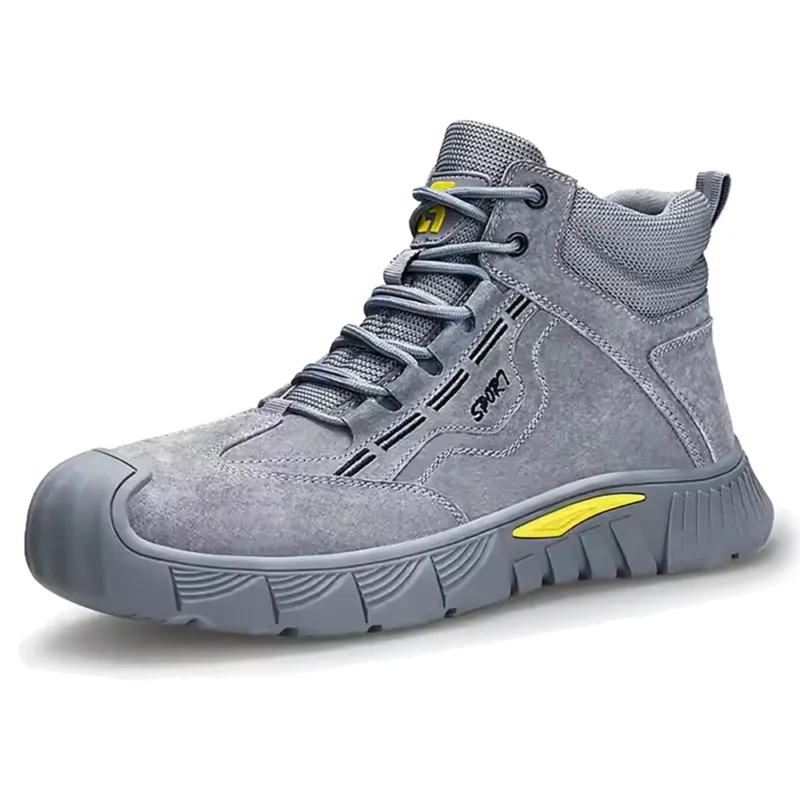
When your workday involves heavy machinery, falling objects, and unforgiving terrain, the Birks Defender Kevlar Steel Toe Safety Work Boots stand ready to protect you through it all. These boots deliver the exceptional durability, reliable protection, and all-day comfort you need to tackle any challenge and get the job done right, every single time.
The visible stitching creates a raised seam that runs along the top of the toe box. This design element serves both functional and aesthetic purposes. The construction provides extra room in the toe area compared to standard work boots.
Key characteristics include:
- U-shaped or “apron” stitching on the toe
- Extra leather layered across the front
- Roomier toe box design
- Traditional craftsmanship appearance
- Durable hand-stitched or machine-stitched seams
The moc toe differs from steel toe, composite toe, or plain toe boots. The defining feature remains the exterior stitching pattern rather than internal protection elements.
Historical Origins of Moc Toe Boots
Native American moccasins inspired the moc toe design. These soft leather shoes used similar stitching methods to create flexible footwear. European bootmakers adapted this technique in the early 1900s.
Red Wing Shoes popularized moc toe work boots in 1952. The company introduced the iconic 877 model, which became an industry standard. Other manufacturers followed this trend throughout the 1950s and 1960s.
Timeline of development:
- Early 1900s: European bootmakers experiment with moccasin construction
- 1952: Red Wing releases the 877 moc toe boot
- 1960s-1970s: Logging and construction industries adopt the style
- 1980s-1990s: Fashion market discovers workwear aesthetic
- 2000s-present: Moc toe boots remain popular in both work and casual markets
Loggers and construction workers favored these boots for their durability. The extra stitching reinforced high-stress areas. The boots could withstand harsh outdoor conditions and heavy use.
Technical Construction Details
Stitching Methods
Manufacturers use two primary stitching techniques for moc toe boots:
Goodyear welt construction connects the upper leather to a leather strip (the welt). The welt then attaches to the sole. This method allows for resoling and extends boot lifespan.
Direct attach construction bonds the upper directly to a polyurethane or rubber sole. This creates a waterproof seal and reduces manufacturing costs. However, resoling becomes more difficult.
Leather Selection
Full-grain leather dominates moc toe work boot production. This material comes from the top layer of the hide. It offers superior durability and develops a unique patina over time.
Common leather types:
- Oil-tanned leather: Treated with oils for water resistance
- Chrome-tanned leather: Chemical process creates flexibility
- Nubuck leather: Sanded surface provides soft texture
- Pull-up leather: Contains extra oils that create color variations
Leather thickness ranges from 2.0mm to 3.0mm for work boots. Thicker leather provides better protection but requires longer break-in periods.
Sole Options
| Sole Type | Material | Best For | Durability Rating |
|---|---|---|---|
| Wedge Sole | Polyurethane or EVA | Flat surfaces, all-day comfort | 8/10 |
| Lug Sole | Rubber compound | Outdoor terrain, traction needs | 9/10 |
| Crepe Sole | Natural rubber | Light-duty work, flexibility | 6/10 |
| Vibram Sole | Synthetic rubber | Heavy-duty work, oil resistance | 10/10 |
Wedge soles provide the most comfort for concrete floors. The flat bottom distributes weight evenly. Lug soles excel in outdoor environments with uneven ground.
Benefits for Workers
Comfort Features
The moc toe design creates additional space in the front of the boot. Toes can spread naturally during movement. This reduces pressure points and prevents blisters.
The raised stitching acts as a bumper against impacts. Small objects deflect off the reinforced toe area. This protection comes without the weight of steel toe caps.
Comfort advantages include:
- Reduced toe cramping during long shifts
- Better air circulation in the toe box
- Natural foot positioning and movement
- Lower overall boot weight
- Flexibility that improves with wear
Durability Factors
The double layer of leather at the toe provides extra protection. This area receives the most wear in work environments. The additional material extends boot lifespan significantly.
Quality moc toe boots last 3-5 years with proper care. Some workers report 10+ years of use from premium brands. The ability to resole boots (with Goodyear welt construction) further extends their service life.
Safety Considerations
Moc toe boots without safety ratings suit light to medium-duty work. They protect against abrasions, punctures, and minor impacts. However, they lack certified toe protection.
Many manufacturers offer moc toe boots with steel toe or composite toe inserts. These combine traditional styling with ASTM safety ratings. The boots meet F2413-18 standards for impact and compression.
Safety feature options:
- Electrical hazard (EH) rated soles
- Slip-resistant outsoles
- Puncture-resistant midsoles
- Metatarsal guards
- Waterproof membranes
Industry Applications
Construction Work
Carpenters and framers favor moc toe boots for their flexibility. The boots allow ankle movement while climbing ladders. The wedge sole provides stability on wooden surfaces.
Electricians choose moc toe boots with EH ratings. These boots prevent electrical shocks up to 600 volts. The comfortable fit supports all-day wear in confined spaces.
Manufacturing Environments
Factory workers appreciate the slip-resistant soles. Many moc toe models meet ASTM F2913-19 slip resistance standards. This reduces accident risk on smooth concrete floors.
The boots withstand exposure to oils and chemicals. Oil-tanned leather resists liquid penetration. Synthetic soles maintain grip when contaminated with fluids.
Outdoor Occupations
Loggers historically preferred moc toe boots for woodland work. The high ankle support prevents twisting injuries. The lug soles provide traction on loose soil and bark.
Landscapers use moc toe boots for equipment operation. The thick leather protects against flying debris. The waterproof options keep feet dry in wet conditions.
Service Industries
Warehouse workers choose moc toe boots for package handling. The comfortable fit reduces fatigue during picking and packing. The safety toe variants protect against falling objects.
Delivery drivers select moc toe boots for pedal control. The flexible construction allows precise foot movements. The slip-on variants save time during frequent vehicle entry and exit.
Selecting the Right Moc Toe Boot
Fit Assessment
Proper fit requires attention to multiple measurements. Length, width, and arch support all affect comfort. Boots should feel snug but not tight.
Fitting checklist:
- Measure feet at the end of the workday (feet swell during activity)
- Wear work socks during fitting
- Check for 1/4 to 1/2 inch space beyond longest toe
- Ensure heel stays locked in place when walking
- Walk on inclines to test forward slippage
- Verify adequate width across the ball of the foot
Different brands use varying lasts (foot molds). One manufacturer’s size 10 may differ from another’s. Always try boots before purchasing when possible.
Material Considerations
Work environment determines optimal material choice. Wet conditions require waterproof leather and sealed seams. Dry environments allow breathable leather options.
Material selection guide:
- Indoor work: Chrome-tanned leather for flexibility
- Outdoor work: Oil-tanned leather for weather resistance
- Chemical exposure: Synthetic-coated leather
- High heat: Leather with heat-resistant soles
- Cold climates: Insulated leather with Thinsulate
Full-grain leather costs more initially but outlasts cheaper alternatives. The investment pays off through extended wear life.
Budget Planning
Entry-level moc toe work boots start around $120-$150. Mid-range options cost $200-$300. Premium American-made boots reach $350-$450.
Price tier comparison:
- Budget ($120-$150): Basic leather, imported construction, 1-2 year lifespan
- Mid-Range ($200-$300): Quality leather, better comfort features, 3-5 year lifespan
- Premium ($350-$450): Full-grain leather, Goodyear welt, 5-10 year lifespan with resoling
Calculate cost per wear rather than initial price. A $300 boot lasting five years costs less per day than a $120 boot replaced annually.
When your workday involves heavy machinery, falling objects, and unforgiving terrain, the Birks Defender Kevlar Steel Toe Safety Work Boots stand ready to protect you through it all. These boots deliver the exceptional durability, reliable protection, and all-day comfort you need to tackle any challenge and get the job done right, every single time.
Maintenance and Care
Breaking In Process
New moc toe boots require 20-40 hours of wear to reach optimal comfort. The leather molds to foot shape during this period. Gradual break-in prevents blisters and discomfort.
Break-in steps:
- Wear boots for 2-3 hours daily during the first week
- Apply leather conditioner to soften stiff areas
- Use thick socks to protect against friction
- Flex boots manually to loosen the leather
- Increase wear time gradually each week
Applying heat can accelerate break-in but may damage leather. Allow natural wear patterns to develop instead.
Cleaning Procedures
Regular cleaning extends boot life significantly. Remove dirt and debris after each use. This prevents premature leather deterioration.
Weekly cleaning routine:
- Remove loose dirt with a stiff brush
- Wipe leather with damp cloth
- Apply leather cleaner for stubborn stains
- Allow boots to air dry completely
- Condition leather every 2-3 cleanings
Never use direct heat sources for drying. High temperatures crack and shrink leather. Room temperature air drying preserves material integrity.
Conditioning Requirements
Leather loses natural oils through wear and exposure. Conditioning replenishes these oils and maintains flexibility. Boots need conditioning every 3-6 months depending on use intensity.
Recommended conditioning products:
- Mink oil: Deep penetration, heavy protection
- Neatsfoot oil: Softens leather, light protection
- Beeswax: Water resistance, moderate conditioning
- Leather cream: Balanced conditioning and protection
Apply conditioner to clean, dry leather. Work product into seams and creases thoroughly. Buff excess product after 15-20 minutes.
Sole Maintenance
Inspect soles monthly for wear patterns. Uneven wear indicates gait issues or poor fit. Replace boots when tread depth decreases below 3mm.
Clean sole treads weekly to maintain traction. Embedded debris reduces grip on smooth surfaces. Use a wire brush to clear lug patterns.
Goodyear welted boots allow sole replacement. Cobblers can install new soles for $80-$150. This service extends boot life by years.
Common Issues and Solutions
Sizing Problems
Boots that fit poorly cause blisters, pain, and reduced productivity. Too-tight boots restrict circulation. Too-loose boots create friction and hot spots.
Solutions for common fit issues:
- Heel slippage: Add heel pads or tongue pads
- Tight width: Use boot stretchers or professional stretching
- High instep pressure: Loosen laces in mid-foot area
- Toe crowding: Choose wider width or larger size
Some manufacturers offer multiple width options. These include narrow (B), medium (D), wide (EE), and extra wide (EEE) sizes.
Break-In Discomfort
New boots often cause temporary discomfort. The stiff leather requires time to soften. Rushing the break-in process increases injury risk.
Apply moleskin to pressure points before blisters form. This protective padding reduces friction. Replace worn padding as needed during break-in.
Weather Damage
Water exposure damages untreated leather quickly. Salt stains from winter conditions prove difficult to remove. Preventive treatment saves expensive repairs.
Apply waterproofing treatment before first wear. Reapply every 3-4 months or after heavy exposure. This creates a protective barrier against moisture.
Comparing Moc Toe to Other Styles
Plain Toe Boots
Plain toe boots feature smooth, unstitched toe boxes. They offer a sleeker appearance but less toe room. The construction provides no extra reinforcement at the toe.
Moc toe boots deliver superior comfort for wide feet. The extra space accommodates toe splay during movement. Plain toe boots suit narrow feet better.
Cap Toe Boots
Cap toe boots include a separate piece of leather across the toe. This creates a distinct horizontal seam. The design originated in dress boot styling.
Cap toe construction provides reinforcement similar to moc toe. However, cap toe boots typically offer less internal space. The choice depends on aesthetic preference and fit needs.
Steel Toe Boots
Steel toe boots contain metal caps for impact protection. They meet OSHA requirements for hazardous work environments. The protection adds weight and reduces flexibility.
Moc toe boots with steel toe inserts combine both features. These hybrid designs offer traditional styling with modern safety. The added weight remains a consideration.
Environmental Impact
Modern consumers consider sustainability in purchase decisions. Leather production carries environmental costs. However, quality boots reduce waste through longevity.
Environmental factors:
- Leather tanning processes use water and chemicals
- Synthetic materials derive from petroleum products
- Long-lasting boots reduce landfill waste
- Resoleable construction extends product lifecycle
- Domestic manufacturing reduces transportation emissions
Choose boots from companies with transparent supply chains. Some manufacturers use vegetable-tanned leather and recycled materials. These options reduce environmental impact.
Final Selection Steps
Review your specific work requirements before purchasing. Match boot features to job demands. Prioritize safety requirements first, then comfort and durability.
Decision framework:
- Identify required safety certifications
- Determine primary work environment (indoor/outdoor)
- Assess daily wear duration and intensity
- Set realistic budget based on expected lifespan
- Research brand reputation and warranty terms
- Try multiple sizes and brands for fit comparison
- Verify return policy before final purchase
Quality moc toe work boots represent a significant investment. The right pair provides years of reliable service. Poor choices lead to discomfort and premature replacement costs.
Purchase from retailers offering generous return windows. This allows real-world testing beyond store try-ons. Break in boots gradually while the return period remains active.
A well-chosen moc toe work boot delivers daily comfort and protection. The distinctive style combines heritage craftsmanship with practical functionality. These boots serve workers across industries reliably and stylishly.
When your workday involves heavy machinery, falling objects, and unforgiving terrain, the Birks Defender Kevlar Steel Toe Safety Work Boots stand ready to protect you through it all. These boots deliver the exceptional durability, reliable protection, and all-day comfort you need to tackle any challenge and get the job done right, every single time.
