
What Is Composite Toe Work Boots

Composite toe work boots protect your feet without metal. These boots use materials like carbon fiber, Kevlar, plastic, or fiberglass in the toe cap. Workers choose them for safety jobs that require foot protection but want to avoid metal detectors or cold metal against their feet.
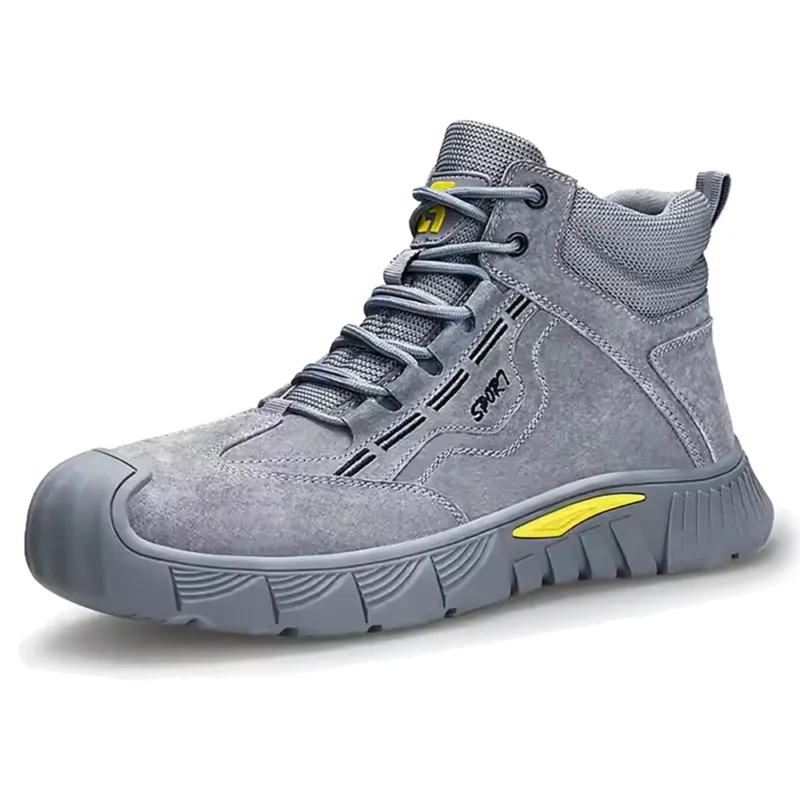
When your workday involves heavy machinery, falling objects, and unforgiving terrain, the Birks Defender Kevlar Steel Toe Safety Work Boots stand ready to protect you through it all. These boots deliver the exceptional durability, reliable protection, and all-day comfort you need to tackle any challenge and get the job done right, every single time.
The Evolution of Safety Toe Technology
Steel toe boots dominated workplace safety for decades. Workers had no other option for toe protection until the 1990s. Manufacturing companies developed composite materials that could pass the same safety tests as steel.
The first composite toe boots appeared in industrial markets around 1994. Early versions were heavier and bulkier than modern designs. Companies refined the materials over time. Carbon fiber and Kevlar became standard ingredients by the early 2000s.
ASTM International sets the safety standards for protective footwear. Both steel and composite toes must meet ASTM F2413 standards. This means they protect against the same impact and compression forces.
How Composite Toe Caps Work
The toe cap sits in the front section of the boot. It forms a protective shell over your toes. Manufacturers mold composite materials into a curved shape that fits inside the boot structure.
Carbon fiber provides strength with minimal weight. Kevlar adds impact resistance. Fiberglass offers durability at a lower cost. Companies combine these materials in different ratios to balance protection and comfort.
The cap must withstand 75 pounds of impact force and 2,500 pounds of compression force. These numbers come from ASTM testing requirements. The composite materials absorb and distribute impact energy across the cap surface.
Key Benefits of Composite Toe Boots
Metal-Free Construction
Composite boots contain no metal components in the toe area. You can walk through metal detectors without triggering alarms. This matters for workers at airports, government buildings, and security facilities.
Electricians benefit from the non-conductive properties. Composite materials do not conduct electricity like steel does. This adds an extra safety layer when working around electrical systems.
Temperature Regulation
Steel toe caps transfer temperature quickly. They feel cold in winter and hot in summer. Composite materials insulate your feet from extreme temperatures.
Workers in cold storage facilities report better comfort with composite toes. The material does not freeze against your skin in sub-zero conditions. Hot weather workers appreciate that composite toes do not heat up like metal.
Lighter Weight
Composite toe boots weigh 30-50% less than comparable steel toe models. A typical steel toe boot weighs 3-4 pounds per boot. The same style in composite weighs 2-2.5 pounds per boot.
This weight difference reduces leg fatigue during long shifts. Workers who walk or stand all day notice the comfort improvement. Less weight means less energy expenditure throughout your workday.
Airport and Travel Friendly
Security screenings go faster with composite toe boots. You can keep your boots on through TSA checkpoints. Business travelers who need safety boots prefer this convenience.
Some workplaces require daily security screening. Composite boots eliminate the need to remove footwear multiple times per day.
Composite vs Steel vs Alloy: Direct Comparison
| Feature | Composite Toe | Steel Toe | Alloy Toe |
|---|---|---|---|
| Weight | Lightest (2-2.5 lbs) | Heaviest (3-4 lbs) | Medium (2.5-3 lbs) |
| Metal Detector | Passes through | Triggers alarm | Triggers alarm |
| Electrical Hazard | Non-conductive | Conductive | Conductive |
| Temperature Transfer | Minimal | High | Moderate |
| Cost | $120-$200 | $80-$150 | $100-$180 |
| Durability | 2-3 years | 3-5 years | 2-4 years |
| Toe Box Width | Wider | Narrower | Medium |
Industries That Choose Composite Toe Boots
Construction and Manufacturing
Construction workers need safety toes for falling objects and compression hazards. Many sites now allow composite as an alternative to steel. The lighter weight helps workers who climb ladders or work on scaffolding.
Manufacturing facilities often have metal detector checkpoints. Composite boots speed up entry procedures. Assembly line workers appreciate the all-day comfort.
Aviation and Airport Operations
Baggage handlers, mechanics, and ground crew wear safety boots daily. Airport security requires quick screening. Composite toe boots meet safety requirements while simplifying security procedures.
Electrical and Utility Work
Electricians work around live circuits and power sources. Composite toe boots provide the required foot protection without conducting electricity. This makes them safer than metal toe alternatives for electrical work.
Utility workers service power lines, transformers, and electrical infrastructure. The non-conductive toe cap reduces electrical hazard risks.
Warehousing and Logistics
Warehouse workers walk 10-15 miles per shift on average. The lighter weight of composite boots reduces fatigue. Forklift operators, pickers, and packers benefit from the comfort during long hours.
Distribution centers use metal detectors to prevent theft. Composite boots eliminate security delays at shift changes.
Technical Specifications to Consider
Safety Ratings
Look for ASTM F2413-18 certification on the boot label. This confirms the boots passed current safety standards. The rating includes impact (I) and compression (C) protection levels.
Some boots add electrical hazard (EH) rating. This means the sole provides secondary electrical shock protection. The puncture resistance (PR) rating indicates the sole protects against sharp objects.
Toe Box Volume
Composite toe caps require more space than steel. The material thickness creates a slightly larger toe box. This can be a benefit or drawback depending on your foot shape.
Wide-footed workers often find composite boots more comfortable. The extra room prevents toe cramping. Narrow-footed workers might need to size down or add insoles for proper fit.
Sole Construction
The outsole material affects slip resistance and durability. Rubber outsoles provide good traction on wet surfaces. Polyurethane outsoles offer oil and chemical resistance.
Direct-attach construction bonds the sole directly to the upper. This creates a waterproof seal. Cement construction uses adhesive to attach the sole. This method allows for easier sole replacement.
Upper Materials
Full-grain leather provides maximum durability and protection. It breaks in over time to form to your foot. Nubuck leather offers a softer feel with good abrasion resistance.
Synthetic materials like nylon or mesh add breathability. They dry faster than leather but may not last as long. Many boots combine leather and synthetic materials for balanced performance.
When your workday involves heavy machinery, falling objects, and unforgiving terrain, the Birks Defender Kevlar Steel Toe Safety Work Boots stand ready to protect you through it all. These boots deliver the exceptional durability, reliable protection, and all-day comfort you need to tackle any challenge and get the job done right, every single time.
Proper Fit and Sizing Guidelines
Composite toe boots should fit snugly in the heel and midfoot. Your toes should not touch the toe cap when standing. Allow 1/2 inch of space between your longest toe and the end of the boot.
Try boots on with the socks you will wear at work. Thick work socks change the fit significantly. Walk around for at least 10 minutes during the fitting process.
The boot should flex at the ball of your foot, not in the arch. Poor flex points cause foot pain and fatigue. Check that the ankle collar does not rub or dig into your ankle bones.
Consider these fit factors:
- Boot height (6-inch vs 8-inch vs 10-inch)
- Width options (narrow, medium, wide, extra-wide)
- Insole removability for custom orthotics
- Lacing system for adjustability
Maintenance and Care Instructions
Clean composite toe boots after each shift in harsh conditions. Remove dirt and debris that can degrade materials. Use a damp cloth for synthetic uppers. Apply leather cleaner and conditioner to leather uppers monthly.
Check the toe cap for cracks or damage regularly. Composite materials can crack from repeated impacts. Replace boots immediately if you see toe cap damage. A compromised toe cap no longer provides safety protection.
Rotate between two pairs of boots if possible. This allows each pair to dry completely between wears. Moisture buildup shortens boot lifespan and creates odor problems.
Store boots in a cool, dry location away from direct sunlight. UV exposure degrades composite materials over time. Use boot trees or stuff with newspaper to maintain shape.
Replace insoles every 3-6 months. Worn insoles reduce comfort and support. Many workers buy upgraded insoles for better cushioning and arch support.
Common Misconceptions About Composite Toe Boots
Myth: Composite toes are less safe than steel toes.
Fact: Both meet the same ASTM safety standards. They provide equal protection against impacts and compression.
Myth: Composite boots cost significantly more.
Fact: Price differences have narrowed. Many composite boots cost only $20-40 more than steel equivalents.
Myth: Composite toes break easily.
Fact: Quality composite materials last 2-3 years with normal use. Proper care extends their lifespan.
Myth: You cannot tell if a composite toe is damaged.
Fact: Visual inspection reveals cracks or deformation. Any visible damage means immediate replacement.
How to Choose the Right Composite Toe Boots
Start by identifying your workplace hazards. Do you face falling objects, compression risks, electrical hazards, or puncture dangers? Match the boot ratings to your specific risks.
Consider your work environment temperature. Extreme cold or heat makes composite toes more attractive. Workers in moderate climates may not notice the temperature benefits as much.
Calculate your daily walking or standing time. Longer hours justify the investment in lighter composite boots. The comfort difference compounds over 8-12 hour shifts.
Check if your workplace requires metal detector screening. This factor alone may determine your choice. Some employers mandate composite toes for security-sensitive areas.
Budget for quality over price. Cheap composite boots sacrifice material quality and construction. Mid-range to premium boots ($140-$200) offer the best value for daily wear.
Test the specific model before buying if possible. Every manufacturer fits differently. What works for one person may not suit your foot shape.
Read reviews from workers in your industry. Their experiences reveal real-world performance. Pay attention to comments about durability and comfort over time.
Selection Checklist
- Verify ASTM F2413-18 certification
- Confirm required safety ratings (I, C, EH, PR)
- Try boots with work socks
- Check toe box space and width
- Test ankle comfort and flex point
- Verify sole slip resistance for your work surface
- Consider climate and temperature exposure
- Calculate weight difference from current boots
- Review manufacturer warranty terms
- Compare prices across retailers
Composite toe work boots deliver proven protection with modern comfort features. They serve workers who need safety footwear without the drawbacks of metal toe caps. The technology continues to improve as manufacturers refine materials and construction methods. Choose based on your specific work conditions, hazards, and comfort priorities. Proper selection and maintenance ensure your boots protect your feet effectively throughout their service life.
When your workday involves heavy machinery, falling objects, and unforgiving terrain, the Birks Defender Kevlar Steel Toe Safety Work Boots stand ready to protect you through it all. These boots deliver the exceptional durability, reliable protection, and all-day comfort you need to tackle any challenge and get the job done right, every single time.
