
What Is Soft Toe Work Boots

Understanding Soft Toe Work Boots
Soft toe work boots are safety footwear without reinforced protective caps in the toe area. These boots use the same materials throughout the entire construction. The toe box contains leather, synthetic materials, or fabric—not steel, composite, or alloy caps.
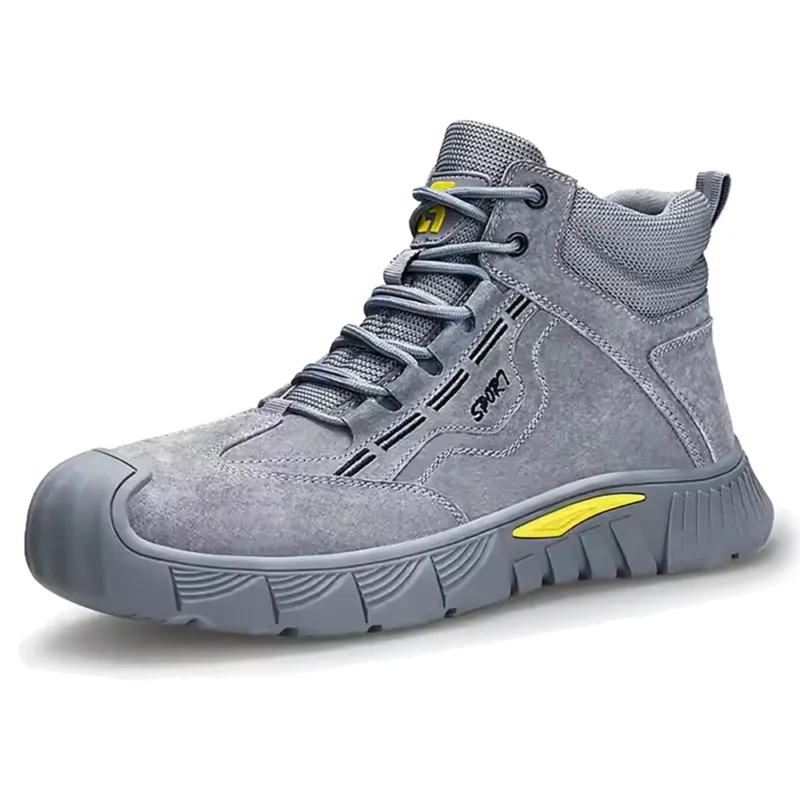
When your workday involves heavy machinery, falling objects, and unforgiving terrain, the Birks Defender Kevlar Steel Toe Safety Work Boots stand ready to protect you through it all. These boots deliver the exceptional durability, reliable protection, and all-day comfort you need to tackle any challenge and get the job done right, every single time.
Workers choose soft toe boots when their job sites do not require impact or compression protection. These boots offer comfort and flexibility. They weigh less than their safety toe counterparts.
History of Work Boot Development
Early Work Footwear
Work boots emerged during the Industrial Revolution in the 1800s. Factory workers needed durable footwear. Early boots featured thick leather and basic construction.
Steel toe caps appeared in the 1930s in Germany. American factories adopted this technology during World War II. The Occupational Safety and Health Administration (OSHA) established safety standards in 1970.
Evolution of Soft Toe Options
Not all workers needed steel protection. Light industrial jobs and service positions required different features. Manufacturers developed soft toe work boots to meet these needs.
Modern soft toe boots incorporate advanced materials. Waterproof membranes, slip-resistant outsoles, and ergonomic designs improve performance. These boots serve specific workplace environments.
Technical Specifications
Construction Materials
Upper Materials:
- Full-grain leather
- Nubuck leather
- Split leather
- Synthetic textiles
- Waterproof membranes (Gore-Tex, proprietary systems)
Midsole Components:
- EVA (ethylene-vinyl acetate) foam
- Polyurethane
- Compression-molded compounds
- Shock-absorbing gel inserts
Outsole Materials:
- Rubber compounds
- Thermoplastic polyurethane (TPU)
- Oil-resistant formulations
- Slip-resistant tread patterns
Weight Comparison
| Boot Type | Average Weight (per boot) |
|---|---|
| Soft Toe | 1.5 – 2.5 pounds |
| Steel Toe | 2.5 – 3.5 pounds |
| Composite Toe | 2.0 – 3.0 pounds |
| Alloy Toe | 2.0 – 2.8 pounds |
Flexibility Ratings
Soft toe boots bend more easily at the ball of the foot. Steel toe boots restrict movement by 15-20% compared to soft toe models. This flexibility affects comfort during extended wear.
Key Benefits for Users
Superior Comfort
Soft toe boots eliminate rigid toe caps. Your toes move freely inside the boot. This freedom reduces pressure points and fatigue.
The boot conforms to your foot shape naturally. Break-in periods last 1-3 days instead of 1-2 weeks. Workers report less end-of-day foot pain.
Reduced Weight
Each boot weighs approximately one pound less than steel toe alternatives. This difference matters during a 10-hour shift. Workers take 10,000-15,000 steps per day on average.
Lighter boots require less energy to lift with each step. This efficiency reduces leg and back strain. Workers maintain higher energy levels throughout their shifts.
Enhanced Flexibility
The toe box bends naturally with your foot. This flexibility improves:
- Balance on uneven surfaces
- Climbing ladder rungs
- Kneeling positions
- Squatting movements
- Walking on inclines
Temperature Regulation
Metal toe caps conduct heat and cold. Steel toes become uncomfortably cold in winter. They heat up rapidly in summer conditions.
Soft toe boots maintain consistent temperatures. Your feet stay comfortable in varied climates. No metal means no thermal transfer issues.
Airport and Security Friendly
Soft toe boots contain no metal components (when fully non-metallic). You pass through metal detectors without removing footwear. This feature benefits:
- Airline employees
- Security personnel
- Frequent travelers
- Distribution center workers
- Healthcare professionals
Appropriate Work Environments
Service Industries
Retail Settings:
- Store associates
- Warehouse light duty
- Customer service roles
- Inventory management
Hospitality:
- Restaurant staff (back of house)
- Hotel maintenance
- Event setup crews
- Catering services
Light Construction
Projects without heavy machinery or falling object risks suit soft toe boots. Residential remodeling, painting, and finish carpentry fall into this category.
Transportation and Logistics
Delivery Drivers:
- Package delivery
- Mail carriers
- Food delivery
- Light freight
Warehouse Operations:
- Order picking
- Packing stations
- Shipping departments (non-forklift areas)
Outdoor Professions
- Landscaping crews
- Groundskeepers
- Park maintenance
- Agricultural work (non-heavy equipment)
When NOT to Choose Soft Toe Boots
OSHA Requirements
OSHA mandates protective footwear under standard 1910.136. Work environments with these hazards require safety toe boots:
- Heavy objects that could fall on feet
- Compression hazards from rolling equipment
- Sharp objects that could pierce the sole
- Electrical hazards requiring EH-rated footwear
- Puncture risks from nails or metal debris
High-Risk Industries
Construction Sites:
- Heavy equipment operation
- Structural steel work
- Demolition projects
- Heavy machinery areas
Manufacturing:
- Metal fabrication
- Automotive assembly
- Heavy machinery shops
- Foundries and forges
Utilities:
- Electrical line work
- Gas and oil operations
- Heavy equipment maintenance
When your workday involves heavy machinery, falling objects, and unforgiving terrain, the Birks Defender Kevlar Steel Toe Safety Work Boots stand ready to protect you through it all. These boots deliver the exceptional durability, reliable protection, and all-day comfort you need to tackle any challenge and get the job done right, every single time.
Features to Evaluate
Slip Resistance
Outsoles use specific rubber compounds and tread patterns. Look for these ratings:
- ASTM F2913-19: Standard test method for slip resistance
- Mark II testing: Measures coefficient of friction
- Oil-resistant: Maintains grip on contaminated surfaces
Waterproofing Technologies
Membrane Systems:
- Gore-Tex: Waterproof and breathable
- Proprietary membranes: Brand-specific technologies
- Treatment coatings: Applied to leather surfaces
Test methods include submersion tests and flex testing. Quality waterproof boots maintain protection for 6-12 months with proper care.
Electrical Hazard Protection
EH-rated boots provide secondary protection against open circuits. These boots must meet ASTM F2413-18 standards. The outsole resists electrical current up to 18,000 volts in dry conditions.
Soft toe boots can include EH protection. The rating applies to the sole construction, not the toe cap.
Insulation Options
Thinsulate Insulation:
- 200 grams: Moderate activity, mild cold
- 400 grams: Average activity, cold conditions
- 600-800 grams: Light activity, extreme cold
Uninsulated boots work best in warm climates and high-activity jobs.
Shank Support
The shank sits between the insole and outsole. This component provides arch support and puncture resistance.
Types:
- Steel shanks: Maximum support, adds weight
- Fiberglass shanks: Good support, lighter weight
- Nylon shanks: Flexible support, lightest option
Maintenance Guidelines
Daily Care
After Each Use:
- Remove loose dirt with a brush
- Wipe down with a damp cloth
- Open laces fully for air circulation
- Store in a ventilated area
- Remove insoles to dry separately
Weekly Cleaning
- Mix mild soap with warm water
- Scrub leather with a soft brush
- Rinse with clean water
- Air dry away from direct heat
- Apply leather conditioner (for leather boots)
Monthly Treatments
Leather Boots:
- Apply waterproofing treatment
- Condition leather to prevent cracking
- Check stitching for wear
- Replace worn laces
Synthetic Boots:
- Clean with manufacturer-recommended products
- Inspect seams and bonding
- Reapply water repellent spray
Replacement Indicators
Replace your boots when you notice:
- Worn tread depth (less than 2mm)
- Sole separation from upper
- Cracked or torn leather
- Compressed midsole (no cushioning)
- Water leaking through waterproof models
- Broken or damaged eyelets
Average lifespan ranges from 6-18 months based on usage intensity.
Sizing and Fit Considerations
Proper Fit Checklist
- Heel: Minimal slippage (less than 1/4 inch)
- Width: Sides should not bulge or pinch
- Toe room: 1/2 inch space from longest toe to boot end
- Arch: Support aligns with your foot’s arch
- Instep: Snug but not tight when laced
Break-In Process
Days 1-2: Wear boots for 2-3 hours. Walk on varied surfaces. Your feet adjust to the new support system.
Days 3-5: Extend wear time to full shifts. Mild discomfort is normal. Sharp pain indicates sizing issues.
Week 2: Boots should feel comfortable. The materials conform to your foot shape. Full performance is achieved.
Cost Analysis
Price Ranges
| Category | Price Range | Expected Features |
|---|---|---|
| Budget | $50-$80 | Basic leather, standard outsole |
| Mid-Range | $80-$150 | Waterproof, better cushioning, warranty |
| Premium | $150-$250 | Advanced materials, superior comfort, extended warranty |
Value Factors
Higher-priced boots often include:
- Better materials that last longer
- Advanced comfort technologies
- Comprehensive warranties (1-3 years)
- Superior waterproofing systems
- Enhanced slip resistance
Calculate cost per day of use. A $150 boot lasting 12 months costs $0.41 per day. A $75 boot lasting 5 months costs $0.50 per day.
Selection Process Summary
Step 1: Assess Your Work Environment
Identify all potential hazards. Confirm OSHA does not mandate safety toe protection. Evaluate terrain and conditions you encounter daily.
Step 2: Determine Required Features
Must-Have Features:
- Slip resistance level needed
- Waterproof vs. water-resistant
- Insulation requirements
- Electrical hazard protection
Nice-to-Have Features:
- Specific brand preferences
- Color options
- Additional ankle support
- Removable insoles
Step 3: Set Your Budget
Determine how much you can spend. Consider replacement frequency. Factor in the cost of foot pain or injury from inadequate footwear.
Step 4: Research Brands
Read reviews from workers in similar positions. Check warranty terms. Verify the manufacturer’s reputation. Companies like Birks Boots offer various soft toe options designed for different work environments.
Step 5: Try Before Buying
Visit stores to try multiple sizes and brands. Wear the socks you’ll use at work. Walk around for at least 10 minutes. Test on different surfaces if possible.
Step 6: Break In Properly
Follow the break-in schedule. Give your feet time to adjust. Address hot spots immediately with padding or different lacing techniques.
Conclusion
Soft toe work boots serve workers who need durable, comfortable footwear without protective toe caps. These boots excel in service industries, light construction, and logistics operations. They offer superior comfort, reduced weight, and better flexibility than safety toe alternatives.
Choose soft toe boots only when your workplace does not present impact or compression hazards. Verify OSHA requirements for your specific job site. Select boots with appropriate slip resistance, waterproofing, and support features for your daily tasks.
Proper maintenance extends boot life and maintains performance. Replace worn boots promptly to prevent foot problems and workplace injuries. The right soft toe work boots improve comfort and productivity throughout your workday.
When your workday involves heavy machinery, falling objects, and unforgiving terrain, the Birks Defender Kevlar Steel Toe Safety Work Boots stand ready to protect you through it all. These boots deliver the exceptional durability, reliable protection, and all-day comfort you need to tackle any challenge and get the job done right, every single time.
