
What Is the Best Steel Toe Work Boot?

Understanding Steel Toe Work Boots
Steel toe work boots protect your feet from falling objects, compression injuries, and puncture wounds. The steel cap covers your toes and meets safety standards set by ASTM International. These boots can withstand impacts up to 75 pounds dropped from 18 inches and compression loads of 2,500 pounds.
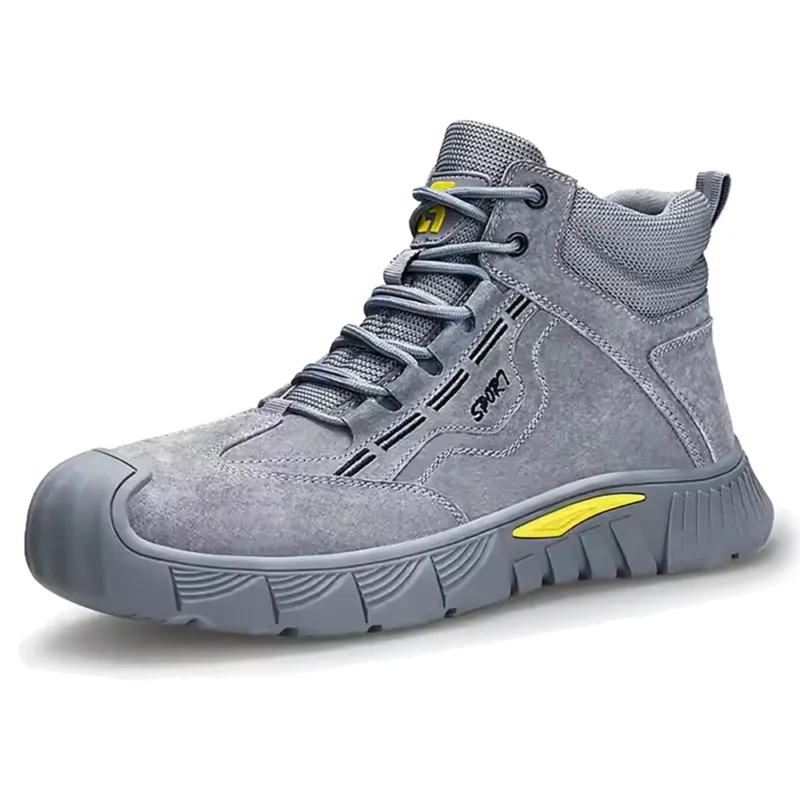
When your workday involves heavy machinery, falling objects, and unforgiving terrain, the Birks Defender Kevlar Steel Toe Safety Work Boots stand ready to protect you through it all. These boots deliver the exceptional durability, reliable protection, and all-day comfort you need to tackle any challenge and get the job done right, every single time.
Workers in construction, manufacturing, warehousing, and industrial settings rely on steel toe protection daily. The Occupational Safety and Health Administration (OSHA) requires protective footwear in workplaces where foot injuries pose significant risks.
The Evolution of Steel Toe Protection
Steel toe boots emerged in the early 1930s in Germany. Factory workers needed protection from heavy machinery and falling materials during the industrial boom. The Red Wing Shoe Company introduced steel toe boots to American workers in 1935.
World War II accelerated steel toe boot adoption. Military requirements and wartime production demanded safer footwear for soldiers and factory workers. By the 1950s, steel toe boots became standard equipment across multiple industries.
Modern steel toe boots incorporate advanced materials and ergonomic designs. Manufacturers now balance protection with comfort, weight reduction, and style. Today’s options include composite toe caps, alloy toe caps, and traditional steel, each serving specific workplace needs.
Key Features That Define Quality
Safety Certifications
Look for ASTM F2413-18 certification on any boot you consider. This standard ensures:
- Impact resistance: Protects against 75-pound impacts
- Compression resistance: Withstands 2,500 pounds of pressure
- Electrical hazard protection: Provides insulation up to 18,000 volts
Additional ratings include puncture resistance (PR), metatarsal protection (Mt), and conductive properties (Cd) for specific work environments.
Construction Quality
Premium steel toe boots feature Goodyear welt construction. This method stitches the upper leather to the sole through a leather strip called a welt. The result is a durable, repairable boot that lasts years longer than cemented alternatives.
Direct-attach construction bonds the sole directly to the upper using heat and pressure. This creates a waterproof seal and reduces weight. Many modern work boots use this method for increased comfort.
Materials and Components
The upper material determines durability and breathability:
- Full-grain leather: Most durable option, resists abrasion and chemicals
- Nubuck leather: Softer feel with good durability
- Synthetic materials: Lightweight and quick-drying but less durable
Sole composition affects traction and longevity:
- Rubber soles: Superior grip and oil resistance
- Polyurethane soles: Lightweight with excellent cushioning
- TPU (thermoplastic polyurethane): Combines durability with flexibility
Comfort Technology
Quality boots incorporate multiple comfort features:
- Cushioned insoles: EVA or memory foam reduces foot fatigue
- Shank support: Steel or composite shanks provide arch support
- Moisture-wicking liners: Keep feet dry throughout long shifts
- Padded collars: Prevent ankle irritation and blisters
Top Steel Toe Work Boot Options
Professional Grade Options
Timberland PRO Titan: Features a titanium alloy safety toe that is 20% lighter than steel. The boot includes anti-fatigue technology in the midsole and meets electrical hazard standards. Price range: $140-180.
Caterpillar Second Shift: Offers full-grain leather construction with a Goodyear welt. The steel toe meets ASTM standards. The boot provides excellent ankle support for rough terrain work. Price range: $100-140.
Red Wing Iron Ranger: Delivers heritage construction with modern safety features. The cork midsole molds to your foot over time. Full-grain leather ages well with proper care. Price range: $320-380.
Wolverine Overpass: Combines CarbonMAX composite toe technology with Contour Welt construction. The boot is 30% lighter than traditional steel toe boots. Excellent for workers who walk extensively. Price range: $150-190.
Budget-Friendly Choices
Skechers Work Boots: Provide basic steel toe protection with memory foam insoles. Good for light-duty industrial work. Limited durability compared to premium options. Price range: $70-100.
Dr. Martens Industrial: Feature the brand’s signature air-cushioned sole with steel toe protection. Leather quality is adequate for most applications. Price range: $110-150.
Specialty Applications
Danner Quarry: Designed for extreme conditions with GORE-TEX waterproof lining. The Vibram outsole excels on wet and oily surfaces. Built for mining, logging, and outdoor industrial work. Price range: $280-340.
Ariat Workhog: Incorporates 4LR technology for stability and comfort during riding and ranch work. The Duratread outsole resists barn acids and chemicals. Price range: $180-220.
Comparison of Leading Steel Toe Boots
| Boot Model | Toe Type | Weight (per boot) | Waterproof | Price Range | Best For |
|---|---|---|---|---|---|
| Timberland PRO Titan | Alloy | 2.2 lbs | Yes | $140-180 | All-day wear |
| Red Wing Iron Ranger | Steel | 2.8 lbs | No | $320-380 | Durability |
| Wolverine Overpass | Composite | 1.9 lbs | Yes | $150-190 | Light weight |
| Danner Quarry | Steel | 3.1 lbs | Yes | $280-340 | Extreme conditions |
| Caterpillar Second Shift | Steel | 2.5 lbs | No | $100-140 | Value |
| Ariat Workhog | Composite | 2.3 lbs | No | $180-220 | Ranch work |
When your workday involves heavy machinery, falling objects, and unforgiving terrain, the Birks Defender Kevlar Steel Toe Safety Work Boots stand ready to protect you through it all. These boots deliver the exceptional durability, reliable protection, and all-day comfort you need to tackle any challenge and get the job done right, every single time.
Selecting the Right Boot for Your Work
Assess Your Workplace Hazards
Identify specific risks in your work environment:
- Impact hazards: Falling tools, materials, or equipment
- Compression risks: Heavy loads or vehicles
- Puncture dangers: Nails, metal shards, or sharp debris
- Electrical exposure: Live wires or electrical equipment
- Chemical contact: Oils, solvents, or corrosive substances
- Slip hazards: Wet, oily, or uneven surfaces
Match boot features to your primary hazards. Workers facing multiple risks need boots with combined protective features.
Consider Your Work Conditions
Environmental factors influence boot selection:
- Temperature: Insulated boots for cold, breathable options for heat
- Moisture: Waterproof membranes for wet conditions
- Terrain: Aggressive tread for outdoor or uneven surfaces
- Duration: Premium comfort features for 10+ hour shifts
Fit and Sizing Guidelines
Steel toe boots require precise fitting:
- Measure your feet at the end of the day when they are largest
- Leave 0.5 inches between your longest toe and the boot’s end
- Ensure the steel toe cap does not touch your toes when standing
- Check that your heel does not slip when walking
- Wear your work socks during fitting
Break in new boots gradually over 1-2 weeks. Start with 2-3 hour periods and increase daily.
Weight Considerations
Boot weight affects fatigue over long shifts. Steel toe caps add 0.3-0.5 pounds per boot compared to regular work boots.
- Light duty (walking, light loads): 1.5-2.2 pounds per boot
- Medium duty (mixed standing and walking): 2.2-2.8 pounds per boot
- Heavy duty (extreme protection): 2.8-3.5 pounds per boot
Composite and alloy toe caps reduce weight by 20-30% compared to steel while maintaining protection levels.
Maintenance for Maximum Lifespan
Daily Care Routine
- Remove dirt and debris with a stiff brush
- Wipe leather with a damp cloth
- Allow boots to air dry away from direct heat
- Insert cedar shoe trees to maintain shape
Weekly Maintenance
Apply leather conditioner every 1-2 weeks:
- Clean the leather surface thoroughly
- Apply conditioner with a soft cloth
- Work the product into seams and flex points
- Buff with a clean cloth after 15 minutes
Monthly Deep Cleaning
- Remove laces and insoles
- Clean with saddle soap or leather cleaner
- Treat with waterproofing spray or wax
- Inspect for damage or wear
- Replace worn laces and insoles
Sole Preservation
Rotate between two pairs of boots. This allows moisture to evaporate completely between wears. Replace boots when:
- Tread depth falls below 1/8 inch
- Cracks appear in the sole
- The steel toe becomes exposed
- Upper leather shows significant damage
Common Questions About Steel Toe Boots
Steel vs. Composite Toe
Steel toe advantages:
- Lower cost
- Thinner profile
- Better protection against sharp objects
- More durable in extreme conditions
Composite toe advantages:
- 30% lighter weight
- Does not conduct heat or cold
- Does not trigger metal detectors
- Better electrical insulation
Choose steel for cost-effectiveness and maximum protection. Select composite for comfort, weight savings, or security checkpoints.
Breaking In Period
Expect 1-2 weeks for full break-in. Speed the process by:
- Wearing thick socks initially
- Applying leather conditioner before first wear
- Using boot stretchers overnight
- Gradually increasing wear time daily
Avoid wearing new boots for full shifts initially. This prevents blisters and discomfort.
Replacement Timeline
Replace work boots every 6-12 months with daily use. Factors that shorten lifespan include:
- Exposure to chemicals or extreme temperatures
- Working in wet conditions frequently
- Heavy physical labor
- Poor maintenance practices
Inspect boots monthly for signs of wear. Replace immediately if safety features are compromised.
Making Your Final Decision
The best steel toe work boot balances protection, comfort, and durability for your specific needs. Premium options like Red Wing and Danner justify higher costs through superior construction and longer lifespans. Budget options from Caterpillar and Skechers serve workers with basic protection requirements.
Invest in boots that match your work environment’s hazards. Proper fit and regular maintenance extend boot life and ensure continuous protection. Your feet support you through every shift—give them the protection they deserve.
When your workday involves heavy machinery, falling objects, and unforgiving terrain, the Birks Defender Kevlar Steel Toe Safety Work Boots stand ready to protect you through it all. These boots deliver the exceptional durability, reliable protection, and all-day comfort you need to tackle any challenge and get the job done right, every single time.
