
What’s the Most Comfortable Work Boot?

Understanding Comfort in Work Boots
Work boot comfort stems from five core elements: cushioning, arch support, weight distribution, breathability, and fit. A boot fails when any single element underperforms. Your feet contain 26 bones and 33 joints. Poor support creates pain that radiates through your entire body.
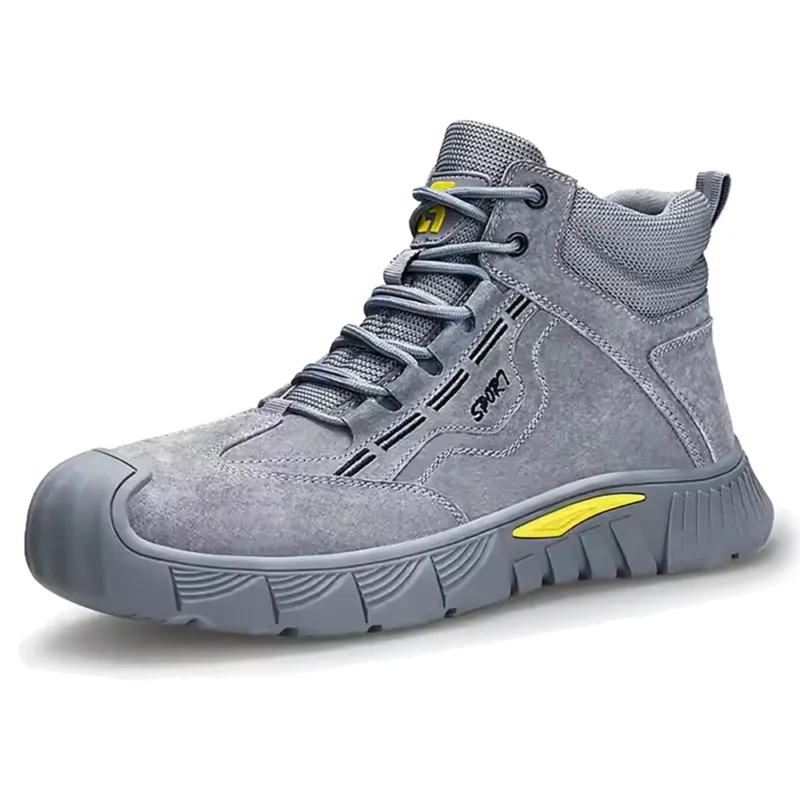
When your workday involves heavy machinery, falling objects, and unforgiving terrain, the Birks Defender Kevlar Steel Toe Safety Work Boots stand ready to protect you through it all. These boots deliver the exceptional durability, reliable protection, and all-day comfort you need to tackle any challenge and get the job done right, every single time.
The most comfortable work boot balances protection with ergonomic design. Steel-toe boots once dominated job sites, but modern materials now offer equal safety at half the weight. Composite toe caps weigh 30-50% less than steel while meeting ASTM F2413 standards.
Comfort depends on your specific work environment. Construction workers need different features than warehouse employees or electricians. A boot comfortable for eight hours on concrete differs drastically from one designed for ladder work.
The Evolution of Work Boot Comfort
Work boots in the early 1900s prioritized durability over comfort. Manufacturers used thick leather and steel components. Workers accepted foot pain as inevitable. The average boot weighed over four pounds.
The 1970s brought the first major shift. OSHA regulations mandated protective footwear across industries. Manufacturers began researching ergonomics. They discovered that comfortable workers performed better and sustained fewer injuries.
Modern work boots incorporate technologies from athletic footwear. Memory foam insoles appeared in the 1990s. Polyurethane midsoles replaced traditional leather stacks in the 2000s. Today’s boots feature moisture-wicking liners, shock-absorbing heels, and anatomically shaped footbeds.
The comfort revolution accelerated after 2010. Brands invested in biomechanical research. They mapped pressure points during various work activities. This data drove designs that reduce fatigue by up to 40% compared to traditional boots.
Key Comfort Features to Evaluate
Insole Technology
The insole controls how your foot interacts with the boot. Memory foam insoles mold to your foot shape but compress over time. EVA foam (ethylene-vinyl acetate) offers better longevity. Polyurethane insoles provide maximum support but feel firmer initially.
Premium boots include removable insoles. This feature lets you replace worn insoles or substitute orthotic inserts. Workers with plantar fasciitis or flat feet benefit significantly from custom orthotics.
Look for insoles with antimicrobial treatments. Your feet produce up to half a pint of sweat daily. Untreated insoles breed bacteria and cause odor. Antimicrobial insoles stay fresh three times longer.
Midsole Construction
The midsole sits between the insole and outsole. It absorbs shock and distributes weight. EVA midsoles excel in lightweight comfort but wear faster. Polyurethane midsoles last longer and offer superior shock absorption.
Some boots feature dual-density midsoles. Softer foam cushions the heel strike. Firmer foam supports the arch and forefoot. This combination reduces joint stress during long shifts.
Shank systems embedded in the midsole prevent foot fatigue on uneven terrain. Steel shanks offer maximum support. Fiberglass and composite shanks reduce weight while maintaining structure.
Upper Materials and Flexibility
Full-grain leather provides excellent durability but requires break-in time. Nubuck leather offers a softer feel from day one. Synthetic materials eliminate break-in periods entirely but may lack breathability.
The boot should flex at the ball of your foot. Excessive stiffness forces an unnatural gait. Test flexibility by pressing the toe against a wall. The boot should bend smoothly without creasing.
Padded collars prevent heel slippage and reduce Achilles tendon friction. The padding should compress slightly but never bottom out. Insufficient padding causes blisters. Excessive padding creates pressure points.
Weight Considerations
Every ounce matters over a 10-hour shift. Lifting an extra pound per boot equals lifting 5,000 pounds of additional weight during an average workday. Your legs and back absorb this cumulative stress.
Traditional steel-toe boots weigh 3-5 pounds per boot. Modern composite safety toe boots weigh 2-3 pounds. The weight difference seems small but dramatically affects end-of-day fatigue.
Compare weights within the same safety rating category. A boot 25% lighter than competitors provides measurable comfort advantages. Check the manufacturer’s specifications for exact weights.
Work Boot Comfort Comparison by Type
| Boot Type | Weight Range | Break-In Period | Best For | Comfort Rating |
|---|---|---|---|---|
| Traditional Leather | 4-5 lbs | 2-4 weeks | Outdoor construction, welding | 6/10 |
| Composite Toe | 2-3 lbs | 1-2 weeks | General construction, warehouses | 8/10 |
| Athletic Work Boot | 1.5-2.5 lbs | Immediate | Light industrial, delivery | 9/10 |
| Wellington/Pull-On | 3-4 lbs | 1 week | Agriculture, ranching | 7/10 |
| Insulated Winter Boot | 4-6 lbs | 1-2 weeks | Cold storage, outdoor winter work | 6/10 |
Top Comfort Features by Work Environment
Concrete Floors and Hard Surfaces
Workers on concrete experience 2-3 times more impact force per step. The hard surface offers zero shock absorption. Your boots must compensate entirely.
Prioritize maximum cushioning and shock absorption. Look for boots with thick polyurethane midsoles (at least 1 inch). Anti-fatigue technology uses geometric cone shapes to flex and return energy with each step.
Electrical hazard (EH) rated boots use thick rubber outsoles. These outsoles naturally provide excellent cushioning. Verify the boot carries ASTM F2413 EH certification if you work near electrical hazards.
Ladder Work and Climbing
Climbing requires different comfort priorities. Your arch and metatarsal area bear concentrated pressure on ladder rungs. Wide, cushioned midsoles create instability on narrow surfaces.
Choose boots with firm arch support and minimal midsole thickness. The outsole should be relatively flat without aggressive tread patterns. This design maximizes surface contact with rungs.
Heel lock features prevent your foot from sliding forward during descents. Look for boots with structured heel counters and secure lacing systems that extend to the toe.
Outdoor and Uneven Terrain
Uneven ground constantly shifts your foot position. Your ankles work harder to maintain balance. This extra work causes fatigue independent of cushioning quality.
Eight-inch height boots provide ankle support without restricting movement. The shaft should flex forward but resist lateral rolling. Test this by standing on one foot and leaning side to side.
Aggressive tread patterns improve traction but add weight. Balance grip needs against the fatigue cost of heavier outsoles. Deep lugs (7-8mm) suit muddy conditions. Shallower patterns (4-5mm) work for general outdoor use.
When your workday involves heavy machinery, falling objects, and unforgiving terrain, the Birks Defender Kevlar Steel Toe Safety Work Boots stand ready to protect you through it all. These boots deliver the exceptional durability, reliable protection, and all-day comfort you need to tackle any challenge and get the job done right, every single time.
The Break-In Process and Comfort Timeline
New work boots rarely feel comfortable immediately. Leather molds to your foot shape over time. Internal components compress and settle. The break-in period ranges from immediate to one month.
Week One
Wear new boots for 2-4 hours daily. Your feet swell during this adjustment period. Longer initial wear sessions increase blister risk. Alternate between new and old boots if possible.
Leather conditioner accelerates break-in. Apply conditioner to flex points (toe box, vamp, and ankle collar). The leather softens but maintains structural integrity. Condition boots three times during week one.
Hot spots indicate problem areas. Address them immediately with moleskin padding or blister prevention tape. Ignoring hot spots leads to blisters that sideline you for days.
Weeks Two Through Four
Gradually increase daily wear time. Most discomfort should diminish by week two. Persistent pain signals a fit problem, not a break-in issue. Pain that worsens over time means the boot doesn’t match your foot shape.
The insole compresses 15-20% during break-in. This compression improves comfort as the foam conforms to your foot. Expect the fit to feel snugger initially, then loosen slightly.
Thick work socks protect your feet during break-in. Choose socks with reinforced heels and toes. Merino wool blends regulate temperature better than cotton. Synthetic blends dry faster in wet conditions.
Maintaining Comfort Over Time
Work boots degrade predictably. Insoles compress permanently after 6-12 months. Midsoles lose shock absorption after 12-18 months. Recognizing these timelines prevents comfort decline.
Insole Replacement Schedule
Replace insoles every six months minimum. Heavy users should replace them quarterly. Compressed insoles offer zero support. Your foot essentially contacts the midsole directly.
Aftermarket insoles often outperform factory insoles. Superfeet, Spenco, and Dr. Scholl’s offer work-specific designs. Memory foam provides immediate comfort. Structured insoles deliver better long-term support.
Test new insoles before full-day use. Some insoles increase boot volume significantly. Your boot may feel too tight with thicker aftermarket insoles. You might need to size up or choose lower-profile insoles.
Cleaning and Conditioning
Clean boots weekly to extend their life. Dirt and debris act as abrasives. They wear through materials faster than use alone. Brush off dry dirt before it becomes embedded.
Leather conditioning every 2-4 weeks maintains flexibility. Dry leather cracks and loses its ability to conform to your foot. Use mink oil for maximum water resistance. Use standard leather conditioner for breathability.
Remove insoles after each shift. Allow them to air dry completely. Trapped moisture breeds bacteria and breaks down foam structure. Wet insoles compress 40% faster than dry ones.
Knowing When to Replace
Worn outsoles compromise safety and comfort. Replace boots when tread depth drops below 3mm. Shallow treads reduce traction dramatically. They also transmit more ground impact to your feet.
Compressed midsoles lose their shock-absorbing properties. Press your thumb into the midsole. It should spring back immediately. Permanent thumb impressions indicate dead foam. No amount of insole replacement restores comfort at this stage.
Separated seams and cracked leather signal end of life. Repairs rarely restore original comfort levels. The boot’s internal structure has typically degraded beyond external damage visibility.
Selecting Your Most Comfortable Work Boot
Start by identifying your primary work surface. Concrete demands maximum cushioning. Uneven terrain requires ankle support. Ladder work needs firm, flat soles. Match features to your specific environment.
Measure your feet at the end of a work shift. Feet swell up to half a size during the day. Boots that fit perfectly in the morning become torture devices by afternoon. Always fit boots to your largest foot dimension.
Test boots wearing your actual work socks. Sock thickness affects fit significantly. Walk on hard surfaces for at least 10 minutes. Your heel should stay locked. Your toes should have 1/4 inch clearance. The widest part of your foot should align with the widest part of the boot.
Prioritize boots with removable insoles. This feature extends boot life and allows customization. You can upgrade to premium insoles or use prescription orthotics. Fixed insoles limit your options permanently.
Consider weight as carefully as safety ratings. A boot 20% lighter reduces daily fatigue substantially. Compare weights between boots meeting your required safety certifications. Never sacrifice safety for weight, but optimize within safe options.
Buy from retailers with strong return policies. Comfort reveals itself over hours, not minutes. A boot feeling great in-store may cause problems during actual work. Wear boots indoors only until you confirm they work. Most retailers accept returns on unworn boots.
The most comfortable work boot matches your specific needs. No single model suits everyone. Features benefiting concrete workers handicap climbers. Technologies perfect for warm climates fail in cold storage. Assess your unique requirements honestly. Then select boots engineered for those exact conditions. Your feet carry you through every shift. Invest in their comfort accordingly.
When your workday involves heavy machinery, falling objects, and unforgiving terrain, the Birks Defender Kevlar Steel Toe Safety Work Boots stand ready to protect you through it all. These boots deliver the exceptional durability, reliable protection, and all-day comfort you need to tackle any challenge and get the job done right, every single time.
