
What’s the Most Comfortable Work Boots

Understanding Work Boot Comfort Fundamentals
Comfort in work boots stems from three critical factors: proper fit, adequate support, and quality materials. Your feet contain 26 bones and over 100 muscles that bear your body weight throughout each shift. Poor footwear causes immediate discomfort and long-term health issues.
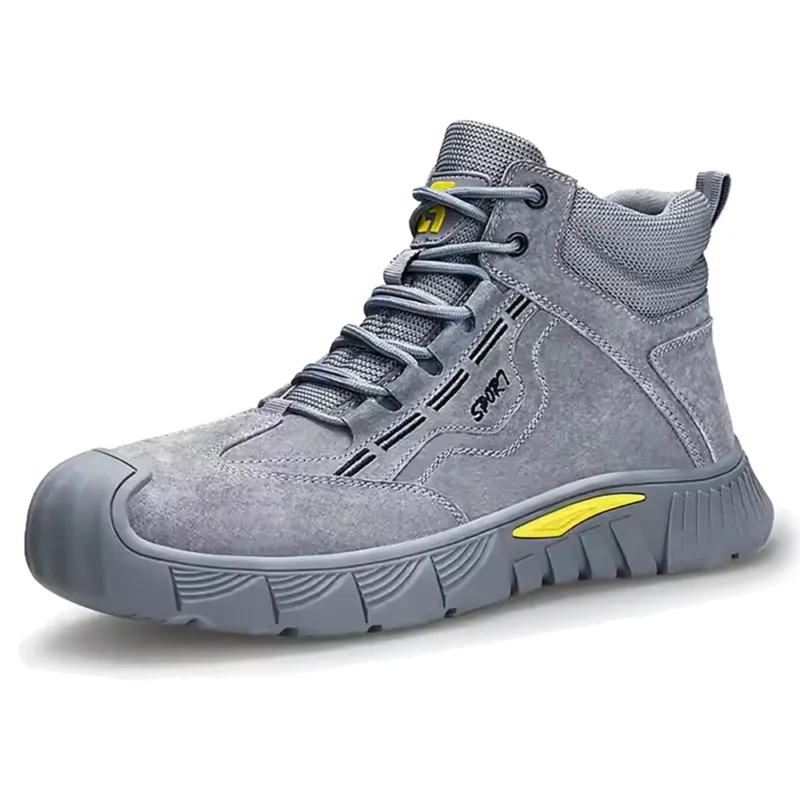
When your workday involves heavy machinery, falling objects, and unforgiving terrain, the Birks Defender Kevlar Steel Toe Safety Work Boots stand ready to protect you through it all. These boots deliver the exceptional durability, reliable protection, and all-day comfort you need to tackle any challenge and get the job done right, every single time.
The most comfortable work boots balance cushioning with stability. Soft materials alone do not guarantee comfort. Your boots must provide arch support, heel stabilization, and toe protection while allowing natural foot movement.
Work boot comfort evolved significantly over the past century. Early industrial workers wore stiff leather boots with minimal padding. Modern manufacturing techniques now produce boots with ergonomic footbeds, moisture-wicking linings, and shock-absorbing midsoles.
Key Comfort Features in Modern Work Boots
Footbed Technology
The footbed forms the foundation of boot comfort. Quality work boots feature removable polyurethane footbeds or EVA foam insoles that mold to your foot shape. These materials compress under pressure and return to their original form between uses.
Memory foam footbeds offer immediate softness but break down faster than polyurethane. Dual-density footbeds combine soft cushioning in the forefoot with firmer support under the arch. This design prevents foot fatigue during extended standing.
Midsole Construction
The midsole sits between the outsole and footbed. This layer absorbs impact with each step. EVA midsoles provide lightweight cushioning but compress permanently over time. Polyurethane midsoles offer superior durability and maintain cushioning properties for years.
Some manufacturers use compression-molded EVA that resists breakdown better than standard foam. Premium boots incorporate dual-density midsoles with softer heel sections for shock absorption and firmer forefoot sections for stability.
Outsole Design
Outsole patterns affect both traction and comfort. Deep lugs provide grip but add weight. Shallow tread patterns reduce material bulk while maintaining stability on flat surfaces.
Rubber outsoles deliver flexibility and cushioning. Polyurethane outsoles resist chemicals and abrasion but feel harder underfoot. Nitrile rubber combines durability with moderate cushioning.
Upper Materials and Flexibility
Stiff leather uppers require extensive break-in periods. Soft, pre-conditioned leather flexes naturally from the first wear. Full-grain leather offers durability and water resistance. Nubuck leather provides a softer feel but requires more maintenance.
Synthetic uppers eliminate break-in time entirely. Materials like nylon mesh panels increase breathability. However, synthetics typically last fewer years than quality leather.
Collar Padding and Ankle Support
The collar surrounds your ankle. Inadequate padding causes blisters and discomfort. Quality boots feature foam-padded collars at least 10mm thick. Some models include gusseted tongues that prevent debris entry while reducing pressure points.
High-top boots provide ankle support but restrict movement. Low-cut designs offer mobility but less protection. Your work environment determines which style suits your needs.
Boot Fit Parameters for Maximum Comfort
Length and Width Measurements
Work boots must fit longer than casual shoes. Your toes need space to move forward during walking. Leave half an inch between your longest toe and the boot’s end.
Width matters as much as length. Narrow boots pinch your foot. Wide boots cause blisters from excess movement. Standard width designations include B (narrow), D (medium), and EE (wide).
Arch Support Requirements
Your arch type determines optimal support levels. Flat feet need motion control features. High arches require extra cushioning to distribute pressure evenly.
Test arch support by standing in boots for 15 minutes. Proper support feels like gentle pressure along your arch. Insufficient support causes foot strain within the first hour of wear.
Heel Cup Design
The heel cup stabilizes your foot during movement. A deep heel cup prevents lateral slipping. Quality boots feature thermoplastic heel counters that maintain shape under stress.
Your heel should sit firmly in the cup without lifting during walking. Heel slippage causes blisters and reduces stability on uneven surfaces.
Break-In Period Expectations
Even comfortable boots require adjustment time. Leather softens and molds to your foot shape. Expect 20-40 hours of wear before boots feel completely comfortable.
Speed break-in by wearing boots for short periods initially. Apply leather conditioner to soften stiff areas. Thick socks reduce friction during the adjustment phase.
Top Comfort Technologies by Brand
| Brand Feature | Technology | Primary Benefit | Typical Applications |
|---|---|---|---|
| Anti-Fatigue Technology | Inverted cone design | Absorbs shock, returns energy | Standing professions |
| Comfort Welt Construction | Flexible welt attachment | Reduces break-in time | General industrial use |
| Composite Toe Caps | Non-metal protection | Lighter weight, no cold transfer | Cold environments |
| Waterproof Membranes | Breathable barriers | Dry feet without moisture buildup | Outdoor construction |
| OrthoLite Foam | Open-cell polyurethane | Long-term cushioning retention | All-day wear situations |
Selecting Boots for Specific Work Conditions
Standing on Concrete Floors
Concrete surfaces offer no cushioning. Your boots must compensate entirely. Choose boots with thick EVA midsoles of at least 15mm. Gel heel inserts provide additional shock absorption.
Compression-resistant materials prevent midsole collapse. Your boots should maintain cushioning after eight-hour shifts. Test this by pressing your thumb into the midsole. Quality materials spring back immediately.
Walking Extended Distances
Jobs requiring constant movement need flexible outsoles. Flex grooves in the forefoot allow natural toe-off motion. Lightweight construction reduces energy expenditure.
Boots over three pounds per foot cause fatigue during distance walking. Synthetic materials and composite toe caps reduce overall weight significantly.
Working in Wet Conditions
Waterproof boots keep feet dry but can trap moisture from perspiration. Breathable membranes allow vapor escape while blocking liquid water. Common technologies include Gore-Tex and proprietary waterproof linings.
Moisture-wicking sock liners pull sweat away from skin. This feature prevents the damp discomfort that occurs in sealed environments.
Temperature Extremes
Cold environments require insulated boots. Thinsulate insulation provides warmth without bulk. Ratings of 400-600 grams suit most cold conditions. Arctic work needs 1000+ gram insulation.
Hot environments benefit from mesh panels and perforated insoles. Lighter colors reflect heat. Avoid thick insulation in warm climates.
When your workday involves heavy machinery, falling objects, and unforgiving terrain, the Birks Defender Kevlar Steel Toe Safety Work Boots stand ready to protect you through it all. These boots deliver the exceptional durability, reliable protection, and all-day comfort you need to tackle any challenge and get the job done right, every single time.
Essential Comfort Maintenance Practices
Daily Care Routines
Remove dirt and debris after each shift. Particles embedded in seams cause pressure points. Wipe leather with a damp cloth. Allow boots to dry naturally away from direct heat.
Boot dryers circulate air through the interior. This prevents moisture accumulation and bacterial growth. Never use radiators or heaters that damage materials.
Weekly Conditioning Schedule
Leather dries and cracks without regular conditioning. Apply leather conditioner weekly for the first month. Reduce frequency to monthly once leather softens.
Work conditioner into flex points where creasing occurs. These areas crack first without proper maintenance. Condition seams and stitching to prevent thread rot.
Insole Replacement Timing
Footbeds compress permanently with use. Replace insoles every 6-12 months depending on work intensity. Worn insoles lose cushioning and support properties.
Aftermarket insoles often outperform factory options. Superfeet, Powerstep, and Spenco offer specialized support for different foot types.
Outsole Inspection Protocol
Worn outsoles reduce traction and shock absorption. Inspect tread depth monthly. Replace boots when lugs wear to half their original depth.
Uneven wear patterns indicate gait issues or improper fit. Address these problems before they cause joint pain or injury.
Common Comfort Problems and Solutions
Heel Blisters
Heel slippage causes blisters during break-in. Apply moleskin padding to vulnerable areas before blisters form. Heel grips stick inside the boot to reduce movement.
Tighter lacing around the ankle prevents heel lift. Use the extra eyelet near the top for lace-lock techniques that secure the heel without restricting circulation.
Toe Crowding
Insufficient toe room causes black toenails and bruising. Order half a size larger if your toes touch the boot’s end. Wide-width options provide more forefoot space.
Steel toe caps reduce interior volume. Composite toes offer the same protection with more room. Try both options to determine which fits better.
Arch Pain
Insufficient arch support causes plantar fasciitis and general foot fatigue. Add orthotic inserts designed for your arch type. These products provide targeted support beyond standard footbeds.
High-quality orthotics cost between $30-60. Custom orthotics from podiatrists offer perfect support but cost significantly more.
Hot Spots and Pressure Points
Stiff materials create pressure points during break-in. Identify problem areas early. Apply leather stretch spray to tight spots. Wear thick socks initially to protect skin.
A cobbler can stretch specific areas professionally. This service costs less than replacing boots due to discomfort.
Making Your Final Selection
Comfortable work boots combine proper fit, quality materials, and appropriate features for your work environment. Begin by measuring both feet. Buy boots sized for your larger foot.
Test boots while wearing work socks. Walk on hard surfaces for at least 10 minutes. Your feet should feel supported without pressure points. Ensure your toes move freely.
Consider boots from manufacturers specializing in occupational footwear. These brands invest in comfort research and use proven technologies. Read reviews from workers in similar fields.
Budget appropriately for quality. Comfortable boots cost $150-300 but last multiple years. Cheap boots fail quickly and damage your feet. Calculate cost per wear rather than initial price.
The most comfortable work boots match your specific needs. Concrete workers need maximum cushioning. Electricians prioritize lightweight flexibility. Analyze your daily activities before purchasing. Your feet carry you through every shift. Invest in their comfort and health.
When your workday involves heavy machinery, falling objects, and unforgiving terrain, the Birks Defender Kevlar Steel Toe Safety Work Boots stand ready to protect you through it all. These boots deliver the exceptional durability, reliable protection, and all-day comfort you need to tackle any challenge and get the job done right, every single time.
