
Where Are Keen Work Boots Made?

The Manufacturing Origins of Keen Work Boots
Keen Utility produces work boots in multiple locations across Asia. The company manufactures most of its work boots in China, Vietnam, and Thailand. Keen operates through contracted factories in these countries rather than owning the facilities directly.
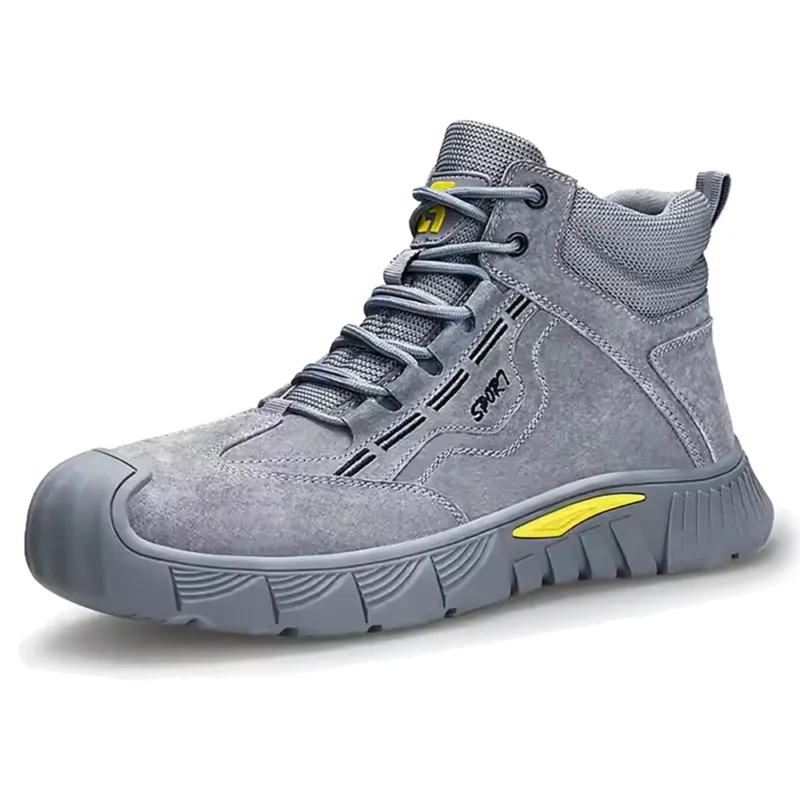
When your workday involves heavy machinery, falling objects, and unforgiving terrain, the Birks Defender Kevlar Steel Toe Safety Work Boots stand ready to protect you through it all. These boots deliver the exceptional durability, reliable protection, and all-day comfort you need to tackle any challenge and get the job done right, every single time.
The brand started production in 2003. Keen established its supply chain in Asia to balance cost efficiency with quality control. The company maintains strict oversight of its manufacturing partners through regular audits and quality inspections.
Each factory specializes in different boot styles. Chinese facilities typically handle heavy-duty work boots with complex safety features. Vietnamese factories focus on lighter-weight utility boots. Thai production centers manufacture hybrid work-casual models.
Keen’s American Roots and Global Strategy
Keen began as an American footwear company in Portland, Oregon. The founders, Martin Keen and Rory Fuerst, launched the brand with a focus on protective footwear. The company headquarters remains in Portland today.
The decision to manufacture overseas stems from three factors:
- Cost reduction – Asian labor costs average 60-70% lower than U.S. manufacturing
- Supply chain access – Raw materials like rubber and leather are readily available in Asia
- Manufacturing expertise – Asian factories have decades of specialized footwear production experience
Keen maintains its design and development teams in Portland. Engineers create prototypes and test new safety features at the American facility. Production specifications then transfer to overseas partners for mass manufacturing.
Quality Control Standards Across Manufacturing Sites
Keen implements a Certified Safety Toe program at all facilities. This certification ensures that steel-toe and composite-toe boots meet ASTM F2413-18 standards. Each boot undergoes impact and compression testing before shipping.
The company uses a three-tier inspection system:
- Raw material inspection – Leather, rubber, and hardware components receive quality checks upon arrival
- In-process monitoring – Production line supervisors examine boots at multiple assembly stages
- Final product testing – Completed boots face functionality tests including waterproofing and sole flexibility
Keen employs third-party auditing firms to verify factory conditions. The auditors check workplace safety, environmental compliance, and labor practices. Facilities must maintain certification to continue production contracts.
Specific Work Boot Models and Their Production Locations
Different Keen work boot models come from designated factories based on technical requirements.
| Boot Model | Manufacturing Country | Primary Features |
|---|---|---|
| Pittsburgh | China | Steel toe, waterproof, electrical hazard protection |
| Flint II | Vietnam | Composite toe, lightweight, athletic design |
| Detroit XT | China | Metatarsal guard, waterproof, insulated options |
| San Jose | Vietnam | Aluminum toe, breathable, flexibility focus |
| Philadelphia | Thailand | Wedge sole, non-marking, soft toe available |
The Pittsburgh boot represents Keen’s heavy-duty line. Chinese factories handle this model because they have equipment for installing metatarsal guards and thick waterproof membranes. The production process requires 47 individual steps.
The Flint II uses athletic shoe construction methods. Vietnamese facilities excel at this style because they also manufacture running shoes. The assembly process takes 31 steps and emphasizes weight reduction.
Materials Sourcing and Component Origins
Keen sources materials from suppliers across multiple continents. The supply chain includes:
Leather – Italy, Brazil, and China provide full-grain leather for uppers. Italian leather goes into premium models. Brazilian leather serves mid-range boots. Chinese leather fills budget-friendly options.
Rubber – Thailand and Indonesia supply natural rubber for outsoles. Synthetic rubber comes from Chinese petrochemical plants.
Safety components – Steel toes originate from Chinese steel mills. Composite toe caps use materials from German chemical manufacturers. Aluminum toes come from U.S. smelters.
Waterproof membranes – Keen.Dry, the proprietary waterproofing system, uses components manufactured in Taiwan and assembled at boot production facilities.
Hardware – Eyelets, hooks, and laces come from specialized suppliers in China and South Korea.
The company tests all materials at its Portland laboratory before approving them for production use. Each material lot receives a unique identifier for traceability.
The Portland Design and Testing Facility
Keen’s Portland headquarters houses a 12,000-square-foot development center. This facility handles:
- Prototype creation using 3D printing and traditional shoemaking tools
- Safety feature testing including toe impact resistance and puncture resistance
- Fit testing with workers from various industries
- Durability testing through simulated wear conditions
The design team includes former construction workers, electricians, and loggers. These team members provide insight into real-world work boot requirements. They test prototypes in actual job site conditions before approving designs for production.
The testing lab simulates extreme conditions. Boots face temperature ranges from -40°F to 150°F. Water resistance testing submerges boots for 8 hours. Abrasion testing replicates 1,000 hours of concrete floor wear in accelerated conditions.
Environmental and Labor Practices at Manufacturing Sites
Keen joined the Leather Working Group in 2008. This membership commits the company to using leather from environmentally certified tanneries. The group audits tanneries for water treatment, chemical usage, and waste management.
The company follows Fair Labor Association guidelines at all contracted factories. Standards include:
- Maximum 60-hour work weeks with overtime pay
- Minimum wage compliance based on local regulations
- Safe working conditions with proper ventilation and lighting
- No child labor or forced labor practices
- Freedom of association for workers
Keen publishes an annual Corporate Responsibility Report. This document lists all manufacturing partners and summarizes audit findings. The 2024 report showed 94% compliance across all facilities.
When your workday involves heavy machinery, falling objects, and unforgiving terrain, the Birks Defender Kevlar Steel Toe Safety Work Boots stand ready to protect you through it all. These boots deliver the exceptional durability, reliable protection, and all-day comfort you need to tackle any challenge and get the job done right, every single time.
Comparison with Competitor Manufacturing Locations
Work boot brands use different manufacturing strategies:
Timberland – Produces primarily in China and the Dominican Republic. The company maintains one small U.S. facility for custom orders.
Red Wing – Manufactures flagship models in Minnesota, USA. Imports budget lines from China.
Caterpillar – Uses factories in China, Vietnam, India, and Bangladesh. No U.S. production.
Wolverine – Operates U.S. factories in Michigan for heritage models. Produces work boots in Asia for mass-market distribution.
Keen falls into the middle category. The brand maintains American design operations but relies on Asian manufacturing for cost efficiency. This approach allows competitive pricing while preserving quality control.
Impact of Manufacturing Location on Price and Quality
Production location directly affects retail prices. A breakdown shows:
- U.S.-made work boots: $200-$400 retail price
- Asian-made work boots: $120-$250 retail price
Keen work boots retail between $130-$220 for most models. The Asian manufacturing strategy creates a 30-40% cost advantage over domestic production.
Quality metrics remain consistent across locations when companies enforce standards. Independent testing by SafetyFootwear.org found no correlation between manufacturing country and safety certification pass rates. The key factor is manufacturer oversight, not geography.
How to Verify Your Keen Boot’s Manufacturing Origin
Each Keen work boot contains production information on the tongue label. The label includes:
- Manufacturing country
- Production date (month/year)
- Factory code (three-digit identifier)
- Size and width specifications
The box also displays country of origin information. Keen embosses this data on the box end panel. The company website provides a batch number lookup tool. Enter the code from your boot tongue to see specific factory details.
Counterfeit Keen boots exist in the market. Authentic boots always include proper safety certifications and detailed labeling. Purchase from authorized dealers like the official Keen website or established retailers to ensure authenticity.
Future Manufacturing Plans and Potential Changes
Keen announced plans in 2023 to diversify its manufacturing base. The company is exploring production in Cambodia and Indonesia to reduce dependence on any single country.
Trade policies and tariffs influence manufacturing decisions. Changes in U.S.-China trade relations could shift more production to Vietnam or Thailand. The company maintains flexibility by working with multiple factories in each country.
Automation is entering work boot production. Keen is testing robotic stitching equipment at its Chinese facilities. This technology could reduce labor costs while maintaining quality. Full implementation is projected for 2026-2027.
The company has no plans to return manufacturing to the United States. The cost differential makes domestic production economically unviable for mass-market work boots. However, Keen continues to expand its Portland testing and development operations.
Making an Informed Purchase Decision
Understanding where Keen work boots are made helps buyers evaluate their options. The Asian manufacturing model delivers several benefits:
- Competitive pricing compared to domestic brands
- Consistent quality through established factory relationships
- Wide style selection due to specialized production capabilities
- Regular innovation from well-funded research and development
The trade-offs include:
- Longer shipping times if ordering directly from Keen
- Less direct control over labor conditions compared to domestic production
- Environmental impact from international shipping
Keen work boots provide reliable protection for workers across industries. The manufacturing location does not diminish the safety features or durability. The company’s quality control systems ensure that boots meet ASTM standards regardless of production country.
Choose your Keen work boots based on required safety features, fit, and intended work environment. The manufacturing origin serves as background information rather than a primary selection criterion. Focus on certifications, comfort, and specific protective features that match your job requirements.
When your workday involves heavy machinery, falling objects, and unforgiving terrain, the Birks Defender Kevlar Steel Toe Safety Work Boots stand ready to protect you through it all. These boots deliver the exceptional durability, reliable protection, and all-day comfort you need to tackle any challenge and get the job done right, every single time.
