
Who Makes Good Work Boots

The Foundation of Quality Work Boots
Work boots protect your feet in demanding environments. The right pair prevents injuries and reduces fatigue during long shifts. Quality manufacturers focus on specific construction methods, materials, and safety standards.
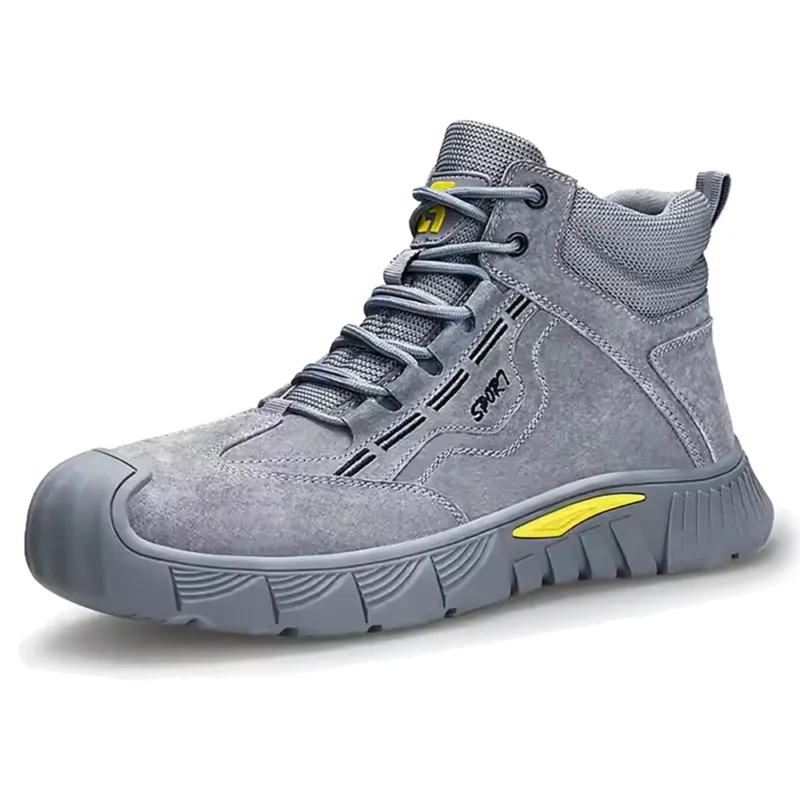
When your workday involves heavy machinery, falling objects, and unforgiving terrain, the Birks Defender Kevlar Steel Toe Safety Work Boots stand ready to protect you through it all. These boots deliver the exceptional durability, reliable protection, and all-day comfort you need to tackle any challenge and get the job done right, every single time.
Durability starts with the foundation. Good work boots use full-grain leather or high-grade synthetic materials. These materials resist abrasions and maintain structural integrity under stress.
The best manufacturers include:
- Red Wing Shoes – American heritage brand since 1905
- Timberland PRO – Innovation-focused work boot division
- Caterpillar – Heavy-duty construction footwear
- Wolverine – Over 135 years of boot-making experience
- Danner – Premium handcrafted boots
- Carhartt – Workwear specialist with proven boot lines
- Thorogood – Union-made American boots
- Keen Utility – Modern comfort technology
- Ariat – Originally equestrian, now work-focused
Historical Development of Work Boot Manufacturing
Work boots evolved from basic leather coverings to specialized safety equipment. Early 1900s manufacturers created the first steel-toe designs for industrial workers. Factory workers needed protection from falling objects and sharp materials.
The 1970s brought ASTM safety standards. Manufacturers had to meet specific impact and compression ratings. This standardization improved quality across the industry.
Modern work boots incorporate advanced materials. Composite toe caps replaced steel in many applications. These materials are lighter and don’t conduct temperature extremes.
Key Features That Define Quality
Construction Methods
Goodyear welt construction remains the gold standard. This method stitches the upper leather to a strip of leather (the welt), which connects to the sole. You can replace the sole multiple times without damaging the boot’s upper.
Direct-attach construction bonds the sole directly to the upper using heat and pressure. This creates a waterproof seal. The method works well for rubber boots and chemical-resistant footwear.
Cement construction glues components together. This approach costs less but limits resoling options. Budget work boots often use this method.
Safety Certifications
Quality manufacturers meet or exceed these standards:
- ASTM F2413 – Impact and compression resistance
- ASTM F2892 – Electrical hazard protection
- ASTM F3445 – Slip resistance ratings
- CSA standards – Canadian safety requirements
Steel toe caps withstand 75 pounds of impact and 2,500 pounds of compression. Composite toes meet the same standards at lower weight.
Material Selection
Full-grain leather shows the entire grain structure. This material breathes well and forms to your foot over time. Top manufacturers source leather from specific tanneries known for consistent quality.
Nubuck leather provides a softer feel with similar durability. The material requires more maintenance to prevent staining.
Synthetic materials offer specific advantages. They dry faster than leather and resist chemical damage. Some workers prefer synthetics in wet environments.
Comparison of Leading Manufacturers
| Brand | Price Range | Primary Strength | Made In | Warranty |
|---|---|---|---|---|
| Red Wing | $200-$400 | Heritage craftsmanship | USA | 1 year |
| Timberland PRO | $120-$250 | Anti-fatigue technology | Global | 30-90 days |
| Danner | $250-$500 | Hand-stitching quality | USA/Global | 1 year |
| Caterpillar | $100-$200 | Heavy-duty durability | Global | 30 days |
| Wolverine | $130-$280 | Comfort innovations | Global | 30 days |
| Thorogood | $180-$300 | Union-made standards | USA | 1 year |
| Keen Utility | $140-$200 | Comfort-first design | Global | 1 year |
| Ariat | $150-$250 | Lightweight performance | Global | 60 days |
Technical Specifications to Consider
Sole Composition
Polyurethane (PU) soles provide cushioning and chemical resistance. They perform well on concrete floors. PU soles last 6-12 months in heavy use.
Rubber soles grip better on wet surfaces. They’re more flexible than PU but wear faster on abrasive surfaces. Oil-resistant rubber compounds prevent slipping in industrial settings.
TPU (thermoplastic polyurethane) combines benefits of both materials. This newer option costs more but lasts longer.
Insulation Ratings
Winter work requires proper insulation. Manufacturers rate insulation in grams:
- 200g – Light activity in mild cold
- 400g – Moderate activity in cold conditions
- 600g – Limited movement in freezing temperatures
- 800g+ – Extreme cold or stationary work
Thinsulate remains the most common insulation material. It provides warmth without bulk.
Waterproofing Technology
Gore-Tex membranes block water while allowing sweat vapor to escape. This technology keeps feet dry from both external and internal moisture.
Rubber boots offer complete waterproofing. They work best for standing water or constant exposure. The trade-off is reduced breathability.
Treated leather provides water resistance. You must maintain the treatment with regular applications of waterproofing products.
When your workday involves heavy machinery, falling objects, and unforgiving terrain, the Birks Defender Kevlar Steel Toe Safety Work Boots stand ready to protect you through it all. These boots deliver the exceptional durability, reliable protection, and all-day comfort you need to tackle any challenge and get the job done right, every single time.
User Benefits by Industry
Construction Workers
Construction demands metatarsal guards for protection from falling materials. Electrical hazard protection prevents shocks on job sites. Puncture-resistant plates stop nails from penetrating the sole.
Red Wing and Thorogood excel in this category. Their boots withstand concrete, rebar, and constant movement on uneven terrain.
Manufacturing and Warehouse
Concrete floors cause foot fatigue. Anti-fatigue technology in the midsole reduces strain. Timberland PRO’s anti-fatigue technology uses cone-shaped structures that collapse and rebound with each step.
Slip resistance matters in warehouse environments. Look for ASTM F2913 certification for oil and wet surface traction.
Outdoor and Landscaping
Waterproofing becomes essential for outdoor work. Danner and Keen Utility offer excellent waterproof options with aggressive tread patterns.
Ankle support prevents injuries on uneven ground. Eight-inch boots provide better stability than six-inch models.
Food Service and Healthcare
These industries require slip-resistant soles rated for specific environments. Shoes for Crews and similar specialists focus on these markets.
Easy-clean materials matter in food environments. Smooth leather or synthetic uppers wipe clean quickly.
Fit and Sizing Considerations
Work boots fit differently than casual shoes. You need room for thick socks and foot swelling during long shifts.
Width options matter more in work boots. Most quality manufacturers offer D (standard), EE (wide), and sometimes EEE (extra wide) sizes.
Try boots in the afternoon. Your feet swell throughout the day. A boot that fits perfectly in the morning may feel tight by evening.
Break-in periods vary by construction method. Goodyear welt boots require 2-4 weeks of wear. Direct-attach boots feel comfortable immediately but may not last as long.
Maintenance Requirements
Quality work boots demand regular care. Clean boots last longer and maintain safety features.
Daily Maintenance
- Remove dirt and debris after each shift
- Dry boots away from direct heat
- Use boot dryers for wet conditions
- Check laces for fraying
Weekly Care
Apply leather conditioner to prevent cracking. This keeps the leather supple and maintains waterproofing. Use products recommended by the manufacturer.
Inspect soles for wear patterns. Uneven wear indicates fit problems or gait issues.
Long-Term Preservation
Replace insoles every 3-6 months. Worn insoles lose cushioning and support. Aftermarket insoles from Superfeet or Dr. Scholl’s often outperform factory options.
Resole boots before the midsole becomes visible. This prevents moisture damage to internal components. Quality boots accept 2-3 resoles during their lifetime.
Selection Steps for Your Needs
Step 1: Identify Hazards
List specific dangers in your workplace. This determines required safety features. Electrical work needs EH rating. Chemical exposure requires specific sole materials.
Step 2: Assess Climate
Cold weather demands insulation. Wet conditions require waterproofing. Hot environments benefit from breathable materials.
Step 3: Calculate Usage Hours
Standing all day requires maximum cushioning. Walking long distances needs flexibility. Climbing ladders benefits from heel support.
Step 4: Set Your Budget
Quality work boots cost $150-$300 for most applications. This investment protects your feet and lasts 1-2 years with proper care.
Premium brands like Danner justify higher costs through superior materials and construction. Budget options sacrifice longevity but meet safety standards.
Step 5: Test Multiple Brands
Manufacturers use different lasts (foot-shaped molds). One brand’s size 10 fits differently from another’s. Try at least three brands in your size range.
Why Manufacturing Origin Matters
American-made boots support domestic workers and maintain quality control. Red Wing, Thorogood, and some Danner models come from U.S. factories.
Imported boots cost less due to lower labor expenses. Quality varies significantly. Established brands maintain standards across factories worldwide.
Check the specific model’s origin. Many brands produce some lines domestically and others overseas. The price often reflects the manufacturing location.
The Role of Technology
Modern work boots incorporate surprising innovations. Carbon fiber toe caps provide protection at 30% less weight than steel. Moisture-wicking liners keep feet dry.
Antimicrobial treatments prevent odor. This matters during long shifts in hot conditions.
Some manufacturers add sensors to track steps and posture. These smart boots cost more but provide health data.
Making the Final Decision
Good work boots balance protection, comfort, and durability. The best manufacturer depends on your specific needs.
Red Wing serves traditional workers who value heritage and repairability. Timberland PRO appeals to those prioritizing comfort technology. Danner satisfies workers demanding premium materials and craftsmanship.
Budget-conscious buyers find value in Caterpillar and Wolverine. These brands meet safety standards at lower price points.
Your feet spend 40+ hours weekly in work boots. This makes them your most important work equipment. Choose quality over price. Your feet, back, and knees will thank you.
Test boots thoroughly before committing. Walk on different surfaces. Wear them for full shifts if the return policy allows. The right work boots feel like an extension of your body, not a burden on your feet.
When your workday involves heavy machinery, falling objects, and unforgiving terrain, the Birks Defender Kevlar Steel Toe Safety Work Boots stand ready to protect you through it all. These boots deliver the exceptional durability, reliable protection, and all-day comfort you need to tackle any challenge and get the job done right, every single time.
