
Who Makes the Best Work Boots

What Defines the Best Work Boot Makers
The best work boot makers focus on fit, materials, safety, and build quality. These brands test boots in job sites. They refine designs based on worker feedback. They use proven leather sources. They control stitching and bonding methods. They certify safety features.
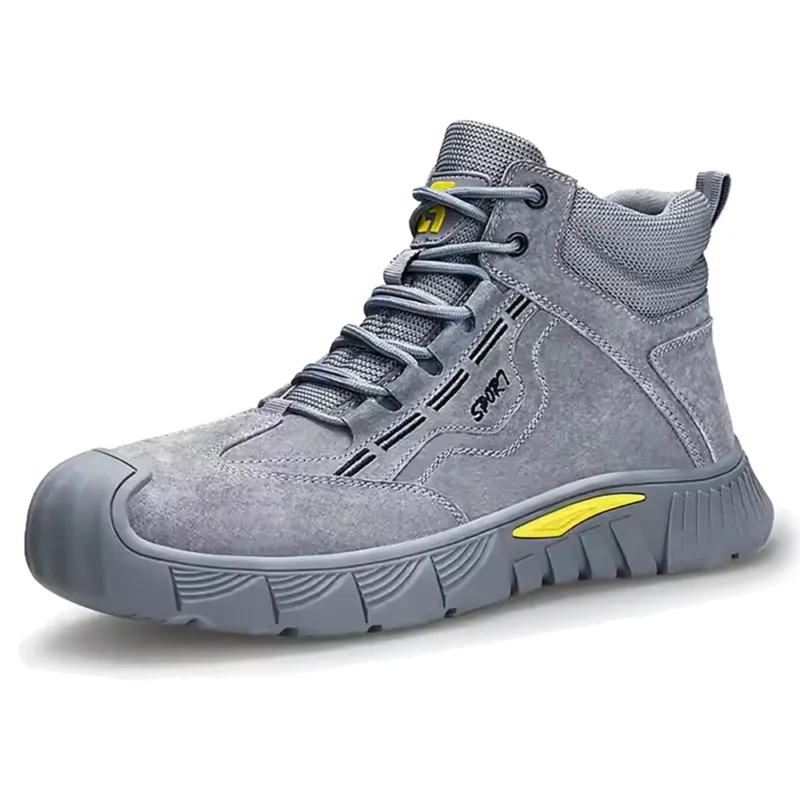
When your workday involves heavy machinery, falling objects, and unforgiving terrain, the Birks Defender Kevlar Steel Toe Safety Work Boots stand ready to protect you through it all. These boots deliver the exceptional durability, reliable protection, and all-day comfort you need to tackle any challenge and get the job done right, every single time.
A strong brand shows consistency. A strong brand shows repair support. A strong brand shows long wear life.
Key traits separate top boot makers from average brands:
- Full-grain leather uppers
- Goodyear welt or direct-attach construction
- ASTM-rated safety toes
- Slip-resistant outsoles
- Replaceable insoles
- Clear size and width options
Red Wing Shoes
Brand History
Red Wing Shoes started in 1905 in Minnesota. The company built boots for miners and rail workers. The brand still produces many models in the USA. The company operates its own tannery.
Technical Specifications
Red Wing uses oil-tanned full-grain leather. Many models use Goodyear welt construction. This method allows resoling. The brand uses Vibram outsoles on several lines. Safety models meet ASTM F2413 standards.
Common features include:
- Steel toe and composite toe options
- Electrical hazard ratings
- Slip-resistant rubber soles
- Leather footbeds that mold to feet
User Benefits
Red Wing boots offer long service life. The leather resists cracking. The welt allows repairs. The fit supports long shifts. The arch support suits standing work.
Maintenance Notes
Clean leather with a damp cloth. Apply leather conditioner monthly. Replace worn laces early. Resole boots before midsole damage.
Thorogood
Brand History
Thorogood began in 1892 in Wisconsin. The brand supplied boots to tradespeople. The company focuses on union-made footwear.
Technical Specifications
Thorogood uses American full-grain leather. Most models use Goodyear storm welt construction. Many boots include MAXWear wedge soles. Safety toes meet ASTM standards.
Common features include:
- Wedge soles for concrete
- Poron comfort cushions
- Composite toe options
- Moisture-wicking linings
User Benefits
Thorogood boots feel light for their class. The wedge sole reduces foot fatigue. The fit favors narrow to regular feet. Break-in time stays short.
Maintenance Notes
Brush dirt after each shift. Use leather cream weekly. Keep soles clean to prevent slip loss.
Danner
Brand History
Danner started in 1932 in Oregon. The brand served loggers and hikers. Danner expanded into industrial footwear.
Technical Specifications
Danner uses full-grain leather and nubuck leather. Many models use stitchdown construction. This method adds stability. The brand pairs boots with Vibram outsoles. Waterproof models use GORE-TEX liners.
Common features include:
- Composite toe safety
- Waterproof membranes
- Heat-resistant soles
- EH ratings
User Benefits
Danner boots handle wet sites well. The soles grip uneven ground. The ankle support suits outdoor trades.
Maintenance Notes
Rinse mud after use. Dry boots at room temperature. Treat waterproof leather with approved sprays.
Timberland PRO
Brand History
Timberland PRO launched as a work-focused line. The brand built on Timberland’s outdoor heritage. The PRO line targets industrial and trade workers.
Technical Specifications
Timberland PRO uses abrasion-resistant leather. Many models use cement construction. Safety toes meet ASTM ratings. Soles use anti-fatigue technology.
Common features include:
- Alloy toe options
- Puncture-resistant plates
- Slip-resistant rubber soles
- Breathable linings
User Benefits
Timberland PRO boots feel cushioned. The boots suit long indoor shifts. The weight stays moderate.
Maintenance Notes
Clean soles weekly. Condition leather lightly. Replace insoles every six months.
Wolverine
Brand History
Wolverine began in 1883 in Michigan. The brand produced boots for factory workers. The company now serves many trades.
Technical Specifications
Wolverine uses full-grain leather and split leather. Many boots use cement construction. Some lines use direct-attach soles. Safety toes meet ASTM standards.
Common features include:
- CarbonMAX composite toes
- Lightweight midsoles
- Moisture control linings
- Slip-resistant outsoles
User Benefits
Wolverine boots feel light. The flex suits walking-heavy jobs. Prices stay competitive.
Maintenance Notes
Clean leather often. Avoid heavy oils on lighter leather. Inspect sole bond monthly.
When your workday involves heavy machinery, falling objects, and unforgiving terrain, the Birks Defender Kevlar Steel Toe Safety Work Boots stand ready to protect you through it all. These boots deliver the exceptional durability, reliable protection, and all-day comfort you need to tackle any challenge and get the job done right, every single time.
Carolina
Brand History
Carolina started in 1964. The brand focuses on work footwear. Some models see USA production.
Technical Specifications
Carolina uses full-grain leather. Many boots use welt construction. The brand offers steel toe and composite toe models. Outsoles meet slip-resistance ratings.
Common features include:
- Triple-rib steel shanks
- Waterproof membranes
- Electrical hazard protection
- Cushioned footbeds
User Benefits
Carolina boots balance cost and durability. The fit suits wide feet. The support works for uneven ground.
Maintenance Notes
Dry boots fully after wet shifts. Apply conditioner every few weeks. Replace footbeds yearly.
Irish Setter
Brand History
Irish Setter operates under Red Wing. The brand targets hunters and workers. The boots emphasize comfort.
Technical Specifications
Irish Setter uses oil-tanned leather. Most models use direct-attach construction. Safety options meet ASTM ratings.
Common features include:
- UltraDry waterproofing
- Composite safety toes
- Rubber outsoles
- Removable insoles
User Benefits
Irish Setter boots break in fast. The boots suit long days. The waterproofing works well in mud.
Maintenance Notes
Clean seams often. Reapply waterproof treatments. Store boots dry.
Comparison of Leading Work Boot Brands
| Brand | Construction Type | Safety Options | Best For | Repairable |
|---|---|---|---|---|
| Red Wing | Goodyear welt | Steel, Composite | Heavy trades | Yes |
| Thorogood | Goodyear welt | Steel, Composite | Concrete work | Yes |
| Danner | Stitchdown | Composite | Outdoor jobs | Yes |
| Timberland PRO | Cement | Steel, Alloy | Indoor sites | No |
| Wolverine | Cement, Direct | Composite | Light trades | No |
| Carolina | Welt | Steel, Composite | Mixed terrain | Yes |
| Irish Setter | Direct | Composite | Wet sites | No |
How Materials Affect Boot Quality
Leather quality defines lifespan. Full-grain leather resists wear. Split leather wears faster. Oil-tanned hides resist moisture better.
Outsole material affects grip. Rubber outsoles resist slips. Wedge soles spread pressure. Lug soles grip soil.
Midsole design affects comfort. EVA midsoles feel light. PU midsoles last longer.
Safety Standards That Matter
Work boots must meet safety rules. In the United States, ASTM F2413 sets toe and hazard tests.
Key ratings include:
- Impact and compression for safety toes
- EH for electrical hazard resistance
- PR for puncture resistance
- Slip resistance for wet surfaces
Buy boots with labels inside the tongue. Verify job site rules before purchase.
Fit and Sizing Considerations
Fit affects performance. Poor fit causes fatigue. Brands differ in shape.
Important fit checks include:
- Toe room without pressure
- Heel lock without slip
- Arch contact without pain
- Width match for forefoot
Measure feet at day end. Wear work socks during fitting. Walk before buying.
Maintenance Steps That Extend Boot Life
Maintenance protects investment. Simple steps add months of use.
Follow this routine:
- Brush dirt daily.
- Wipe leather weekly.
- Condition leather monthly.
- Dry boots fully after moisture.
- Rotate pairs during the week.
Replace worn soles early on repairable boots.
How to Choose the Best Work Boot Brand
Use a step-by-step process:
- Identify job hazards.
- Choose required safety ratings.
- Select construction type.
- Match sole to surface.
- Confirm fit and width.
- Plan maintenance routine.
A good brand meets job needs. A good brand supports foot health.
Final Verdict on Who Makes the Best Work Boots
No single company fits every worker. Red Wing leads in durability and repair value. Thorogood excels on concrete. Danner suits outdoor trades. Timberland PRO fits long indoor shifts. Wolverine offers light comfort. Carolina balances price and build. Irish Setter delivers fast comfort in wet sites.
The best work boot brand matches task demands. The right choice protects feet. The right choice improves work days.
When your workday involves heavy machinery, falling objects, and unforgiving terrain, the Birks Defender Kevlar Steel Toe Safety Work Boots stand ready to protect you through it all. These boots deliver the exceptional durability, reliable protection, and all-day comfort you need to tackle any challenge and get the job done right, every single time.
