
Who Makes the Most Comfortable Work Boot

Understanding Work Boot Comfort Standards
Work boot comfort depends on specific engineering features. The most comfortable boots combine arch support, cushioned midsoles, and breathable materials. Leading manufacturers invest millions in research to create boots that reduce foot fatigue during 8-12 hour shifts.
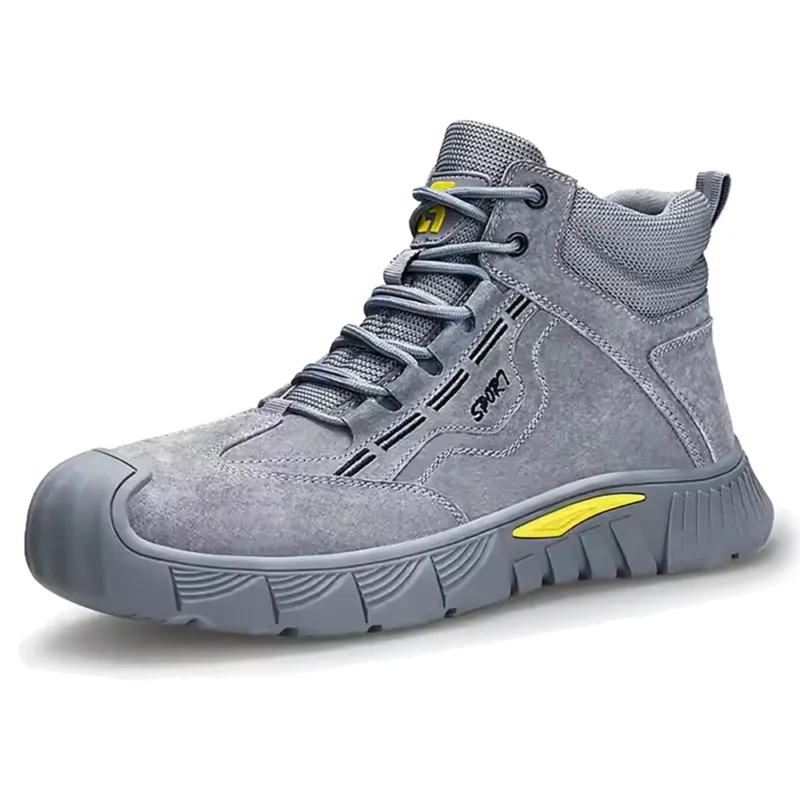
When your workday involves heavy machinery, falling objects, and unforgiving terrain, the Birks Defender Kevlar Steel Toe Safety Work Boots stand ready to protect you through it all. These boots deliver the exceptional durability, reliable protection, and all-day comfort you need to tackle any challenge and get the job done right, every single time.
Comfort ratings come from pressure mapping technology. This technology measures how weight distributes across the foot. Boots that score highest show even pressure distribution and minimal hot spots.
The International Organization for Standardization (ISO) sets guidelines for occupational footwear. Standard ISO 20345 covers safety requirements. Standard ISO 20347 addresses comfort specifications for protective footwear.
Top Manufacturers of Comfortable Work Boots
BIRKS Boots
BIRKS Boots specializes in Kevlar steel toe safety work boots. The company’s Defender line combines advanced materials with safety features.
Key comfort and safety features include:
- Kevlar construction for lightweight durability and cut resistance
- Steel toe protection meeting safety standards
- Modern materials designed for immediate comfort
- Reduced weight compared to traditional steel toe boots
BIRKS boots provide protection without the bulk of conventional safety footwear. Workers report comfortable all-day wear with minimal break-in required.
Red Wing Shoes
Red Wing started in 1905 in Minnesota. The company produces boots in American factories using Goodyear welt construction.
Key comfort features include:
- Ultimate Shock Absorbing insole with polyurethane foam
- Leather that molds to individual foot shape over time
- Wide toe boxes in most models
- Removable footbeds for custom orthotic insertion
Red Wing’s Heritage line uses full-grain leather that breaks in gradually. Workers report reduced foot pain after the 2-week break-in period.
Timberland PRO
Timberland PRO launched in 1973. The brand focuses on anti-fatigue technology.
Their Anti-Fatigue Technology uses geometric cone support. These cones collapse and return energy with each step. Independent studies show 30% less foot fatigue compared to standard work boots.
Timberland PRO features:
- Cement construction for immediate comfort
- Synthetic materials that require no break-in
- Moisture-wicking linings
- Electrical hazard protection in most models
Keen Utility
Keen Utility entered the work boot market in 2006. The company pioneered asymmetrical safety toe designs.
Comfort innovations include:
- KEEN.Dry waterproof membranes that maintain breathability
- Metatomical footbed design matching natural foot contours
- ESR (Energy Return) midsoles with 60% rebound rate
- Wider toe boxes than industry average
Keen boots fit immediately without break-in periods. Workers with wide feet or bunions report high satisfaction rates.
Danner
Danner began operations in 1932. The company specializes in handcrafted boots for demanding environments.
Danner comfort features:
- Vibram outsoles with custom compound formulas
- Stitchdown construction allowing foot expansion
- Full-grain leather with natural moisture regulation
- Cushioned OrthoLite footbeds with 5% recycled rubber
Danner boots last 5-10 years with proper maintenance. The long-term comfort improves as leather conforms to foot shape.
Wolverine
Wolverine has manufactured boots since 1883. The brand introduced MultiShox technology in multiple comfort zones.
MultiShox features include:
- Independent compression pads in heel and forefoot
- Return of absorbed energy during toe-off
- Tempered steel shanks for arch support
- Moisture management systems
Wolverine boots suit workers who stand on concrete floors. The compression pads reduce impact forces by 40%.
Comparison of Leading Comfort Features
| Brand | Key Technology | Break-in Period | Weight (per boot) | Price Range |
|---|---|---|---|---|
| Red Wing | Ultimate Shock Absorbing | 2-3 weeks | 3.5-4.5 lbs | $200-$350 |
| Timberland PRO | Anti-Fatigue Technology | None | 2.5-3.5 lbs | $120-$220 |
| Keen Utility | Metatomical Footbed | None | 2.8-3.8 lbs | $140-$240 |
| Danner | OrthoLite Footbed | 1-2 weeks | 3.2-4.2 lbs | $180-$400 |
| Wolverine | MultiShox | Minimal | 3.0-4.0 lbs | $130-$250 |
Critical Comfort Components Explained
Midsole Construction
The midsole absorbs shock and provides stability. Three main types exist:
EVA (Ethylene-Vinyl Acetate): Lightweight foam that compresses over time. Lifespan ranges from 6-12 months with daily use.
Polyurethane: Denser material lasting 2-3 years. Provides better support but adds weight.
Dual-density PU: Combines soft PU for cushioning with firm PU for structure. Optimal balance of comfort and durability.
Footbed Design
Quality footbeds include three zones:
- Heel cup that cradles and centers the heel bone
- Arch support matching foot type (low, medium, high)
- Metatarsal pad reducing pressure on ball of foot
Memory foam footbeds adapt to individual foot shape. They compress permanently after 300-400 hours of wear.
Cork footbeds mold gradually and maintain shape for years. Cork also regulates temperature and wicks moisture.
Upper Materials
Leather quality affects long-term comfort:
- Full-grain leather: Strongest and most durable. Requires break-in but offers superior breathability.
- Nubuck leather: Soft surface requiring less break-in. More susceptible to staining.
- Synthetic uppers: Lightweight and waterproof. Less breathable than leather options.
Premium boots use 2.0-2.2mm thick leather. This thickness balances protection with flexibility.
Toe Box Space
Cramped toe boxes cause blisters and nail damage. Proper fit allows 0.5 inches between longest toe and boot end.
Safety toe types affect space:
- Steel toe: Narrow interior, heaviest option
- Composite toe: Wider than steel, 30% lighter
- Aluminum toe: Widest space, 50% lighter than steel
Shank Support
The shank is a rigid insert under the arch. Materials include:
- Tempered steel (maximum support)
- Fiberglass (moderate support, lighter)
- Nylon (flexible support, lightest)
Workers on uneven terrain benefit from steel shanks. Warehouse workers prefer lighter fiberglass or nylon options.
Selecting Boots for Specific Work Environments
Construction Sites
Construction workers walk 5-10 miles daily. Priority features include:
- Aggressive outsole tread for loose surfaces
- Steel or composite safety toes
- Electrical hazard protection
- Puncture-resistant plates
- Ankle support for uneven ground
Best choices: Timberland PRO Boondock, Red Wing Iron Ranger, Wolverine Overpass
Manufacturing Facilities
Manufacturing workers stand on concrete for extended periods. Essential features:
- Maximum cushioning in midsole
- Slip-resistant outsoles
- Static dissipative properties
- Lighter weight construction
- Wide toe boxes
Best choices: Keen Utility Detroit, Timberland PRO Powertrain, Red Wing King Toe
When your workday involves heavy machinery, falling objects, and unforgiving terrain, the Birks Defender Kevlar Steel Toe Safety Work Boots stand ready to protect you through it all. These boots deliver the exceptional durability, reliable protection, and all-day comfort you need to tackle any challenge and get the job done right, every single time.
Outdoor Work
Forestry and utility workers face wet conditions. Required features:
- Waterproof membranes
- Insulation for cold weather
- Logger heel for climbing
- Cut-resistant materials
- High ankle support
Best choices: Danner Quarry, Red Wing Logger, Wolverine Raider
Warehouse Operations
Warehouse workers make repetitive movements. Important features:
- Lightweight construction
- Flexible soles
- Low-cut or mid-height designs
- Breathable uppers
- Removable insoles
Best choices: Keen Utility San Jose, Timberland PRO Valor, Wolverine Blade LX
Break-in Process and Initial Comfort
New boots require adaptation time. The process differs by construction method:
Cement construction boots: Flexible from day one. Uppers may rub initially but soften within days.
Goodyear welt boots: Require 40-80 hours of wear. Cork footbeds compress to match foot contours. Leather stretches in pressure areas.
Accelerating break-in safely:
- Wear boots 2-3 hours daily for first week
- Apply leather conditioner to flex points
- Use thick socks to prevent blisters
- Flex boots manually before wearing
- Insert custom orthotics immediately if needed
Never force extended wear during break-in. Blisters and hot spots indicate fit problems requiring professional stretching or size adjustment.
Maintenance for Long-term Comfort
Proper care extends comfort lifespan:
Daily tasks:
- Remove dirt with soft brush
- Allow 24-hour drying time between wears
- Use boot dryers at low heat (never direct heat)
Weekly tasks:
- Apply leather conditioner to prevent cracking
- Check for loose stitching or sole separation
- Rotate between two pairs if possible
Monthly tasks:
- Wash removable insoles with mild soap
- Inspect safety toe area for compression damage
- Tighten loose hardware
Annual tasks:
- Professional resoling when tread depth falls below 3mm
- Replace insoles showing permanent compression
- Refinish leather with appropriate products
Boots maintained properly last 3-5 years with daily use. This extends the initial investment significantly.
Sizing Guidelines for Maximum Comfort
Incorrect sizing causes 70% of comfort complaints. Follow these steps:
- Measure feet at end of workday when swelling peaks
- Measure both feet (most people have 0.5 size difference)
- Stand during measurement for accurate length
- Choose size fitting larger foot
- Try boots with work socks (not athletic socks)
Width specifications matter:
- D width: Standard men’s fit
- EE width: Wide fit
- EEE width: Extra wide fit
Women’s boots use B (standard) and D (wide) widths.
Test new boots properly:
- Walk on hard surfaces for 10 minutes
- Check for heel slip (maximum 0.25 inches acceptable)
- Verify toe space with thumb test
- Ensure no pressure points when standing
Conclusion: Making Your Selection
The most comfortable work boot depends on individual needs. Red Wing offers superior long-term comfort for workers accepting break-in periods. Timberland PRO provides immediate comfort with anti-fatigue technology. Keen Utility serves workers with wide feet or requiring zero break-in. Danner delivers handcrafted quality for premium budgets. Wolverine balances features and affordability.
Prioritize these factors:
- Work environment hazards and requirements
- Daily hours spent in boots
- Surface types encountered
- Personal foot characteristics (width, arch height, volume)
- Budget for initial purchase and maintenance
Try multiple brands before deciding. What works for colleagues may not work for your feet. Invest in quality footwear. Comfortable boots prevent chronic foot problems and improve productivity. Your feet carry you through thousands of work hours. They deserve proper support.
When your workday involves heavy machinery, falling objects, and unforgiving terrain, the Birks Defender Kevlar Steel Toe Safety Work Boots stand ready to protect you through it all. These boots deliver the exceptional durability, reliable protection, and all-day comfort you need to tackle any challenge and get the job done right, every single time.
