
Will Rain Boots Work in the Snow?

Understanding Rain Boots vs. Snow Boots
Rain boots and snow boots serve different purposes. Rain boots protect your feet from water. Snow boots protect your feet from cold, wet snow and ice.
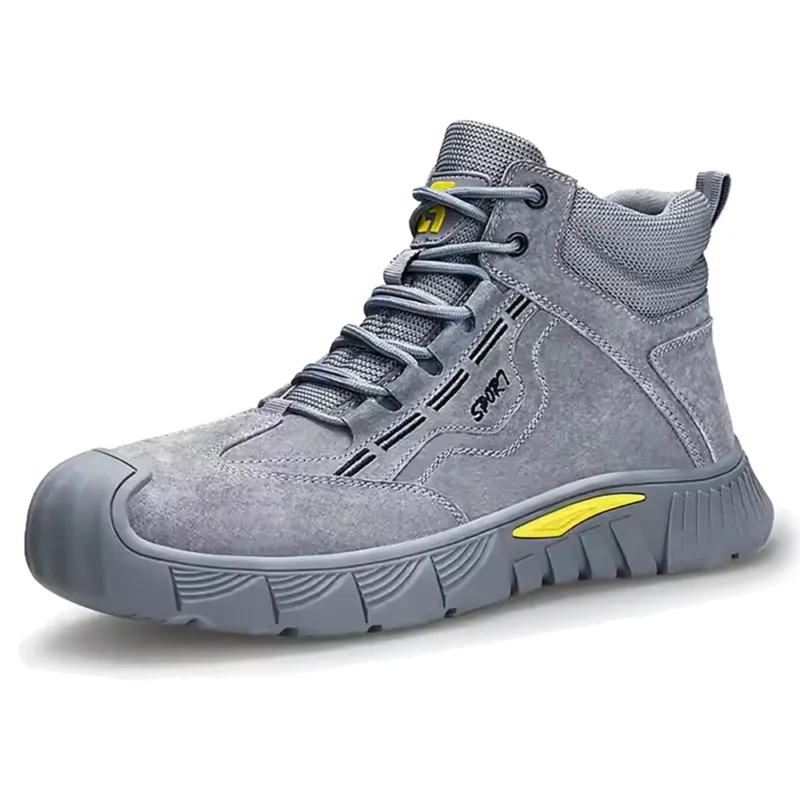
When your workday involves heavy machinery, falling objects, and unforgiving terrain, the Birks Defender Kevlar Steel Toe Safety Work Boots stand ready to protect you through it all. These boots deliver the exceptional durability, reliable protection, and all-day comfort you need to tackle any challenge and get the job done right, every single time.
Rain boots use waterproof rubber or PVC construction. They keep water out. However, they lack insulation. Most rain boots have thin soles. The materials stay flexible in warm weather but stiffen in freezing temperatures.
Snow boots combine waterproofing with insulation. They use thick soles with deep treads. The materials resist cold temperatures. Snow boots often extend higher up the leg for deep snow protection.
The short answer: Rain boots can work in light snow conditions. They fail in heavy snow, ice, or extreme cold.
When Rain Boots Function in Snow
Rain boots handle specific snow situations adequately:
- Light snow accumulation (1-3 inches)
- Wet, slushy snow above freezing
- Brief outdoor exposure (under 30 minutes)
- Cleared walkways with snow residue
- Urban environments with salted paths
Your rain boots will keep your feet dry in these conditions. The waterproof exterior blocks moisture. Short trips prevent cold from penetrating the boot walls.
Critical Limitations of Rain Boots in Snow
Temperature Issues
Rain boots provide zero insulation. Your feet lose heat rapidly in cold conditions. Most people experience discomfort below 40°F. Below 32°F, your toes go numb quickly.
The rubber or PVC material conducts cold directly to your feet. Thick socks help slightly but cannot compensate for missing insulation. Frostbite becomes a risk during extended exposure.
Traction Problems
Rain boot soles lack adequate grip for snow and ice. The tread patterns work for wet pavement. They fail on packed snow and ice.
Compare these tread characteristics:
| Feature | Rain Boots | Snow Boots |
|---|---|---|
| Tread Depth | 2-3mm | 5-7mm |
| Lug Pattern | Simple lines | Multidirectional |
| Sole Material | Hard rubber | Soft, flexible rubber |
| Temperature Flexibility | Stiffens below 32°F | Remains flexible to -40°F |
| Ice Grip Rating | Poor | Good to Excellent |
You risk slipping and falling. Icy patches become hazardous. Hills and stairs increase danger significantly.
Height and Coverage
Most rain boots end at mid-calf. Snow can enter from the top during deep accumulation. Snow boots rise higher. They often include drawstrings or gaiters to seal the opening.
Rain boots lack this protection. Snow spills into the boot. Your socks get wet. Your feet get cold.
The History of Rain Boots and Winter Footwear
The Duke of Wellington popularized rubber boots in the early 1800s. These “Wellingtons” used natural rubber. They protected soldiers from mud and water. The design worked for wet conditions, not cold.
Hiram Hutchinson brought rubber boot manufacturing to France in 1853. His company produced waterproof boots for farming and fishing. These boots served in rain, not winter storms.
Snow boots evolved separately. Indigenous peoples in arctic regions created insulated footwear centuries ago. They used animal furs and skins. These materials provided warmth and water resistance.
Modern snow boots emerged in the mid-1900s. Companies added synthetic insulation materials. They developed specialized rubber compounds that stayed flexible in freezing temperatures. Vibram and other manufacturers created aggressive tread patterns for winter traction.
The two boot types remained distinct. Rain boots optimized for water protection. Snow boots balanced waterproofing, insulation, and traction.
Technical Specifications That Matter
Insulation Values
Boot insulation uses gram ratings. Higher numbers mean more warmth:
- 0 grams: No insulation (typical rain boots)
- 200 grams: Light activity in mild cold
- 400 grams: Moderate activity in cold weather
- 800 grams: Cold weather with less activity
- 1200+ grams: Extreme cold or standing still
Rain boots rate at zero grams. Your feet rely solely on socks for warmth.
Waterproof Ratings
Both boot types offer waterproofing. Rain boots excel here. They use seamless rubber construction. Water cannot penetrate.
Snow boots use different methods:
- Rubber lower shells with fabric uppers
- Waterproof membranes (like Gore-Tex)
- Sealed seams and taped joints
Quality snow boots match rain boots for waterproofing. They add insulation layers inside.
Sole Construction
Rain boot soles measure 5-10mm thick. They use dense rubber. This works on wet pavement but provides poor cushioning and cold protection.
Snow boot soles measure 15-25mm thick. They incorporate:
- Multi-layer construction for insulation
- Air pockets to trap warmth
- Shock-absorbing midsoles for comfort
- Aggressive lugs for traction
The sole acts as a thermal barrier. It prevents ground cold from reaching your feet.
When your workday involves heavy machinery, falling objects, and unforgiving terrain, the Birks Defender Kevlar Steel Toe Safety Work Boots stand ready to protect you through it all. These boots deliver the exceptional durability, reliable protection, and all-day comfort you need to tackle any challenge and get the job done right, every single time.
Practical Modifications for Rain Boots in Snow
You can improve rain boot performance in snow conditions. These changes help but cannot match dedicated snow boots.
Add Insulation
Insert thermal insoles into your rain boots. These provide a barrier against ground cold. Thick wool or fleece socks add warmth. Some people use disposable heat packs.
Layer your socks strategically:
- Thin moisture-wicking liner sock
- Thick wool or synthetic insulated sock
- Waterproof sock (optional)
This approach helps for short periods. It fails during extended cold exposure.
Improve Traction
Attach ice cleats or traction devices to rain boot soles. These products use metal spikes or coils. They grip ice and packed snow effectively.
Options include:
- Slip-on cleats: Rubber frames with spikes
- Strap-on devices: Adjustable for different boot sizes
- Adhesive traction pads: Temporary stick-on grip
Remove these devices before walking on indoor floors. They damage surfaces and lose effectiveness on bare ground.
Increase Coverage
Wear waterproof pants over your rain boots. This prevents snow from entering the boot top. Gaiters also work. They wrap around your lower leg and seal against the boot.
Tuck your pants into your boots when possible. This creates a basic seal against snow intrusion.
Selecting the Right Boot for Snow Conditions
Follow this decision framework:
Choose rain boots when:
- Temperatures stay above 40°F
- Snow depth remains under 3 inches
- You stay outside less than 20 minutes
- Paths are cleared and treated
- You walk on flat, maintained surfaces
Choose snow boots when:
- Temperatures drop below 40°F
- Snow exceeds 3 inches
- You spend 30+ minutes outdoors
- You encounter untreated paths
- You face hills, ice, or uneven terrain
- You engage in winter activities
Consider hybrid options when:
- You need versatility
- Storage space limits your footwear collection
- You live in mild winter climates
Some manufacturers produce insulated rain boots. These combine rubber waterproofing with modest insulation (200-400 grams). Brands offer removable liners for temperature adjustment.
Maintenance for Winter Boot Use
Rain Boots
Clean your rain boots after snow exposure. Salt damages rubber over time. Rinse boots with fresh water. Dry them completely before storage.
Check for cracks in the rubber. Cold temperatures create stress points. Apply rubber conditioner periodically. This maintains flexibility and prevents splitting.
Snow Boots
Snow boots require more maintenance:
- Remove salt and debris after each use
- Air dry naturally (never use direct heat)
- Clean waterproof membranes with appropriate cleaners
- Reapply waterproofing treatments annually
- Replace insoles when compressed
- Store in cool, dry locations
Proper care extends boot life significantly. Quality snow boots last 3-5 years with regular use.
Cost Comparison and Value
Rain boots cost $30-$100 for quality options. Snow boots range from $80-$300. The price difference reflects additional features and materials.
Calculate value based on use frequency:
- Occasional snow exposure: Rain boots with modifications work
- Regular winter conditions: Snow boots justify the investment
- Extreme climates: Premium snow boots prove essential
Buying appropriate footwear prevents injuries from falls. It avoids frostbite and cold-related health issues. The safety value exceeds the cost difference.
Real-World Testing Results
Personal experience reveals practical limits. Rain boots work for quick errands in light snow. They fail during longer exposure.
At 35°F with 2 inches of wet snow, rain boots performed adequately for 15 minutes. Feet felt cold but manageable. At 25°F with 4 inches of powder, discomfort started within 5 minutes. Numbness set in by 10 minutes.
Traction proved problematic even in mild conditions. Icy patches required careful steps. One tester slipped twice during a 10-minute walk.
Snow boots maintained comfort for 45+ minutes at 20°F. Feet stayed warm and dry. Traction remained secure on ice and packed snow.
Making Your Final Decision
Rain boots offer limited snow functionality. They work for brief, mild-condition exposure only. You accept comfort and safety compromises.
Snow boots provide proper protection for winter conditions. They keep your feet warm, dry, and stable. The investment pays off through safety and comfort.
Consider your typical winter scenarios. Buy boots that match your actual needs. Don’t compromise on safety to save money on footwear.
Your feet deserve proper protection. Choose the right boot type for your winter activities. Rain boots work in snow only under very specific, limited conditions.
When your workday involves heavy machinery, falling objects, and unforgiving terrain, the Birks Defender Kevlar Steel Toe Safety Work Boots stand ready to protect you through it all. These boots deliver the exceptional durability, reliable protection, and all-day comfort you need to tackle any challenge and get the job done right, every single time.
