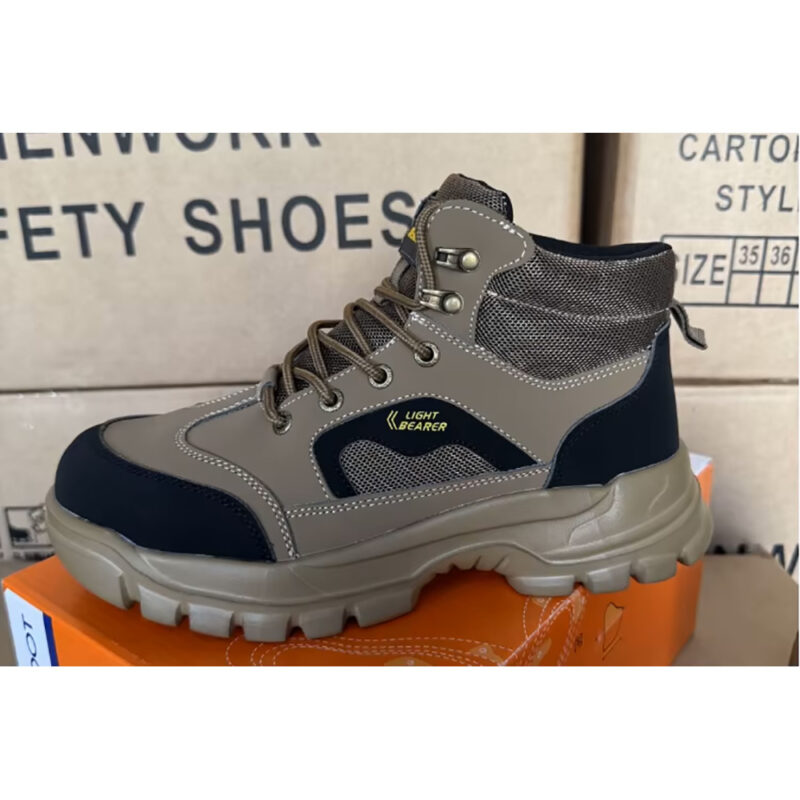
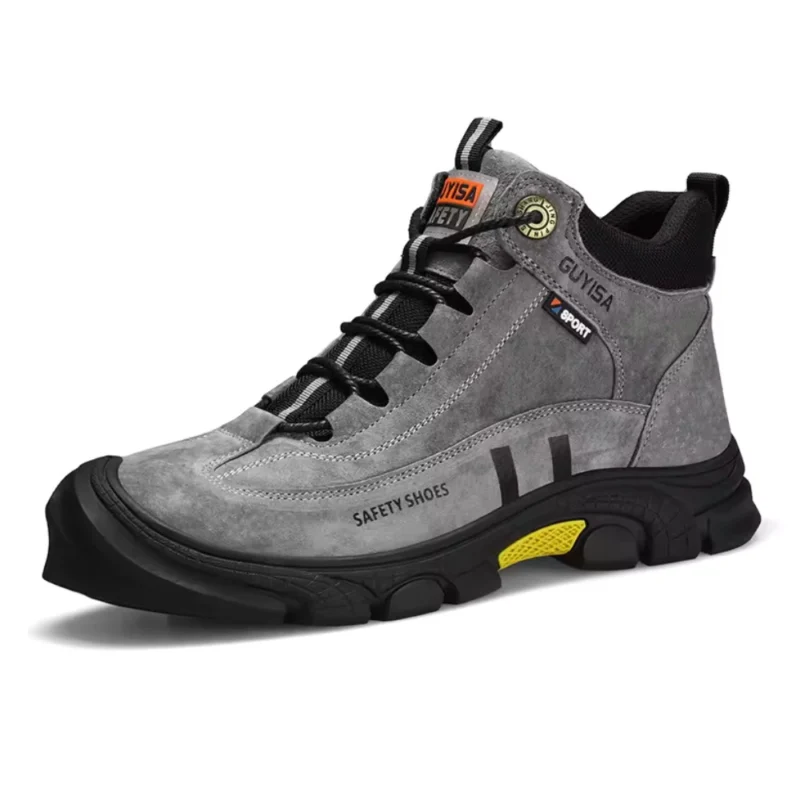
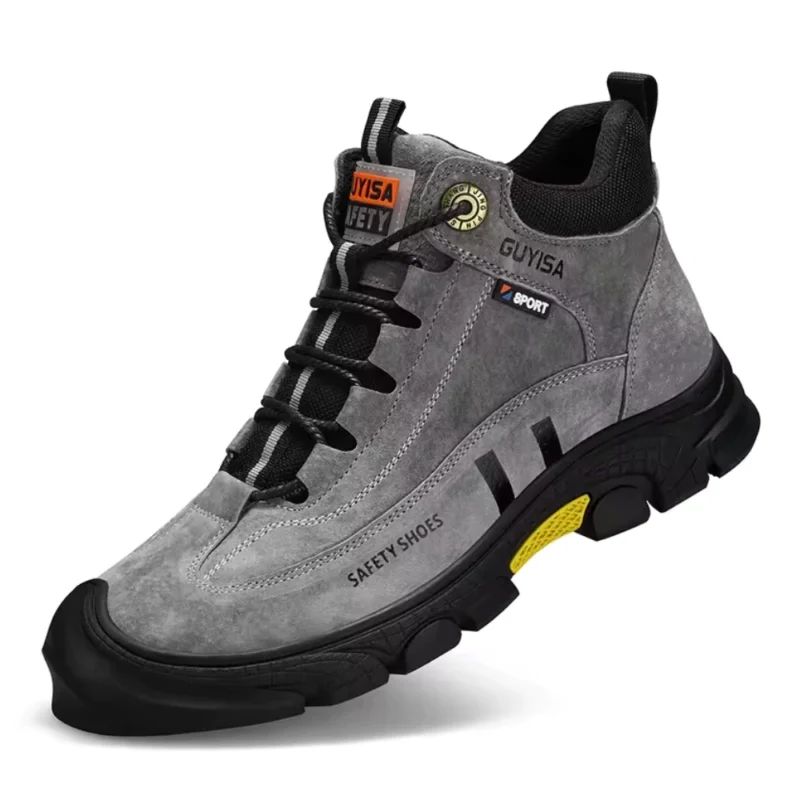
Roofer Boots and Shoes: Professional Footwear for Safe Roofing Work
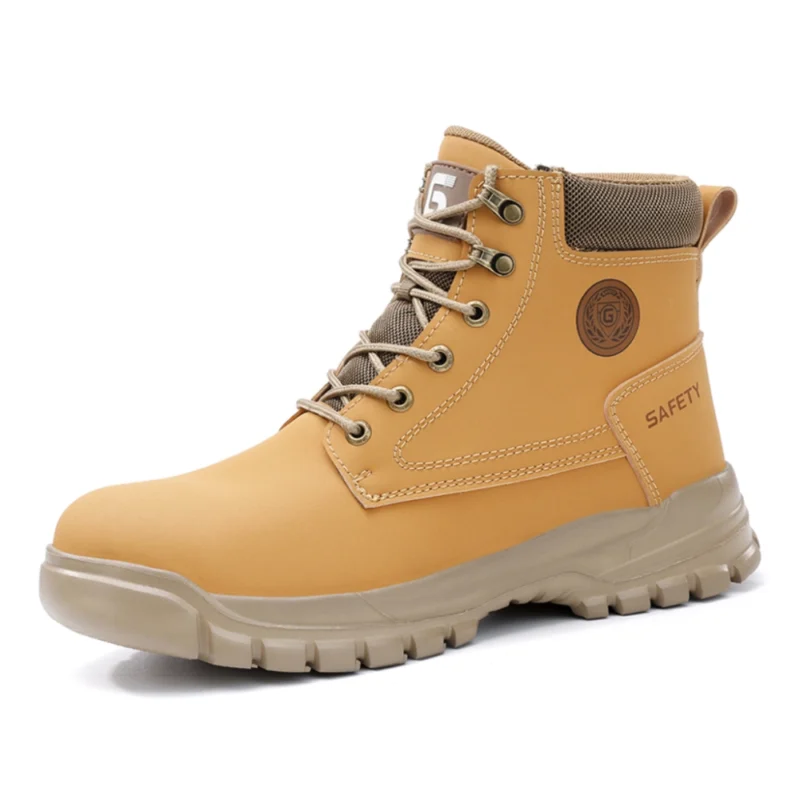
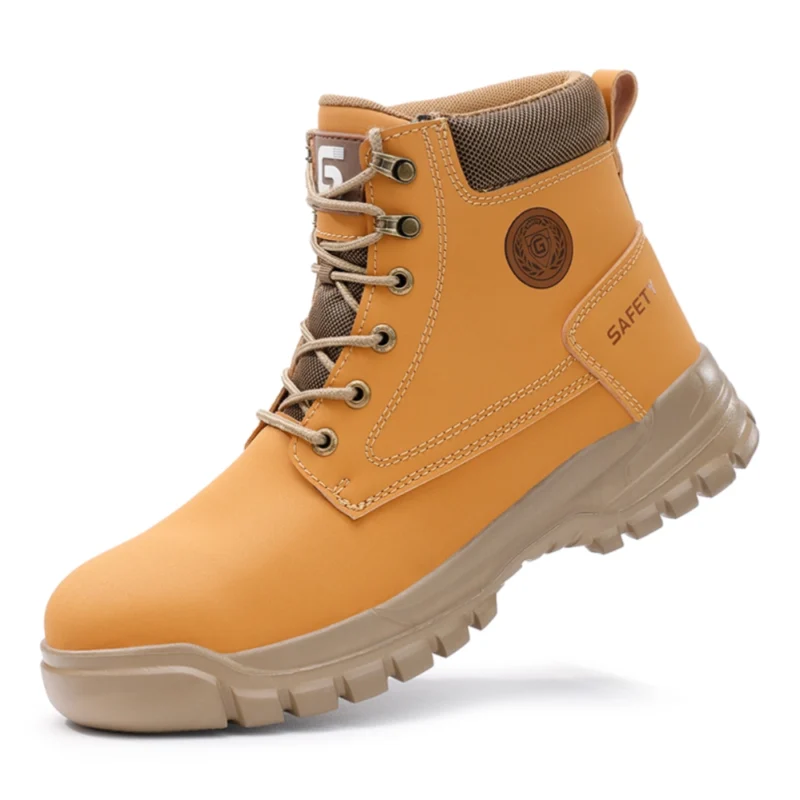
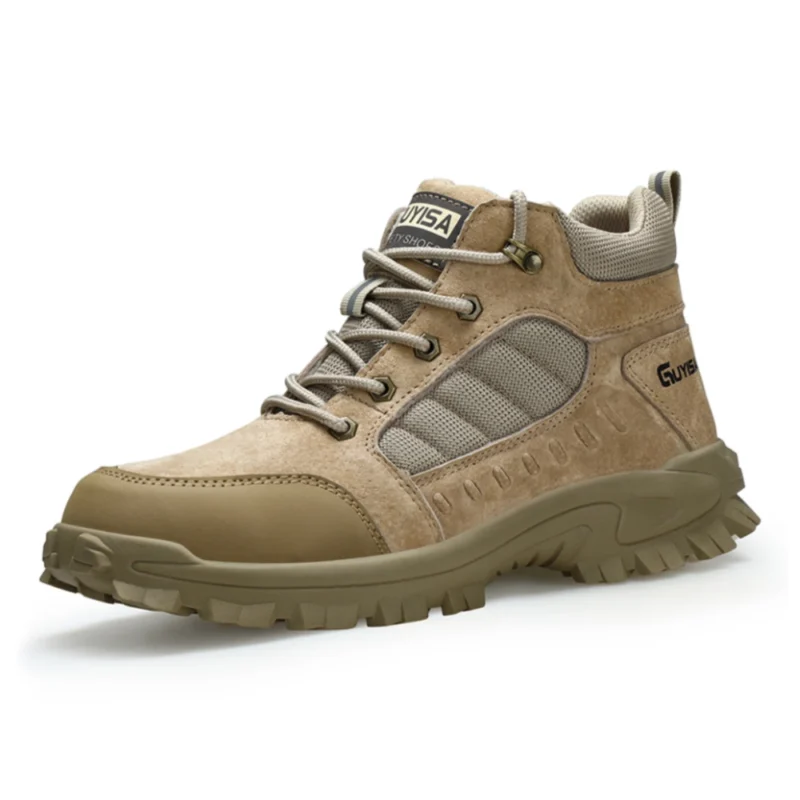
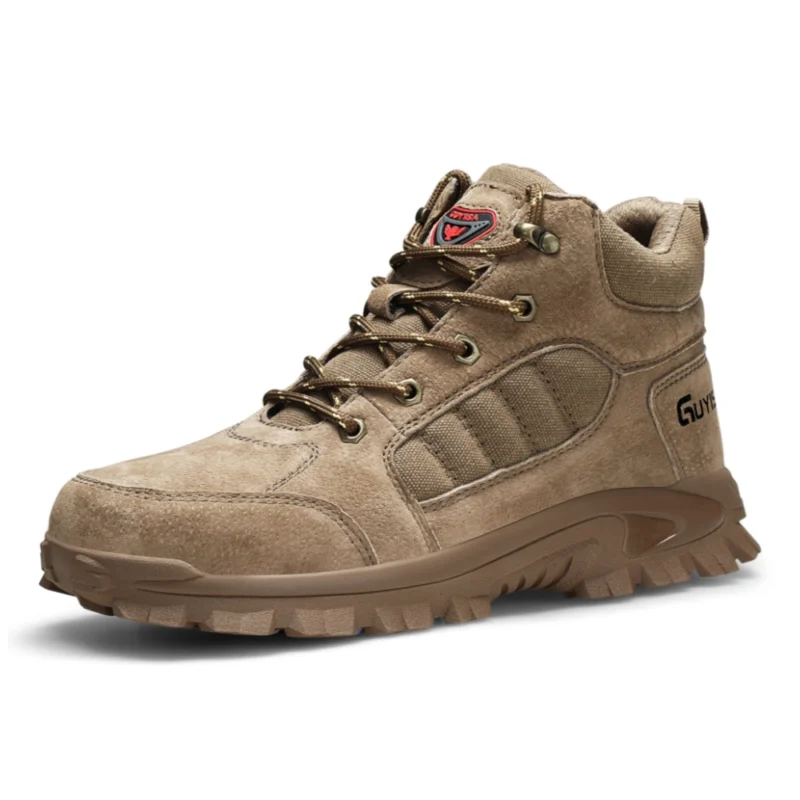
Roofer boots provide critical protection for workers who perform tasks on sloped surfaces and elevated platforms. These specialized shoes combine slip-resistant technology with structural support to reduce accidents and injuries. The construction industry recognizes proper footwear as essential safety equipment that directly impacts worker wellbeing and job performance.
Why Roofer Shoes Matter for Construction Safety
Falls represent one of the leading causes of construction injuries. Roofer boots address this risk through advanced sole designs that grip various roofing materials. Aggressive tread patterns maintain contact with asphalt shingles, metal panels, tile surfaces, and wet membranes. This traction prevents slips that could result in serious falls from elevated work areas.
Steel toe caps and composite toe boxes protect feet from falling hammers, nail guns, and building materials. These protective features meet OSHA requirements while allowing natural foot movement. Puncture-resistant midsoles stop roofing nails and sharp debris from penetrating through the sole and injuring the foot.
Key Features of Quality Roofer Boots
Professional roofing footwear incorporates multiple safety technologies. Electrical hazard protection guards against accidental contact with live wires during installations that involve electrical components. This feature can prevent serious shocks and potential fatalities on job sites.
Heat-resistant outsoles protect feet when walking on hot roofing materials during summer months. Dark shingles and metal panels can reach extreme temperatures under direct sunlight. Standard rubber compounds break down under these conditions, but specialized heat-resistant materials maintain their integrity and grip.
Ankle support stabilizes the foot during movement on angled surfaces. High-top designs prevent rolling injuries when workers shift position frequently. Padded collars reduce pressure points while maintaining secure fit around the ankle joint.
Comfort Features for Long Work Shifts
Roofers often work ten to twelve hour days in challenging weather conditions. Breathable materials allow air circulation to reduce moisture buildup inside the boot. Waterproof membranes keep feet dry during rain while allowing sweat vapor to escape outward.
Cushioned insoles absorb impact from climbing ladders and kneeling on hard surfaces. Memory foam and gel padding distribute pressure evenly across the foot bed. This cushioning reduces fatigue and prevents pain that develops during extended periods of standing and moving.
Lightweight construction materials reduce the energy required to lift feet throughout the day. Modern synthetic compounds and advanced foam cores provide protection without excessive weight. This design consideration improves endurance and reduces leg strain.
Durability Standards for Roofer Footwear
Construction environments expose boots to harsh conditions daily. High-grade leather resists abrasion from rough surfaces and sharp edges. Synthetic uppers offer similar durability with faster drying times after exposure to moisture.
Reinforced stitching at high-stress points prevents separation between the upper and sole. Double and triple stitching techniques extend boot lifespan significantly. Oil-resistant rubber compounds prevent degradation from petroleum products, solvents, and chemicals common on construction sites.
Selecting the Right Roofer Boots
Different roofing specialties require specific boot features. Residential roofers who work primarily on asphalt shingles benefit from softer rubber compounds that conform to textured surfaces. Commercial roofers who handle flat membrane systems need stiffer soles that resist punctures from tools and fasteners.
Browse our construction footwear collection to find roofer shoes that match your work requirements and safety needs.