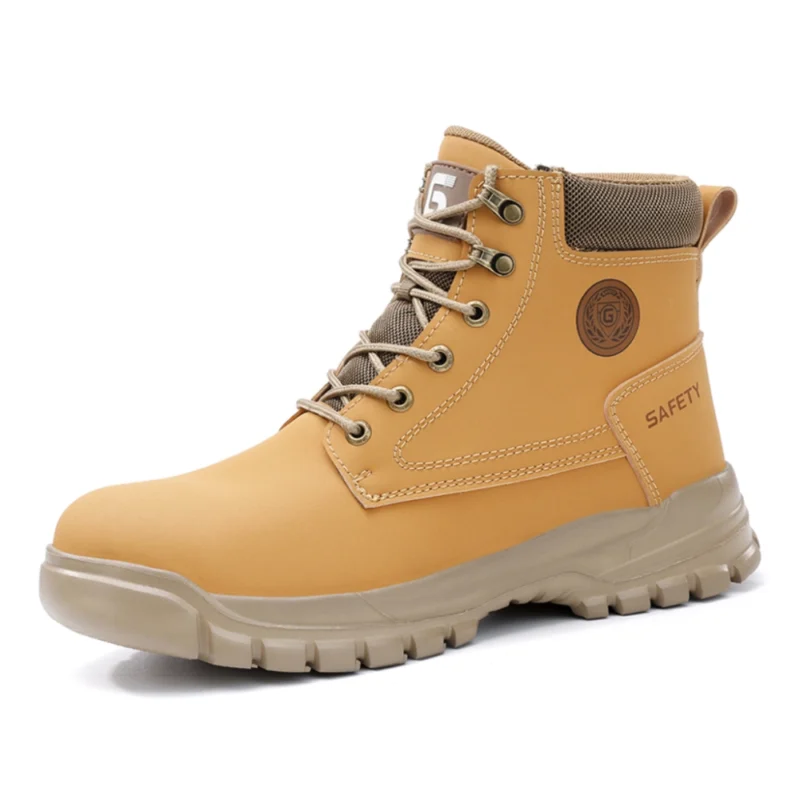
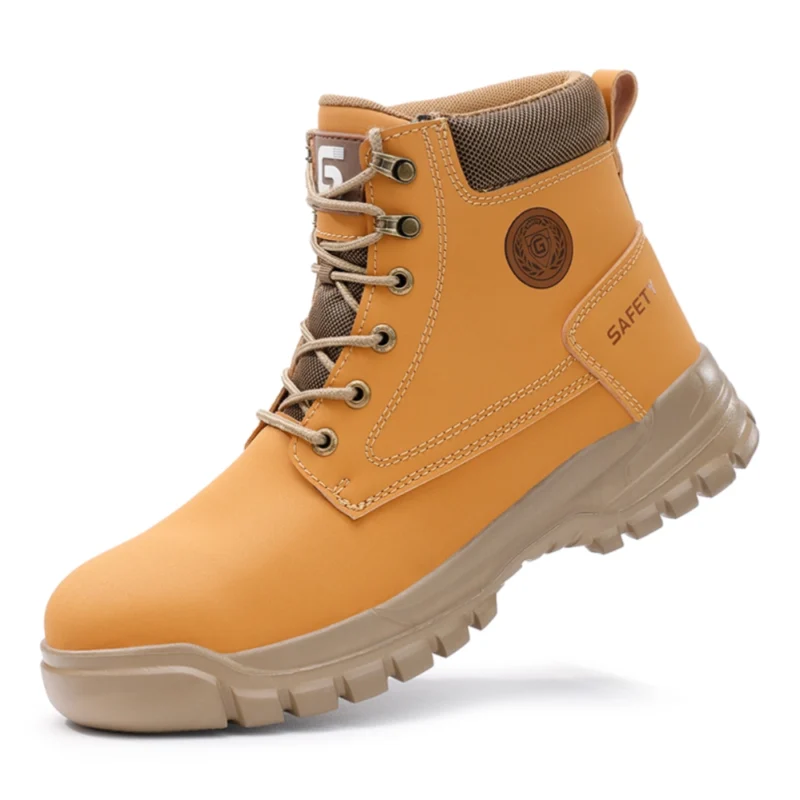
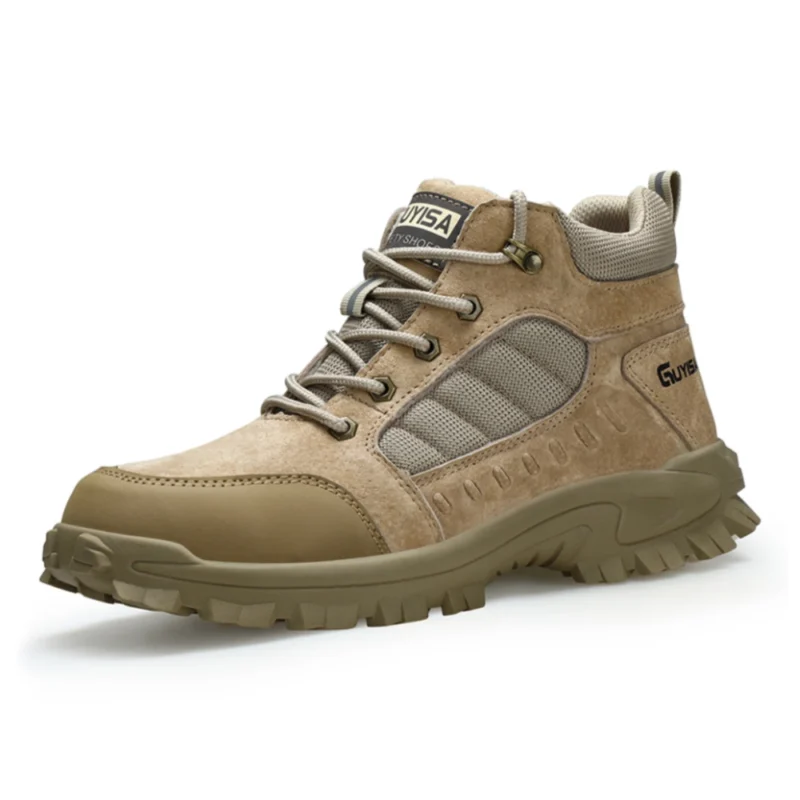
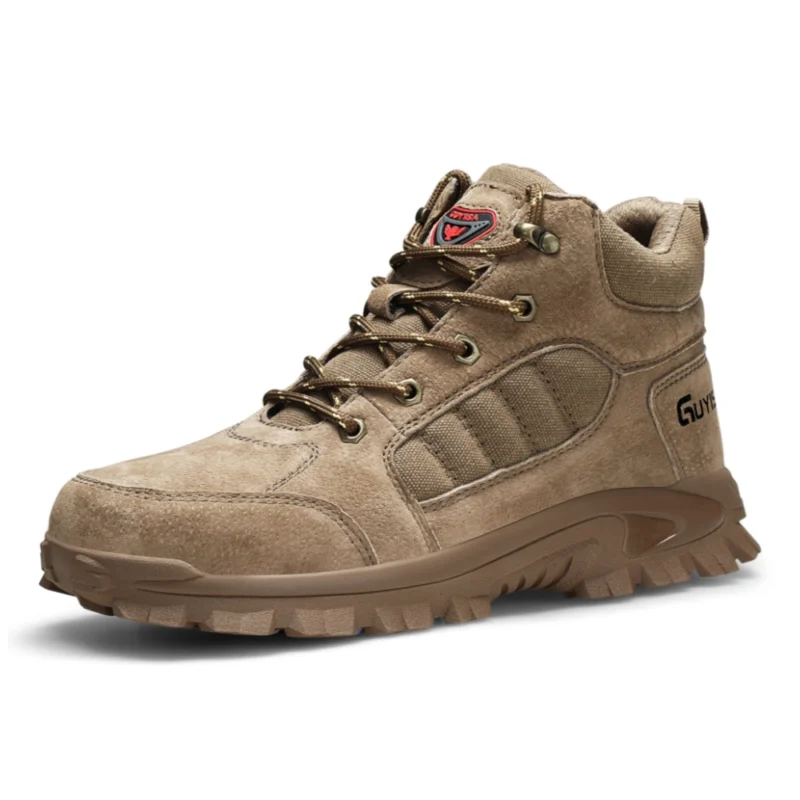
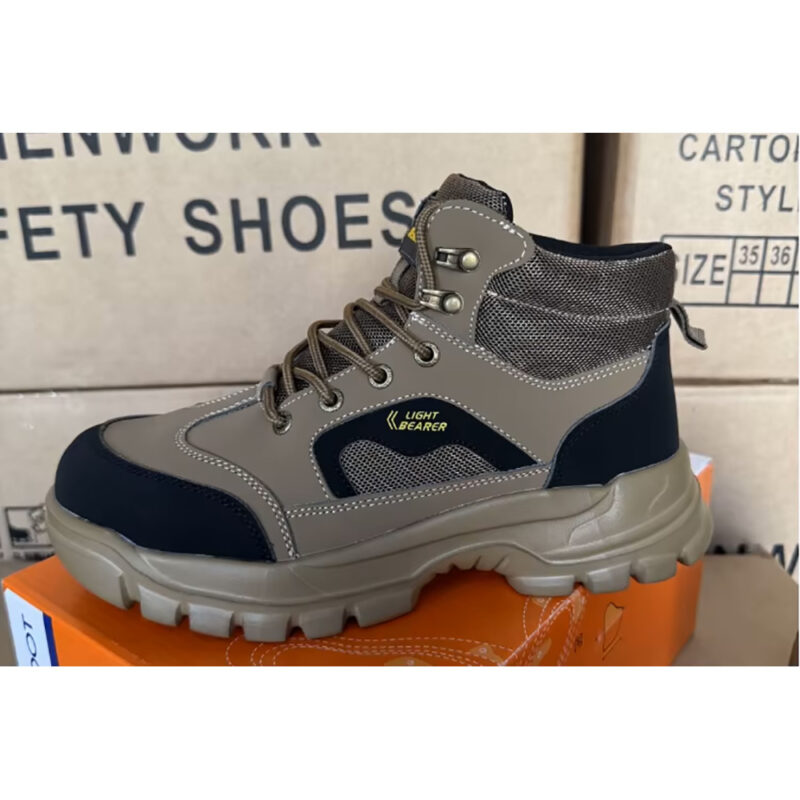
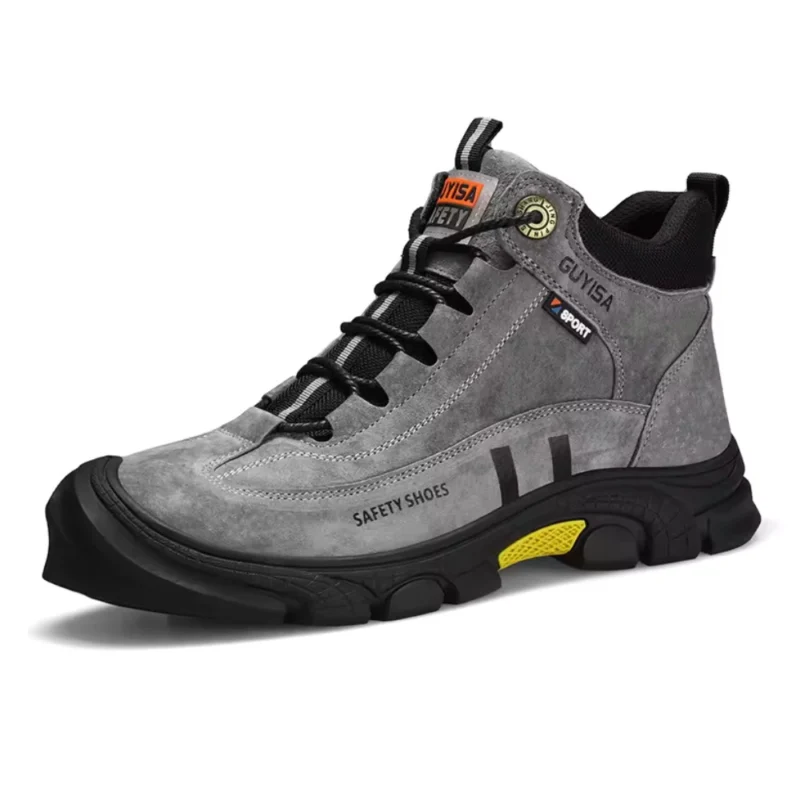
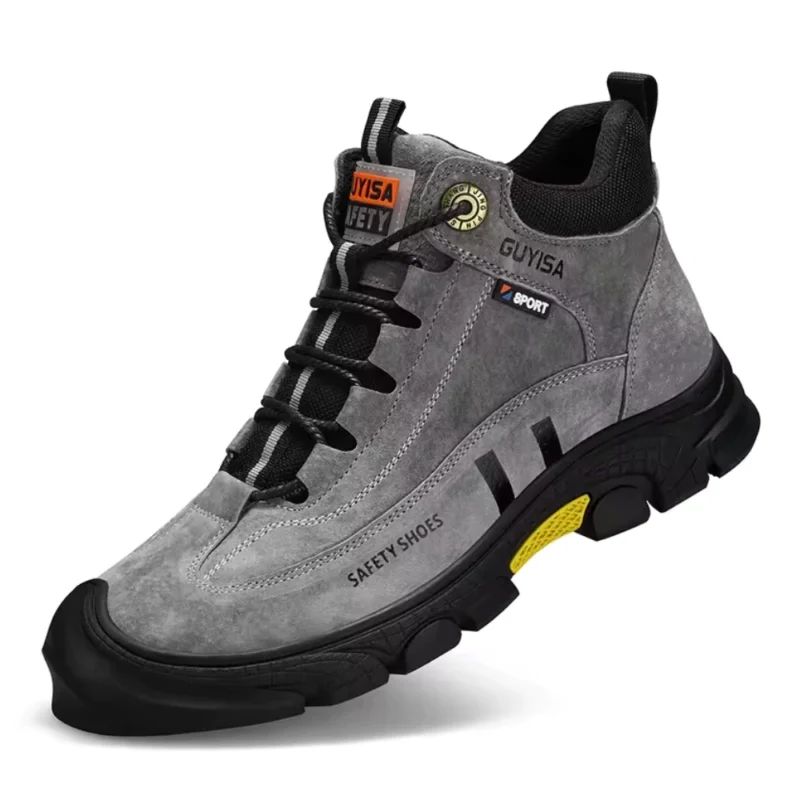
Boilermaker Boots: Professional-Grade Protection for Industrial Work
Boilermaker boots deliver critical safety features for workers in construction, welding, fabrication, and heavy industrial sectors. These specialized work boots combine multiple protective elements with ergonomic design to support professionals who operate in hazardous environments. Understanding the features and benefits of quality boilermaker footwear helps workers select boots that protect their health while improving job performance.
Safety Features in Boilermaker Boots
Protection drives every design decision in boilermaker footwear. Steel toe caps form the first line of defense against falling objects, heavy materials, and compression hazards common on construction sites. These reinforced areas meet ASTM F2413 standards, withstanding impact forces up to 75 pounds and compression loads up to 2,500 pounds.
Heat resistance separates boilermaker boots from standard work footwear. Welders and metal fabricators face constant exposure to sparks, slag, and hot surfaces. Specialized rubber compounds in the outsoles resist temperatures exceeding 300 degrees Fahrenheit. Some premium models incorporate heat-resistant leather treatments that prevent burn-through from molten metal contact.
Metatarsal guards extend protection beyond the toe area. These shields cover the top of the foot where bones remain vulnerable to dropped tools and materials. External guards attach to the boot exterior, while internal guards integrate into the boot structure for a lower profile appearance.
Electrical hazard ratings protect workers near power sources. EH-rated boilermaker boots use non-conductive materials that prevent electric current from reaching the ground through the wearer. This feature proves essential for electricians, utility workers, and construction personnel working near live circuits.
Construction Quality and Durability
Full-grain leather provides superior resistance to workplace hazards. This material withstands cuts from sharp metal edges, abrasions from rough surfaces, and punctures from protruding objects. Premium boilermaker boots use 5-6 ounce leather thickness for maximum protection without excessive weight.
Goodyear welt construction represents the gold standard in boot manufacturing. This method stitches the upper leather, insole, and outsole together through a leather strip called the welt. The process creates boots that workers can resole multiple times, dramatically extending functional lifespan and reducing long-term costs.
Reinforced stitching at high-stress points prevents premature failure. Triple-stitched seams at the toe, heel counter, and upper attachment points withstand the pulling forces that occur during climbing, kneeling, and lifting activities.
Comfort and Performance Benefits
Extended wear requires comfort features that reduce fatigue. Cushioned polyurethane insoles absorb shock from walking on concrete and climbing ladders. Contoured footbeds provide arch support that prevents foot strain during twelve-hour shifts. Removable insoles allow workers to insert custom orthotics when needed.
Moisture management keeps feet dry and healthy. Breathable linings wick perspiration away from skin, reducing blister formation and fungal growth. Some boilermaker boots incorporate Gore-Tex membranes that block external moisture while allowing internal vapor to escape.
Ankle support reduces injury risk during uneven terrain navigation. Eight-inch shaft heights stabilize the ankle joint without restricting necessary movement. Padded collars prevent pressure points and chafing around the ankle opening.
Traction and Stability
Slip-resistant outsoles feature deep lug patterns that channel away liquids and debris. Oil-resistant rubber compounds maintain grip on contaminated surfaces where standard rubber would fail. Multi-directional tread designs provide stability during lateral movements and direction changes.
Puncture-resistant plates protect against nails, metal shards, and other sharp objects. These flexible steel or composite inserts stop penetration without making the boot stiff or uncomfortable.
Quality boilermaker boots represent essential equipment for industrial professionals. The combination of safety certifications, durable construction, and comfort features enables workers to perform demanding tasks while protecting their long-term health and mobility.