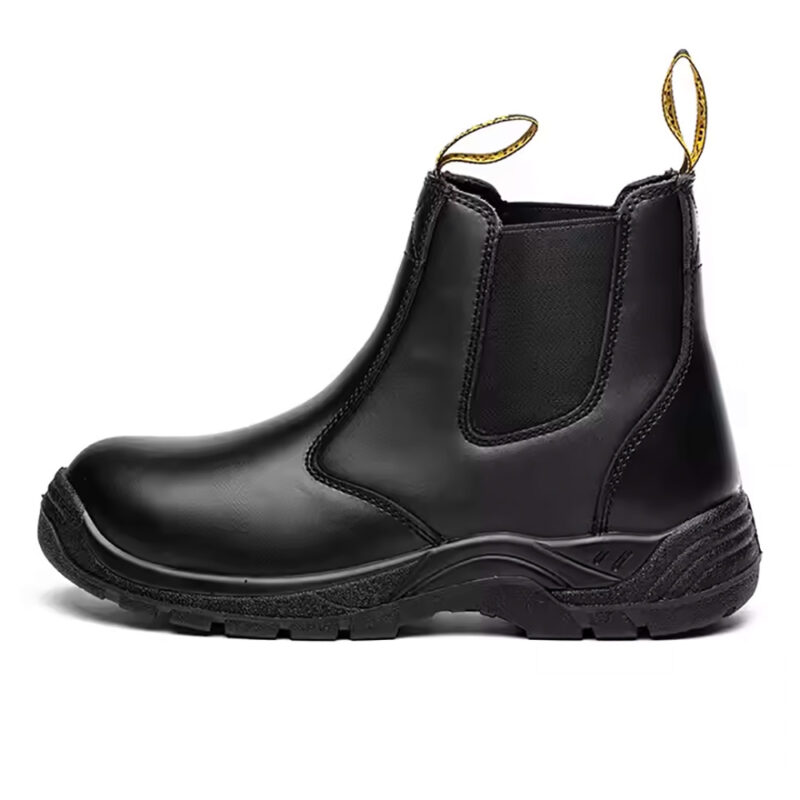
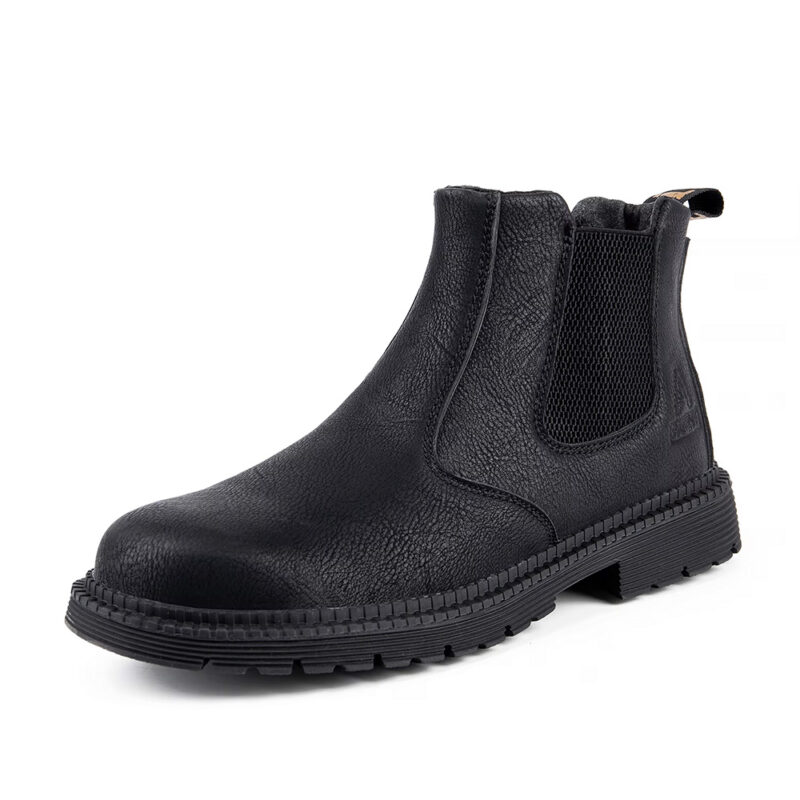
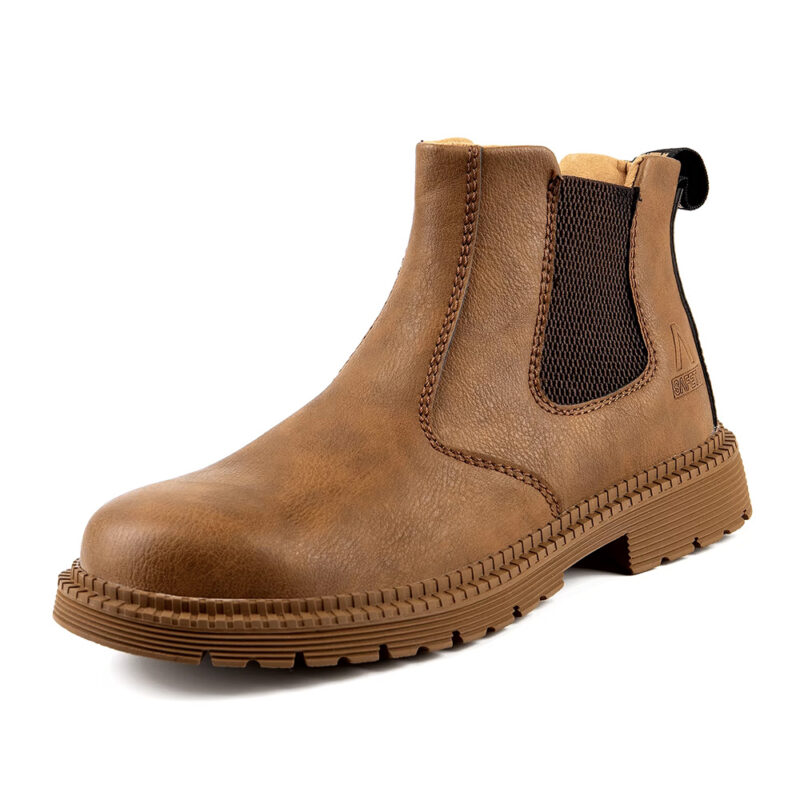
Wellhead Operator Boots: Essential Safety Footwear for Oil and Gas Professionals
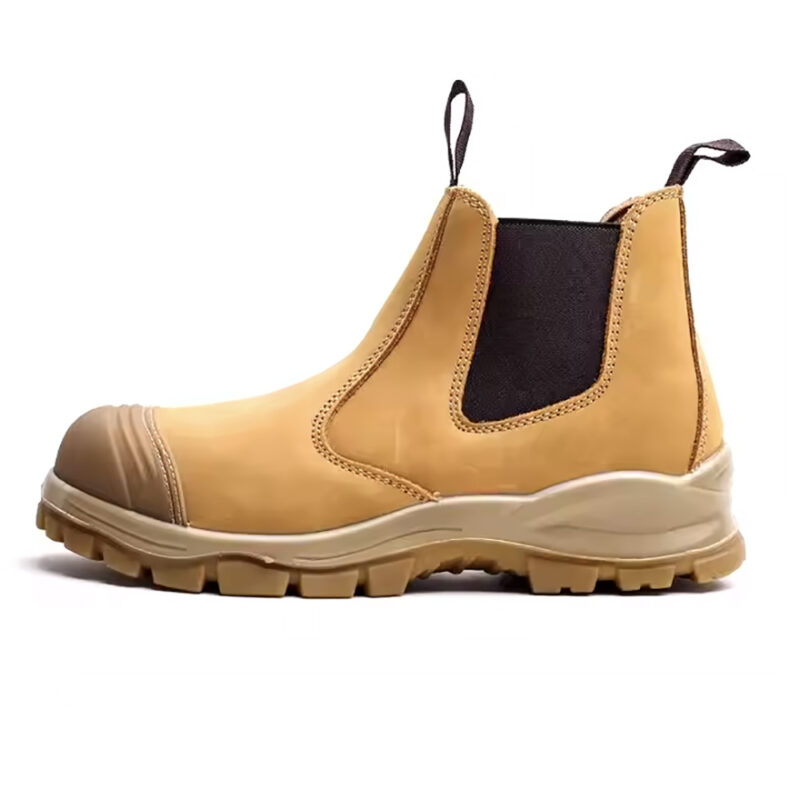
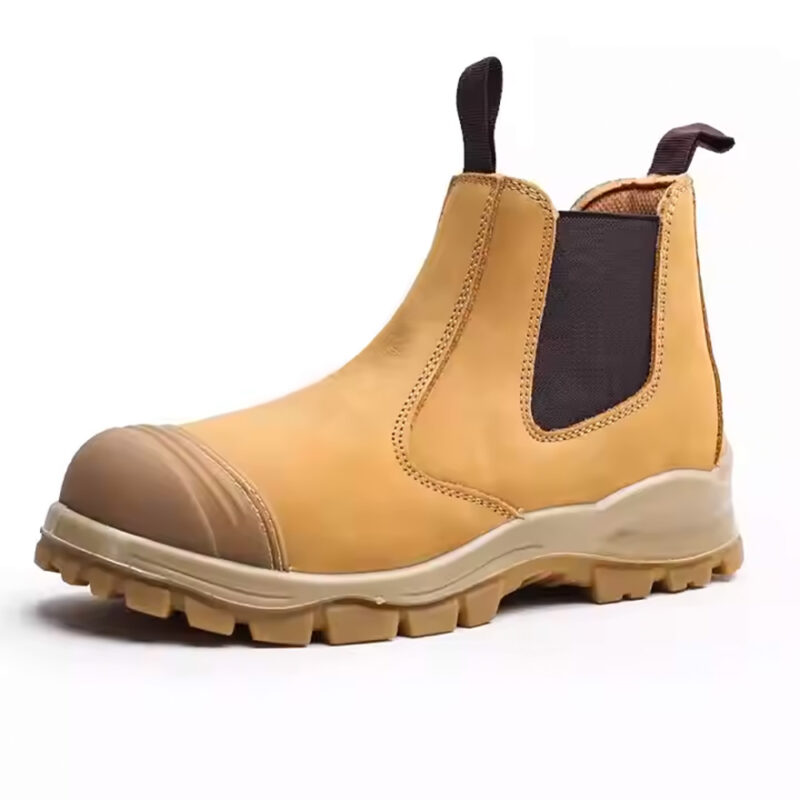
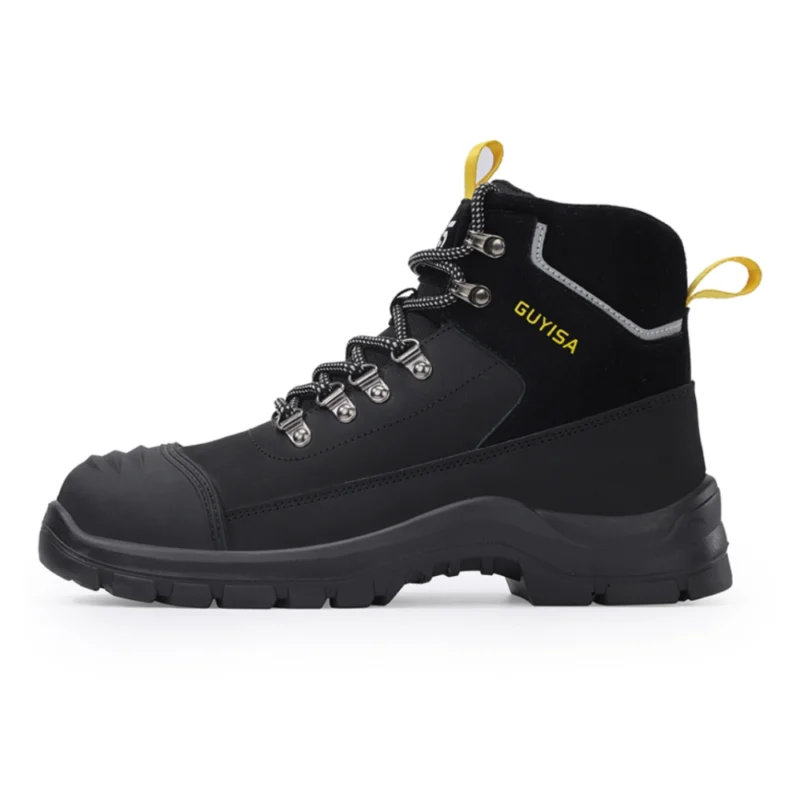
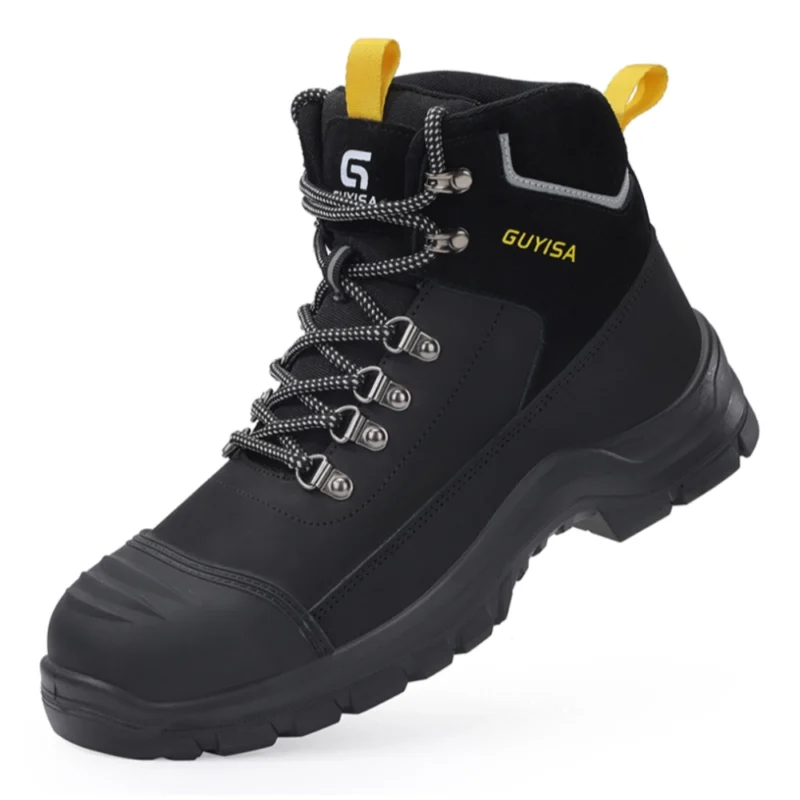
Wellhead operator boots provide critical protection for workers in oil and gas facilities who face constant hazards on drilling sites and production platforms. These specialized safety boots combine puncture-resistant soles, steel or composite toe caps, and slip-resistant outsoles to guard against falling equipment, sharp debris, and slick surfaces common in wellhead operations. Workers depend on this footwear to prevent injuries while maintaining productivity in demanding environments.
Protection Features in Wellhead Operator Shoes
Oil field professionals need footwear that withstands extreme conditions while maintaining comfort during extended shifts. Quality wellhead boots feature chemical-resistant materials that protect against petroleum products, drilling mud, and corrosive substances found throughout production sites. The boots offer electrical hazard protection to prevent shock injuries near high-voltage equipment and underground cables. Waterproof construction keeps feet dry during wet conditions, while breathable linings prevent overheating in hot climates common to many drilling locations.
Steel toe caps meet ASTM safety standards for impact and compression resistance, protecting feet from dropped tools, pipe sections, and heavy equipment. Composite toe alternatives provide equivalent protection with lighter weight, reducing fatigue for workers who walk several miles daily across rig floors and wellhead locations. Both options maintain their protective qualities in temperature extremes that range from freezing winter conditions to desert heat.
Comfort and Performance in Wellhead Operator Boots
Leading manufacturers design these boots with reinforced shanks for ankle support on uneven terrain and ladder climbing. Anti-fatigue technology in the footbeds reduces stress during long periods of standing and walking across rig floors. Memory foam insoles conform to individual foot shapes, distributing pressure evenly and minimizing discomfort during 12-hour shifts. Many models include metatarsal guards for additional front-foot protection against dropped pipes and tools.
Slip-resistant outsoles feature deep treads that maintain grip on oil-contaminated surfaces, wet metal grating, and muddy ground around wellheads. Heat-resistant rubber compounds handle contact with hot surfaces near pumps and steam lines without melting or degrading. The outsoles resist cuts from sharp rocks and metal debris that litter drilling sites.
Selecting the Right Wellhead Safety Footwear
Workers select boots based on specific site requirements and safety certifications. Companies often mandate certain protection levels depending on job duties and exposure risks. Roughnecks working on drill floors need maximum impact protection and metatarsal guards. Operators monitoring wellhead equipment may prioritize comfort and electrical hazard protection over heavy-duty construction.
Side-zip designs allow quick removal in emergency situations, while pull-on styles offer simplicity and fewer parts that can fail. Some models include reflective strips for visibility during night operations when crews work under artificial lighting. Height variations range from 6-inch models for lighter duty work to 10-inch boots that provide additional ankle support and protection from debris.
Maintenance and Longevity
Proper care extends the service life of wellhead operator boots. Workers clean boots regularly to remove corrosive chemicals and inspect them for damage that could compromise protection. Replacing worn outsoles before they lose grip prevents slip injuries. Quality boots from established safety footwear manufacturers typically last 6-12 months under constant use before requiring replacement.
Investing in quality safety footwear protects employees and reduces downtime from workplace accidents. The right wellhead operator boots reduce fatigue, prevent injuries, and improve worker productivity in demanding conditions, making them a critical component of personal protective equipment in the oil and gas industry.