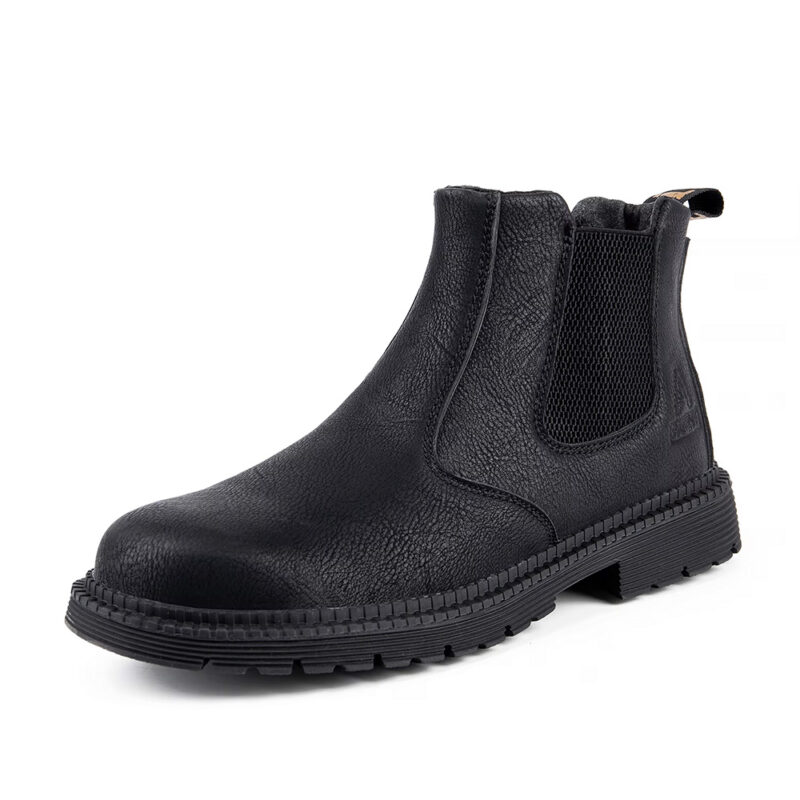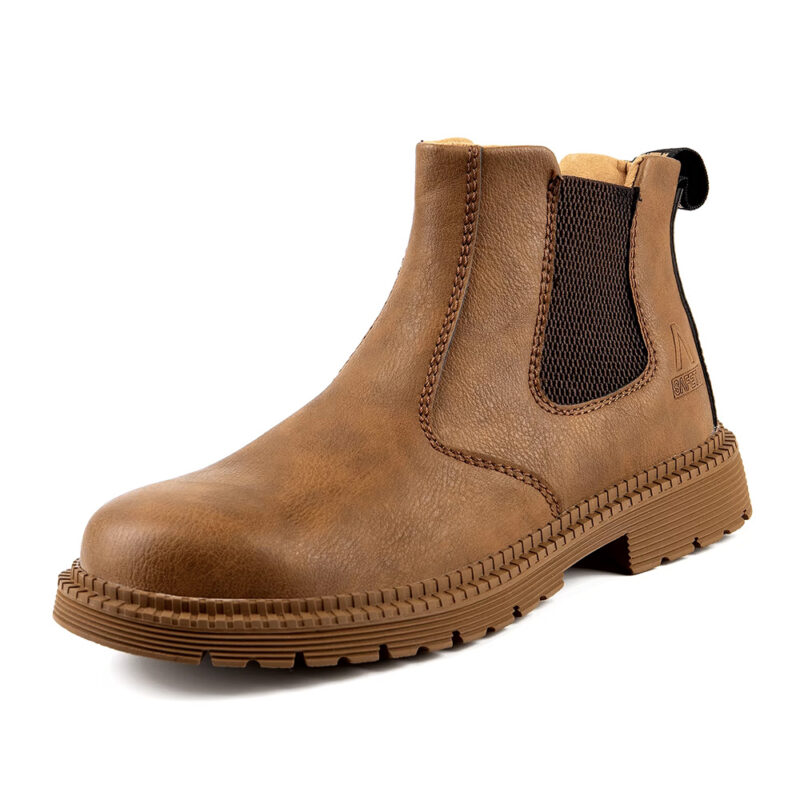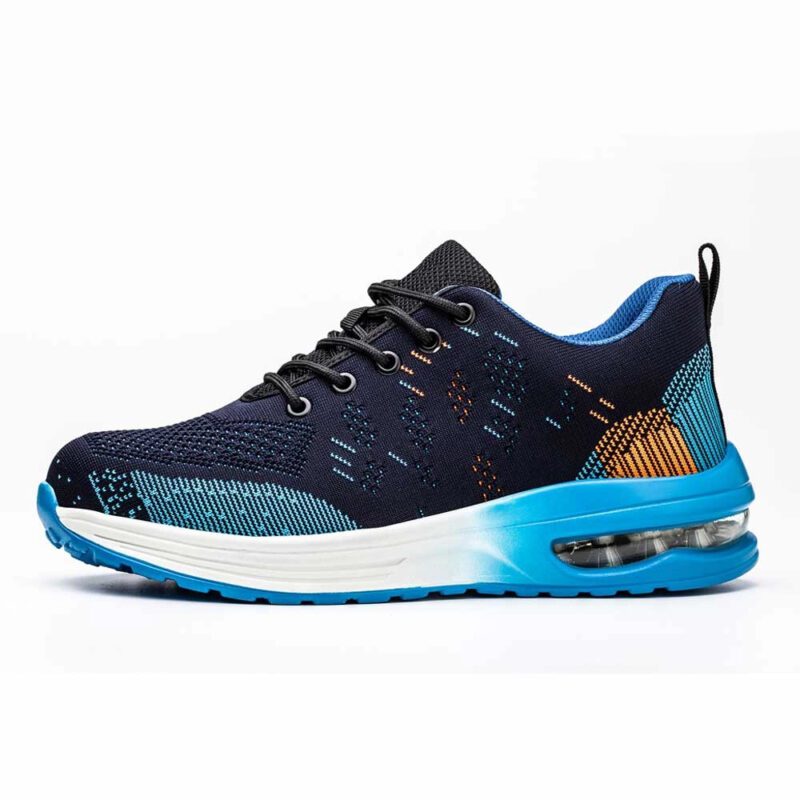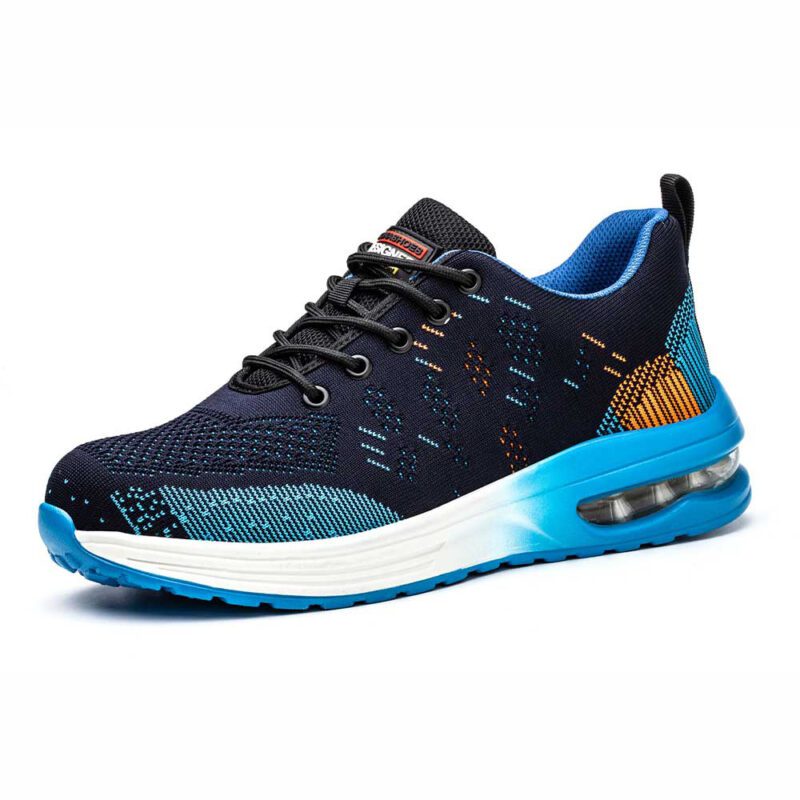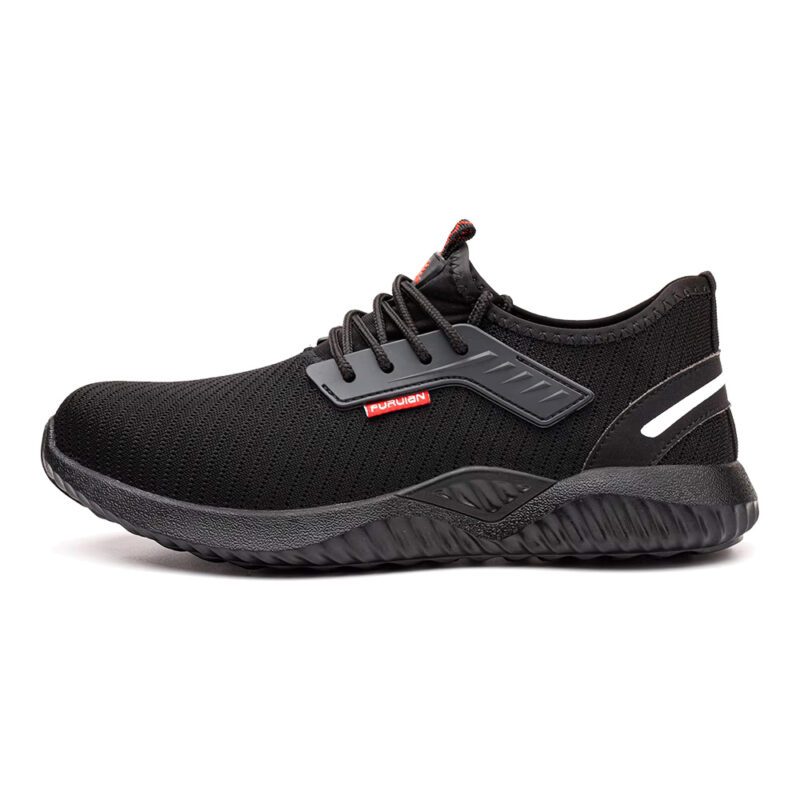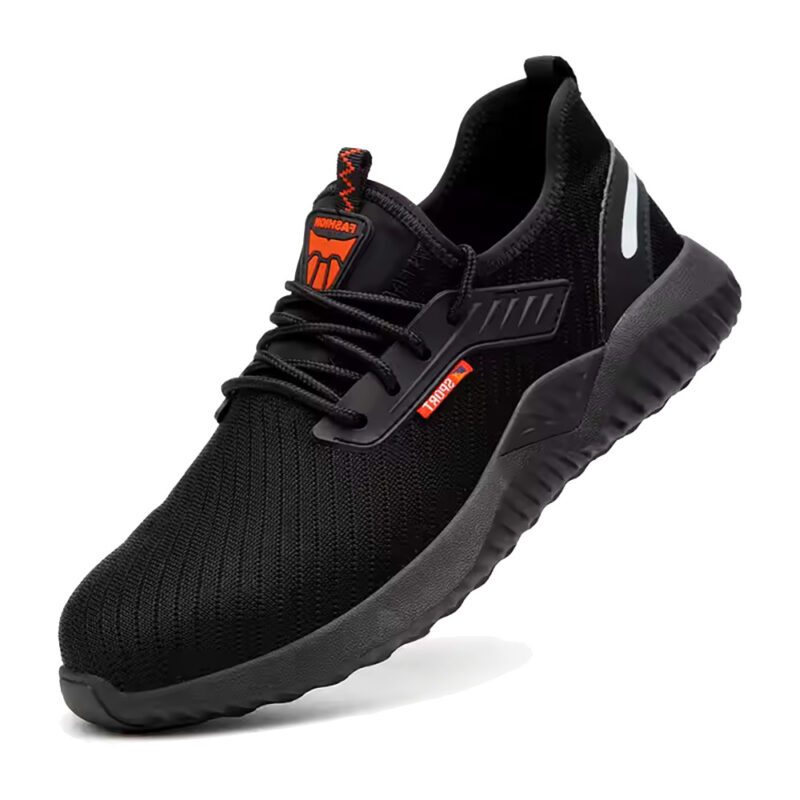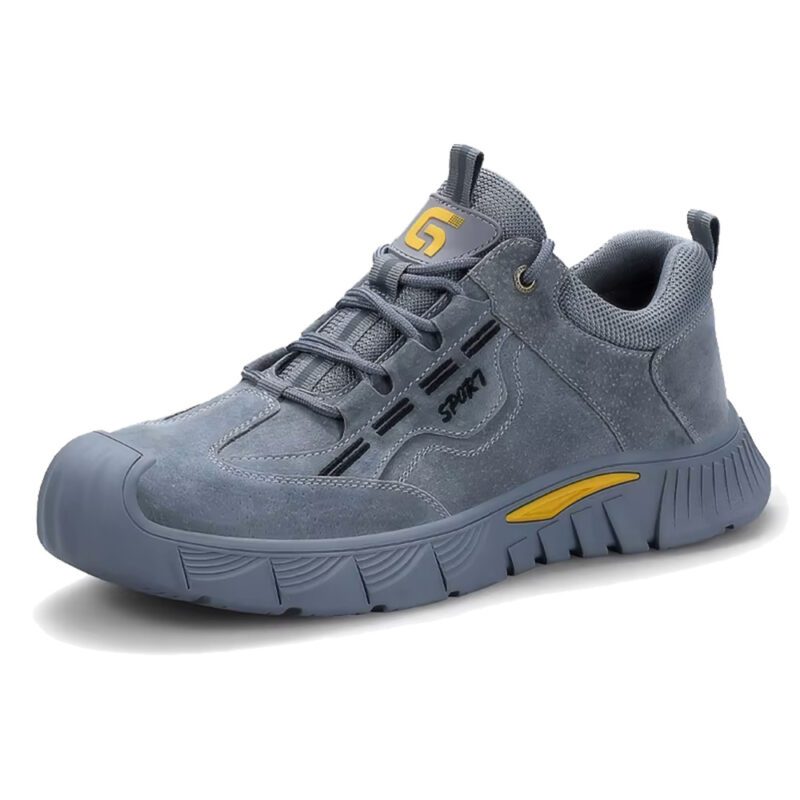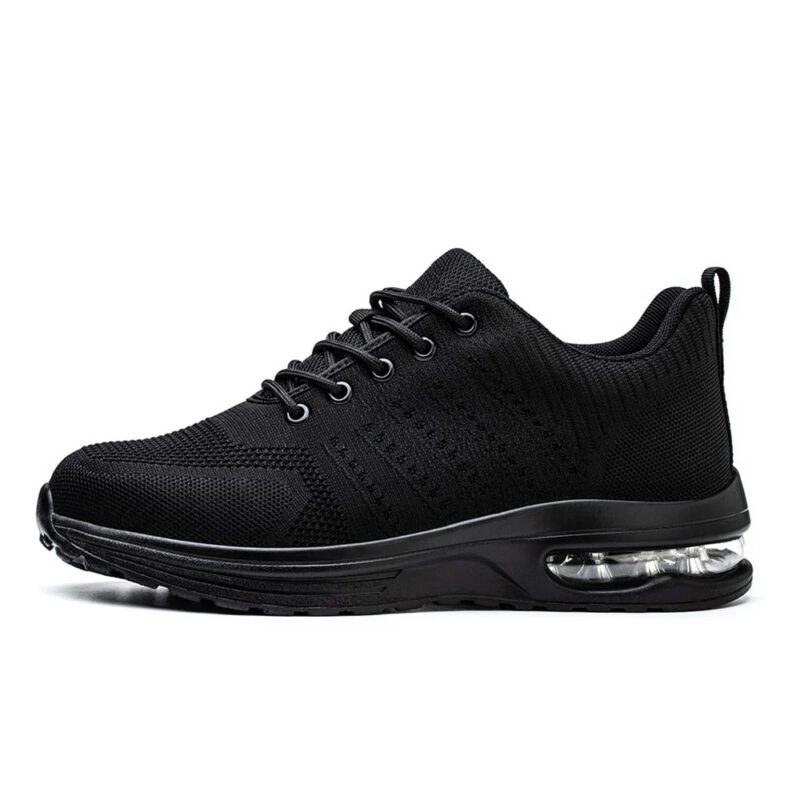
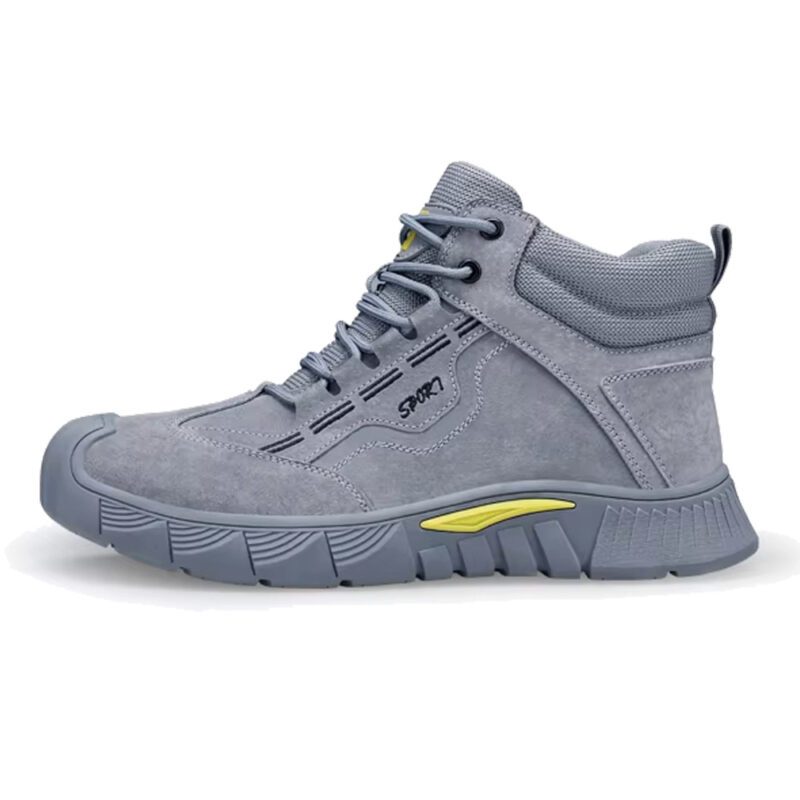
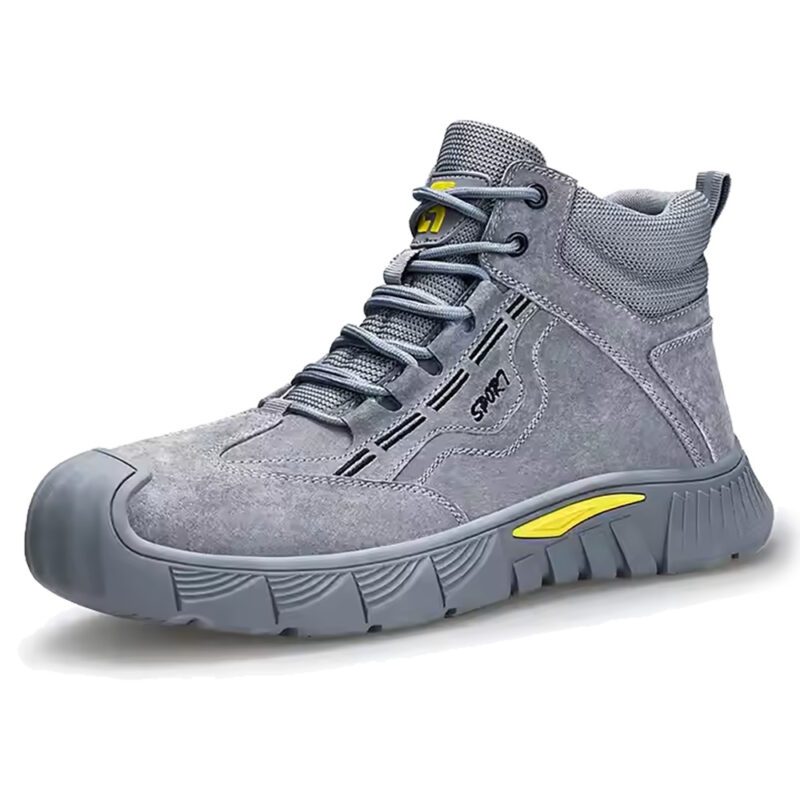
Crop harvester boots and shoes provide essential protection for workers in agricultural environments where safety and comfort directly impact productivity. These specialized footwear options combine steel toe caps, puncture-resistant midsoles, and slip-resistant outsoles to shield feet from common hazards including sharp tools, heavy machinery, and uneven terrain. Workers who spend long hours in fields and processing areas require boots that prevent injuries while supporting extended periods of standing and walking.
Quality crop harvester footwear features water-resistant materials that keep feet dry during early morning dew exposure and wet conditions. The outsoles use aggressive tread patterns that maintain traction on muddy surfaces, slippery grass, and debris-covered ground. Many models include ankle support that reduces strain during repetitive movements and helps prevent twisting injuries on irregular surfaces.
Temperature regulation matters significantly during harvest seasons when workers face varying weather conditions. Advanced designs incorporate breathable linings that manage moisture while maintaining protection standards. This ventilation prevents excessive sweating that leads to discomfort and blisters during demanding shifts.
Durability stands as a primary concern since agricultural work exposes footwear to chemicals, oils, and constant abrasion. Premium crop harvester boots use reinforced stitching, thick leather uppers, and chemical-resistant materials that extend product lifespan. These construction methods reduce replacement frequency and provide consistent protection throughout intensive harvest periods.
Proper fit ensures maximum safety and comfort during agricultural operations. Boots should allow enough room for thick socks without causing excess movement that creates friction points. Workers benefit from trying multiple sizes and styles to identify options that match their specific foot shape and job requirements.
Investing in appropriate crop harvester footwear protects against workplace injuries while improving overall job performance. The combination of safety features, comfort elements, and durable construction makes these boots essential equipment for agricultural professionals.
Crop Harvester Boots: Essential Protection for Agricultural Workers
Crop harvester boots and shoes provide critical protection for agricultural professionals who face multiple hazards during planting, maintenance, and harvest operations. These specialized work boots combine safety features with practical design elements that address the unique challenges of fieldwork. Workers depend on quality footwear to prevent injuries from sharp implements, falling objects, and unpredictable terrain while maintaining comfort during extended shifts.
Agricultural environments present distinct risks that standard footwear cannot adequately address. Heavy machinery, sharp pruning tools, and unstable ground conditions require boots with reinforced toe caps and puncture-resistant soles. Crop harvester shoes meet these demands through construction methods that prioritize both protection and functionality.
Key Safety Features in Crop Harvester Footwear
Steel toe caps form the primary defense against impact injuries from dropped equipment or rolling machinery. These reinforced sections distribute force across the boot structure rather than concentrating pressure on vulnerable toes. Composite toe alternatives offer similar protection with reduced weight for workers who prefer lighter footwear options.
Puncture-resistant midsoles prevent sharp objects from penetrating through boot soles during fieldwork. Nails, thorns, and metal debris frequently hide in soil and crop residue where they pose serious injury risks. Quality midsoles use steel plates or advanced synthetic materials that stop penetration while maintaining flexibility for natural foot movement.
Slip-resistant outsoles incorporate deep tread patterns that grip wet grass, mud, and slick surfaces common in agricultural settings. The rubber compounds resist degradation from oils and chemicals that workers encounter during equipment operation and crop treatment applications. This traction reduces fall risks that lead to serious workplace injuries.
Comfort and Performance During Long Work Days
Extended hours in fields demand boots that support feet without causing fatigue or pain. Crop harvester boots feature cushioned insoles that absorb shock from walking on hard ground and repetitive movements. Arch support maintains proper foot alignment and prevents strain that accumulates during long shifts.
Ankle support helps workers maintain stability on uneven terrain where twisted ankles represent common injuries. High-top designs provide this stability while allowing sufficient movement for climbing, bending, and operating machinery. The added support reduces muscle fatigue in lower legs during physically demanding tasks.
Weather Resistance and Material Selection
Water-resistant leather and synthetic materials keep feet dry during morning dew exposure and rainy conditions. Moisture penetration leads to discomfort, blisters, and reduced thermal protection during cold weather operations. Quality materials repel water while allowing internal moisture to escape through breathable linings.
Chemical resistance protects boots from pesticides, fertilizers, and fuel products that workers handle regularly. Specialized treatments and material selection prevent degradation that shortens footwear lifespan. This resistance maintains protective qualities throughout seasons of intensive agricultural work.
Durability and Long-Term Value
Agricultural work subjects boots to constant abrasion, exposure to harsh substances, and mechanical stress. Premium crop harvester footwear uses thick leather uppers, reinforced stitching, and replaceable components that extend usable life. Double and triple-stitched seams prevent separation at stress points where inferior boots fail quickly.
Investing in quality crop harvester boots and shoes reduces long-term costs while ensuring consistent protection. Proper selection based on specific job requirements and work conditions maximizes both safety and comfort for agricultural professionals.