What Is the Most Comfortable Work Boot?

Understanding Work Boot Comfort
Comfort in work boots comes from three core elements: fit, support, and cushioning. A boot must distribute weight evenly across your foot. It needs to protect your feet from impact and fatigue during long shifts. The right work boot prevents pain in your feet, knees, and back.
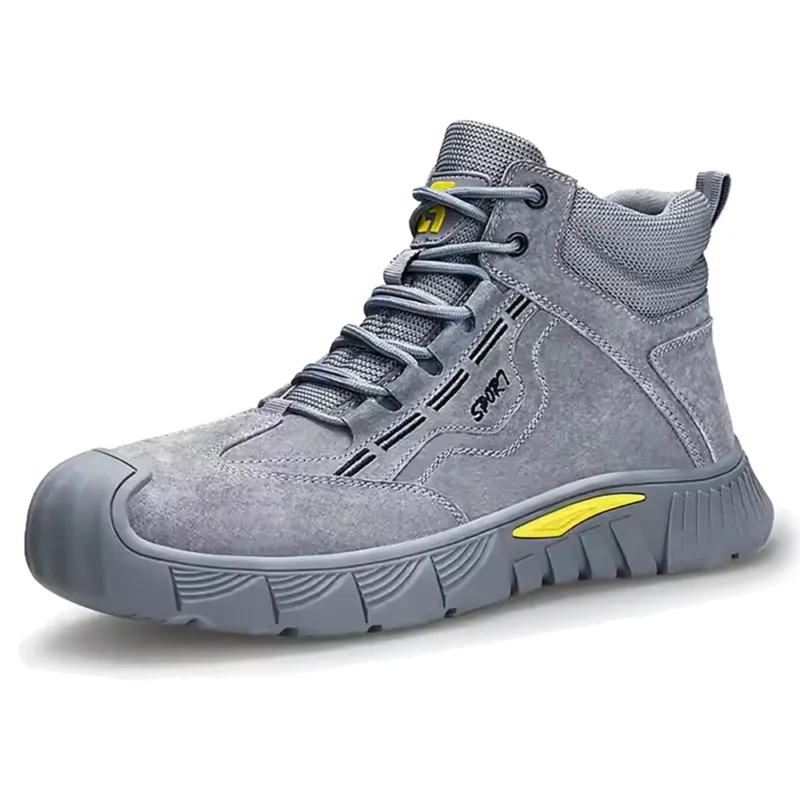
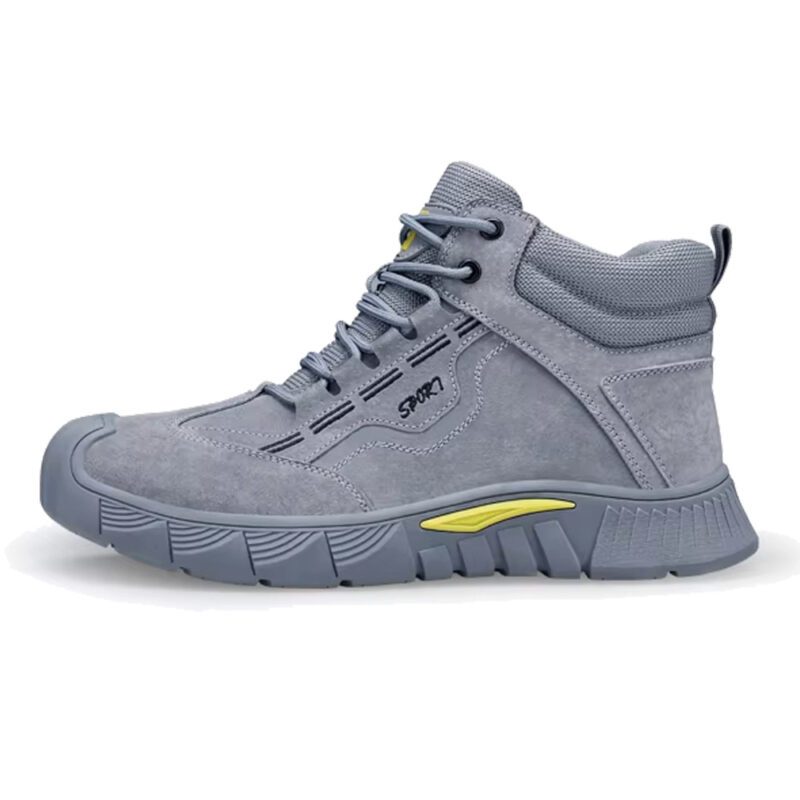
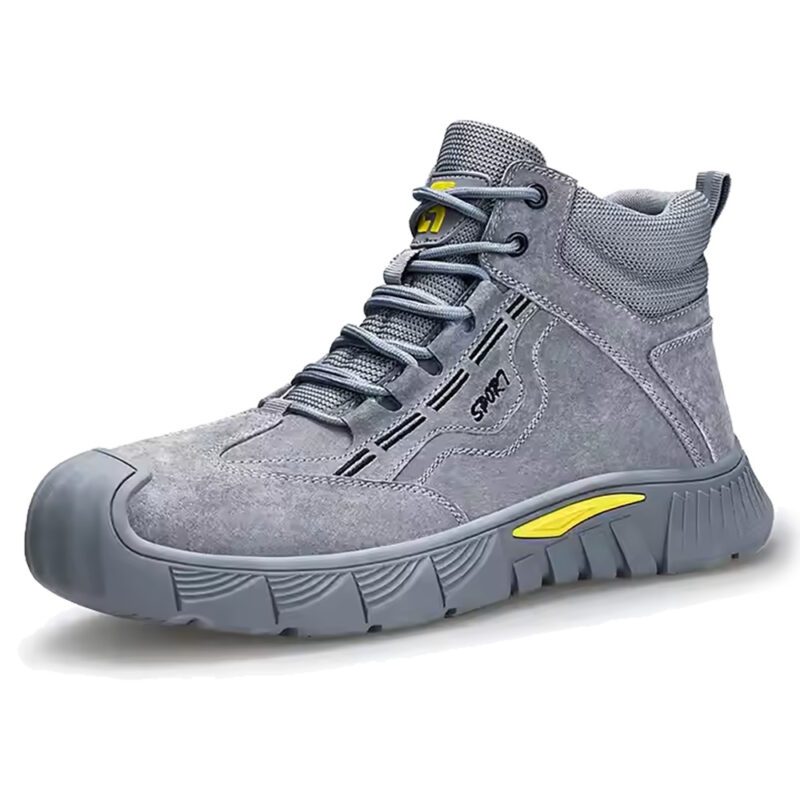
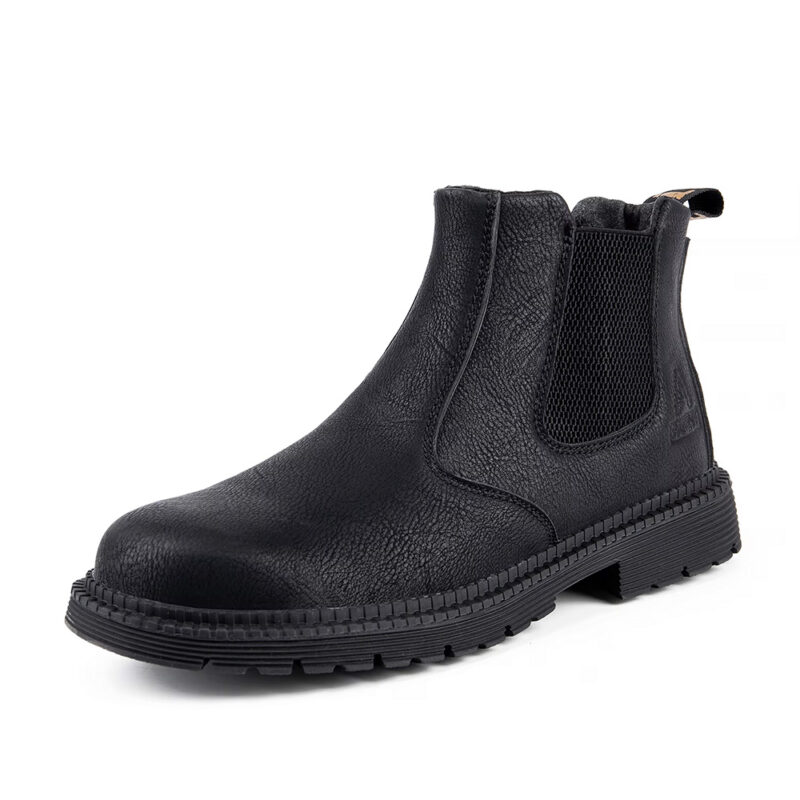
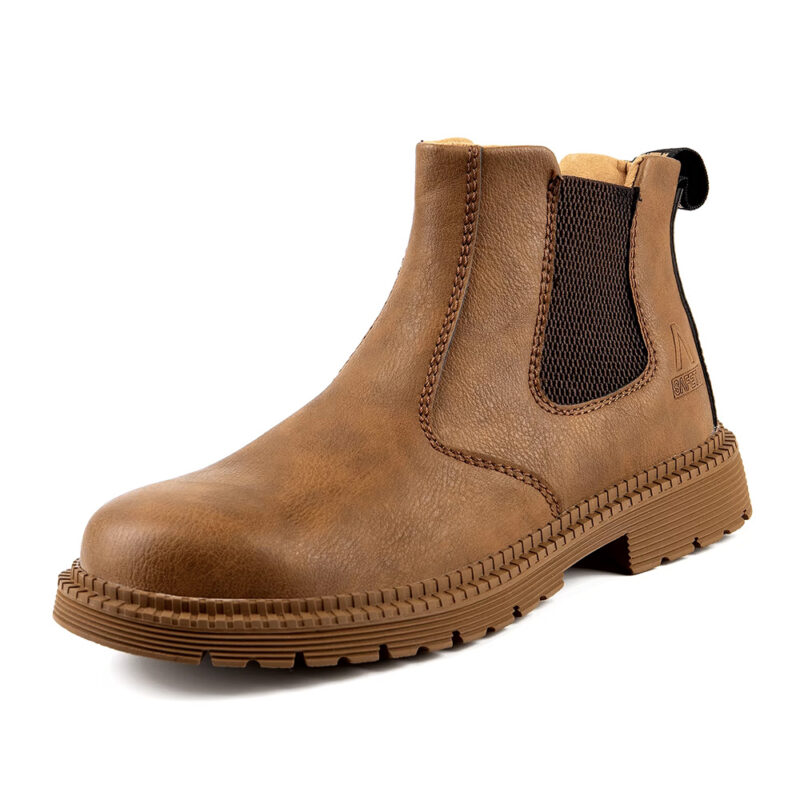
When your workday involves heavy machinery, falling objects, and unforgiving terrain, the Birks Defender Kevlar Steel Toe Safety Work Boots stand ready to protect you through it all. These boots deliver the exceptional durability, reliable protection, and all-day comfort you need to tackle any challenge and get the job done right, every single time.
The most comfortable work boot varies by individual foot shape and work environment. A construction worker needs different features than a warehouse employee. Your foot arch, width, and any existing conditions affect which boot works best.
The Evolution of Work Boot Comfort Technology
Work boots have changed dramatically since the early 1900s. Original designs focused only on protection. They used thick leather and steel components. Workers tolerated discomfort for safety.
The 1960s brought the first cushioned insoles to work boots. Manufacturers added basic foam padding. This marked the beginning of comfort-focused design.
Modern work boots use advanced materials. EVA foam (ethylene-vinyl acetate) appeared in the 1980s. This lightweight material absorbs shock better than rubber. Polyurethane midsoles followed, offering superior energy return.
The 2000s introduced memory foam technology to work boots. This material molds to your foot shape. It provides customized support for each wearer.
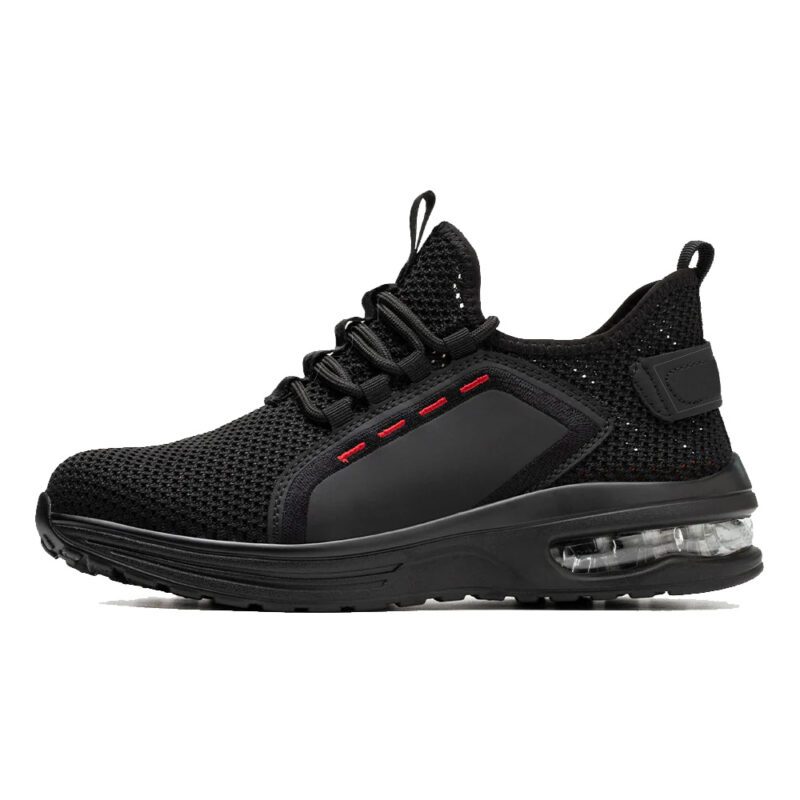
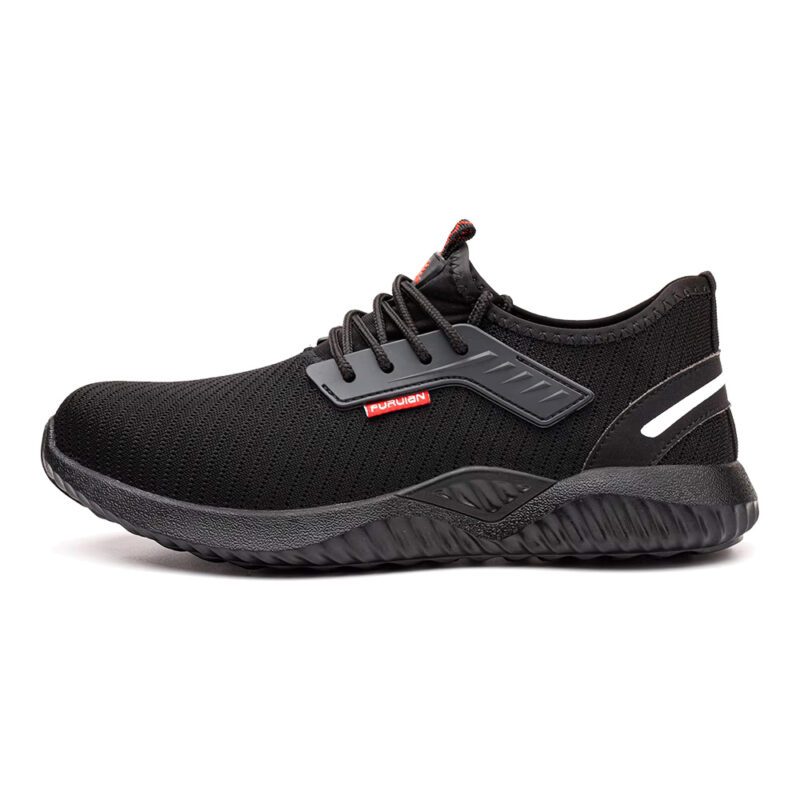
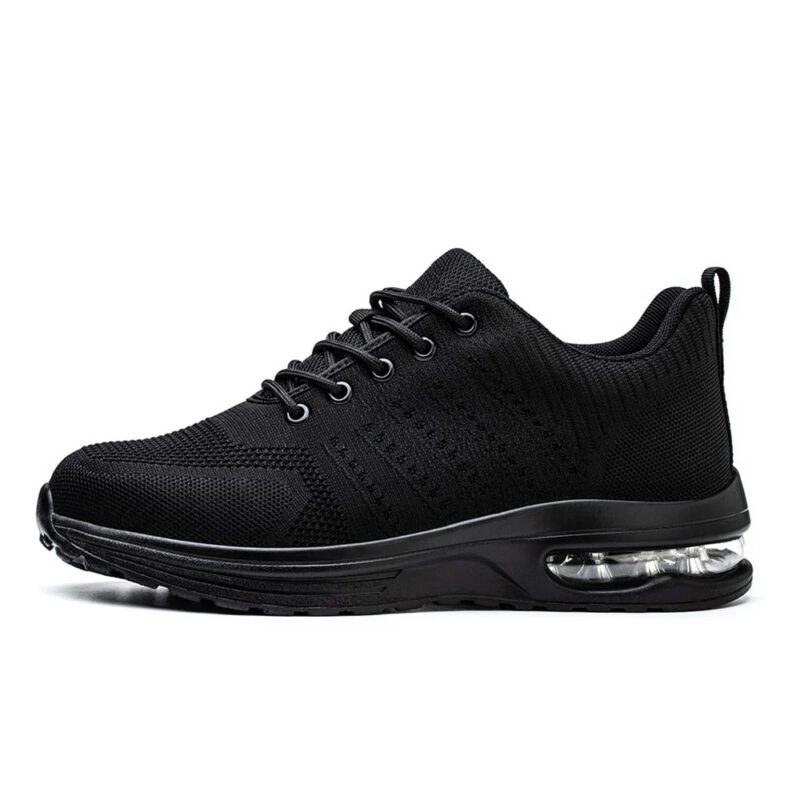
Today’s premium work boots use gel cushioning systems. These distribute pressure across your entire foot. Some brands incorporate air-cushioned soles similar to athletic shoes.
Key Features of the Most Comfortable Work Boots
Cushioning and Shock Absorption
Midsole technology determines how much impact your feet endure. The best work boots use multi-layer midsoles. A soft top layer provides immediate comfort. A firm bottom layer offers stability and support.
Heel cushioning matters most. Your heel strikes the ground with force equal to three times your body weight. Quality boots place extra padding in the heel area.
Look for these cushioning materials:
- EVA foam: Lightweight and flexible
- Polyurethane: Dense and long-lasting
- Memory foam: Conforms to foot shape
- Gel inserts: Reduces pressure points
- Air pockets: Provides responsive cushioning
Arch Support Systems
Your arch carries significant weight during standing and walking. Poor arch support causes plantar fasciitis and knee pain.
The most comfortable work boots offer three arch support levels:
- Low arch (flat feet): Needs firm, straight support
- Medium arch: Requires moderate contouring
- High arch: Benefits from extra cushioning under the arch
Removable insoles let you customize support. You can replace stock insoles with orthotic inserts. This feature adds value for workers with specific foot conditions.
Weight Distribution
Heavy boots cause fatigue. Modern comfortable work boots weigh between 2 to 3.5 pounds per boot. Lighter boots reduce energy expenditure during your shift.
Composite toe caps replace steel toes in many comfortable boots. They offer the same protection at 30% less weight. Composite materials also insulate better against temperature extremes.
Breathability and Moisture Management
Your feet produce half a pint of sweat daily. Trapped moisture creates friction and blisters. It also encourages bacterial growth and odor.
Comfortable work boots use moisture-wicking linings. These materials pull sweat away from your skin. Common technologies include:
- Mesh panels: Allow air circulation
- Perforated insoles: Let air flow beneath the foot
- Antimicrobial treatments: Prevent odor-causing bacteria
- Waterproof-breathable membranes: Keep water out while releasing vapor
Fit and Last Shape
The last is the form manufacturers use to shape boots. It determines the boot’s internal volume and toe box shape.
Three last types exist:
- Straight last: Best for flat feet
- Semi-curved last: Suits most foot shapes
- Curved last: Fits high arches
The toe box should allow your toes to spread naturally. Cramped toes cause numbness and nail damage. A comfortable boot provides at least half an inch of space beyond your longest toe.
Comparing Top Comfort Features
| Feature | Impact on Comfort | Best For | Typical Cost Addition |
|---|---|---|---|
| Memory Foam Insole | Immediate cushioning | All-day standing | $20-40 |
| Composite Toe | Reduced weight | Mobile workers | $30-50 |
| Gel Heel Cushion | Shock absorption | Hard surfaces | $25-45 |
| Moisture-Wicking Lining | Blister prevention | Hot environments | $15-30 |
| Metatarsal Guard | Pressure relief | Heavy lifting | $40-60 |
When your workday involves heavy machinery, falling objects, and unforgiving terrain, the Birks Defender Kevlar Steel Toe Safety Work Boots stand ready to protect you through it all. These boots deliver the exceptional durability, reliable protection, and all-day comfort you need to tackle any challenge and get the job done right, every single time.
Work Boot Materials and Comfort
Leather Types
Full-grain leather offers durability but requires break-in time. It stiffens initially but molds to your foot over weeks.
Nubuck leather provides softness from day one. It feels more comfortable immediately but shows wear faster.
Synthetic leather weighs less than genuine leather. It needs no break-in period. However, it breathes poorly and retains heat.
Sole Construction Methods
Cement construction glues the sole to the upper. This method creates flexible, lightweight boots. They feel comfortable immediately but wear out faster.
Goodyear welt construction stitches the sole to the upper. This traditional method produces stiff boots initially. After break-in, they offer superior comfort and last longer.
Direct-attach construction molds the sole to the upper. It creates a permanent bond without gaps. This method delivers excellent cushioning and waterproofing.
Sizing for Maximum Comfort
Work boots fit differently than casual shoes. Follow these steps to find your correct size:
- Measure your feet in the afternoon. Feet swell during activity. Afternoon measurements reflect your maximum foot size.
- Wear your work socks. Thick socks change your boot size by half to a full size.
- Check width as well as length. Work boot widths range from B (narrow) to EEE (extra wide). A properly wide boot prevents side pinching.
- Test heel slip. Your heel should lift slightly when walking but not slide up and down excessively.
- Walk on an incline. Your toes should not touch the boot front when walking downhill.
Most people need a half size larger in work boots than in athletic shoes. Steel and composite toes reduce internal space. Account for this when selecting your size.
Break-In Strategies for Optimal Comfort
New work boots need 20 to 40 hours of wear to reach peak comfort. Speed up this process:
- Wear boots for 2-3 hours initially. Gradually increase duration over two weeks.
- Use leather conditioner on leather boots. This softens stiff areas and prevents cracking.
- Apply moleskin to hot spots. Cover areas that rub before blisters form.
- Flex the soles manually. Bend boots back and forth to loosen materials.
- Target problem areas with a boot stretcher. These tools expand tight spots.
Composite toe boots need minimal break-in time. Full-grain leather boots with Goodyear welt construction require the longest adjustment period.
Maintenance for Lasting Comfort
Work boots lose comfort features over time. Regular maintenance preserves cushioning and support:
Clean boots weekly. Remove dirt and debris that compress cushioning materials. Use a soft brush and mild soap.
Replace insoles every 6 months. Insole foam breaks down from compression. New insoles restore cushioning and support.
Rotate between two pairs. This allows materials to decompress and dry fully between uses.
Apply leather conditioner monthly. This keeps leather supple and prevents stiffness.
Inspect for wear patterns. Uneven sole wear indicates alignment issues. Address these with orthotic inserts.
Dry boots properly after exposure to moisture. Remove insoles and stuff boots with newspaper. Never use direct heat sources.
Selecting Your Most Comfortable Work Boot
Follow this decision process:
- Identify your primary work surface. Concrete requires maximum cushioning. Uneven terrain needs stability features.
- Determine required safety features. Match ASTM ratings to your workplace hazards.
- Assess your foot characteristics. Know your arch type, width, and any medical conditions.
- Set a realistic budget. Quality comfortable work boots cost $120 to $250.
- Read reviews from workers in your field. They face similar conditions and demands.
- Try boots in person when possible. Online purchases should offer free returns.
- Plan for a break-in period. Even the most comfortable boots need adjustment time.
The most comfortable work boot protects your feet without causing fatigue or pain. It uses modern materials to cushion impacts and support your natural stride. The right boot for you matches your specific foot shape and work environment.
Visit Birks Boots to explore options that combine safety, durability, and advanced comfort features. Your feet carry you through demanding shifts. They deserve boots engineered for all-day comfort.
When your workday involves heavy machinery, falling objects, and unforgiving terrain, the Birks Defender Kevlar Steel Toe Safety Work Boots stand ready to protect you through it all. These boots deliver the exceptional durability, reliable protection, and all-day comfort you need to tackle any challenge and get the job done right, every single time.