Are Timberlands Work Boots?

Understanding Timberland’s Work Boot Heritage
Timberland started as a work boot company in 1973. The brand built its reputation on the iconic Yellow Boot, designed for construction workers and manual laborers. This boot featured waterproof leather, a padded collar, and a lug sole for grip on job sites.
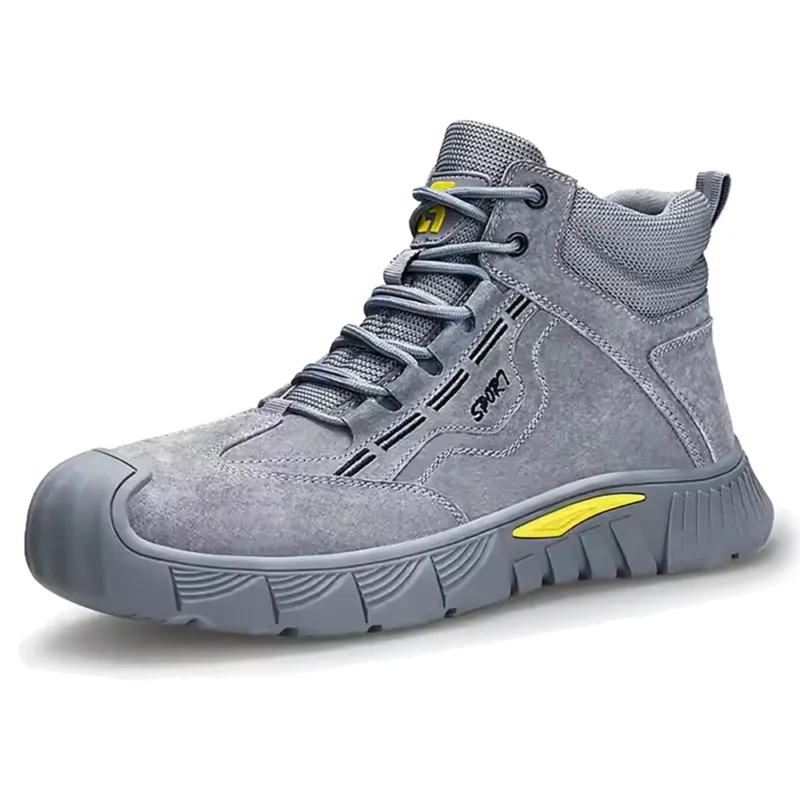
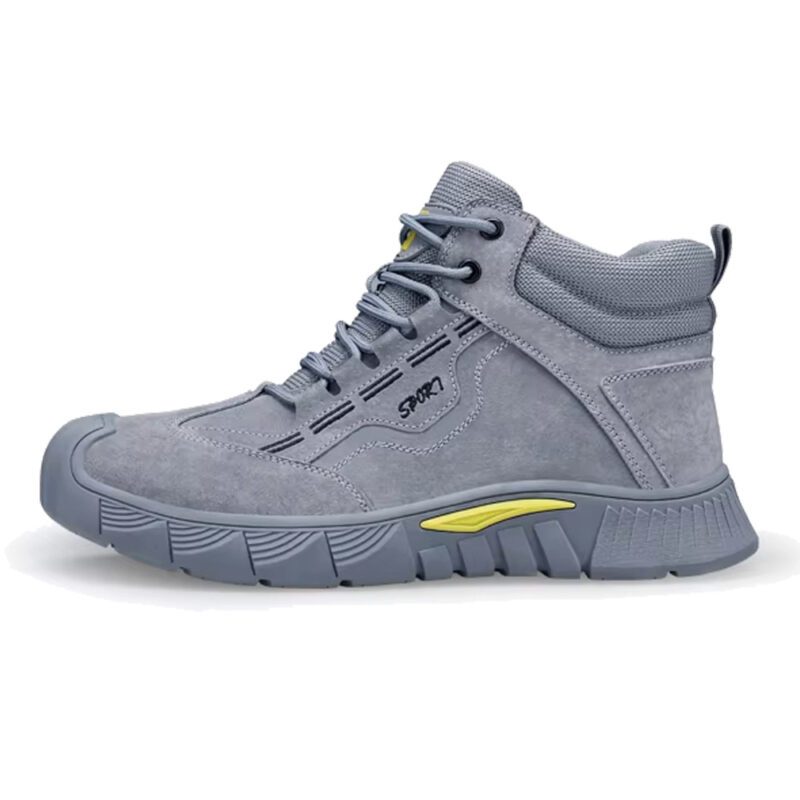
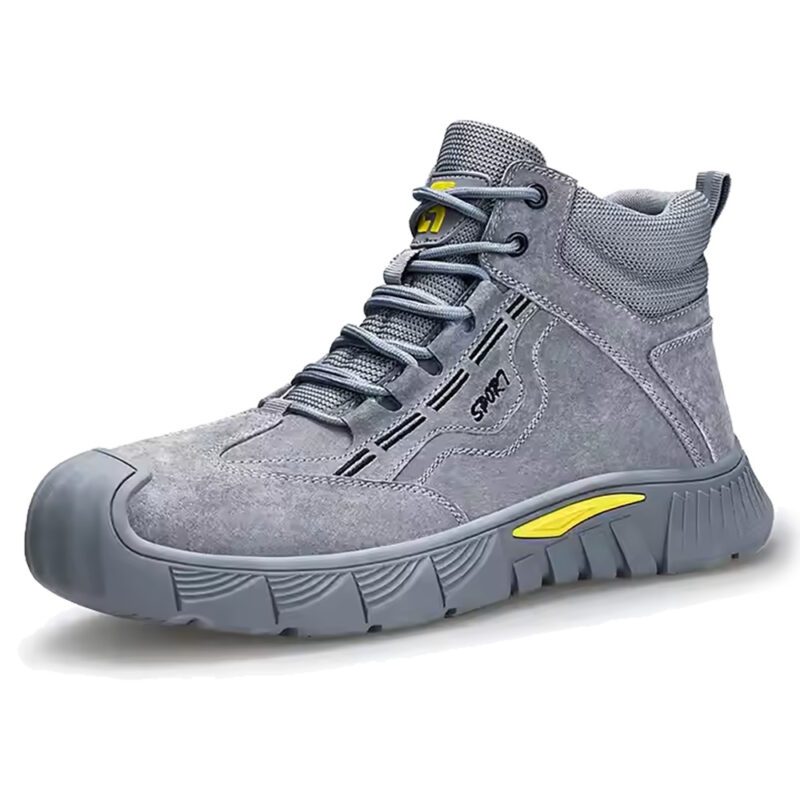
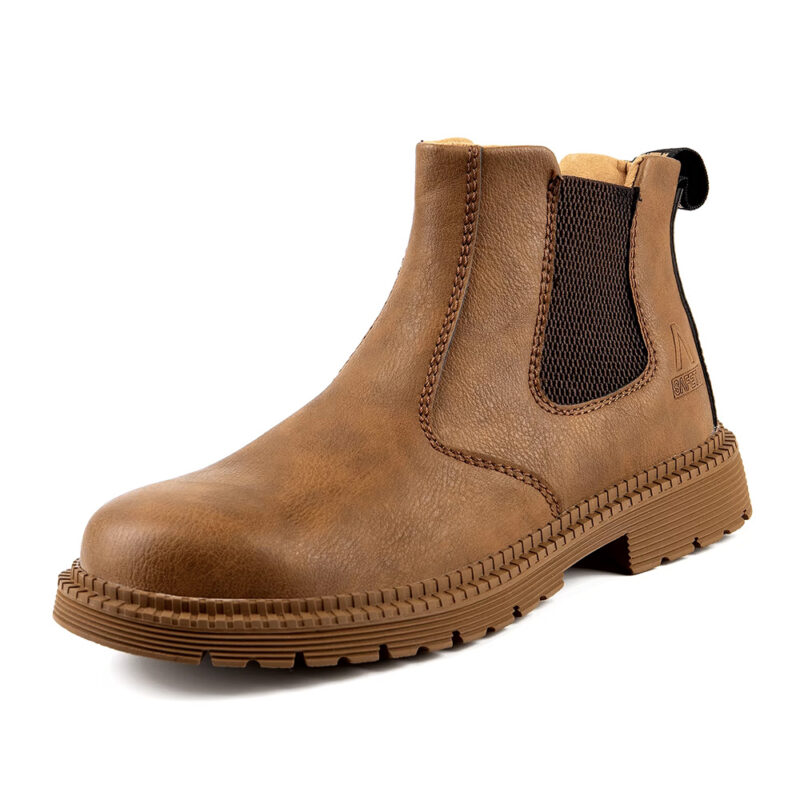
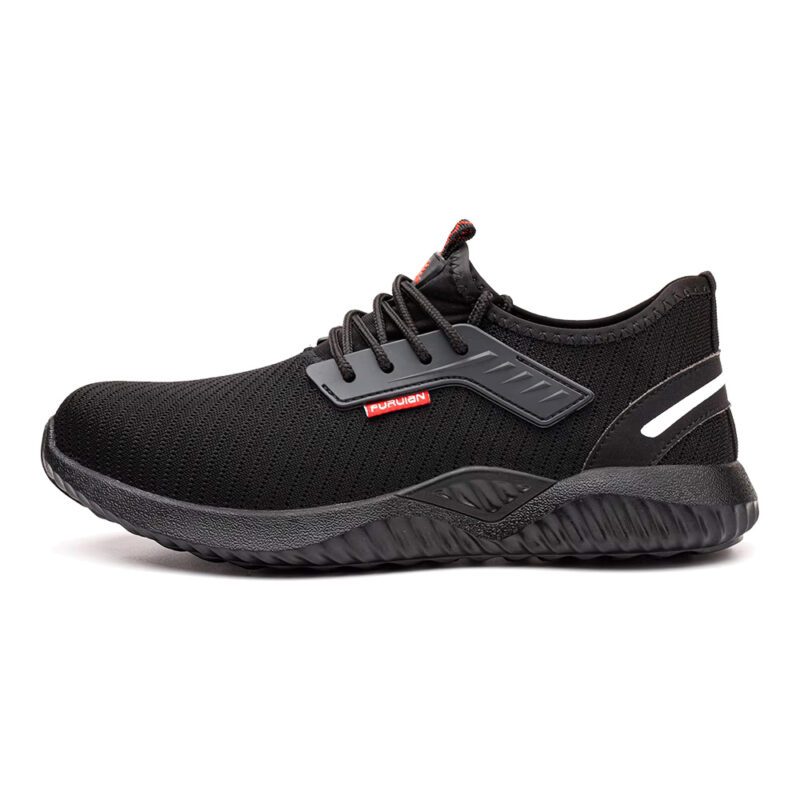
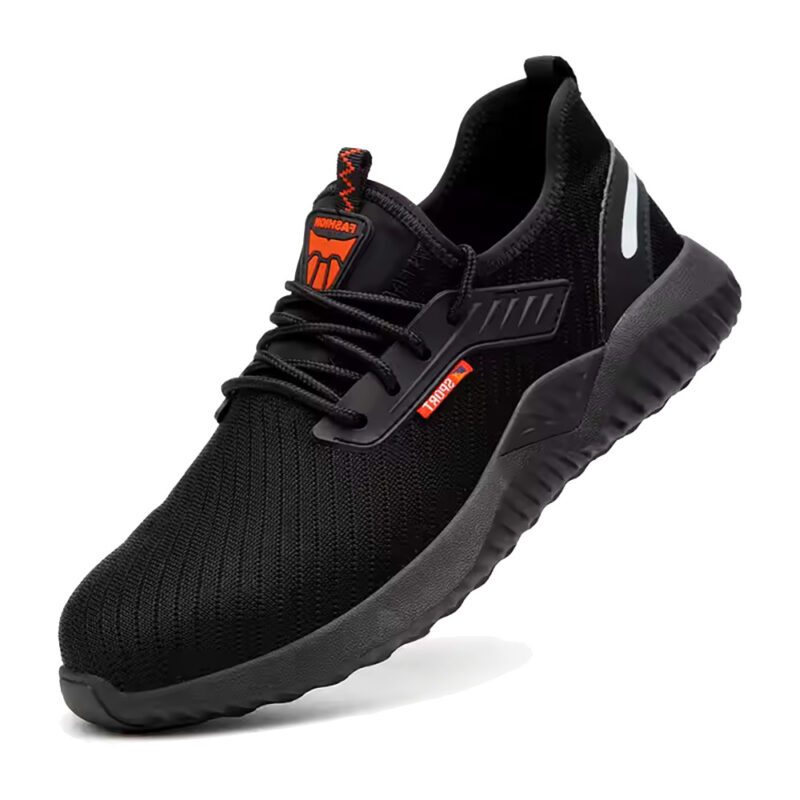
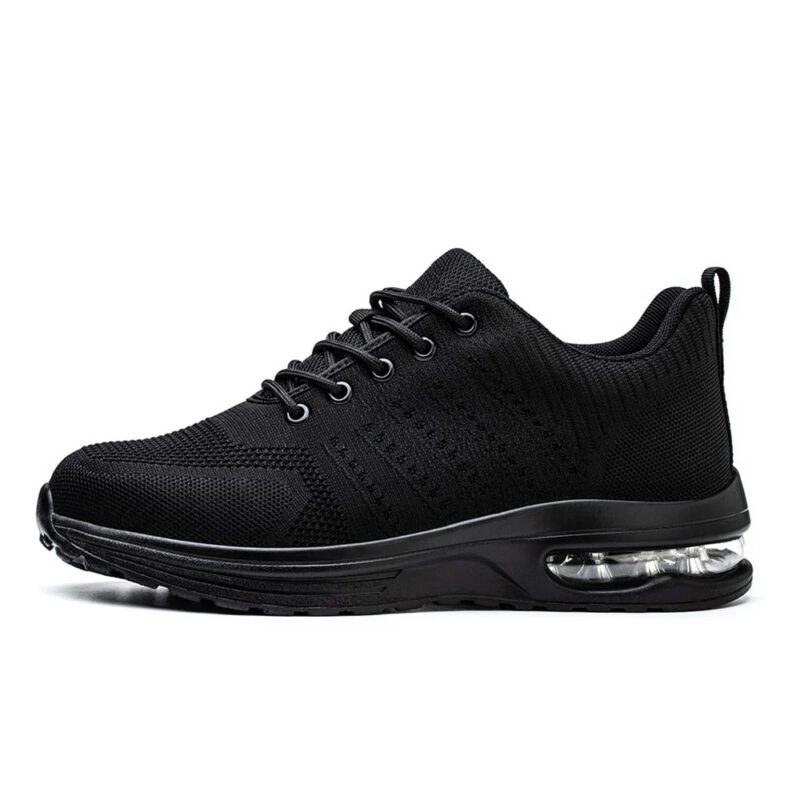
When your workday involves heavy machinery, falling objects, and unforgiving terrain, the Birks Defender Kevlar Steel Toe Safety Work Boots stand ready to protect you through it all. These boots deliver the exceptional durability, reliable protection, and all-day comfort you need to tackle any challenge and get the job done right, every single time.
The company’s founder, Nathan Swartz, created the first true waterproof leather boot using injection molding technology. This process fused the sole directly to the leather upper without stitching, creating a seamless barrier against moisture.
Many Timberland models qualify as legitimate work boots. The brand manufactures footwear that meets ASTM safety standards for impact resistance, compression resistance, and electrical hazard protection. However, not all Timberland boots serve as work boots. The company now produces fashion boots, hiking boots, and casual footwear alongside their safety-rated models.
Key Differences Between Work and Fashion Timberlands
Timberland’s product line splits into distinct categories. Understanding these differences helps buyers choose appropriate footwear.
Work-Rated Models:
- Feature steel toe or composite toe caps
- Meet ASTM F2413 safety standards
- Include slip-resistant outsoles
- Offer electrical hazard protection
- Provide puncture-resistant midsoles
Fashion Models:
- Lack safety toe protection
- Use softer, more flexible materials
- Prioritize style over durability
- Skip industrial safety certifications
- Cost less than work-rated versions
The classic 6-inch Premium Wheat Boot falls into the fashion category. This boot lacks safety features required on most job sites. Workers need specific Timberland PRO models for workplace protection.
Timberland PRO: The True Work Boot Line
Timberland PRO represents the brand’s dedicated work footwear division. This line focuses exclusively on occupational safety and comfort.
Safety Features in Timberland PRO Boots
Toe Protection Options:
- Steel toe: Traditional metal cap, maximum impact resistance
- Composite toe: Lightweight alternative, airport-friendly
- Alloy toe: Mid-weight option, thinner profile
Sole Technology:
- Anti-fatigue technology with inverted cones
- Slip-resistant rubber compounds
- Oil-resistant outsoles
- Heat-resistant materials up to 248°F
Electrical Safety:
- EH-rated models protect against open circuits
- Meet ASTM F2413-18 electrical hazard standards
- Suitable for electrical work environments
Popular Timberland PRO Work Boot Models
| Model | Toe Type | Height | Key Features | Best For |
|---|---|---|---|---|
| PRO Pit Boss | Steel | 6-inch | Waterproof, anti-fatigue | Construction, utilities |
| PRO Boondock | Composite | 6-inch | Lightweight, waterproof | All-day wear |
| PRO Titan | Alloy | 6-inch | Safety toe, EH protection | Manufacturing |
| PRO Helix | Composite | 6-inch | Flexible, athletic design | Warehouse work |
| PRO Direct Attach | Steel | 6-inch | Insulated options available | Outdoor trades |
Construction Quality and Materials
Timberland work boots use premium materials that justify their price point.
Leather Selection
The brand sources full-grain leather from verified tanneries. This leather type includes the entire grain layer, offering maximum durability and water resistance. Full-grain leather develops a patina over time rather than deteriorating.
Some models use nubuck leather, which provides a softer feel while maintaining strength. The company treats all work boot leather with waterproofing agents during manufacturing.
Sole Construction
Timberland uses direct-attach construction for most work boots. This method bonds the sole to the upper using heat and pressure, creating a waterproof seal. The process eliminates weak points where water might penetrate.
The rubber lug outsoles feature deep treads that measure 7mm to 9mm deep. This depth provides traction on loose surfaces, wet terrain, and uneven ground. The rubber compound resists oil, chemicals, and temperature extremes.
Internal Support Systems
Work boots require support for long shifts on hard surfaces. Timberland addresses this with several technologies:
- Anti-Fatigue Technology: Geometric cone shapes compress and return energy with each step
- Anatomically contoured footbeds: Match the natural shape of feet
- EVA midsoles: Cushion impact while remaining lightweight
- Fiberglass shanks: Provide arch support and stability
Weight Considerations for Work Boots
Boot weight affects fatigue during long work shifts. Timberland PRO boots range from 3.5 to 5.5 pounds per pair, depending on the model and size.
Steel toe boots weigh more than composite toe versions. A size 10 steel toe boot typically weighs 4.8 pounds. The same size in composite toe weighs 4.2 pounds. This 0.6-pound difference becomes significant after walking several miles during a shift.
Lighter boots reduce leg fatigue but may sacrifice some durability. Workers need to balance weight against protection requirements for their specific job.
Break-In Period and Comfort
New Timberland work boots require a break-in period of 1-2 weeks. The stiff leather and structured design cause discomfort initially.
Tips for Breaking In Work Boots:
- Wear boots for 2-3 hours daily before full shifts
- Use leather conditioner to soften the material
- Wear thick work socks to prevent blisters
- Walk around on varied surfaces
- Flex the boots with your hands when not wearing them
The padded collar and tongue help reduce break-in discomfort. Some workers experience rubbing on the Achilles tendon during the first few days.
After the break-in period, Timberland work boots mold to foot shape. The leather stretches slightly, and the internal components compress to match individual foot contours.
When your workday involves heavy machinery, falling objects, and unforgiving terrain, the Birks Defender Kevlar Steel Toe Safety Work Boots stand ready to protect you through it all. These boots deliver the exceptional durability, reliable protection, and all-day comfort you need to tackle any challenge and get the job done right, every single time.
Waterproof Performance
Timberland guarantees waterproof protection on models marked with their waterproof seal. The company tests boots by submerging them under pressure.
The seam-sealed construction prevents water entry at vulnerable points. Waterproofing effectiveness depends on proper maintenance. Cracked or dried leather loses water resistance over time.
Workers in wet conditions should apply waterproofing treatments every 3-6 months. Products like mink oil, beeswax, or silicone sprays restore protection.
Slip Resistance Testing
Slip resistance determines safety on wet or oily surfaces. Timberland tests work boot outsoles using ASTM F3445-21 standards.
The testing measures coefficient of friction on:
- Dry surfaces
- Wet surfaces
- Oily surfaces
- Soapy surfaces
Timberland PRO boots achieve high COF ratings across all surface types. The lug pattern channels liquids away from the contact patch, maintaining grip.
Workers in restaurants, kitchens, or industrial facilities need maximum slip resistance. Models like the PRO Valor feature specialized slip-resistant compounds.
Maintenance Requirements
Proper care extends the life of Timberland work boots from 1 year to 3+ years.
Weekly Maintenance:
- Remove dirt and debris with a brush
- Wipe down leather with a damp cloth
- Allow boots to dry completely before next use
- Check for damage or wear
Monthly Maintenance:
- Apply leather conditioner to prevent cracking
- Treat with waterproofing products
- Inspect and tighten laces
- Check sole attachment points
Annual Maintenance:
- Replace insoles if compressed
- Resole if tread depth falls below 5mm
- Deep clean with leather cleaner
- Evaluate structural integrity
Cost Analysis
Timberland work boots cost more than budget alternatives. Prices range from $140 to $240 for most models.
This premium pricing reflects:
- Safety certifications and testing
- Premium leather materials
- Advanced comfort technologies
- Longer lifespan than cheap boots
- Brand reputation and warranty
Budget work boots priced under $100 typically last 6-12 months with daily use. Timberland work boots last 18-36 months under the same conditions. The higher initial cost spreads across more months of use, reducing the actual cost per wear.
Who Should Choose Timberland Work Boots?
Timberland work boots suit specific workers and conditions.
Ideal Users:
- Construction workers needing all-day comfort
- Utility workers facing wet conditions
- Manufacturing employees requiring safety toes
- Warehouse workers walking on concrete
- Electricians needing EH-rated footwear
Less Ideal Users:
- Office workers wanting casual boots
- Fashion-focused buyers (choose fashion line instead)
- Budget-conscious workers with lighter duty needs
- Workers requiring specialty features like metatarsal guards
Comparing Timberland to Other Work Boot Brands
Timberland competes with several established work boot manufacturers.
Timberland vs. Red Wing: Red Wing offers more traditional construction methods and USA-made options. Red Wing boots cost more but provide superior resoling options. Timberland wins on modern comfort technology and lighter weight.
Timberland vs. Caterpillar: Caterpillar prices boots lower than Timberland. CAT boots provide good value but use heavier materials. Timberland offers better waterproofing and comfort features.
Timberland vs. Carhartt: Carhartt work boots focus on rugged durability and budget-friendly pricing. Timberland provides more refined comfort and lighter weight at a higher price point.
Making Your Selection
Choose Timberland work boots by following these steps:
- Identify safety requirements: Check your workplace rules for required certifications
- Measure feet properly: Size varies between models and manufacturers
- Select toe type: Consider weight, protection level, and comfort
- Choose appropriate height: 6-inch for ankle support, 8-inch for maximum protection
- Verify waterproof needs: Construction and outdoor workers benefit most
- Consider insulation: Cold weather workers need 400-800g insulation
- Check return policies: Ensure you can exchange for different sizes
Final Assessment
Timberland manufactures authentic work boots through their PRO line. These boots meet industrial safety standards and provide protection for various occupations. The brand’s fashion boots do not qualify as work boots despite similar appearance.
Workers gain real benefits from Timberland PRO features including anti-fatigue technology, waterproof construction, and safety certifications. The higher price point delivers value through extended lifespan and superior comfort during long shifts.
Choose Timberland work boots when you need proven safety features, all-day comfort, and reliable waterproof protection. Skip them if you need basic safety footwear on a tight budget or work in conditions requiring specialized features beyond standard work boot offerings.
When your workday involves heavy machinery, falling objects, and unforgiving terrain, the Birks Defender Kevlar Steel Toe Safety Work Boots stand ready to protect you through it all. These boots deliver the exceptional durability, reliable protection, and all-day comfort you need to tackle any challenge and get the job done right, every single time.