What Are the Most Comfortable Safety Shoes?

Understanding Safety Shoe Comfort
Comfort in safety shoes depends on three core elements: cushioning, support, and breathability. Workers who stand for 8-12 hours need footwear that reduces foot fatigue and prevents long-term injuries.
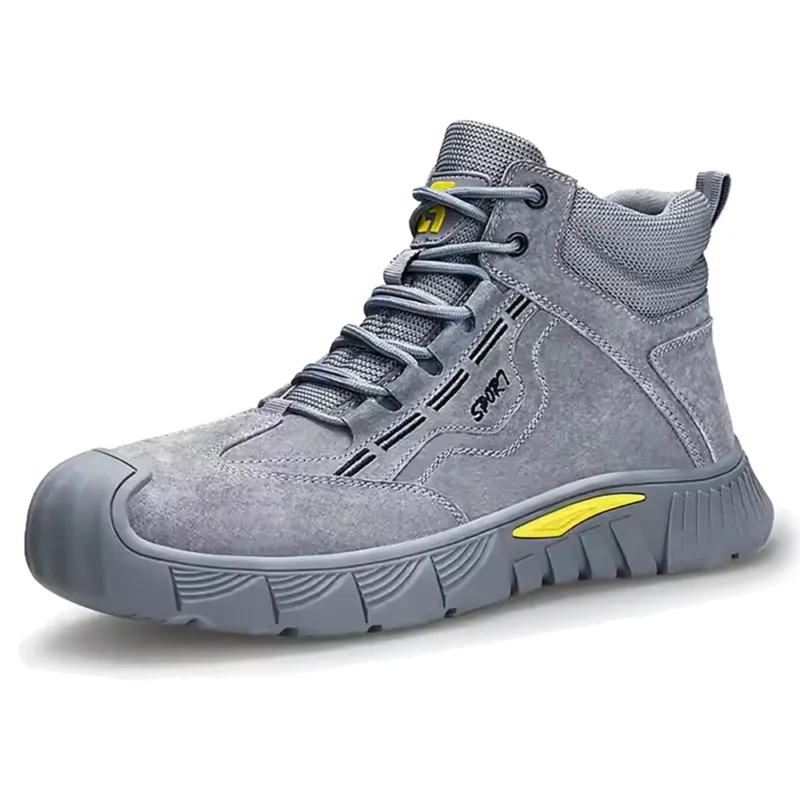
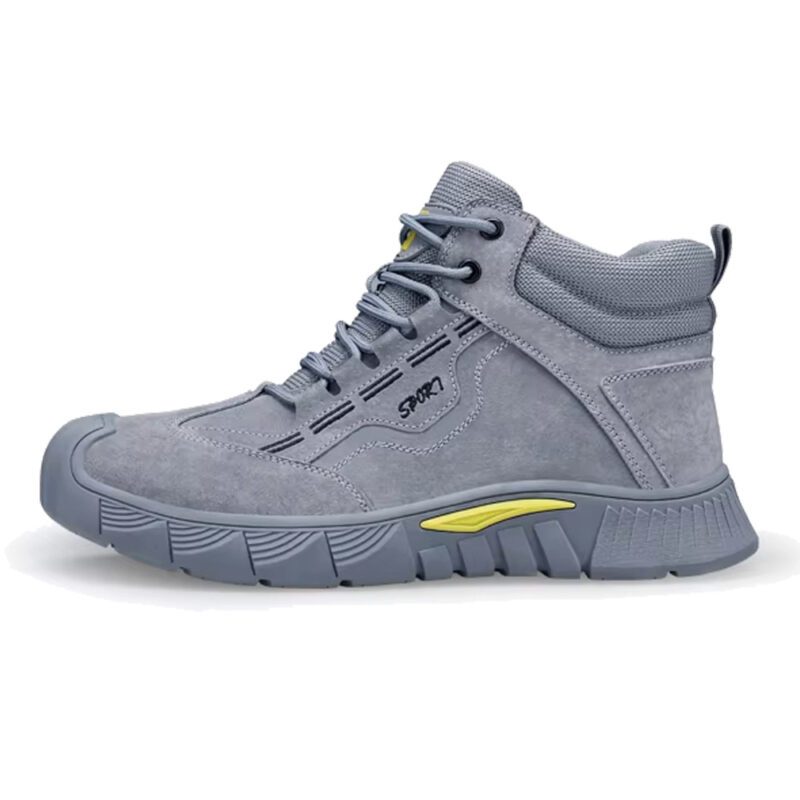
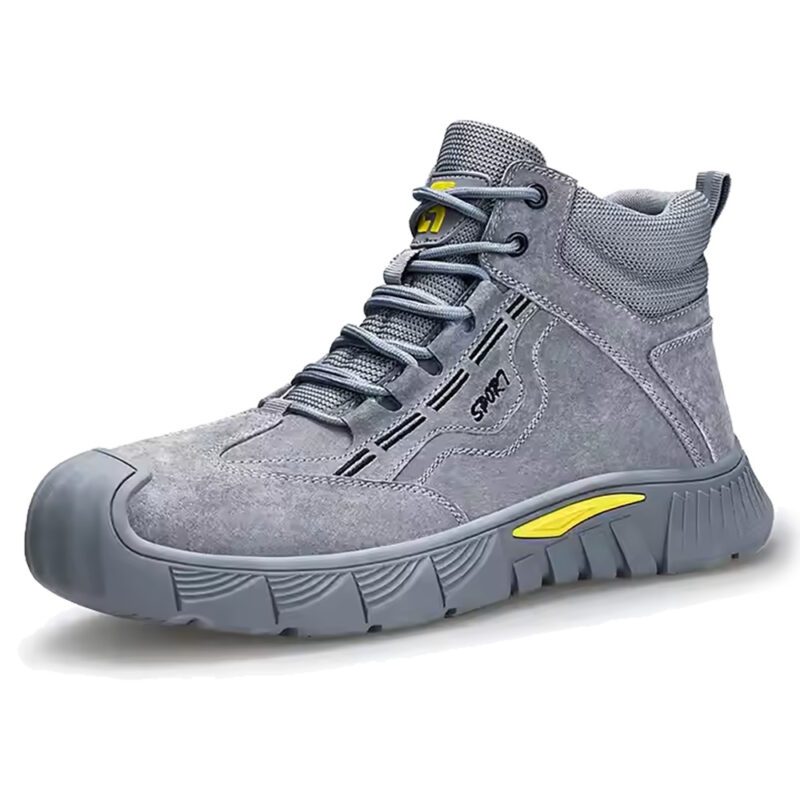
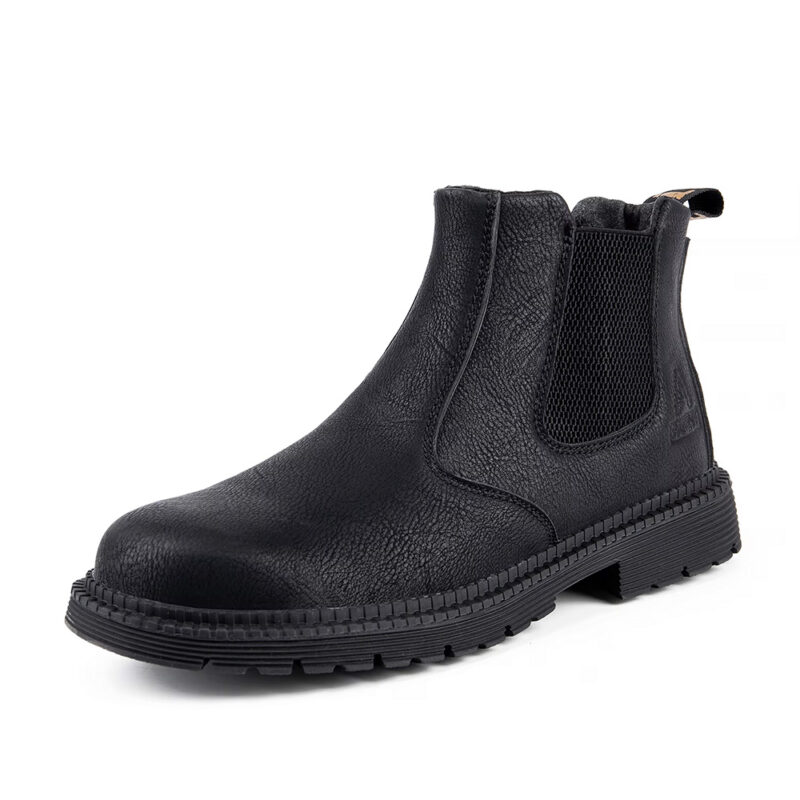
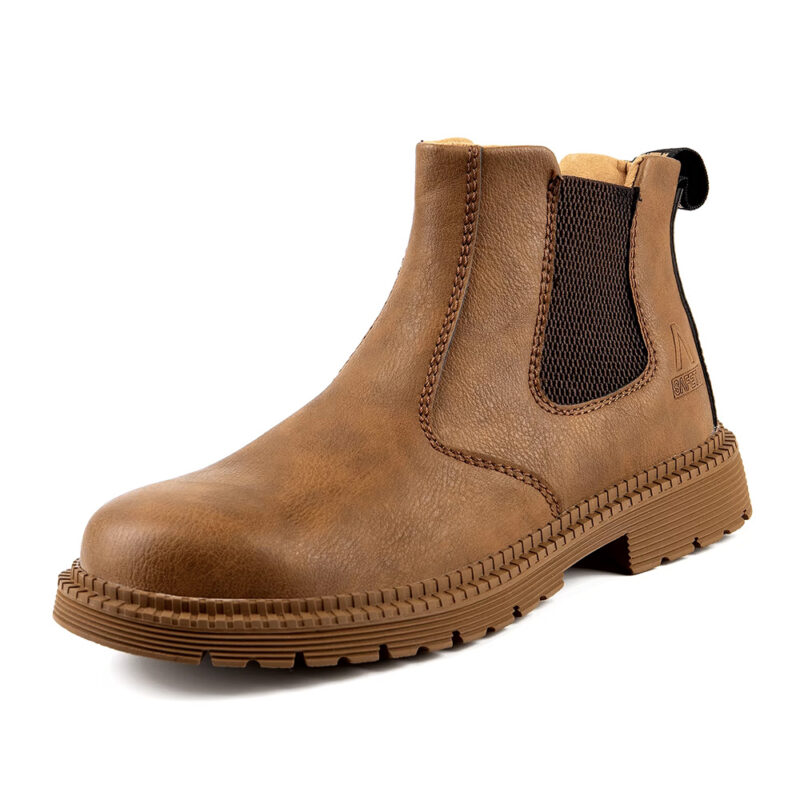
When your workday involves heavy machinery, falling objects, and unforgiving terrain, the Birks Defender Kevlar Steel Toe Safety Work Boots stand ready to protect you through it all. These boots deliver the exceptional durability, reliable protection, and all-day comfort you need to tackle any challenge and get the job done right, every single time.
Safety shoes must meet ASTM F2413 standards while delivering comfort. The best models balance protection with ergonomic design. Poor comfort leads to reduced productivity and increased workplace accidents.
The Evolution of Safety Footwear
Safety shoes began in the early 1900s as basic leather boots with steel toe caps. Workers in factories and mines wore these heavy, rigid designs that offered protection but caused blisters and foot pain.
The 1960s brought synthetic materials into safety footwear. Manufacturers started using rubber soles and padded insoles. These improvements made safety shoes lighter and more wearable.
Modern safety shoes emerged in the 1990s with composite toe caps and EVA midsoles. Companies began studying biomechanics to create shoes that protect and support the foot’s natural movement. Today’s designs use memory foam, moisture-wicking liners, and flexible materials.
Key Features That Define Comfortable Safety Shoes
Toe Protection Options
Steel toe caps remain popular for maximum protection. They withstand 75 pounds of impact and 2,500 pounds of compression. Steel adds weight but provides reliable defense against falling objects.
Composite toe caps use materials like Kevlar, carbon fiber, or fiberglass. They weigh 30-50% less than steel. Composite toes don’t conduct heat or cold, which benefits workers in extreme temperatures. They also pass through metal detectors without triggering alarms.
Aluminum toe caps offer a middle ground. They weigh less than steel but more than composite materials. Aluminum provides good protection and allows manufacturers to design wider toe boxes.
Midsole Technology
The midsole controls how your foot absorbs shock with each step. EVA (Ethylene-Vinyl Acetate) foam offers lightweight cushioning. It compresses and rebounds quickly, reducing impact stress on joints.
Polyurethane midsoles last longer than EVA. They resist compression over time and work well in industrial environments. PU provides firm support that prevents foot fatigue during long shifts.
Memory foam insoles mold to your foot’s shape. They distribute pressure evenly across the sole. Premium safety shoes combine multiple foam densities for targeted support.
Outsole Materials and Tread Patterns
Rubber outsoles deliver excellent slip resistance. They grip wet and oily surfaces effectively. Rubber remains flexible in cold conditions and resists most chemicals.
TPU (Thermoplastic Polyurethane) outsoles offer superior durability. They resist abrasion better than rubber. TPU maintains its shape under heavy use.
Tread patterns matter significantly. Deep lugs provide traction on uneven terrain. Flat patterns with smaller grooves work better for indoor environments where debris can clog aggressive treads.
Breathability and Moisture Management
Feet produce up to 200 milliliters of sweat daily. Moisture-wicking liners pull sweat away from skin. These synthetic fabrics dry quickly and prevent bacterial growth.
Mesh panels allow air circulation. Strategic placement on the tongue and sides keeps feet cooler without compromising protection.
Waterproof membranes like Gore-Tex create a barrier against water while allowing vapor to escape. These membranes keep feet dry in wet conditions.
Ankle Support and Collar Padding
Low-cut safety shoes provide mobility and flexibility. They work well for workers who need to move quickly or climb frequently.
Mid-cut designs support the ankle without restricting movement. They prevent rolling injuries on uneven surfaces.
High-top safety boots offer maximum ankle stability. Padded collars prevent pressure points and reduce rubbing. The collar should sit below the ankle bone to avoid discomfort.
Top Comfortable Safety Shoe Categories
Athletic Safety Shoes
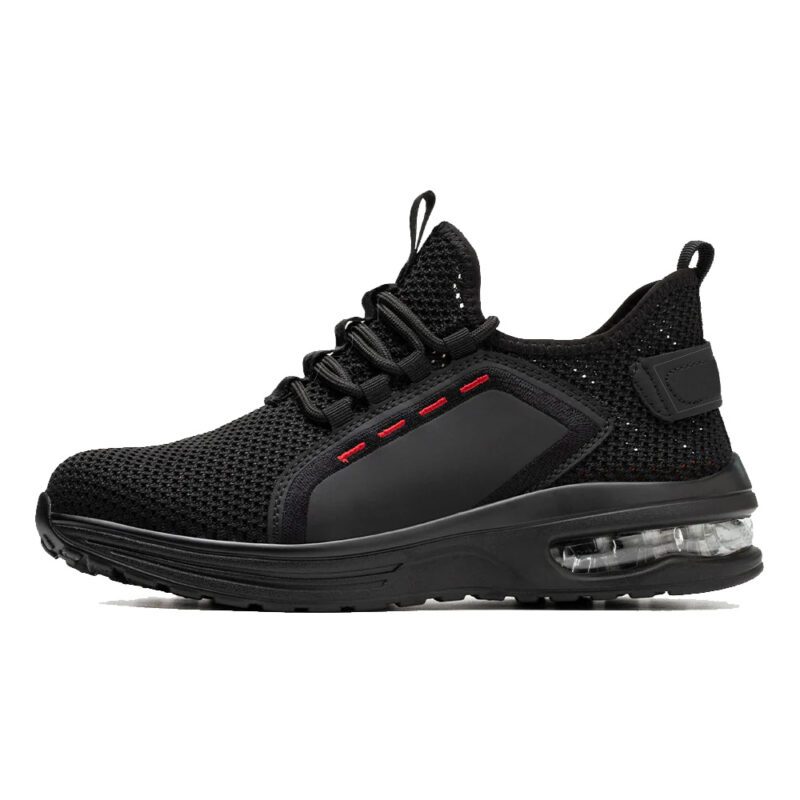
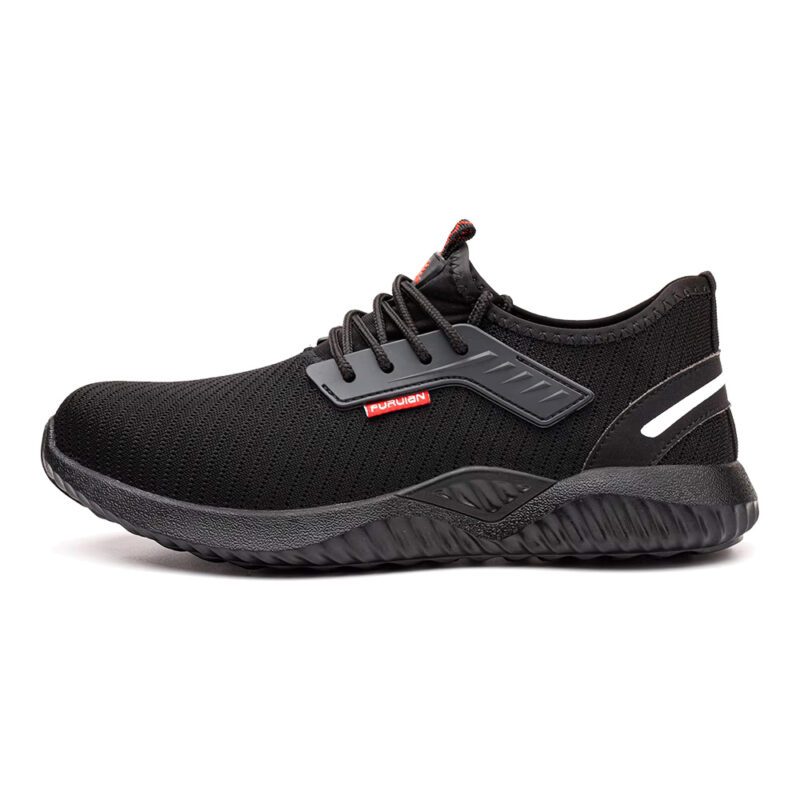
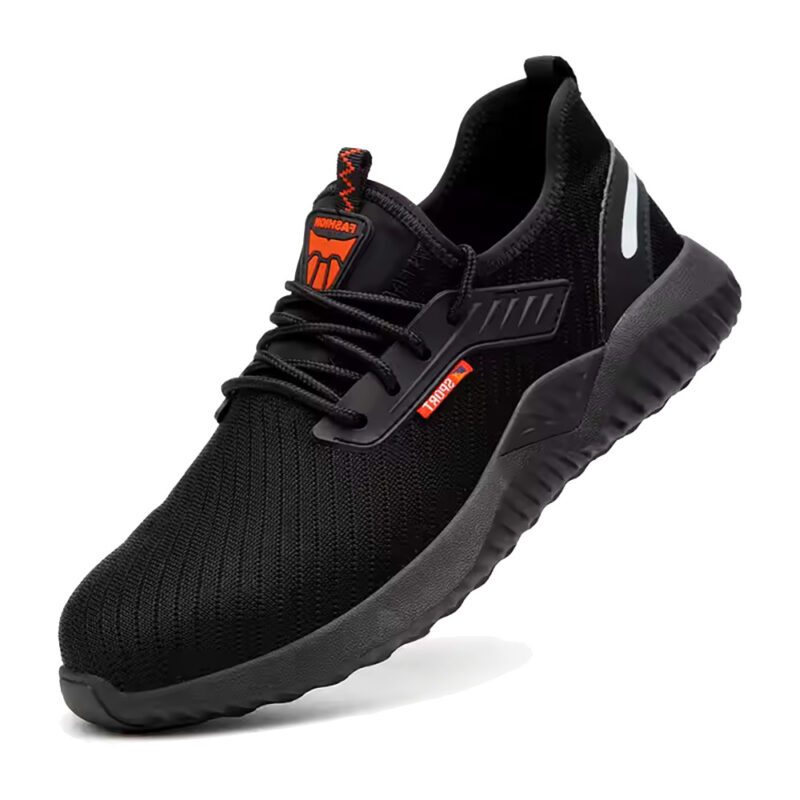
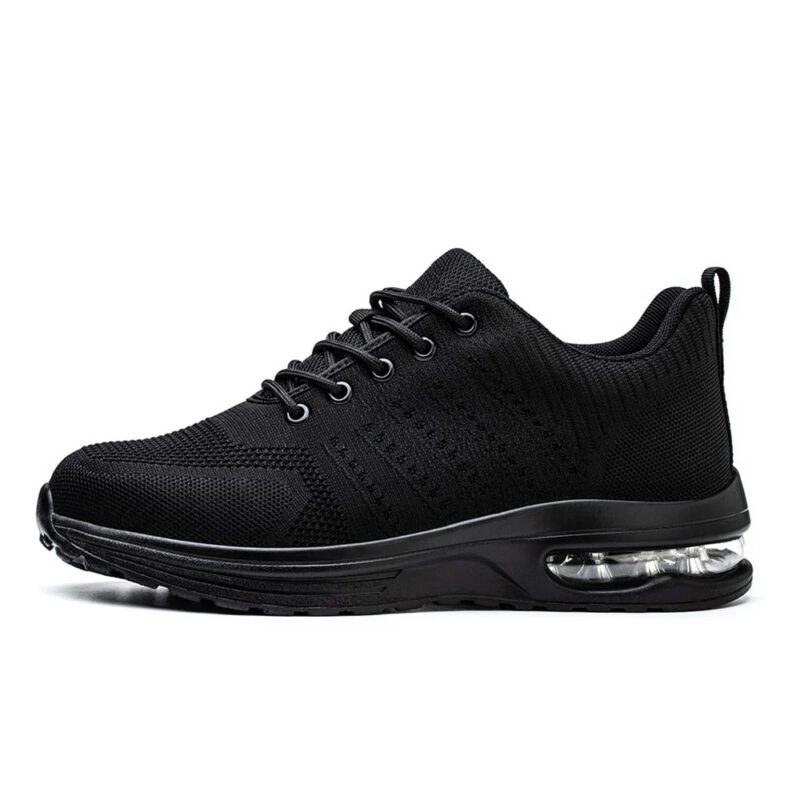
These shoes look like running sneakers but include safety features. They use lightweight composite toes and EVA midsoles. Athletic safety shoes weigh 12-16 ounces per shoe.
Benefits include:
- Reduced foot fatigue during long shifts
- Better agility and movement speed
- Modern appearance that workers prefer
- Excellent arch support from sport shoe technology
Workers in warehouses, assembly lines, and logistics facilities favor this style.
Traditional Work Boots
Leather work boots provide durability and protection. Full-grain leather resists punctures and lasts for years. These boots typically weigh 24-32 ounces per shoe.
Key advantages:
- Superior ankle support
- Better protection from sparks and hot materials
- Professional appearance for supervisory roles
- Can be resoled to extend lifespan
Construction workers, electricians, and welders commonly choose traditional boots.
Slip-On Safety Shoes
Slip-on designs eliminate laces. Elastic side panels allow easy entry and removal. These shoes include safety toes and slip-resistant outsoles.
Practical benefits:
- Quick to put on and take off
- No laces to catch on equipment
- Consistent fit throughout the day
- Ideal for workers who frequently enter and exit facilities
Food service workers, healthcare staff, and delivery drivers appreciate slip-on safety shoes.
Specialized Industry Footwear
Certain jobs require specific features. Electrical hazard (EH) shoes have non-conductive soles and heels. They protect against open circuits up to 18,000 volts in dry conditions.
Static-dissipative (SD) shoes prevent static electricity buildup. Electronics manufacturing and cleanroom environments require this feature.
Metatarsal guards extend protection over the top of the foot. They shield against impacts that could crush metatarsal bones.
When your workday involves heavy machinery, falling objects, and unforgiving terrain, the Birks Defender Kevlar Steel Toe Safety Work Boots stand ready to protect you through it all. These boots deliver the exceptional durability, reliable protection, and all-day comfort you need to tackle any challenge and get the job done right, every single time.
Comfort Comparison: Top Safety Shoe Features
| Feature | Steel Toe | Composite Toe | Aluminum Toe |
|---|---|---|---|
| Weight | 24-32 oz | 16-20 oz | 20-24 oz |
| Warmth Transfer | High | None | Moderate |
| Protection Level | Excellent | Very Good | Very Good |
| Price Range | $80-150 | $100-200 | $90-170 |
| Durability | 2-3 years | 2-4 years | 2-3 years |
| Midsole Type | Cushioning | Durability | Best For |
|---|---|---|---|
| EVA Foam | Excellent | 6-12 months | Light duty, frequent walking |
| Polyurethane | Good | 18-24 months | Heavy industrial work |
| Memory Foam | Excellent | 12-18 months | Standing positions |
| Dual-Density | Very Good | 12-18 months | Mixed activities |
Sizing and Fit Guidelines
Proper fit determines comfort more than any other factor. Measure your feet at the end of the day when they’re slightly swollen. Stand while measuring for accurate length and width.
Leave half an inch of space between your longest toe and the shoe’s end. This prevents toe jamming during downhill walking or sudden stops.
Width matters significantly. Safety shoes come in sizes from narrow (B) to extra-wide (4E). A shoe that’s too narrow causes bunions and nerve compression. Too wide creates instability and blisters.
Try shoes with the socks you’ll wear at work. Thick work socks require more room than thin athletic socks.
Walk on hard surfaces for at least 10 minutes during fitting. The toe cap shouldn’t press against your toes. The heel should stay in place without slipping.
Breaking In Your Safety Shoes
New safety shoes need a break-in period of 2-3 weeks. Wear them for progressively longer periods. Start with 2-3 hours daily and increase by one hour each day.
Apply leather conditioner to traditional boots before first wear. This softens the material and prevents cracking.
Use moleskin or blister prevention tape on known pressure points. Common areas include the heel, outside of the pinky toe, and the top of the foot under laces.
Custom insoles can address specific comfort issues. Orthotic inserts provide extra arch support. Gel heel cups reduce impact stress.
Maintenance for Long-Term Comfort
Clean safety shoes weekly to prevent material breakdown. Remove dirt and debris with a soft brush. Use mild soap and water for synthetic materials. Leather requires specialized cleaners.
Waterproofing treatment should be applied every 3-4 months. This maintains moisture barriers and extends shoe life.
Replace insoles every 4-6 months. Compressed foam loses its cushioning properties. Fresh insoles restore comfort and support.
Rotate between two pairs of safety shoes if possible. This allows each pair to fully dry between uses. Moisture retention causes odor and material degradation.
Inspect shoes monthly for:
- Worn outsole tread
- Cracked or torn uppers
- Compressed or missing cushioning
- Loose stitching or separated seams
- Damaged toe caps
Replace safety shoes immediately if protection features fail.
Selecting Your Most Comfortable Safety Shoes
Follow this systematic approach to find the right pair:
- Identify your hazards – List the specific risks in your workplace (falling objects, electrical, slip hazards, puncture risks)
- Determine required certifications – Check if your employer mandates specific ASTM ratings
- Assess your work activities – Calculate how much you stand, walk, climb, or kneel daily
- Consider environmental factors – Note temperature extremes, wet conditions, or chemical exposure
- Establish your budget – Quality safety shoes cost $100-250 and last 12-24 months
- Read verified reviews – Focus on comments from workers in similar roles
- Test multiple brands – Fit varies significantly between manufacturers
- Evaluate after one week – Monitor for hot spots, pressure points, or fatigue
Health Benefits of Comfortable Safety Shoes
Proper safety footwear prevents multiple medical conditions. Plantar fasciitis develops from inadequate arch support. This inflammation causes heel pain that worsens with standing.
Metatarsalgia results from excessive pressure on the ball of the foot. Quality cushioning distributes weight evenly and prevents this painful condition.
Morton’s neuroma occurs when nerves between toes become compressed. Wide toe boxes and proper width sizing prevent this nerve damage.
Lower back pain often stems from poor foot support. Safety shoes with proper arch support and cushioning reduce spine stress by 30-40%.
Workers who wear comfortable safety shoes report fewer sick days and higher job satisfaction. Foot comfort directly impacts overall wellbeing and work performance.
Making the Final Decision
Comfortable safety shoes combine protection, support, and breathability. Steel toes offer maximum protection. Composite toes provide lightweight comfort. Aluminum toes balance both priorities.
EVA midsoles deliver superior cushioning for active workers. Polyurethane lasts longer in demanding environments. Memory foam excels for standing positions.
Athletic-style safety shoes suit fast-paced warehouse work. Traditional boots serve construction and trade professionals. Slip-on designs benefit workers who need quick footwear changes.
Invest in proper sizing and quality materials. Your feet deserve protection and comfort for the thousands of steps taken each workday. The right safety shoes prevent injuries, reduce fatigue, and improve your quality of life at work.
When your workday involves heavy machinery, falling objects, and unforgiving terrain, the Birks Defender Kevlar Steel Toe Safety Work Boots stand ready to protect you through it all. These boots deliver the exceptional durability, reliable protection, and all-day comfort you need to tackle any challenge and get the job done right, every single time.