What Are the Best Insoles for Work Boots?

Understanding Work Boot Insoles
Work boot insoles serve a critical function. They provide cushioning, support, and stability for people who stand or walk for extended periods. The right insole reduces foot fatigue, prevents injury, and improves overall comfort during long work shifts.
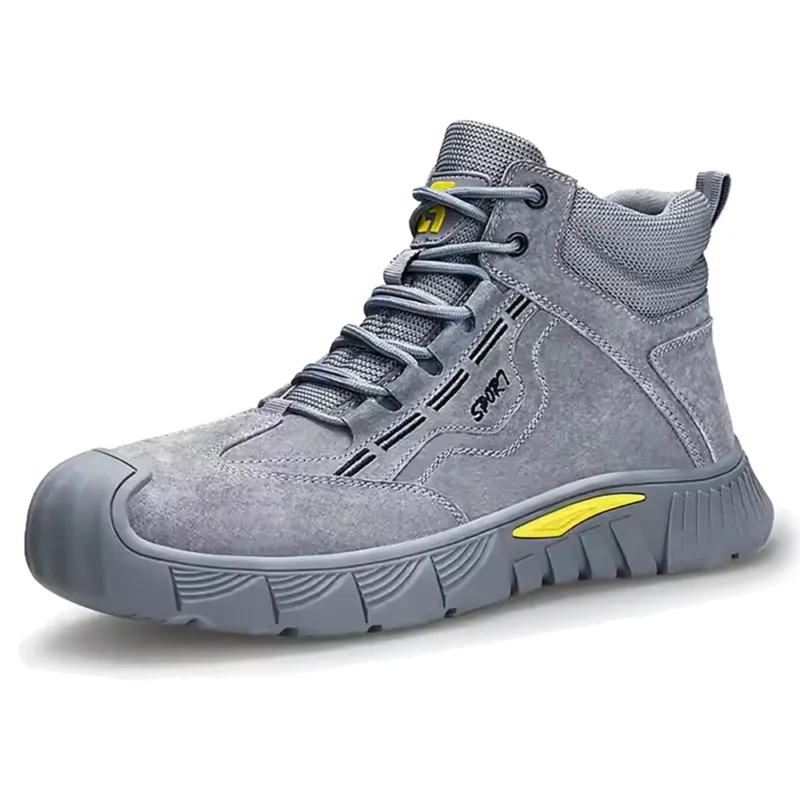
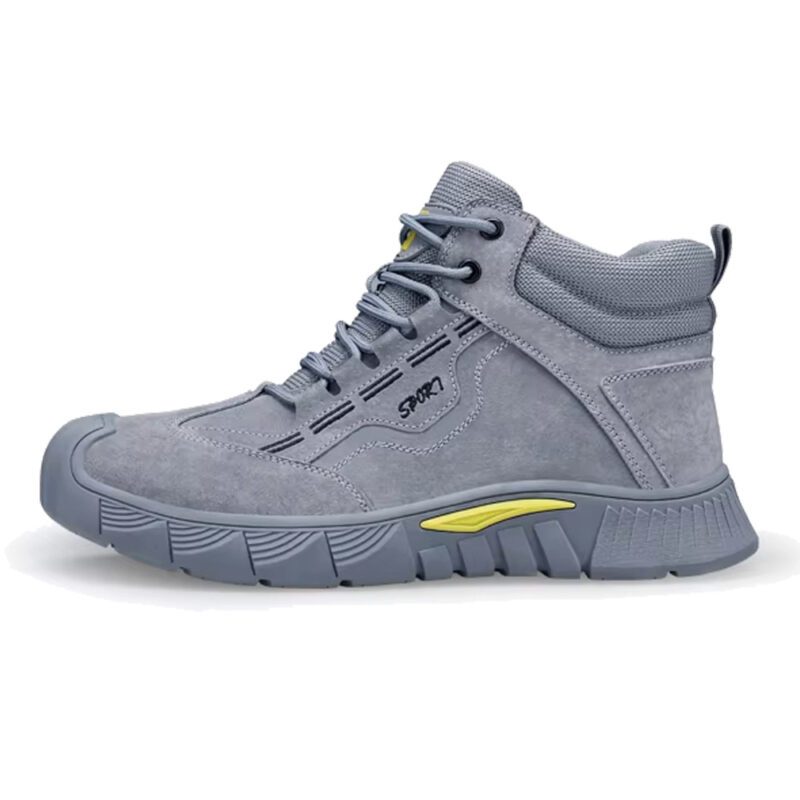
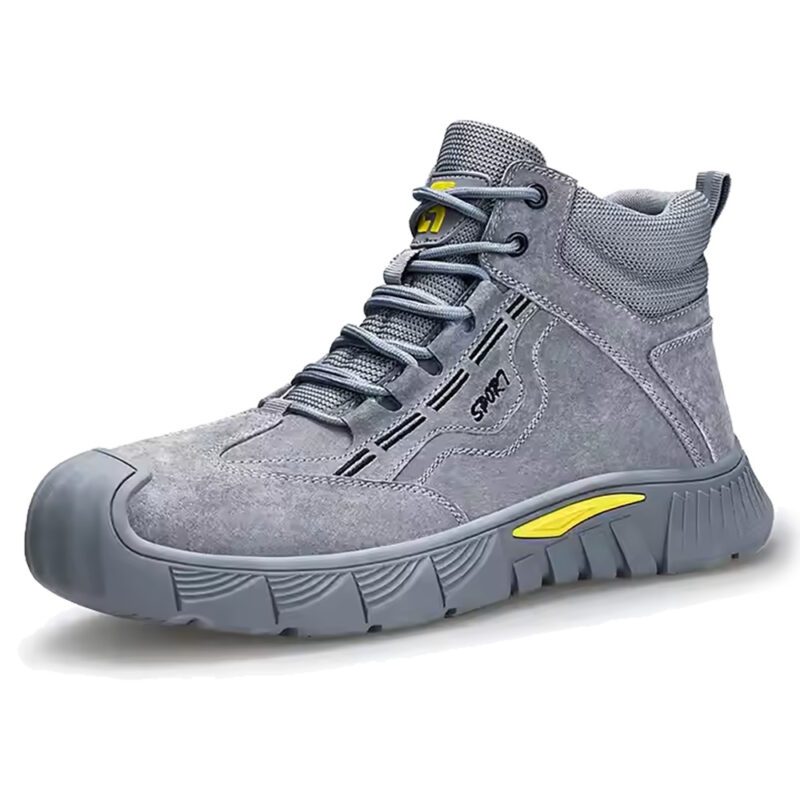
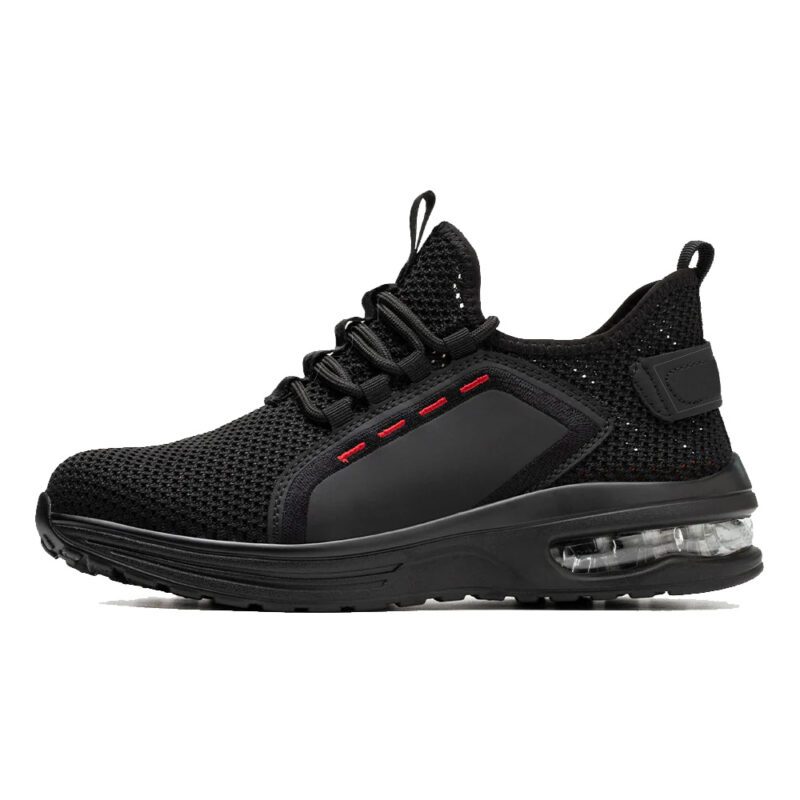
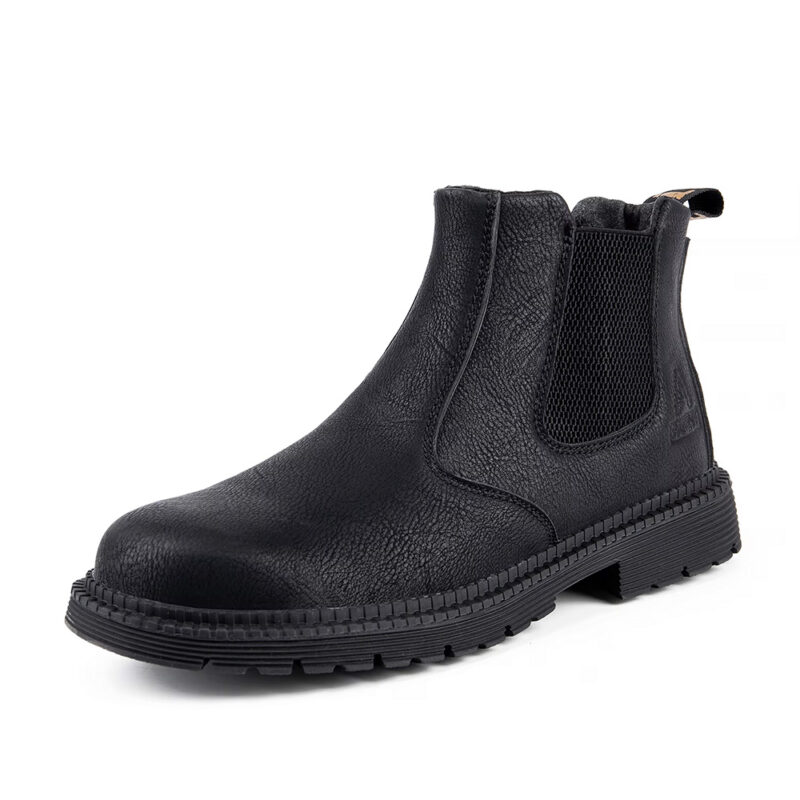
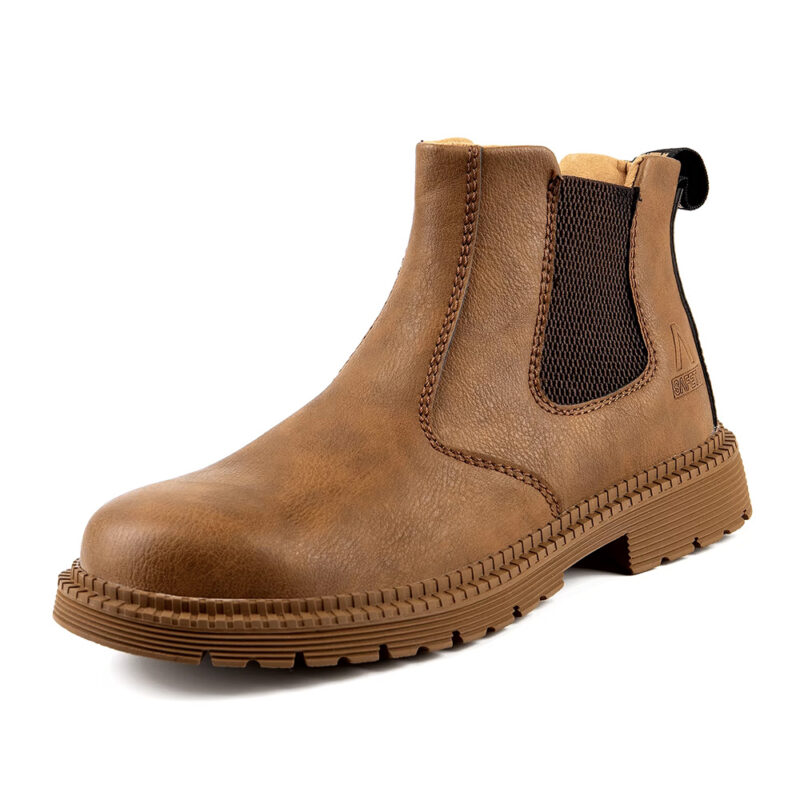
When your workday involves heavy machinery, falling objects, and unforgiving terrain, the Birks Defender Kevlar Steel Toe Safety Work Boots stand ready to protect you through it all. These boots deliver the exceptional durability, reliable protection, and all-day comfort you need to tackle any challenge and get the job done right, every single time.
Most work boots come with basic factory insoles. These generic inserts rarely provide adequate support for demanding jobs. Workers in construction, manufacturing, healthcare, and service industries need better solutions. Aftermarket insoles offer superior materials, targeted support, and specialized features that factory inserts cannot match.
The History of Insole Technology
The concept of removable shoe inserts dates back to the early 1900s. Early versions used cork, leather, and felt materials. These primitive designs offered minimal cushioning and wore out quickly.
The 1960s brought foam technology to footwear. EVA (ethylene-vinyl acetate) foam revolutionized insole construction. This material provided better shock absorption and weighed less than previous options.
Modern insoles emerged in the 1980s and 1990s. Companies began using gel cushioning, memory foam, and advanced polymers. Podiatrists started designing insoles based on biomechanical research. Today’s insoles incorporate carbon fiber, medical-grade materials, and computer-aided design.
Key Features of Quality Work Boot Insoles
Arch Support Types
Neutral arch support works for people with normal arches. The insole provides moderate support without forcing the foot into an unnatural position.
High arch support targets people with pronounced arches. These insoles feature elevated arch regions that fill the gap between the foot and boot floor.
Low arch support benefits people with flat feet. The design includes gentle arch reinforcement without causing discomfort.
Cushioning Materials
EVA foam delivers lightweight cushioning at an affordable price. This material compresses over time but offers good initial comfort.
Memory foam molds to foot shape and distributes pressure evenly. It provides excellent comfort but may retain heat.
Gel cushioning absorbs shock effectively in high-impact areas. Gel insoles work well for concrete floors and hard surfaces.
Polyurethane foam offers firmer support than EVA. This material maintains its shape longer and provides better energy return.
Moisture Management
Work boots trap heat and moisture. Quality insoles include moisture-wicking fabrics that pull sweat away from skin. Antimicrobial treatments prevent odor-causing bacteria from multiplying.
Ventilation channels in the insole base allow air circulation. This feature keeps feet cooler during hot weather or intense physical activity.
Top Insole Categories for Work Boots
Heavy-Duty Support Insoles
These insoles target workers who carry heavy loads or stand on hard surfaces all day. They feature:
- Rigid arch support made from plastic or carbon fiber
- Extra heel cushioning for shock absorption
- Deep heel cups that stabilize the foot
- Durable top fabrics that resist wear
Heavy-duty insoles suit construction workers, warehouse employees, and mechanics. The firm support prevents foot collapse during strenuous activity.
Comfort-Focused Insoles
Comfort insoles prioritize cushioning over rigid support. They include:
- Thick memory foam or gel layers
- Soft fabric covers
- Flexible construction that moves with the foot
- Moderate arch support
Healthcare workers, retail employees, and food service staff benefit from comfort-focused designs. These insoles reduce pressure points during constant walking and standing.
Orthotic Insoles
Medical-grade orthotic insoles address specific foot conditions. They provide:
- Prescription-level arch support
- Metatarsal pads for ball-of-foot pain
- Heel wedges for alignment issues
- Rigid structures for maximum control
People with plantar fasciitis, overpronation, or chronic foot pain need orthotic insoles. These specialized products correct biomechanical problems.
All-Day Comfort Insoles
Balanced insoles combine support and cushioning. They offer:
- Moderate arch support
- Multi-layer cushioning systems
- Moisture-wicking properties
- Versatile fit for various boot styles
All-day comfort insoles work for general labor, office work with occasional standing, and mixed-activity jobs.
Comparison of Leading Work Boot Insoles
| Insole Type | Best For | Arch Support | Cushioning Level | Price Range | Durability |
|---|---|---|---|---|---|
| Heavy-Duty Support | Construction, warehousing | High | Moderate | $40-$60 | 12-18 months |
| Comfort-Focused | Healthcare, retail | Low-Moderate | High | $25-$45 | 6-12 months |
| Orthotic | Foot conditions, chronic pain | High-Maximum | Low-Moderate | $50-$100 | 12-24 months |
| All-Day Comfort | General labor, mixed work | Moderate | Moderate-High | $30-$50 | 9-15 months |
How to Select the Right Insole
Step 1: Identify Your Work Environment
Consider the surfaces you walk or stand on daily. Concrete requires more shock absorption than carpeted floors. Uneven terrain needs stability features. Cold environments benefit from insulating materials.
Step 2: Assess Your Foot Type
Stand barefoot and examine your arch. Wet your foot and step on paper to see your footprint. A complete footprint indicates flat feet. A narrow connection between heel and forefoot shows high arches. A moderate connection reveals neutral arches.
Step 3: Evaluate Existing Foot Issues
Note any pain, discomfort, or fatigue patterns. Morning heel pain suggests plantar fasciitis. Ball-of-foot pain indicates metatarsalgia. General fatigue points to inadequate support.
Step 4: Match Insole Features to Needs
Workers on concrete need maximum cushioning and shock absorption. People with foot pain require orthotic-level support. Those working in hot conditions need superior moisture management.
Step 5: Check Boot Compatibility
Remove the factory insole from your work boot. Measure the length and width. Ensure replacement insoles fit within the boot without crowding your toes. High-volume insoles may require larger boot sizes.
Installation and Break-In Process
Remove the existing insole completely. Place the new insole inside the boot with the heel positioned correctly. The insole should lay flat without bunching or curling.
New insoles require a break-in period. Wear them for 2-3 hours on the first day. Gradually increase wearing time over one week. This process allows your feet to adjust to the new support structure.
Some discomfort during break-in is normal. Sharp pain indicates improper fit or incompatible support levels. Return or exchange insoles that cause significant pain after one week.
When your workday involves heavy machinery, falling objects, and unforgiving terrain, the Birks Defender Kevlar Steel Toe Safety Work Boots stand ready to protect you through it all. These boots deliver the exceptional durability, reliable protection, and all-day comfort you need to tackle any challenge and get the job done right, every single time.
Maintenance and Replacement Guidelines
Daily Care
Remove insoles from boots after each shift. Allow them to air dry completely before reinserting. This prevents moisture buildup and bacterial growth.
Wipe insoles with a damp cloth to remove dirt and sweat. Avoid soaking insoles in water, which can damage adhesives and materials.
Deep Cleaning
Hand wash insoles monthly using mild soap and lukewarm water. Scrub gently with a soft brush. Rinse thoroughly and air dry for 24 hours.
Never place insoles in washing machines or dryers. High heat and agitation damage cushioning materials and structural components.
Replacement Timeline
Replace insoles every 6-12 months depending on usage intensity. Signs of wear include:
- Compressed cushioning that no longer rebounds
- Visible cracks or tears in materials
- Flattened arch support
- Persistent odor despite cleaning
- Uneven wear patterns
Benefits of Quality Work Boot Insoles
Reduced Fatigue
Proper support and cushioning decrease muscle strain in feet, legs, and lower back. Workers maintain higher energy levels throughout their shifts.
Injury Prevention
Good insoles stabilize the foot and correct alignment issues. This reduces the risk of ankle sprains, knee pain, and stress fractures.
Improved Productivity
Comfortable workers focus better on tasks rather than foot discomfort. Reduced pain leads to fewer breaks and higher output.
Extended Boot Life
Quality insoles protect the interior of work boots from moisture damage and excessive wear. This extends the usable life of expensive safety footwear.
Cost Savings
Preventing foot injuries avoids medical expenses and lost work time. Investing $30-$60 in insoles saves hundreds or thousands in potential costs.
Special Considerations for Different Industries
Construction Workers
Construction demands maximum protection. Choose insoles with:
- Steel or carbon fiber shanks for puncture resistance compatibility
- Extra heel cushioning for ladder work
- Aggressive arch support for uneven terrain
- Durable materials that resist debris
Healthcare Professionals
Medical staff walk 4-6 miles per shift on hard floors. Select insoles featuring:
- Superior cushioning for constant motion
- Antimicrobial treatments for hygiene
- Lightweight construction to reduce fatigue
- Slim profiles that fit professional footwear
Manufacturing Employees
Factory workers face repetitive motions and standing. Optimal insoles include:
- Shock absorption for concrete surfaces
- Stable heel cups for machine operation
- Moisture management for warm environments
- Medium-firm support for extended standing
Service Industry Staff
Waitstaff, retail workers, and hospitality employees need:
- Balanced cushioning and support
- Breathable materials for temperature control
- Flexible designs for varied movements
- Odor-control features for long shifts
Making Your Final Decision
The best insole for your work boots depends on your specific needs. Workers with healthy feet performing moderate labor should start with all-day comfort insoles. People with foot pain or structural issues require orthotic-level support. Those in extremely demanding jobs need heavy-duty support insoles.
Test insoles during actual work conditions when possible. Many retailers offer return policies that allow you to try insoles for several days. Keep your receipt and original packaging.
Quality insoles represent a small investment that yields significant returns. Better comfort, reduced pain, and injury prevention make premium insoles worth the cost. Your feet support your entire body during work hours. Give them the support they deserve.
When your workday involves heavy machinery, falling objects, and unforgiving terrain, the Birks Defender Kevlar Steel Toe Safety Work Boots stand ready to protect you through it all. These boots deliver the exceptional durability, reliable protection, and all-day comfort you need to tackle any challenge and get the job done right, every single time.