What Is the Best Work Boot?

Understanding Work Boot Construction
The best work boot combines protective features with long-term durability. A quality boot uses full-grain leather in the upper portion. This material resists abrasion and water better than corrected-grain alternatives.
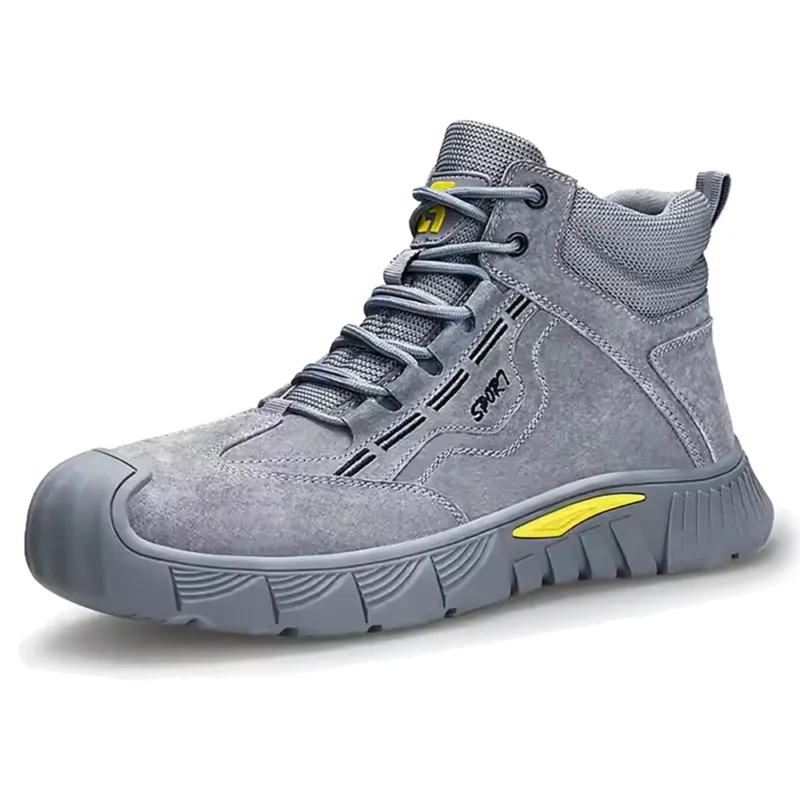
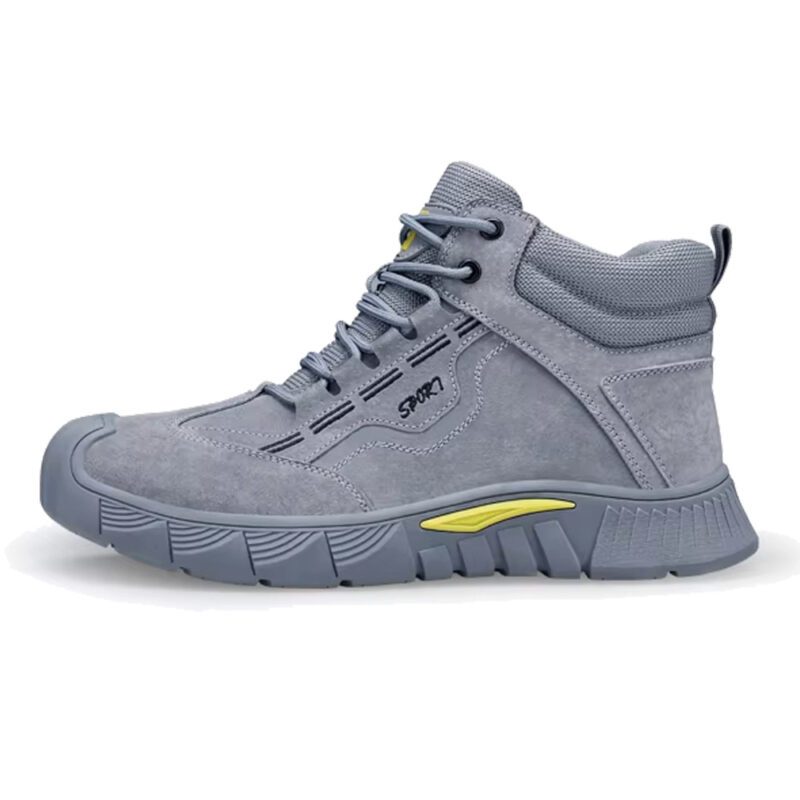
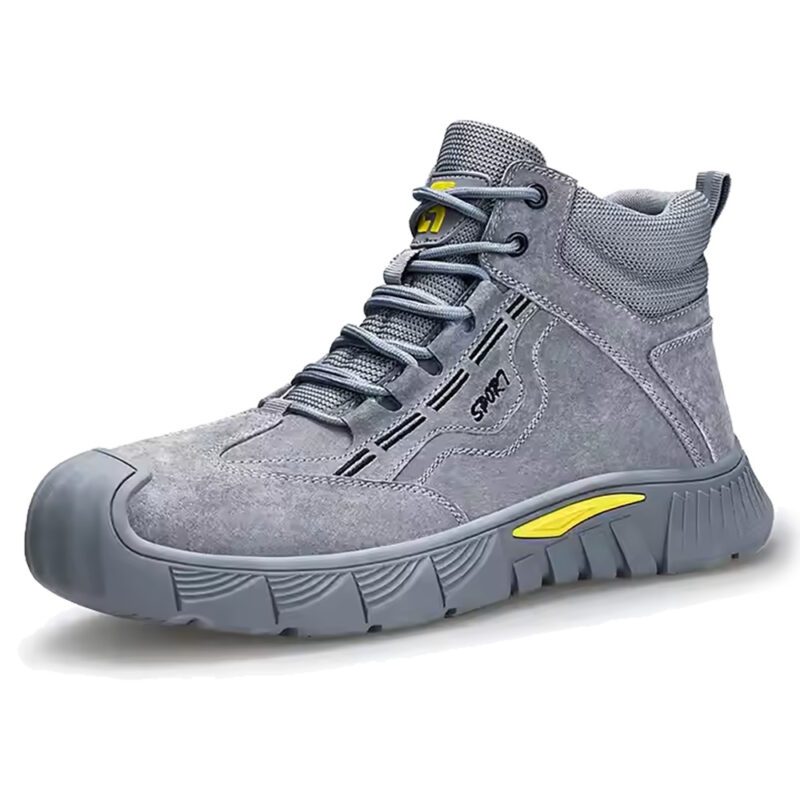
When your workday involves heavy machinery, falling objects, and unforgiving terrain, the Birks Defender Kevlar Steel Toe Safety Work Boots stand ready to protect you through it all. These boots deliver the exceptional durability, reliable protection, and all-day comfort you need to tackle any challenge and get the job done right, every single time.
Goodyear welt construction attaches the upper to the sole through stitching. This method allows complete sole replacement when worn. Cement construction bonds the sole directly to the upper using adhesive. This approach costs less but prevents resoling.
The midsole sits between the insole and outsole. It provides cushioning and structure. EVA foam offers lightweight comfort. Polyurethane delivers superior durability. Some manufacturers layer both materials to balance these qualities.
Steel toes protect against impact up to 75 pounds. Composite toes use carbon fiber or Kevlar. These materials weigh less and don’t conduct temperature. Aluminum toes fall between steel and composite in weight and protection level.
Historical Development of Work Boots
Work boots evolved from military footwear in the early 1900s. Factory workers needed protection from falling objects and sharp materials. The first safety toe cap patent appeared in Germany in 1934.
American manufacturers adopted steel toe technology during World War II. Production facilities required protective footwear for assembly line workers. The design spread to construction sites and warehouses after the war ended.
OSHA established footwear safety standards in 1970. These regulations defined impact resistance levels and testing methods. The ASTM F2413 standard replaced earlier guidelines in 2005. This specification measures compression resistance, impact resistance, and puncture resistance.
Modern work boots incorporate advanced materials developed for athletic shoes. Memory foam insoles appeared in work boots during the 1990s. Waterproof-breathable membranes entered the market shortly after. These innovations improved comfort without sacrificing protection.
Essential Safety Features
Work boots must meet specific safety ratings based on job requirements. The ASTM F2413-18 standard defines four protection levels:
- I/75: Protects against 75 foot-pounds of impact
- C/75: Withstands 2,500 pounds of compression
- PR: Puncture-resistant sole blocks penetration up to 270 pounds
- SD: Static-dissipative properties prevent electrical buildup
Electrical hazard protection insulates the wearer from open circuits up to 600 volts. The sole and heel must resist electrical flow. Look for the EH rating on the boot label.
Metatarsal guards extend protection over the top of the foot. External guards bolt onto the boot exterior. Internal guards integrate into the boot design. These features prevent crush injuries from heavy falling objects.
Slip-resistant outsoles use specialized rubber compounds. Tread patterns channel liquids away from the contact surface. The coefficient of friction measures slip resistance. Values above 0.5 indicate good traction on wet surfaces.
Chemical-resistant boots protect against specific hazardous materials. Nitrile rubber resists oils and petroleum products. Neoprene handles acids and alcohols. PVC works well with water-based chemicals. Match the boot material to your workplace hazards.
Top Work Boot Categories
Logger Boots
Logger boots feature 8 to 10-inch shafts with lace-to-toe designs. The extended lacing system allows precise fit adjustment. Raised heels measure 1.5 to 2 inches tall. This design helps grip chainsaw footboards and climbing equipment.
Vibram logger outsoles use deep lugs spaced for self-cleaning. The heel includes a defined edge for secure footing on logs. Leather thickness ranges from 2.8 to 3.2 millimeters for maximum durability.
Wellington Boots
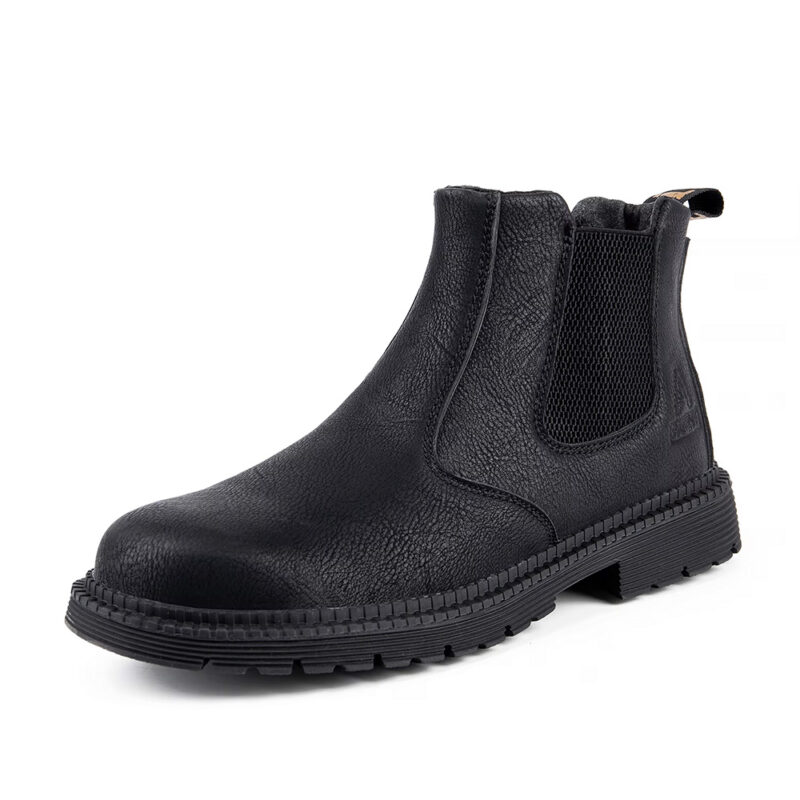
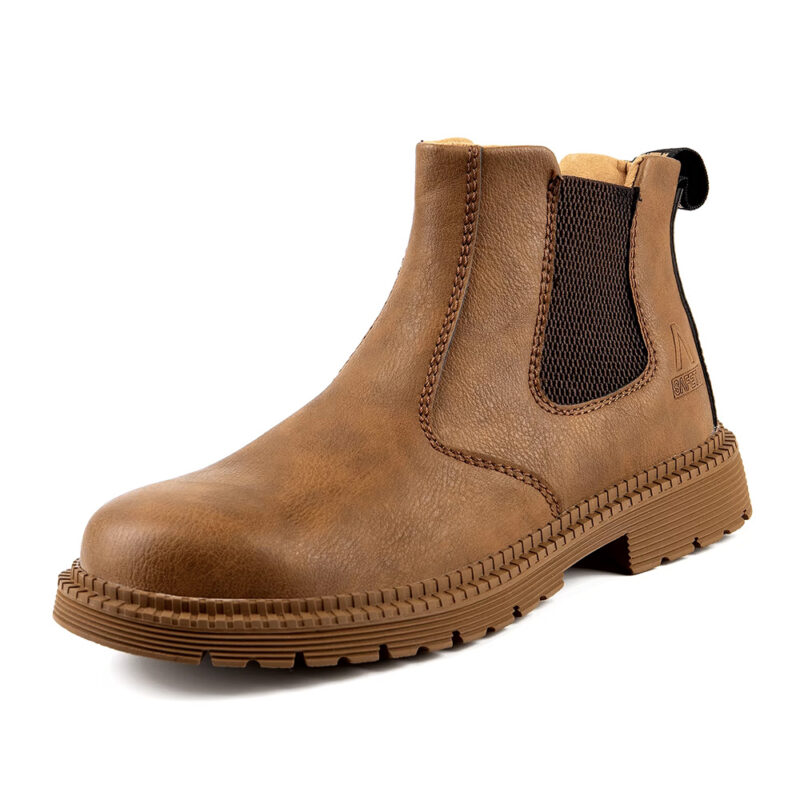
Wellington boots eliminate laces completely. The pull-on design speeds up boot removal and reduces trip hazards. Side elastic gussets accommodate different calf sizes. Heights vary from 10 to 12 inches.
These boots work well in environments where laces catch on equipment. Ranchers and agricultural workers prefer this style. The smooth exterior sheds mud and debris easily.
Met Guard Boots
Metatarsal guard boots add protection over the foot’s upper surface. The guard typically covers the area from toes to ankle. Some models use hinged guards that move with the foot. Others employ fixed guards for maximum impact resistance.
Construction workers and steel mill employees use met guard boots regularly. These jobs involve overhead work and suspended loads. The additional protection reduces injury severity from dropped tools or materials.
Insulated Boots
Insulated work boots contain synthetic or natural insulation layers. Thinsulate insulation provides warmth at 200, 400, 600, or 800 gram weights. Higher gram counts suit colder temperatures.
The insulation layer sits between the boot lining and outer leather. This placement maintains the boot’s protective features while adding warmth. Insulated boots work well for outdoor winter construction and cold storage facilities.
Key Selection Factors
Fit and Sizing
Work boots should provide 3/8 to 1/2 inch of space beyond your longest toe. Too much room causes blisters from friction. Insufficient space leads to bruised toenails and discomfort.
Width measurements range from B (narrow) to EEE (extra wide). Many workers need wide sizes to accommodate work socks. Try boots late in the day when feet naturally swell.
The heel should lift slightly during walking but not slip excessively. A properly fitted boot holds your heel firmly in the pocket. The ball of your foot should align with the boot’s widest point.
Break-In Period
Quality leather work boots require 40 to 80 hours of wear to fully conform. The leather softens and molds to your foot shape. Speed up this process by wearing boots for 2-3 hours daily at first.
Apply leather conditioner before the first wear. This treatment helps prevent excessive stiffness. Some manufacturers pre-condition their leather to reduce break-in time.
Composite toe boots typically require less break-in than steel toe versions. The synthetic materials flex more easily from the start. Full-grain leather still needs time to adapt regardless of toe type.
Weight Considerations
Work boot weight ranges from 2 to 4 pounds per pair. Heavier boots provide more protection but increase fatigue. Workers who walk extensively should prioritize lighter options.
Steel toe boots weigh approximately 0.5 pounds more than composite toe equivalents. This difference becomes significant during a 10-hour shift. Calculate that each step lifts this extra weight thousands of times daily.
Lightweight boots use thinner leather and simplified construction. These trade-offs may reduce overall lifespan. Balance weight against expected boot longevity for your specific use case.
When your workday involves heavy machinery, falling objects, and unforgiving terrain, the Birks Defender Kevlar Steel Toe Safety Work Boots stand ready to protect you through it all. These boots deliver the exceptional durability, reliable protection, and all-day comfort you need to tackle any challenge and get the job done right, every single time.
Work Boot Comparison
| Feature | Steel Toe | Composite Toe | Soft Toe |
|---|---|---|---|
| Impact Protection | 75 ft-lbs | 75 ft-lbs | None |
| Weight | Heavy | Light | Lightest |
| Temperature Transfer | High | None | None |
| Airport Security | Sets off detectors | Passes through | Passes through |
| Electrical Hazard | No | Yes | Varies |
| Cost | $100-$200 | $120-$250 | $80-$150 |
| Durability | Excellent | Very Good | Good |
Maintenance and Care
Daily Cleaning
Remove dirt and debris after each shift. Dried mud traps moisture against the leather. Use a stiff brush for caked-on materials. Wipe smooth leather with a damp cloth.
Empty boots completely and shake out loose particles. Small stones and grit cause premature wear on insoles. Check for embedded nails or metal shavings in the sole.
Conditioning Schedule
Apply leather conditioner every 4 to 6 weeks. This treatment replaces oils lost through wear and cleaning. Products containing mink oil or neatsfoot oil penetrate deeply.
Avoid over-conditioning, which weakens leather fibers. A thin layer applied evenly works better than heavy saturation. Let boots dry naturally for 24 hours after treatment.
Storage Practices
Store work boots in a cool, dry location. Excessive heat damages adhesives and dries out leather. Direct sunlight causes fading and cracking.
Use boot trees or stuff boots with newspaper to maintain shape. This prevents creasing at the toe box and ankle. Ensure boots dry completely between shifts to prevent mold growth.
Replace insoles every 3 to 6 months depending on use frequency. Worn insoles reduce arch support and cushioning. Quality replacement insoles cost $20 to $40 per pair.
Resoling Options
Goodyear welt boots accept new soles after the original wears through. Resoling costs $80 to $120 versus $150 to $300 for new boots. This service extends boot life by 2 to 5 years.
Inspect stitching regularly for separation or damage. Loose threads indicate the welt may need repair. Address these issues promptly to prevent complete sole detachment.
Selecting Your Ideal Work Boot
Follow this systematic approach to find the best work boot:
- Identify required safety ratings based on your workplace hazards
- Determine necessary features such as waterproofing, insulation, or chemical resistance
- Measure both feet late in the day for accurate sizing
- Try multiple brands since sizing varies between manufacturers
- Test the fit by walking on inclines and stairs
- Verify the return policy before purchasing
- Break in gradually to prevent blisters and discomfort
The best work boot matches your specific job demands with appropriate protection levels. Construction workers need different features than warehouse staff. Outdoor laborers require weatherproofing that indoor workers can skip.
Budget $150 to $250 for quality work boots that last 12 to 24 months. Cheaper options wear out faster and provide less protection. Premium boots approaching $300 offer extended warranties and superior materials.
Read manufacturer specifications carefully before buying. Marketing claims don’t always match actual certifications. Look for ASTM ratings printed on the boot tongue or packaging.
Consider buying two pairs and alternating daily. This practice extends total lifespan by allowing complete drying between wears. Moisture trapped in boots accelerates material breakdown.
Your work boots directly impact daily comfort and long-term foot health. Poor-fitting or inadequate boots cause pain, injuries, and lost productivity. Invest time in proper selection and maintenance to protect your most valuable work assets—your feet.
When your workday involves heavy machinery, falling objects, and unforgiving terrain, the Birks Defender Kevlar Steel Toe Safety Work Boots stand ready to protect you through it all. These boots deliver the exceptional durability, reliable protection, and all-day comfort you need to tackle any challenge and get the job done right, every single time.