
Are Knee High Boots Appropriate for Work?

Understanding Workplace Boot Standards
Knee high boots can be appropriate for work. The answer depends on your industry, office culture, and boot style. Professional environments range from conservative corporate offices to creative studios. Each setting has different dress code expectations.
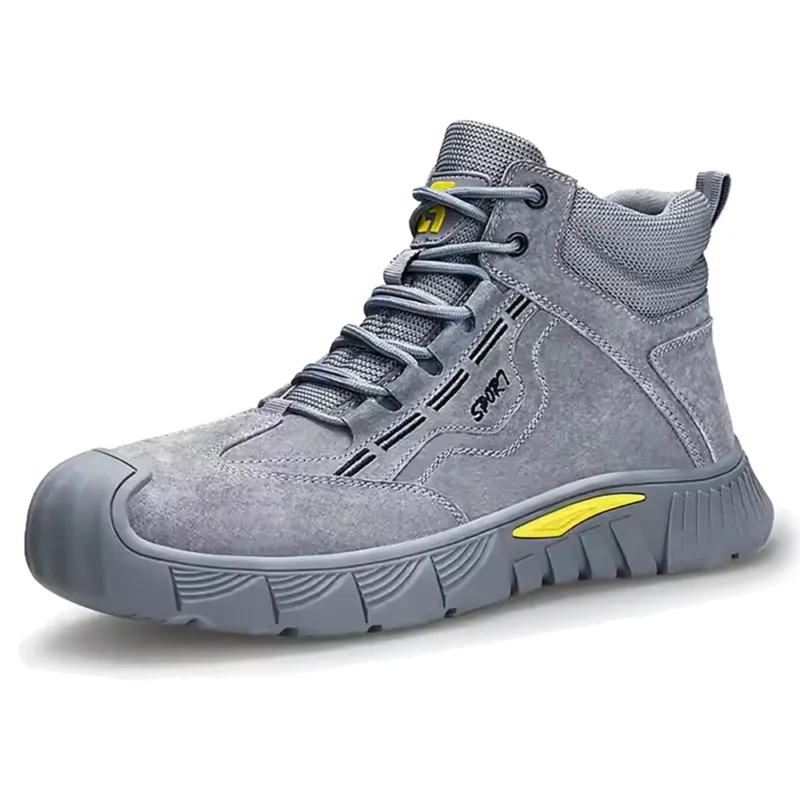
When your workday involves heavy machinery, falling objects, and unforgiving terrain, the Birks Defender Kevlar Steel Toe Safety Work Boots stand ready to protect you through it all. These boots deliver the exceptional durability, reliable protection, and all-day comfort you need to tackle any challenge and get the job done right, every single time.
Business formal offices typically require closed-toe shoes in neutral colors. Business casual workplaces offer more flexibility. Creative industries often welcome bold fashion choices.
Your boots must align with your company’s written dress code. Review your employee handbook before purchasing. Many workplaces specify heel height, color restrictions, and style requirements.
History of Boots in Professional Settings
Knee high boots entered the workplace during the 1960s. Women began wearing them as fashion statements that challenged traditional office attire. The style gained acceptance slowly over decades.
By the 1980s, boots became common in business casual environments. Fashion designers created sleeker silhouettes suitable for professional settings. The boot heel height decreased. Materials shifted from patent leather to matte finishes.
The 2000s brought riding boots into office fashion. These boots featured minimal hardware and clean lines. They paired well with tailored pants and skirts. Corporate America gradually accepted boots as legitimate work footwear.
Today’s workplace boot acceptance varies by region and industry. Major cities show greater tolerance for diverse styles. Tech companies embrace casual boot choices. Law firms and financial institutions maintain stricter standards.
Types of Knee High Boots for Work
Riding Boots
Riding boots offer the most professional appearance. These boots feature:
- Flat or low heels (1-2 inches)
- Smooth leather construction
- Minimal decorative elements
- Knee-hugging fit
- Brown or black color options
Riding boots work well in business casual offices. They pair with dress pants, pencil skirts, and shift dresses. The classic design reads as polished rather than trendy.
Dress Boots
Dress boots include moderate heels and refined details. Key features include:
- Heel heights from 2-3 inches
- Premium leather or suede
- Subtle zipper closures
- Streamlined silhouettes
- Neutral color palettes
These boots suit business professional environments. They elevate your outfit without appearing overly casual. Dress boots work for client meetings and presentations.
Flat Boots
Flat knee high boots provide comfort for long workdays. Characteristics include:
- Zero to one-inch heels
- Flexible leather or synthetic materials
- Pull-on or side zip designs
- Relaxed fit through the leg
- Versatile color options
Flat boots fit casual office environments. They work for jobs requiring movement throughout the day. Teachers, healthcare administrators, and retail managers benefit from this style.
Workplace Boot Comparison
| Boot Type | Heel Height | Best Workplace | Formality Level | Comfort Rating |
|---|---|---|---|---|
| Riding Boots | 1-2 inches | Business Casual | Medium-High | High |
| Dress Boots | 2-3 inches | Business Professional | High | Medium |
| Flat Boots | 0-1 inches | Casual Office | Low-Medium | Very High |
| Western Boots | 1.5-2 inches | Creative/Casual | Low | Medium |
Industry-Specific Guidelines
Corporate Offices
Corporate environments require conservative boot choices. Select boots in black, brown, or dark gray. Avoid embellishments like buckles, studs, or contrast stitching. Keep heel heights between one and two inches.
Pair boots with tailored trousers that cover the boot shaft. Alternatively, wear them with knee-length skirts and opaque tights. The goal is seamless integration with your professional wardrobe.
Creative Industries
Marketing agencies, design firms, and media companies allow expressive boot styles. You can wear:
- Boots with unique textures
- Colors beyond basic neutrals
- Higher heel options
- Decorative hardware
- Mixed material construction
Match your boots to the creative energy of your workplace. Observe what senior colleagues wear. Follow their lead on acceptable style boundaries.
Healthcare Settings
Medical professionals need boots that meet specific criteria. Look for:
- Closed-toe designs
- Non-slip soles
- Easy-to-clean materials
- Comfortable fit for 8-12 hour shifts
- Professional appearance
Many hospitals prohibit open-toe or open-heel footwear. Check your facility’s dress code policy. Safety requirements often override fashion preferences.
Education
Teachers can wear knee high boots in most school settings. Elementary schools accept casual boot styles. High schools and universities allow more fashion-forward options.
Choose boots you can stand in comfortably for extended periods. Avoid extremely high heels that limit mobility. Select materials that withstand classroom conditions.
When your workday involves heavy machinery, falling objects, and unforgiving terrain, the Birks Defender Kevlar Steel Toe Safety Work Boots stand ready to protect you through it all. These boots deliver the exceptional durability, reliable protection, and all-day comfort you need to tackle any challenge and get the job done right, every single time.
Key Selection Criteria
Material Quality
Professional boots require durable materials. Genuine leather offers the best longevity and professional appearance. It molds to your leg shape over time. Leather boots can last five years or more with proper care.
Suede provides a softer look suitable for business casual settings. It requires more maintenance than smooth leather. Suede shows water damage easily and needs protective spray treatments.
Synthetic materials cost less but may not last as long. High-quality synthetics can fool the eye at first glance. They work well for tight budgets or trend-focused purchases.
Fit Standards
Proper boot fit prevents discomfort and unprofessional appearance. Measure your calf circumference at its widest point. Compare this measurement to manufacturer sizing charts.
Boots should fit snugly but not tightly around your calf. You should fit one finger between the boot shaft and your leg. The heel should not slip when walking.
Boot shaft height matters for proportion. Shorter individuals may find traditional knee high boots overwhelming. Seek boots that end just below your knee rather than above it.
Color Selection
Neutral colors offer maximum versatility. Black boots pair with most professional wardrobes. Brown boots work well in business casual environments. Dark gray provides a modern alternative.
Black boots suit formal offices and client-facing roles. They match dark suits and dresses easily. Black hides scuffs better than lighter colors.
Brown boots create a softer, approachable look. Choose chocolate or cognac shades for professional settings. Avoid light tan or camel colors in conservative offices.
Heel Height Decisions
Heel height affects both comfort and appropriateness. One to two inches provides stability without sacrificing style. This range works for most professional environments.
Three-inch heels suit fashion-forward offices and special events. They elongate your silhouette but reduce comfort during long days. Reserve higher heels for days with limited walking.
Flat boots offer maximum comfort but may read as too casual for formal offices. They work best in relaxed business environments or creative fields.
Styling Knee High Boots for Work
With Pants
Tuck straight-leg or skinny pants into your boots. This creates a sleek, streamlined silhouette. Choose pants in solid colors that complement your boots.
Alternatively, wear bootcut or wide-leg pants over your boots. The pant hem should cover the boot shaft entirely. This approach works well in conservative offices.
With Skirts
Pair knee high boots with knee-length pencil skirts. Leave a small gap between boot top and skirt hem. Wear opaque tights in coordinating colors.
A-line skirts also work with knee high boots. Ensure the skirt length falls at or slightly above the knee. This proportion looks balanced and professional.
With Dresses
Shift dresses pair beautifully with knee high boots. Choose dresses that end at the knee. Add a blazer for additional polish in formal settings.
Sweater dresses create a cohesive cold-weather look. Select fitted styles rather than oversized silhouettes. The structure maintains professional appearance.
Boot Maintenance for Professional Appearance
Regular maintenance extends boot life and preserves professional appearance. Clean boots weekly using appropriate products for your boot material.
Leather boot care:
- Wipe down with damp cloth after each wear
- Apply leather conditioner monthly
- Use shoe trees to maintain shape
- Rotate boots to allow drying between wears
- Repair scuffs immediately with matching polish
Suede boot care:
- Brush with suede brush after each wear
- Apply protective spray before first use
- Address stains with suede eraser
- Avoid wearing in wet conditions
- Store away from direct sunlight
Store boots upright using boot shapers or rolled magazines. This prevents creasing and maintains the boot shaft shape. Keep boots in a cool, dry location away from heat sources.
Common Workplace Boot Mistakes
Style Errors
Avoid these common mistakes:
- Over-the-knee boots in conservative offices
- Stiletto heels above three inches
- Heavy embellishments like large buckles or studs
- Distressed leather that appears worn
- Bright colors in formal business settings
Fit Problems
Poor fit undermines professional appearance. Boots that slouch appear sloppy. Boots that bind your calves look uncomfortable and restrict movement.
Too-tall boots create awkward proportions. The boot shaft should not extend above your knee. This height appears costume-like rather than professional.
Coordination Issues
Your boots must work with your entire outfit. Avoid clashing colors or competing patterns. Keep your overall look cohesive and intentional.
Match metal hardware on boots to your belt buckle and jewelry. Mix metals carefully or stick to one metal tone throughout your outfit.
Making the Final Decision
Assess your specific workplace before investing in knee high boots. Observe what colleagues and supervisors wear. Notice any patterns in acceptable footwear choices.
Start with one pair of classic riding boots in black or brown. These offer the most versatility across professional settings. Add additional styles as you gauge workplace reception.
Consider your daily responsibilities. Customer-facing roles require more conservative choices. Back-office positions may allow greater style flexibility.
Budget appropriately for quality boots. Plan to spend $150-$400 for boots that last multiple seasons. Cheaper boots may need replacement within one year.
Knee high boots can be appropriate for work when chosen carefully. They offer warmth, style, and professionalism in the right settings. Select boots that match your industry standards, fit properly, and maintain a polished appearance. With proper care and thoughtful styling, knee high boots become valuable additions to your professional wardrobe.
When your workday involves heavy machinery, falling objects, and unforgiving terrain, the Birks Defender Kevlar Steel Toe Safety Work Boots stand ready to protect you through it all. These boots deliver the exceptional durability, reliable protection, and all-day comfort you need to tackle any challenge and get the job done right, every single time.
