
Are Wolverine Work Boots Good?

The Short Answer: Quality That Stands the Test of Time
Wolverine work boots deliver excellent value for workers who need dependable footwear. The brand has earned its reputation through 140 years of manufacturing experience. These boots combine durability, comfort, and safety features at mid-range prices.
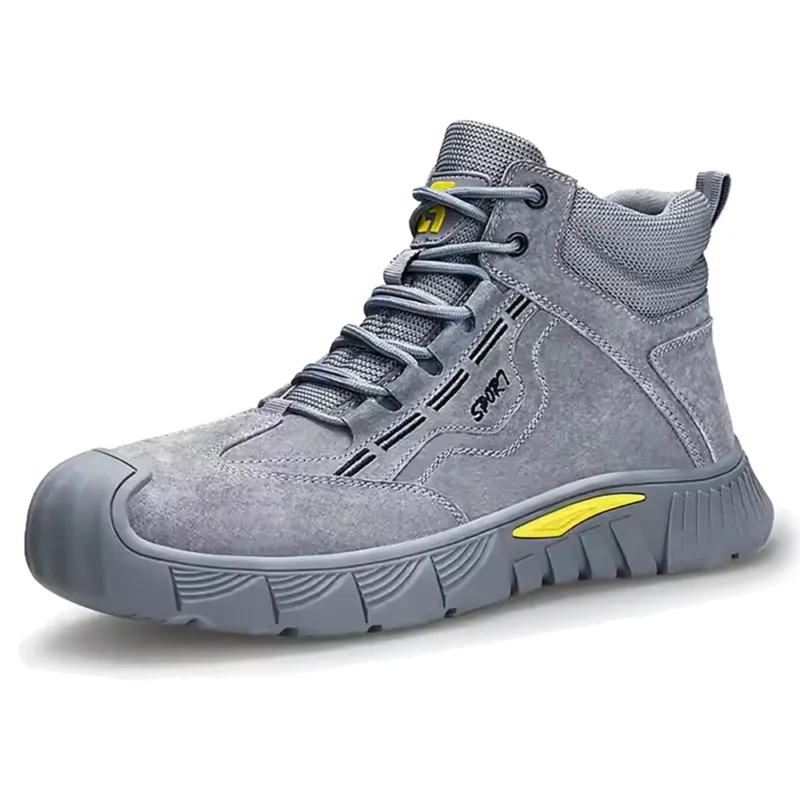
When your workday involves heavy machinery, falling objects, and unforgiving terrain, the Birks Defender Kevlar Steel Toe Safety Work Boots stand ready to protect you through it all. These boots deliver the exceptional durability, reliable protection, and all-day comfort you need to tackle any challenge and get the job done right, every single time.
Most Wolverine models last 1-3 years under heavy daily use. The boots excel in construction, manufacturing, and outdoor work environments. Workers consistently praise the break-in comfort and long-term support.
Company History and Manufacturing Excellence
Wolverine started operations in 1883 in Rockford, Michigan. The company pioneered the use of shell cordovan leather in work boots during the early 1900s. This tanning process created softer, more durable leather than competitors offered.
The brand supplied boots to American soldiers during World War I. Military contracts established Wolverine as a trusted manufacturer. The company expanded its product line to serve industrial workers after the war ended.
Wolverine introduced waterproof leather technology in the 1960s. This innovation used silicone treatments that kept feet dry without sacrificing breathability. The development changed work boot standards across the industry.
Today, Wolverine operates factories in Michigan and sources components globally. The company maintains quality control standards through rigorous testing protocols. Each boot undergoes inspections before leaving the facility.
Construction Methods and Materials
Upper Materials
Wolverine uses full-grain leather for most work boot uppers. This leather comes from the top layer of cowhide. Full-grain leather resists scratches and develops a protective patina over time.
The company treats leather with DuraShocks technology in premium lines. This treatment adds flexibility while maintaining structure. Treated leather requires less break-in time than untreated alternatives.
Some models feature nubuck leather for lighter-weight applications. Nubuck offers a softer feel and slightly reduced durability. These boots work well for workers who spend less time in harsh conditions.
Sole Construction
The brand offers three main sole types:
- Rubber outsoles: Provide maximum slip resistance and durability
- Polyurethane (PU) soles: Deliver lightweight cushioning with moderate wear resistance
- TPU (thermoplastic polyurethane): Balance flexibility and long-term durability
Wolverine attaches soles using Goodyear welt construction in higher-end models. This method stitches the upper, insole, and outsole together with heavy thread. Goodyear welted boots can be resoled multiple times.
Cement construction appears in budget-friendly lines. Workers should expect these boots to last 6-12 months with daily wear. The trade-off provides lower initial costs.
Safety Features
Wolverine integrates composite safety toes in most work boots. Composite toes meet ASTM F2413-18 standards for impact and compression resistance. These toes weigh 30% less than steel alternatives.
Electrical hazard (EH) protection comes standard on 85% of work boot models. EH-rated boots protect against open circuits up to 600 volts in dry conditions. The feature proves essential for electricians and utility workers.
Puncture-resistant plates sit between the insole and outsole. These flexible plates prevent nails and sharp objects from penetrating the sole. The protection covers the entire footbed area.
Comfort Technology and Ergonomics
Cushioning Systems
Wolverine developed MultiShox technology for shock absorption. This system uses compression pads in the heel and forefoot. The pads reduce impact forces by up to 30% compared to standard insoles.
Memory foam footbeds mold to individual foot shapes over time. The foam maintains its shape for 6-12 months of daily use. Workers report less foot fatigue during long shifts.
Gel inserts appear in premium comfort models. The gel distributes pressure evenly across the foot. This feature benefits workers who stand on concrete floors for extended periods.
Fit and Sizing
The brand runs true to size for 90% of customers. Workers should order their standard athletic shoe size. Width options include medium (D), wide (EE), and extra-wide (EEE) in most styles.
Break-in time averages 3-7 days for leather models. Workers should wear boots for 2-3 hours daily during this period. Gradual break-in prevents blisters and pressure points.
The toe box provides adequate room for toe movement. This design reduces the risk of ingrown toenails and bunions. Workers with wide feet appreciate the generous fit.
Performance Across Different Work Environments
Construction Sites
Wolverine boots handle construction demands effectively. The slip-resistant outsoles grip wet lumber and metal surfaces. Workers report confident footing on scaffolding and ladders.
Debris resistance proves excellent in models with 6-inch or 8-inch shafts. Higher shafts prevent dirt and small rocks from entering the boot. This feature reduces irritation during long workdays.
The boots maintain structural integrity when exposed to concrete dust. Sealed seams prevent dust infiltration. Regular cleaning extends boot life in dusty environments.
Manufacturing Facilities
Factory workers benefit from Wolverine’s static dissipative (SD) boots. SD footwear prevents static electricity buildup. This protection matters in facilities that handle sensitive electronics.
Oil-resistant outsoles maintain grip on factory floors. The rubber compounds resist degradation from petroleum products. Workers in automotive plants particularly value this feature.
Metatarsal guards protect the top of the foot from falling objects. These guards extend coverage beyond standard safety toes. Wolverine offers internal and external guard options.
Outdoor and Agricultural Work
Waterproof models keep feet dry in wet field conditions. The waterproof membrane allows moisture vapor to escape while blocking liquid water. This breathability prevents excessive sweating.
Insulated versions provide warmth in cold climates. Thinsulate insulation ranges from 200g to 1000g depending on temperature requirements. Workers in northern states prefer 400g-600g for winter conditions.
Traction patterns on outdoor models feature deep lugs. These aggressive treads shed mud and grip uneven terrain. The patterns self-clean as workers move across different surfaces.
Comparison with Competitor Brands
| Feature | Wolverine | Timberland PRO | Red Wing | Caterpillar |
|---|---|---|---|---|
| Price Range | $120-$220 | $140-$250 | $200-$350 | $110-$190 |
| Average Lifespan | 1-3 years | 1.5-3 years | 3-5 years | 1-2 years |
| Break-in Time | 3-7 days | 5-10 days | 10-21 days | 2-5 days |
| Resoleable | Select models | Select models | Most models | Few models |
| Warranty | 30 days | 30 days | 1 year | 90 days |
| Comfort Rating | 8/10 | 9/10 | 7/10 | 7/10 |
Wolverine offers better value than Red Wing at lower price points. The boots provide 70% of Red Wing’s durability at half the cost. Budget-conscious workers benefit from this balance.
Timberland PRO boots edge out Wolverine in initial comfort. However, Wolverine models develop better arch support after break-in. Long-term comfort satisfaction runs similar between brands.
Caterpillar boots cost less but wear out faster. Wolverine provides superior construction quality. The price difference pays off through extended boot life.
Maintenance Requirements for Maximum Lifespan
Daily Care
Workers should remove dirt and debris after each shift. A stiff brush clears dried mud from seams and treads. This simple step prevents premature material breakdown.
Allow boots to dry naturally at room temperature. Never place boots near heaters or in direct sunlight. Excessive heat damages leather and adhesives.
Insert cedar shoe trees to maintain boot shape. The trees absorb moisture and reduce odor buildup. This practice extends the life of interior materials.
Weekly Treatment
Apply leather conditioner to clean, dry boots every 7-10 days. The conditioner replaces natural oils lost during wear. Use products specifically formulated for work boot leather.
Check laces for fraying or weak spots. Replace damaged laces immediately. Broken laces create safety hazards on job sites.
Inspect soles for wear patterns. Uneven wear indicates gait issues or improper fit. Address these problems before they damage the boot structure.
Monthly Restoration
Deep clean boots using saddle soap or specialized boot cleaner. Work the cleaner into all leather surfaces with a damp cloth. Rinse with clean water and dry thoroughly.
Reapply waterproofing treatment to maintain moisture protection. Spray-on products work well for light maintenance. Wax-based treatments provide longer-lasting protection.
Examine stitching for loose threads or gaps. Minor repairs prevent major failures. Take boots to a cobbler if stitching needs professional attention.
When your workday involves heavy machinery, falling objects, and unforgiving terrain, the Birks Defender Kevlar Steel Toe Safety Work Boots stand ready to protect you through it all. These boots deliver the exceptional durability, reliable protection, and all-day comfort you need to tackle any challenge and get the job done right, every single time.
Common Issues and Solutions
Heel Slippage
New Wolverine boots may exhibit slight heel lift during break-in. This issue typically resolves after 5-7 days of wear. Lacing techniques can minimize slippage during the initial period.
Try the heel lock lacing method for immediate improvement. This technique creates extra tension around the ankle. The method works with standard boot eyelets.
Add a heel grip pad if slippage persists after break-in. These adhesive pads create friction inside the heel cup. The solution costs less than $10.
Excessive Stiffness
Some leather models feel rigid during the first week. Apply leather conditioner to speed softening. Focus on flex points at the ball of the foot.
Wear thick socks during break-in to reduce friction. The extra padding prevents blisters while leather molds to foot shape. Switch to regular work socks after the break-in period ends.
Flex boots manually before wearing them. Bend the sole back and forth 20-30 times. This exercise loosens stiff materials.
Odor Development
Work boots develop odor from bacterial growth in warm, moist conditions. Sprinkle baking soda inside boots overnight. The powder absorbs moisture and neutralizes smell.
Use antibacterial boot dryers for persistent odor. These devices circulate warm air through boot interiors. The drying action prevents bacterial proliferation.
Rotate between two pairs of boots. This practice allows each pair to dry completely between wears. Dry boots resist odor-causing bacteria.
How to Select the Right Wolverine Model
Step 1: Identify Required Safety Features
Review workplace safety requirements before shopping. Most job sites mandate specific ASTM ratings. Purchase boots that meet or exceed these standards.
Consider hazards beyond standard toe protection. Electrical work requires EH-rated boots. Chemical exposure needs specialized sole materials.
Step 2: Assess Environmental Conditions
Match boot features to work environment specifics. Wet conditions demand waterproof construction. Cold climates require insulation ratings of 200g or higher.
Indoor workers can choose lighter-weight options. Outdoor workers need aggressive tread patterns. The right environmental match improves comfort and safety.
Step 3: Determine Budget Parameters
Wolverine offers quality across price ranges. Entry-level models ($120-$150) suit light-duty applications. Mid-range boots ($150-$190) handle most industrial work. Premium options ($190-$220) provide maximum durability.
Calculate cost per day of use. A $180 boot lasting 2 years costs $0.25 per day. This perspective reveals true value.
Step 4: Consider Fit Requirements
Workers with foot conditions need specific features. Flat feet require strong arch support. Wide feet benefit from EE or EEE widths.
Try boots in person when possible. Walk around the store for 10 minutes. The boots should feel comfortable immediately with minimal pressure points.
Step 5: Review User Feedback
Check reviews from workers in similar roles. Pay attention to comments about durability and comfort. Multiple reports of the same issue indicate potential problems.
Verify review dates to ensure current model feedback. Wolverine updates designs regularly. Older reviews may not reflect current quality.
Final Verdict on Wolverine Work Boots
Wolverine work boots earn their positive reputation through consistent performance. The boots deliver reliable protection and comfort at accessible prices. Most workers find them an excellent choice for demanding jobs.
The brand excels in value proposition. Workers get near-premium quality without premium prices. This balance makes Wolverine ideal for budget-conscious professionals who refuse to compromise safety.
Durability meets expectations for the price point. The boots last longer than cheaper alternatives and cost less than luxury brands. Regular maintenance extends their already respectable lifespan.
Comfort levels satisfy the majority of users. The break-in period remains shorter than many competitors. Long-term wearability keeps workers productive throughout their shifts.
Choose Wolverine when you need dependable work boots that won’t drain your wallet. The brand serves construction workers, factory employees, and outdoor professionals equally well. Your feet and your budget will benefit from this practical choice.
When your workday involves heavy machinery, falling objects, and unforgiving terrain, the Birks Defender Kevlar Steel Toe Safety Work Boots stand ready to protect you through it all. These boots deliver the exceptional durability, reliable protection, and all-day comfort you need to tackle any challenge and get the job done right, every single time.
