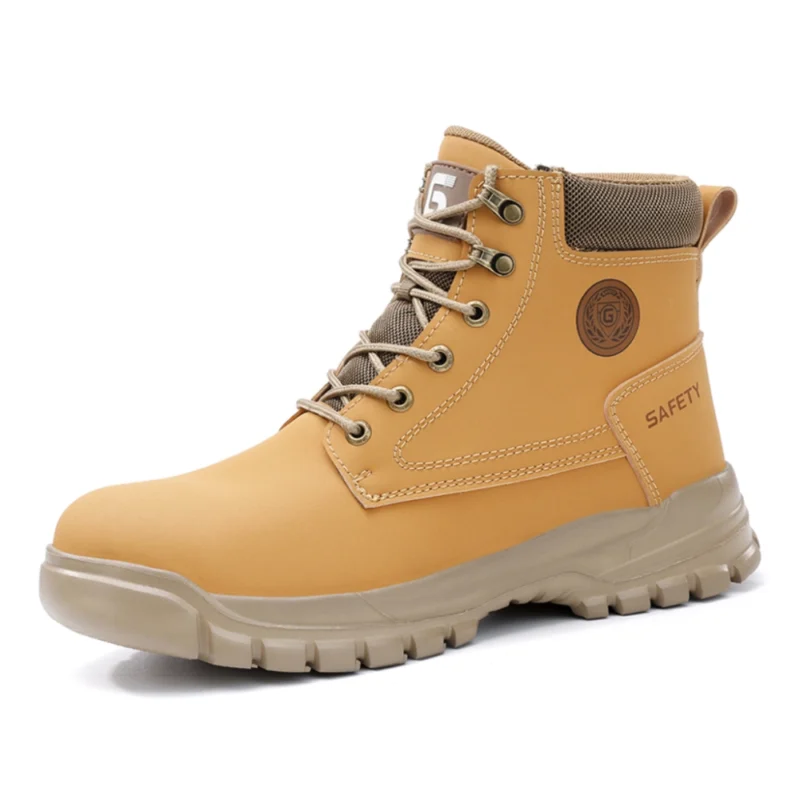
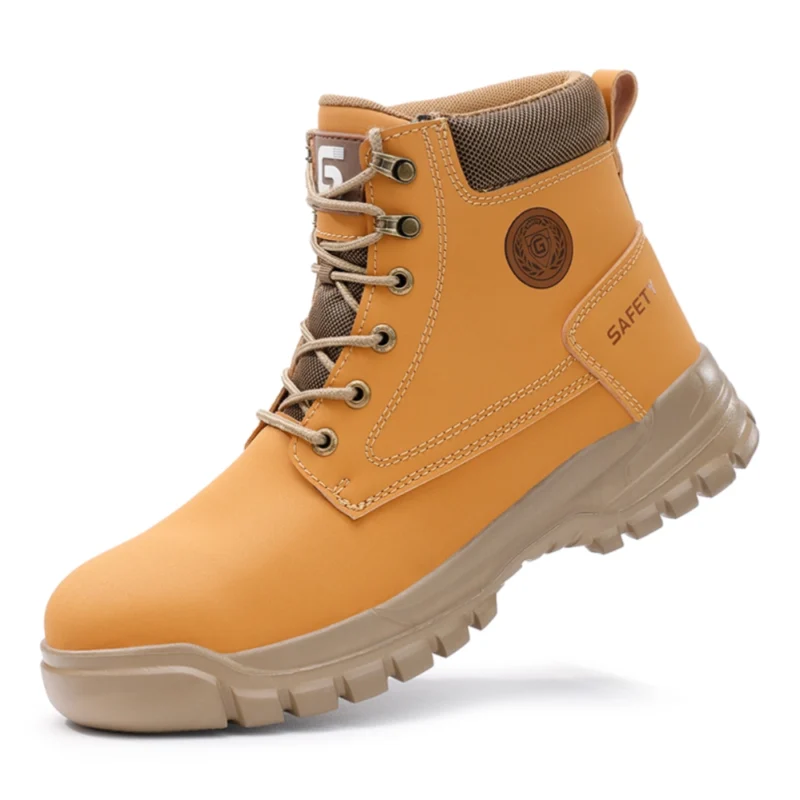
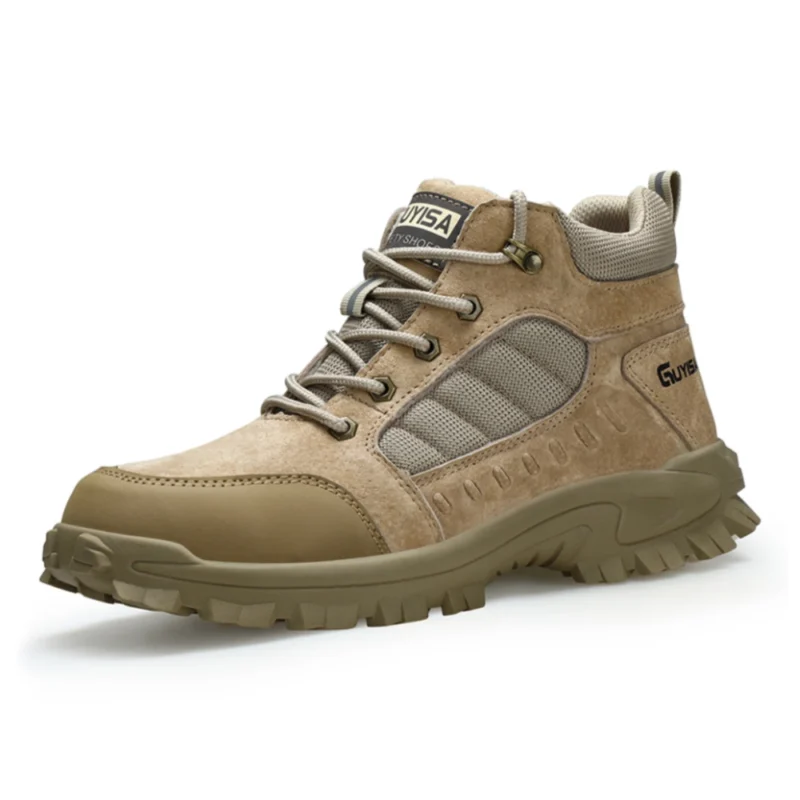
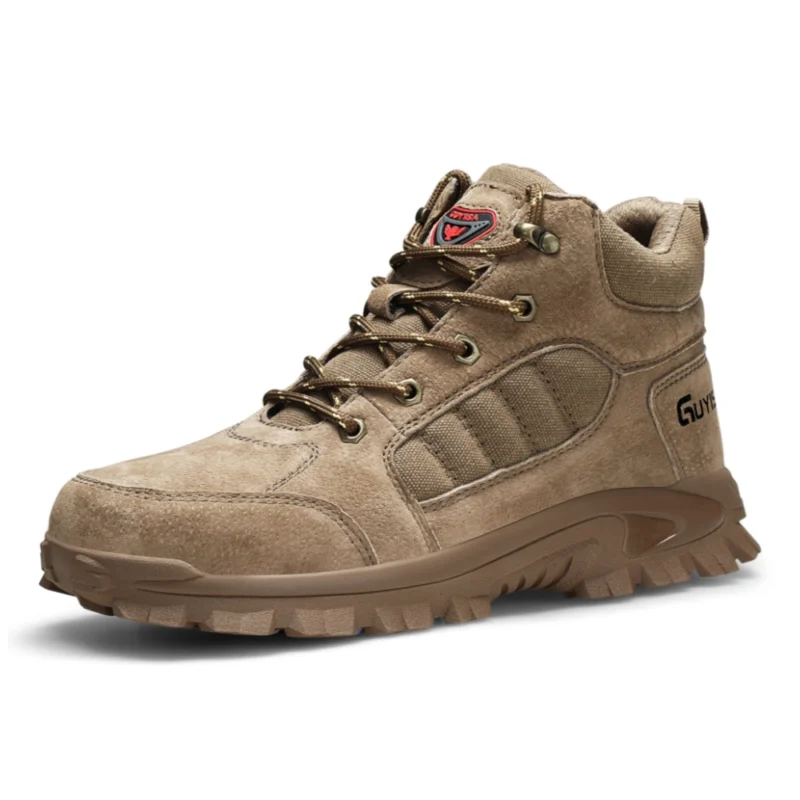
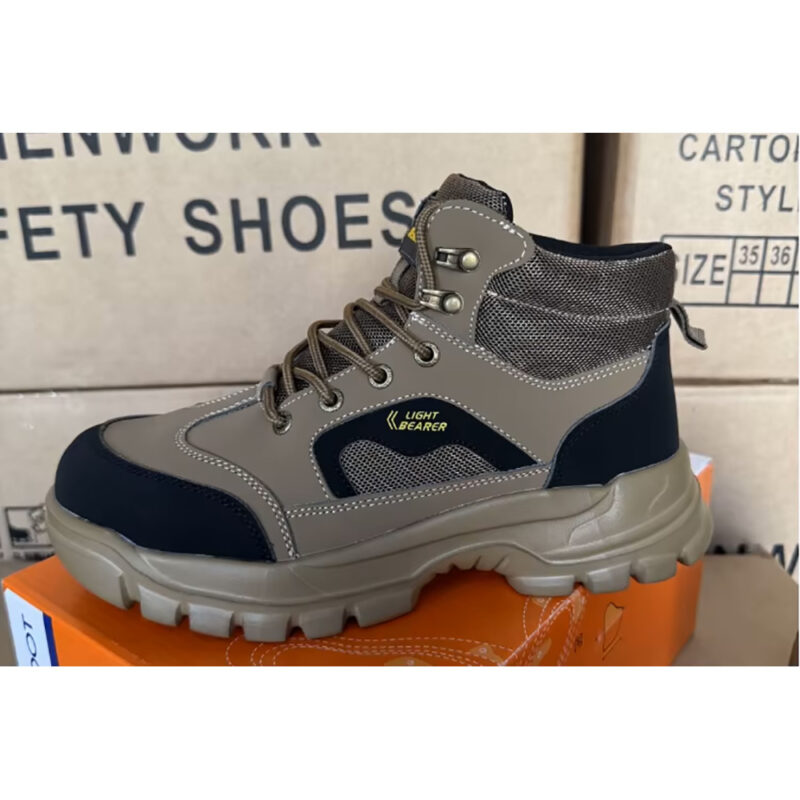
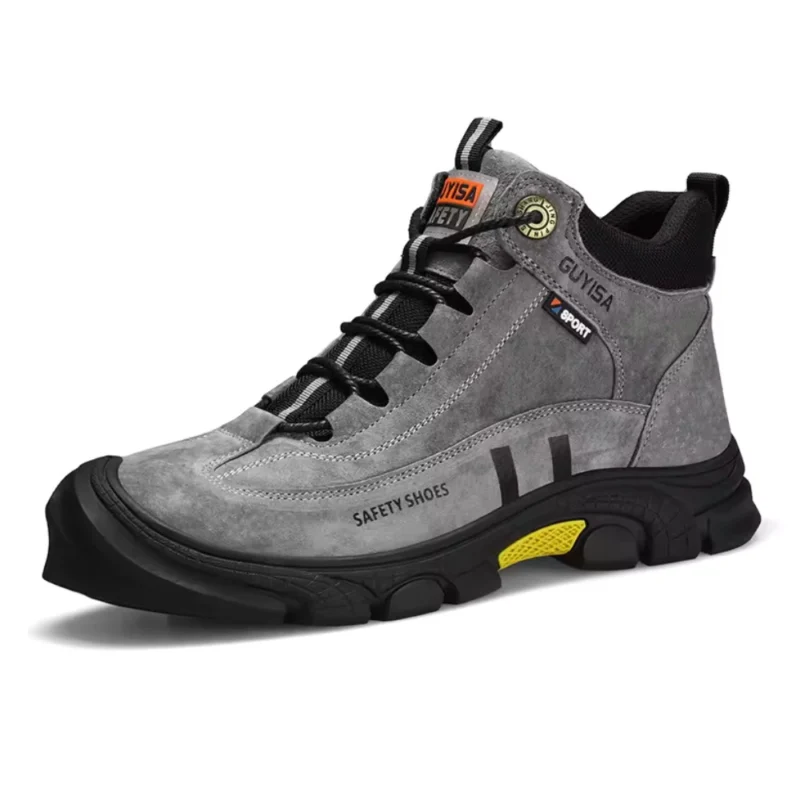
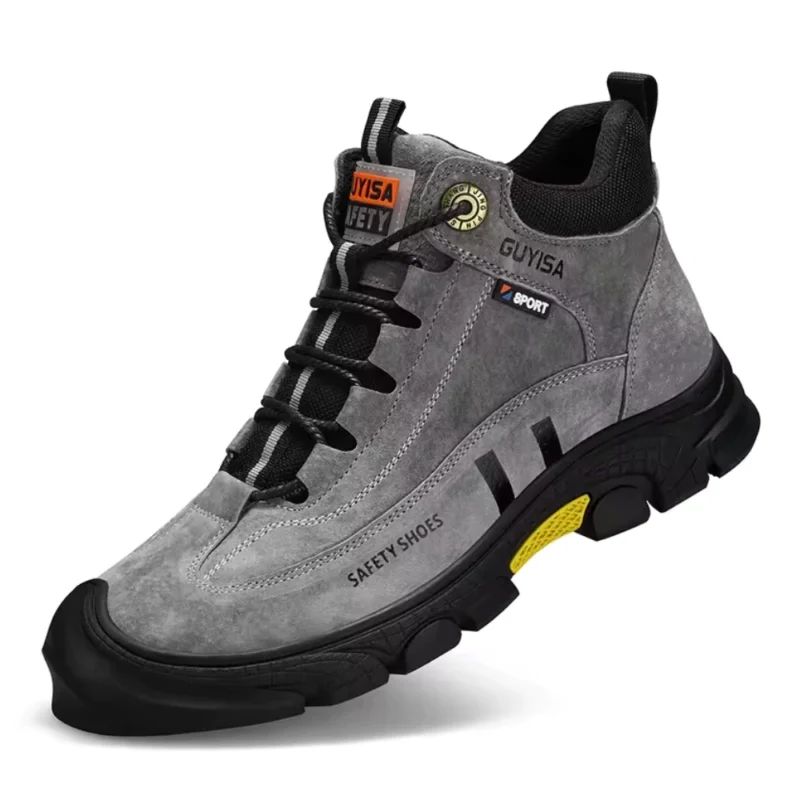
Bricklayer Boots and Shoes: Professional Footwear for Construction Work
Bricklayer boots provide essential protection and comfort for construction workers who handle brick, stone, and concrete daily. These specialized work shoes offer safety features that address the specific hazards present on masonry job sites.
Professional bricklayers face multiple foot hazards during their workday. Falling bricks can cause serious injuries without proper toe protection. Sharp mortar tools and metal reinforcement bars create puncture risks. Wet surfaces from mixing cement increase slip dangers. Quality bricklayer shoes address each of these concerns through engineered safety features.
Key Safety Features in Bricklayer Boots
Steel toe caps represent the primary defense against crushing injuries. These reinforced sections meet ASTM F2413 standards, protecting feet from impacts up to 75 pounds. Composite toe options offer similar protection with reduced weight for workers who prefer lighter footwear.
Puncture-resistant midsoles prevent nails, wire, and sharp debris from penetrating through the boot bottom. This feature proves critical when working around construction waste or demolished structures. The protective layer stops objects up to certain force levels while maintaining boot flexibility.
Slip-resistant outsoles use specialized rubber compounds and tread patterns. Deep lugs channel away water and mortar slurry, maintaining traction on wet scaffold boards and muddy ground. The outsole design grips both smooth concrete and rough stone surfaces effectively.
Comfort Elements for Long Work Days
Bricklayers spend hours standing, kneeling, and moving across uneven terrain. Proper footwear reduces physical strain through multiple comfort technologies.
Cushioned footbeds absorb shock from walking on hard surfaces and jumping down from heights. Memory foam and EVA materials conform to individual foot shapes, distributing pressure evenly. This cushioning prevents foot pain that develops during ten to twelve-hour shifts.
Arch support maintains proper foot alignment when carrying heavy brick loads. Supportive midsoles reduce strain on tendons and ligaments. Workers with flat feet or high arches benefit from boots with contoured footbeds that match their foot structure.
Breathable materials regulate temperature inside the boot. Mesh panels and moisture-wicking linings draw sweat away from skin. This ventilation prevents blisters and fungal infections common in hot construction environments.
Durability and Construction Quality
Bricklayer boots endure harsh conditions that destroy ordinary footwear quickly. Premium materials and construction methods extend boot lifespan significantly.
Full-grain leather provides superior resistance to cement, lime, and construction chemicals. This material withstands abrasion from brick edges and concrete blocks. Leather boots often last two to three times longer than synthetic alternatives in masonry applications.
Goodyear welt construction creates a strong bond between the upper and sole. This method allows for resoling, extending the boot's useful life. Direct attach and cement construction offer alternatives with different durability profiles and price points.
Reinforced stitching at stress points prevents seams from separating under heavy use. Double and triple-stitched sections handle the strain from repeated kneeling and flexing motions.
Additional Protection Features
Electrical hazard protection adds safety for bricklayers working on sites with exposed wiring. EH-rated boots prevent electrical current from passing through to the ground in certain voltage situations.
Waterproof membranes keep feet dry during outdoor projects and rainy conditions. These barriers prevent water penetration while allowing internal moisture to escape. Dry feet stay warmer in cold weather and develop fewer blisters.
Metatarsal guards protect the upper foot area from falling objects. External guards deflect impacts away from bones and tendons across the foot's top surface.
Selecting appropriate bricklayer boots improves workplace safety and job performance. The right footwear combination supports productivity while protecting against common construction injuries.