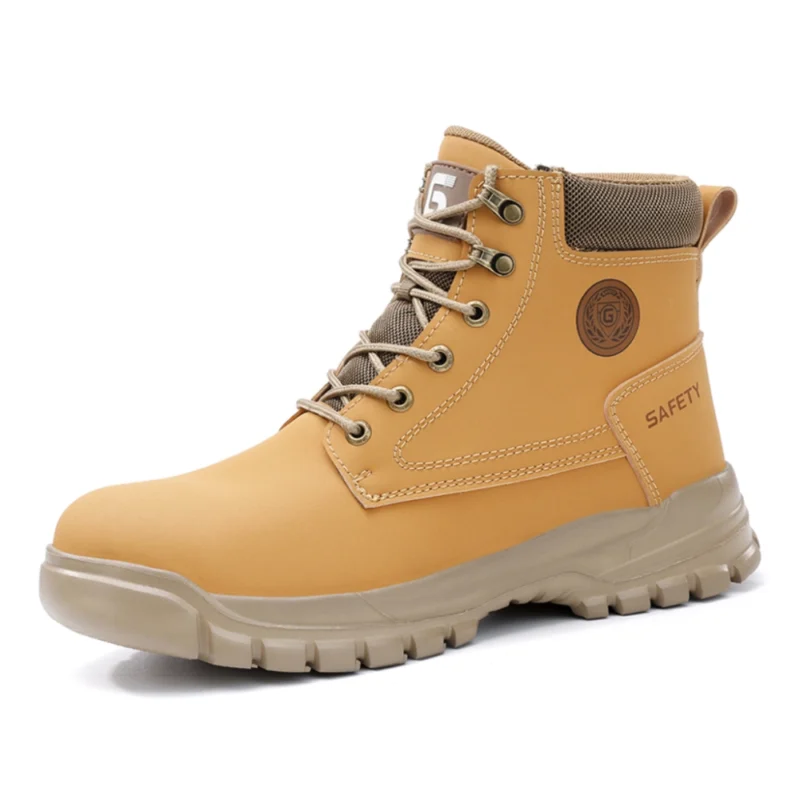
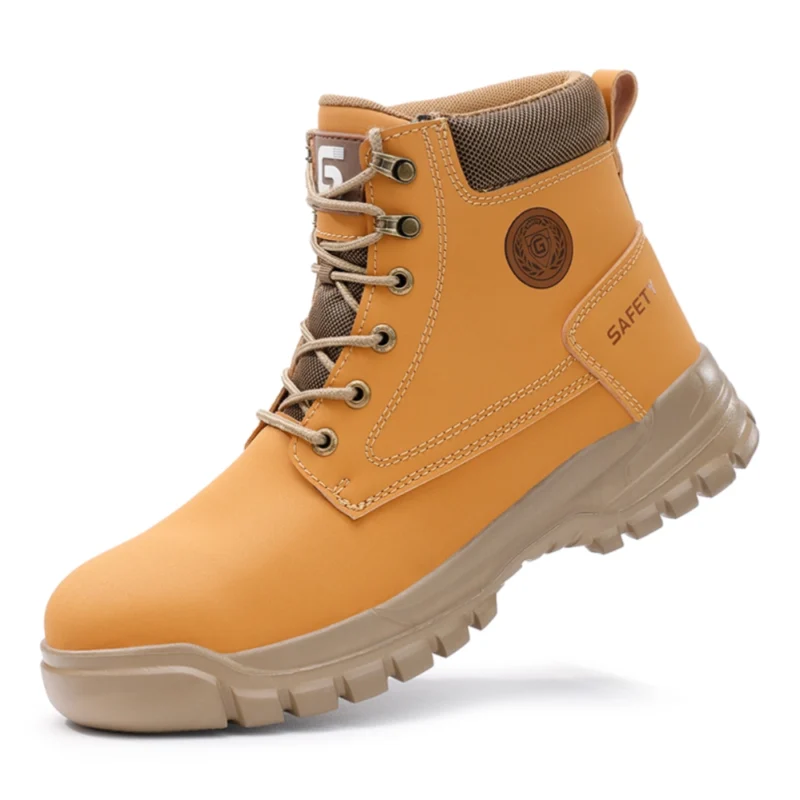
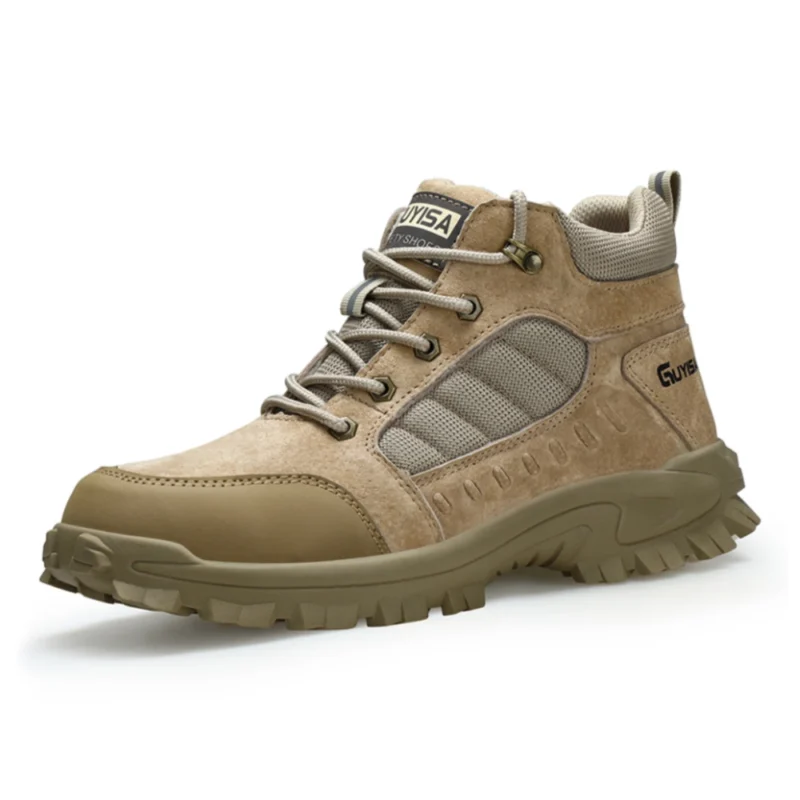
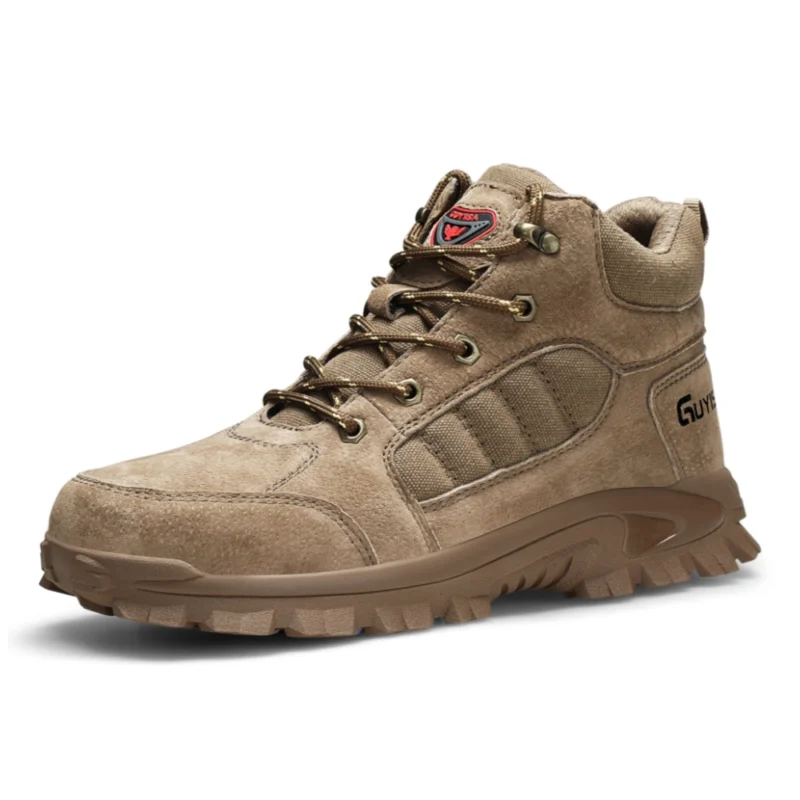
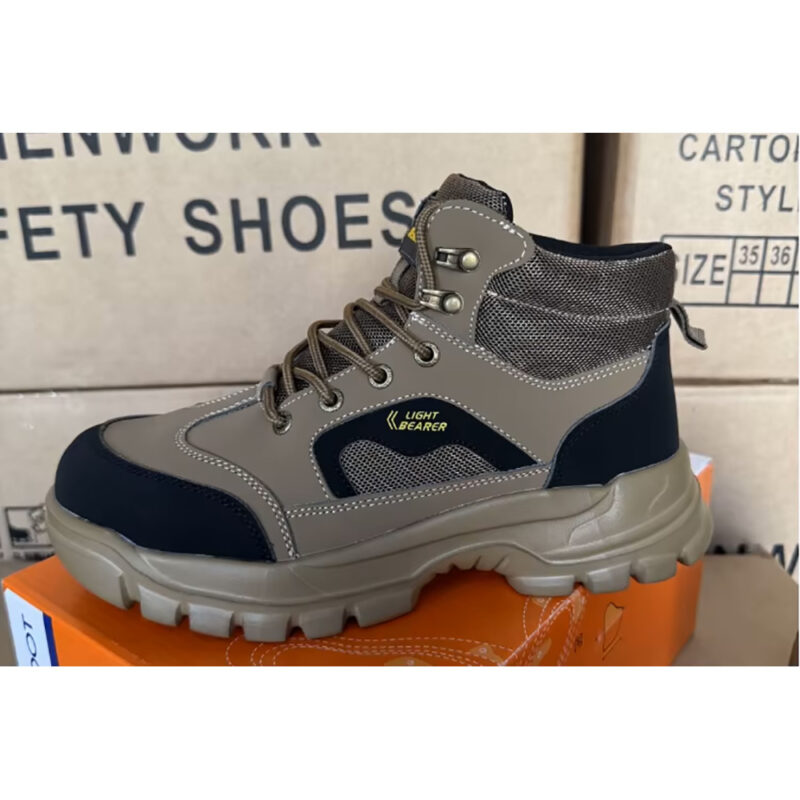
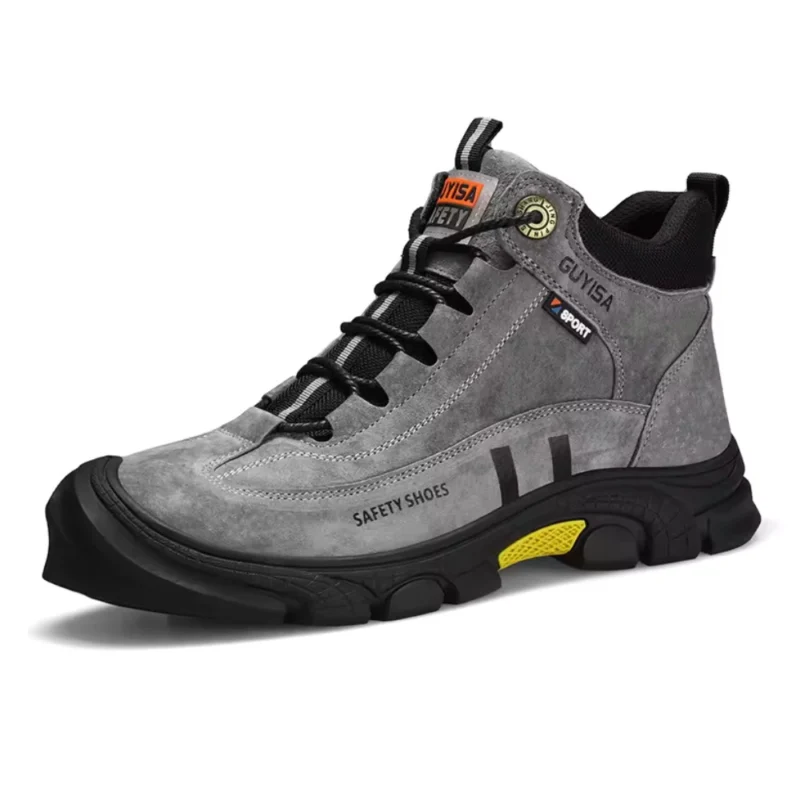
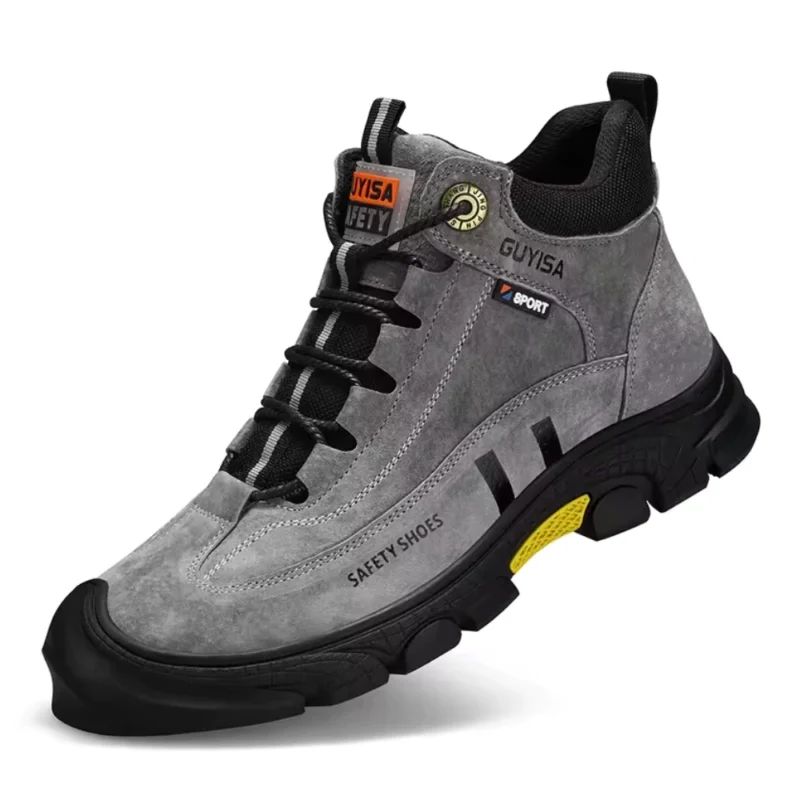
Hardware Store Worker Boots: Professional Footwear for Safety and Durability
Hardware store worker boots deliver essential protection for employees who face physical hazards throughout their workday. These specialized boots combine multiple safety features to guard feet against falling objects, sharp materials, and slippery surfaces. Employees in hardware retail environments encounter unique risks that demand footwear designed specifically for their tasks.
Safety Features in Hardware Store Worker Boots
Steel toe caps form the primary defense against impact injuries. These reinforced sections meet ASTM F2413 standards, withstanding forces up to 75 pounds. Employees who stock shelves, unload deliveries, or assist customers with heavy items benefit from this protection daily. Composite toe options provide similar safety for workers who pass through metal detectors or work near electrical sources.
Slip-resistant outsoles prevent falls on wet floors and oily surfaces. Hardware stores stock liquids, lubricants, and cleaning supplies that create hazardous conditions. Quality rubber compounds grip smooth concrete and tile surfaces, maintaining traction where spills occur. Tread patterns channel water away from contact points, reducing hydroplaning risks.
Puncture-resistant midsoles protect against nails, screws, and sharp debris. Hardware environments contain construction materials that can penetrate standard shoe soles. Kevlar or steel plates embedded in the midsole stop penetration while maintaining flexibility for natural foot movement.
Comfort and Support for Long Shifts
Hardware store employees stand and walk for eight-hour shifts or longer. Cushioned insoles absorb shock from concrete floors, reducing fatigue in feet, legs, and lower back. Memory foam and gel inserts conform to individual foot shapes, distributing pressure evenly across the sole.
Ankle support prevents sprains and reduces strain during repetitive movements. High-top designs stabilize joints when workers climb ladders, crouch to reach low shelves, or navigate crowded aisles. Padded collars prevent rubbing and hot spots around the ankle bone.
Breathable materials regulate temperature inside the boot. Leather uppers with moisture-wicking linings prevent sweat buildup that causes discomfort and odor. Ventilation systems allow air circulation without compromising water resistance or safety features.
Durability and Construction Quality
Hardware store worker boots withstand harsh conditions that destroy regular footwear quickly. Full-grain leather resists cuts, abrasions, and chemical exposure better than synthetic materials. Double and triple stitching reinforces stress points where boots typically fail first.
Oil-resistant materials prevent degradation from petroleum products, solvents, and cleaning agents. Rubber components maintain flexibility and grip despite contact with corrosive substances. Protective coatings on leather surfaces repel water and stains, extending boot life.
Replaceable insoles and laces reduce long-term costs. Workers can refresh worn components without replacing entire boots. Quality manufacturers offer repair services for resolebbing and reconditioning, maximizing initial investments.
Selecting the Right Hardware Store Worker Boots
Job duties determine which features matter most. Stock clerks who handle lumber and building materials need maximum toe protection and ankle support. Cashiers and customer service staff prioritize comfort and lighter weight designs. Forklift operators require flexible soles that maintain pedal feel.
Climate affects material choices. Insulated boots keep feet warm during winter deliveries and outdoor work. Uninsulated models with enhanced ventilation suit warm warehouses and summer conditions. Waterproof membranes protect against wet weather and floor cleaning operations.
Fit directly impacts safety and comfort. Boots should allow toe wiggle room while securing the heel firmly. Width options accommodate different foot shapes without causing pressure points. Break-in periods typically last one to two weeks for leather boots.
Compliance with workplace safety programs often requires specific certifications. Employers may mandate particular safety ratings or features based on risk assessments. Checking company requirements before purchase prevents costly mistakes and ensures coverage under safety policies.